


Renowned for his distinctive visual flair and profound thematic explorations, veteran Korean filmmaker Lee Myung-se is a pivotal figure in the nation’s cinematic landscape. His career, which began as an assistant director to Bae Chang-ho, blossomed with his directorial debut, "Gagman," in 1989. Lee’s unique artistic vision garnered international acclaim with "Nowhere to Hide" (1999), a film that captivated audiences and critics alike at the Sundance International Film Festival. This was followed by ambitious forays into historical action with "Duelist" (2005), the critically lauded "M" (2007), "Can’t Live Without You" (2017), and his most recent collaborative effort, "The Killers" (2024), co-directed with Jang Hang-jun, Kim Jong-kwan, and Deok Noh.
Currently, Lee Myung-se’s latest and most ambitious project, "Ran 12.3," is captivating audiences in Korean theaters. This marks his first foray into documentary filmmaking, a monumental undertaking that meticulously reconstructs a pivotal night that brought South Korea to the precipice of democratic collapse: the declaration of martial law by former president Yoon Suk-yeol. This powerful documentary serves as a stark historical record, utilizing an extensive archive of footage to illuminate a period of profound national crisis.
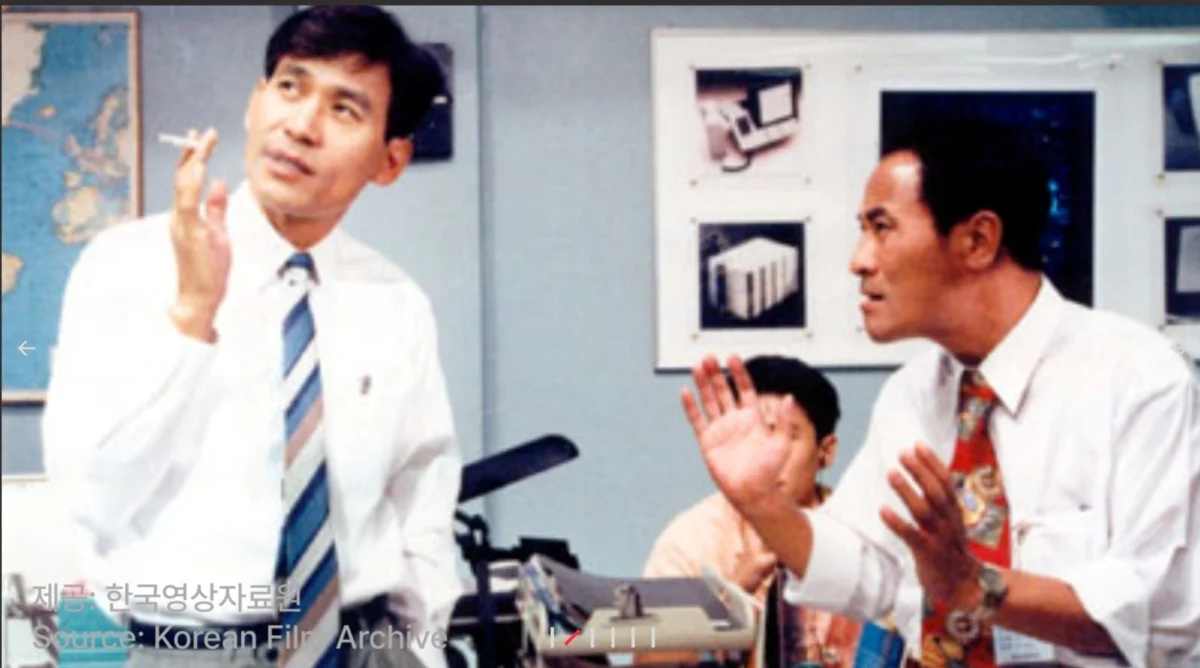
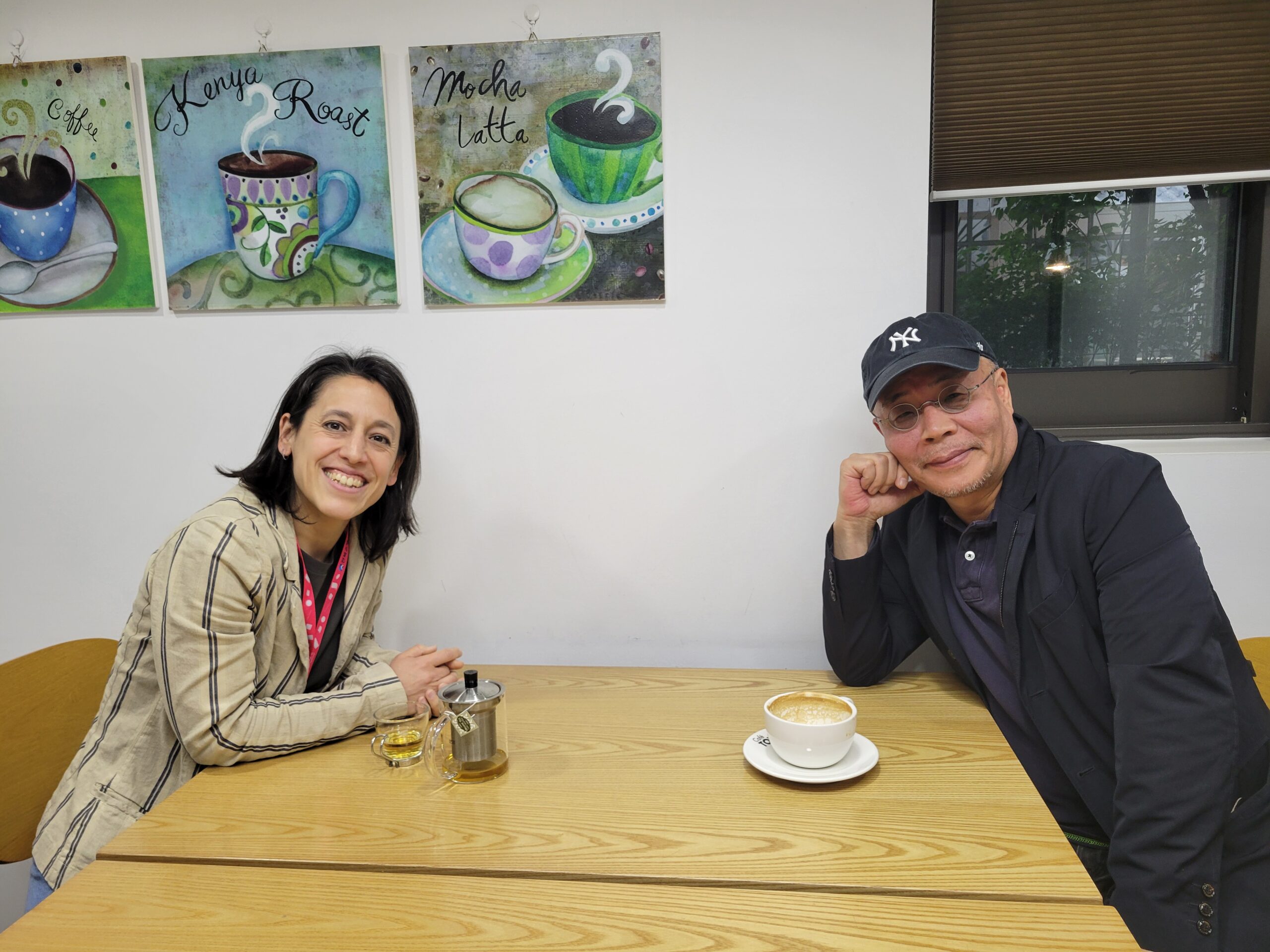
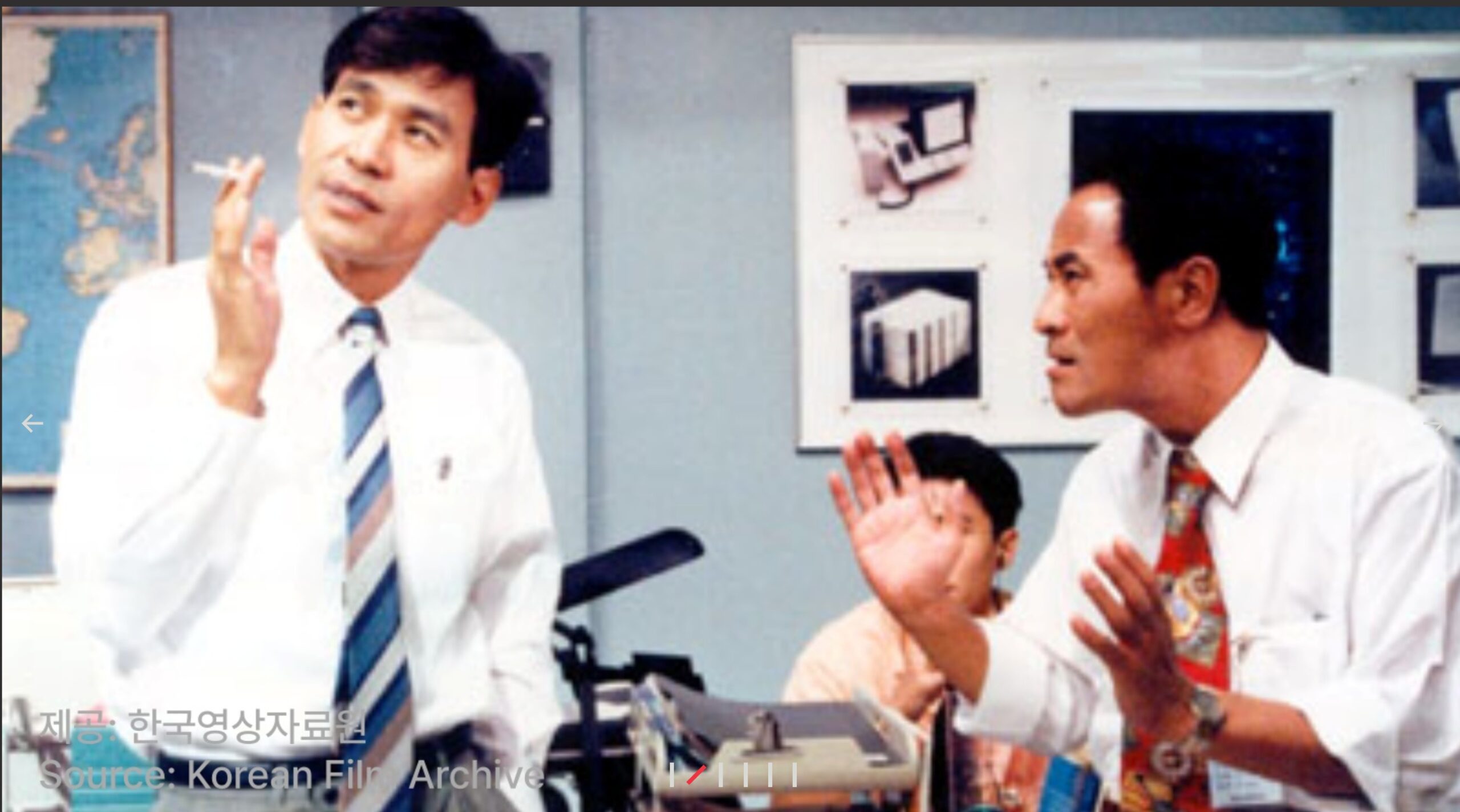
The Jeonju International Film Festival, currently celebrating a significant retrospective of the beloved actor Ahn Sung-ki, provided an opportune moment to revisit Lee Myung-se’s oeuvre. One of his lesser-known yet deeply resonant films, "Bitter and Sweet" (also known as "Affliction of Man"), was screened as part of this tribute. It was amidst this celebrated festival that Rita Andreeti of Asian Movie Pulse had the privilege of speaking with Director Lee. Their conversation delved into his cherished collaboration with Ahn Sung-ki, the profound impact of that partnership, his latest documentary, and his enduring philosophy on the essence of filmmaking in the contemporary era.
A Tribute to Ahn Sung-ki: Partnership Forged in Creativity
The Jeonju International Film Festival’s homage to the legendary Ahn Sung-ki offers a poignant opportunity to reflect on his immense contributions to Korean cinema. Lee Myung-se’s professional connection with Ahn Sung-ki is a testament to a rare and deeply collaborative spirit that transcends the typical director-actor dynamic.
"As a filmmaker, one of the biggest challenges is directing an actor, because they are hard to handle," Lee reflected. "But Ahn Sung-ki was completely different. He was never difficult. I started working with him when I was an assistant director. Even then, I got to direct his performance, even though I was just an assistant director. And at the time, Mr. Ahn was already a huge star, but I was directing him on the film shoot. So that boosted my confidence so much, even when I was working with other actors. Because I directed Mr. Ahn!"
This early experience laid the groundwork for a profound respect and a unique working relationship. Regarding "Bitter and Sweet," Lee described his collaboration with Ahn Sung-ki as a true partnership, characterized by an equal footing. "It’s an ensemble cast, right? So there are different actors. I designated Mr. Ahn as the leader of the actors. So now, as the leader, I kind of mandated him that he’s going to lead the group so that they can practice together."
The creative process for "Bitter and Sweet" was remarkably inclusive. "They would practice like a high school club would practice," Lee explained. "They would get together, and gather their ideas, and practice; after that, they would come to me and present their result. Say, option one. And they would show that. And option two and then option three. And I’d say, I like option three. And then we would go like that. So it was just huge fun for everyone."
Lee elaborated on the practicalities of filmmaking that necessitated this collaborative approach. "It’s kind of the same even now, but at the time, with the limited time and resources, with the budget and everything, I had too much to manage all at once. I really wanted to spend time and put more effort into the aesthetics of the film, like lighting and camera movement… I couldn’t find time to direct actors. So that was when Mr. Ahn became my true partner. I kind of delegated everything to him. And it just worked, like magic."
When questioned if Ahn Sung-ki was acting as an assistant director, Lee embraced the analogy: "If it’s okay to say it that way, yes! You know, we were more like family. We were one team. And the relationship was just different. We were true partners." He drew a parallel to the vibrant, familial atmosphere often found in Italian cinema, referencing Federico Fellini’s insights into the collaborative spirit of Italian filmmaking. This sentiment underscores the deep bond that existed, transcending professional roles to form a genuine creative alliance.
The passing of Ahn Sung-ki has left a significant void in the hearts of many within the film community. Lee acknowledged the profound sadness felt by actors and filmmakers alike, noting that Ahn Sung-ki represented a certain era and ethos in filmmaking, one that valued artistic integrity and collaborative spirit.
The Shadow of Mentorship: Bae Chang-ho and the Genesis of a Director
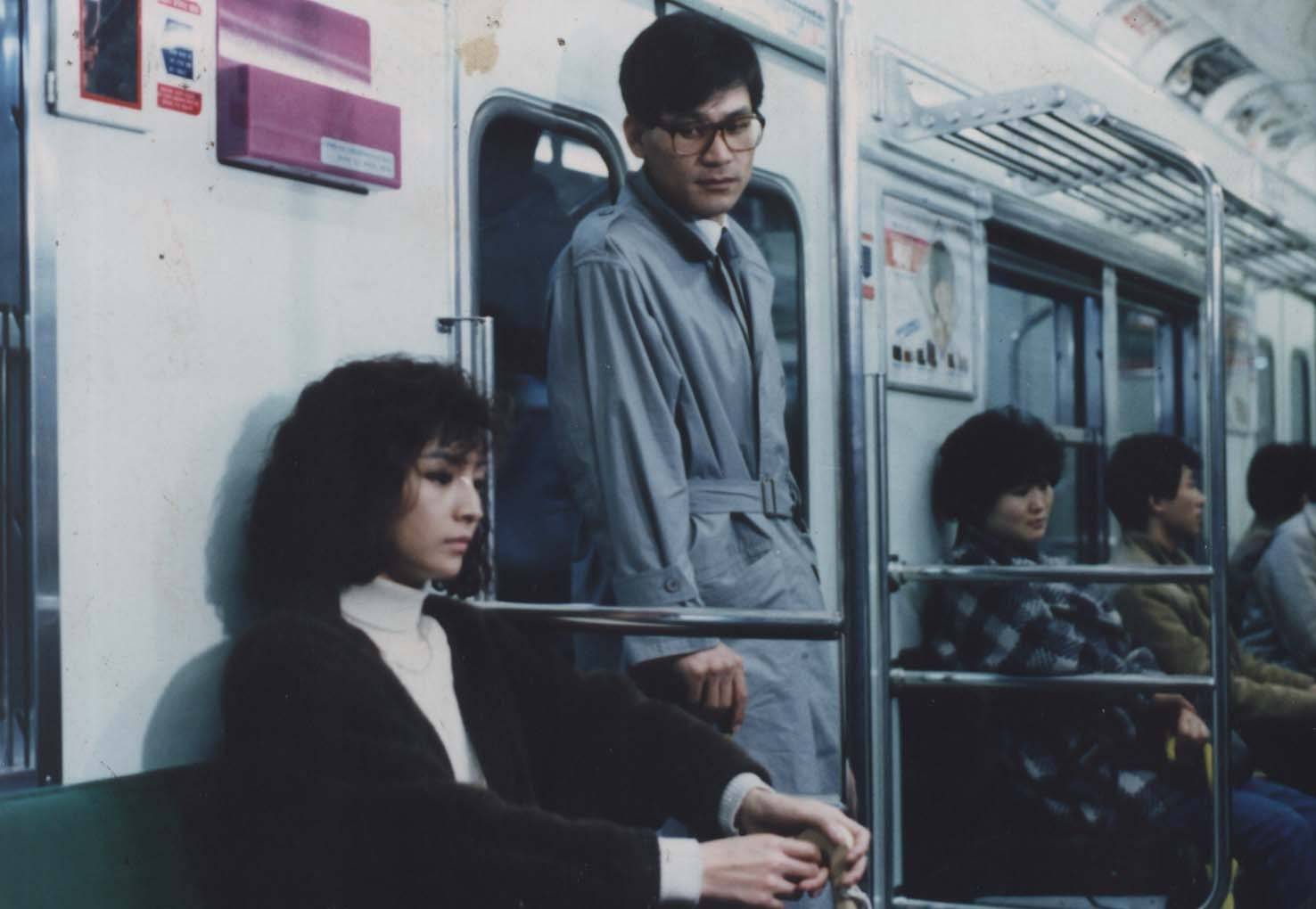
The Jeonju International Film Festival’s retrospective also includes "Our Joyful Young Days," a film co-written by Lee Myung-se and directed by Bae Chang-ho. This film represents another crucial pillar in Lee’s formative years as a filmmaker, highlighting the invaluable mentorship he received.
"If Mr. Ahn was alive until today, then I would say, just like the title, showing Mr. Bae’s work and my work and see Mr. Ahn’s coming, that would be ‘Our Joyful Young Days’," Lee mused. He emphasized that his relationship with Director Bae Chang-ho, much like his bond with Ahn Sung-ki, was one of equality, a "hyung – dongsaeng" (older brother – younger brother) dynamic.
Lee recalled his proactive approach as an assistant director: "’Chang-ho, take a rest. I’ll do everything for you. I’ll do all the prepping. Leave it up to me. I’ll show you what the greatest assistant director can do’," he stated with a laugh. This dedication allowed him to gain invaluable experience in directing actors, a skill he honed through his close work with Ahn Sung-ki. "Bae Chang-ho who gave me the opportunity to work with actors. So in that way, these two really helped me a lot to soft land my first step in."
The Evolving Landscape of Collaboration in Korean Cinema
The conversation naturally turned to the contemporary film industry and whether the spirit of mentorship and deep collaboration Lee experienced is still prevalent. "I try to create that environment. I try to work with people like that," Lee affirmed. However, he acknowledged the challenges posed by evolving social norms. "These days, people around me will say ‘you can’t do that anymore.’ Because, you know, they say, if you approach your coworkers like that, people won’t like that at all. To me, if you’re on a team, we’re one team, then we will be together like 24-7. I should be able to call him up anytime and he should be able to say okay and, you know, be engaged. But these days social norm has changed. So they feel that their life has been overstepped."
Despite these shifts, Lee remains committed to fostering such environments. "I still have some collaborators with whom I work in this way. Like the composer of ‘Ran 12.3’ Jo Seong-woo, and also my editor… Some of them, they haven’t left me." This loyalty from his long-standing collaborators speaks volumes about the enduring power of his creative ethos.
The Essence of Cinema: Love as the Guiding Principle
Lee Myung-se, often lauded as one of Korean cinema’s most distinctive visual stylists, was pressed to articulate the core of his filmmaking philosophy. "I was just stunned when I read this question because there’s nobody who asks this type of question anymore in Korea," he admitted, highlighting a perceived crisis in contemporary filmmaking discussions.
"Recently, I was with a group of fellow filmmakers and actors and some junior ones. We were just talking, and I realized that everything they’re talking about is about money, it’s about box office," Lee observed with concern. "I realized, come on, in the good old days, we talked about cinema, we talked about performance, we talked about acting, we talked about camera and everything. I really felt like this is not right. And I believe this is the crisis of Korean cinema these days."
In response to the question about the essence of filmmaking, Lee offered a profound answer rooted in spiritual and philosophical principles. "I believe the essence of cinema is the same as the ultimate purpose of art. And that ultimate purpose and the essence of art is already described in the chapter 13 of the Corinthians. It says, even if I speak the words of angels, it’s in vain without love. Even if I have the power to move mountains, even if I have the courage to put myself into fire to save someone, it’s all in vain without love. Here, it says nothing is meaningful without love. Just like this, I think love is the essence of cinema. Love is the ultimate purpose of art." This declaration underscores his belief that art, at its highest form, should be driven by compassion and a deep human connection.
"Ran 12.3": Documenting Trauma, Crafting Cinematic Truth
Lee Myung-se’s latest endeavor, "Ran 12.3," is a courageous documentary that confronts a critical moment in South Korean history. The film meticulously reconstructs the night martial law was declared by former president Yoon Suk-yeol, a period of intense political turmoil.
"Ran 12.3′ is my first documentary, but there is something that I learned from my experience of editing this documentary: I felt that documentary is not that different from feature film," Lee stated. He drew a parallel to his earlier film "Nowhere to Hide," where the reality of crime investigation was so dramatic that it couldn’t be fully incorporated into the fictional narrative without appearing too unbelievable. "And this time around, it’s kind of different because the reality, it actually happened. It’s very, very dramatic, it’s almost unbelievable that something like this could happen."
The documentary’s strength lies in its unflinching portrayal of fact. "Even at the time, people found it hard to believe that something like this was actually happening. In that sense, it was easier for me, because I was dealing with fact. So I don’t have to do all the convincing of audience, just like how I had to do with ‘Nowhere to Hide’. I didn’t have to convince the audience, I just show what happened. And in and of itself, it’s a drama."
Lee’s directorial objective was to render this historical narrative accessible and emotionally resonant to a global audience. "And my job was to tell the story and depict it in an intuitive enough way, that even foreign audiences, without any knowledge, will be able to follow, will be able to understand, will be able to feel the emotions intuitively and very directly. That was my ultimate goal in editing this documentary. Because I really feel that something like this should never happen, not just in Korea, but nowhere else in the world."
He described this as his "boldest ambition," where the pre-existing dramatic narrative demanded a focus on cinematic presentation. "And my job is to make it as cinematic as possible. And I put all my efforts into that front, and I’m so glad that the reaction is positive. People really love this film. And those reactions that I received from the audience, those positive reactions, is that: it’s easy to follow, which is an exception for Lee Myung-se’s films."

The film’s release, following "The Killers," represents a continuation of Lee’s drive to express his artistic vision without compromise. "When ‘The Killers’ came out, that was when I felt the creators were not able to really express everything that’s in their mind. But this time, the time has changed, and ‘Ran 12.3’ is kind of an extension of what I started with ‘The Killers’."
Global Reach and the Art of Sound and Music
Lee confirmed that an international version of "Ran 12.3" has been prepared, with all title inserts and design elements meticulously crafted in English to ensure a seamless and aesthetically pleasing viewing experience for a global audience. He emphasized his deliberate approach to font design to convey emotion, a testament to his commitment to visual storytelling.
His approach to music and sound design is equally distinctive. "The way I approach music in film is quite different because people think that background music is only background music that amplifies emotions of the actors or the characters that you see on screen," Lee explained. "But to me, sometimes music is part of the whole sound of the film. Sometimes it tells a story like a voiceover."
He further elaborated on the concept of "action" in film, distinguishing it from mere physical movement. "When I say action, I mean the harmonizing of images, camera movement, and every other element coming together to make the action work. It is the same with film music." This holistic view means that music must integrate organically with the film’s overall fabric, not merely serve as an emotional enhancer. He noted that while he admires composers like Ennio Morricone, their musical style might not align with his specific creative process.
The Pursuit of the Ultimate Image
Reflecting on his extensive body of work, Lee Myung-se views filmmaking not merely as a career but as a lifelong quest for perfection. "I would say if you’re a literary writer, I think you devote your whole life to be able to create the one ultimate sentence. As a filmmaker, I’m looking for that ultimate image that I feel is perfect. I’m looking for that image and I strive myself to be able to create that perfection and completeness."
This pursuit of artistic fulfillment, he suggests, is a profound endeavor, akin to a spiritual aspiration. While acknowledging the impossibility of achieving a divine level of completion, his dedication to striving for such perfection drives his creative spirit and defines his enduring legacy in cinema.