


The long-standing corporate philosophy at Netflix, which for over a decade prioritized internal development over external acquisition, appears to be undergoing a fundamental transformation as the streaming giant navigates an increasingly consolidated media landscape. During the company’s first-quarter earnings call for 2026, Netflix executives addressed the aftermath of their high-profile, unsuccessful bid for Warner Bros. Discovery (WBD), signaling that while the deal did not reach fruition, the institutional appetite for large-scale mergers and acquisitions (M&A) has been permanently whetted. This shift marks a departure from the "builders, not buyers" mantra that defined the tenure of co-founder Reed Hastings and the early years of the company’s original programming era.
The Q1 Earnings Performance and Market Volatility
Netflix reported its first-quarter financial results on Thursday, presenting a complex picture of robust growth tempered by cautious forward-looking guidance. The company exceeded revenue expectations for the quarter, bolstered by a global subscriber base that reached 325 million paid members as of January 2026. Despite these strong top-line figures, Netflix’s stock experienced a sharp decline of approximately 10% in extended trading.
The primary driver of investor anxiety was the company’s decision to maintain its full-year margin guidance, despite the termination of the WBD deal which would have incurred significant integration costs. Wall Street analysts had anticipated a more aggressive upward revision of profit forecasts following the retrieval of a $2.8 billion breakup fee from the failed transaction. Robert Fishman, an analyst at MoffettNathanson, noted that the "unchanged full-year margin guidance" was a surprising point of contention, suggesting that the company may be planning to reinvest those capital reserves into content or future acquisition targets rather than returning them immediately to the bottom line.
The $72 Billion Bid: A Chronology of Ambition
The narrative of Netflix’s strategic pivot began in late 2025, when the company emerged as a surprise suitor for Warner Bros. Discovery. For years, Netflix had dismissed the idea of buying legacy media assets, citing the "baggage" of declining linear television networks and complex debt structures. However, the lure of WBD’s deep intellectual property (IP) library—including the DC Universe, Harry Potter, and the HBO prestige catalog—proved too significant to ignore.
In December 2025, Netflix stunned the industry by announcing a definitive agreement to acquire WBD’s film studio and streaming assets in a landmark $72 billion deal. The move was designed to catapult Netflix from a tech-first streaming service into a traditional Hollywood powerhouse with a physical studio footprint and a bench of established franchises.
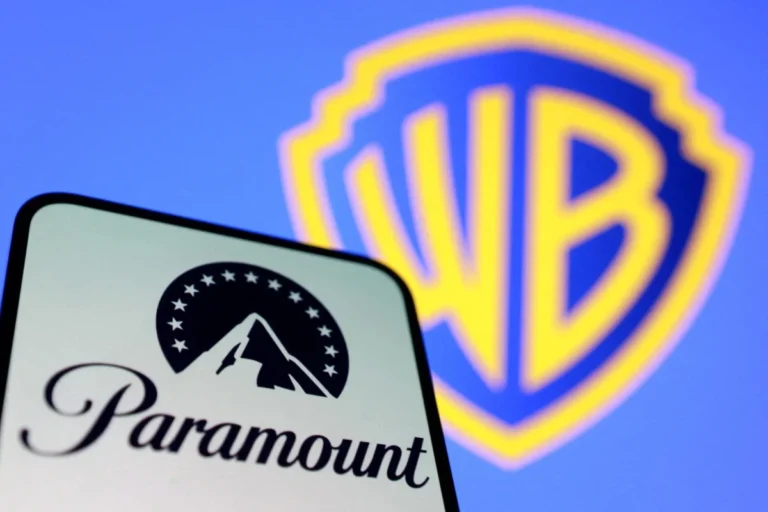
The deal’s trajectory changed abruptly in February 2026. Paramount Skydance entered the fray with what was deemed a "superior bid," offering a more comprehensive integration plan that included WBD’s cable networks, which Netflix had initially been hesitant to absorb. Following a brief bidding war, Netflix exercised its right to walk away, collecting the $2.8 billion breakup fee. While the company’s shares had fallen 15% during the period of uncertainty following the announcement, they rebounded by 26% once the deal collapsed, reflecting a market that was initially skeptical of the debt load required for such a massive acquisition.
Developing the ‘M&A Muscle’
Despite the deal’s failure, Netflix co-CEO Ted Sarandos characterized the exercise as a vital developmental milestone for the company’s leadership. Speaking to analysts on Thursday, Sarandos emphasized that the process of bidding for WBD had allowed Netflix to "build its M&A muscle."
"What we did learn was that our teams were more than up to the task," Sarandos stated. "We’ve learned so much about deal execution, about early integration." He further explained that the exercise served as a test of the company’s "investment discipline," proving that Netflix could pursue a transformative deal without losing focus on its core operational metrics.
This newfound openness to M&A suggests that Netflix is no longer content to rely solely on organic growth. As the "Streaming Wars" enter a phase of consolidation, the company recognizes that owning "evergreen" IP is the most effective hedge against subscriber churn. While Netflix has seen massive success with original hits like Stranger Things and Squid Game, these are internally owned brands that require years to cultivate. Acquiring an established studio would provide an immediate infusion of globally recognized characters and stories.
The Competitive Landscape: The Paramount-WBD Threat
The urgency behind Netflix’s strategic shift is underscored by the changing competitive environment. If the Paramount-Skydance takeover of Warner Bros. Discovery is approved by regulators, it will create a media behemoth that combines the assets of Paramount+, HBO Max, and the Warner Bros. film library. This consolidated entity would pose a more formidable threat to Netflix’s dominance than the individual services did previously.

Mike Proulx, vice president and research director at Forrester, highlighted this shift in the competitive balance. "A probable combination of Paramount+ and HBO Max changes the streaming landscape in ways Netflix hasn’t really had to contend with before," Proulx observed. The combined entity would possess a massive volume of content, potentially outstripping Netflix’s library in terms of sheer hours of high-value, recognizable IP.
Sarandos addressed these concerns by framing the WBD bid as a "nice to have, not a need to have," reiterating his confidence in the core Netflix business model. However, the reality of a more crowded and consolidated market suggests that Netflix may be forced to return to the bargaining table to maintain its lead.
Strategic Focus: Ads, Engagement, and Price Hikes
While M&A dominated the thematic undertones of the earnings call, Netflix remains focused on its three primary pillars of revenue growth: the advertising-supported tier, increased engagement, and pricing power.
The company’s ad-supported tier has shown significant momentum, with management stating they are on track to double ad revenue by the end of 2026. This segment has become a critical tool for capturing price-sensitive consumers who might otherwise cancel their subscriptions in a high-inflation environment. Furthermore, Netflix’s recent crackdown on password sharing has successfully converted millions of "borrowers" into paid members, contributing to the 325 million global subscriber count.
The company also defended its recent price increases across several major markets. Sarandos noted that retention remains strong despite higher costs for consumers, a sign of what the company calls "high-value engagement." By investing heavily in a diverse content slate—ranging from unscripted reality shows to big-budget action films—Netflix aims to justify its premium pricing relative to competitors.
Analysis of Broader Implications
The transition of Netflix from a pure-play tech disruptor to a potential industry consolidator has broad implications for the entertainment ecosystem. First, it signals the end of the era of "fragmented streaming." As the largest player in the space begins to look toward acquisitions, smaller services may find it increasingly difficult to remain independent.
Second, Netflix’s interest in movie studios indicates a desire to influence the theatrical window and the traditional awards circuit more directly. Owning a major studio would give Netflix the infrastructure to manage global theatrical releases, a move that would appease high-profile filmmakers who still value the big-screen experience.
Finally, the investor reaction to the Q1 guidance suggests a "show me" period for Netflix. Shareholders are no longer satisfied with just subscriber growth; they are looking for capital efficiency and a clear roadmap for how the company will spend its massive cash reserves. If Netflix does not pursue another acquisition in the near term, pressure will mount for the company to engage in significant share buybacks or dividend issuances.
Conclusion: A New Chapter for the Streaming Giant
As Netflix moves further into 2026, the "M&A muscle" mentioned by Ted Sarandos will likely be put to the test again. The company sits in a unique position: it is the only streaming service currently generating significant profits, yet it faces the existential threat of competitors who are merging to achieve scale.
The failed Warner Bros. Discovery bid was not merely a one-off attempt at expansion; it was a declaration of intent. Netflix has signaled to the market and its competitors that the era of isolationism is over. Whether the company targets another major studio or focuses on smaller, niche IP holders, the strategy for the next five years will clearly involve a mix of building and buying. In a landscape where content is king but scale is the castle, Netflix is preparing to expand its borders by any means necessary.