


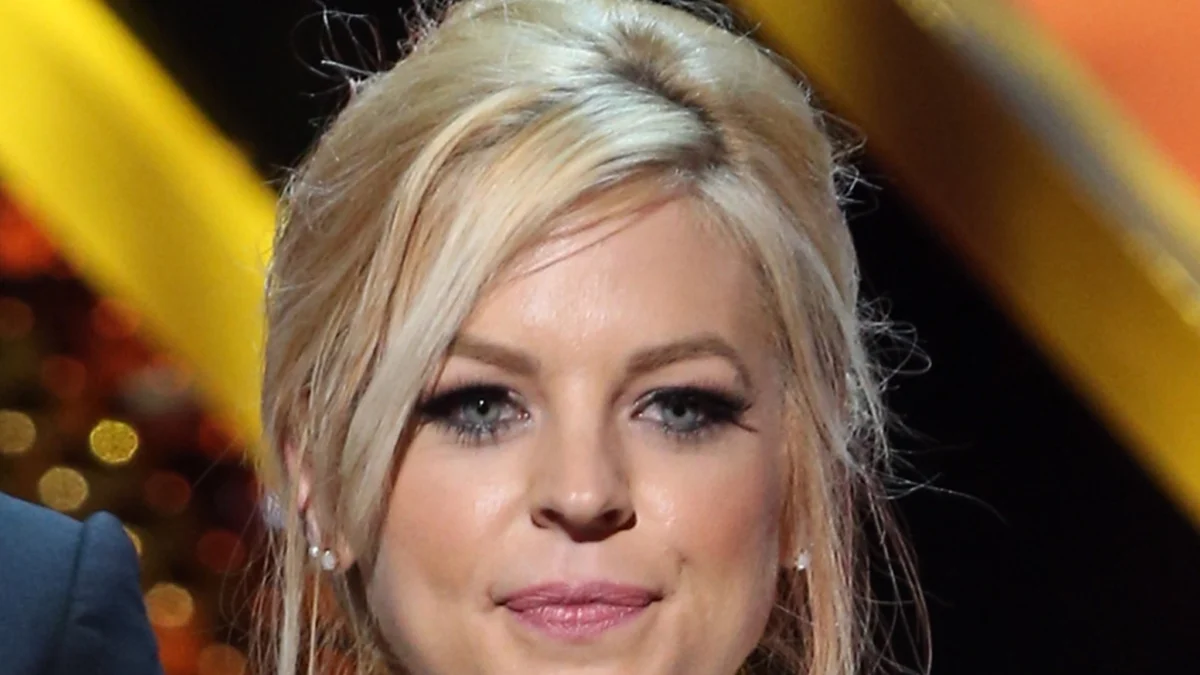
The Franklin Police Department in Tennessee has officially confirmed an active investigation into claims made by "General Hospital" star Kirsten Storms regarding the alleged hacking of her personal electronic devices. This development, confirmed on April 30, 2026, adds another layer of complexity to the actress’s recent public struggles, which include a temporary restraining order secured by her ex-husband, Brandon Barash, citing concerns about her mental well-being and their 12-year-old daughter. The convergence of these serious allegations—ranging from cybercrime to personal health concerns and child custody issues—places Storms, a prominent figure in daytime television, under significant scrutiny and highlights the multifaceted challenges faced by public figures navigating personal crises in the digital age.
The Allegations of Digital Intrusion
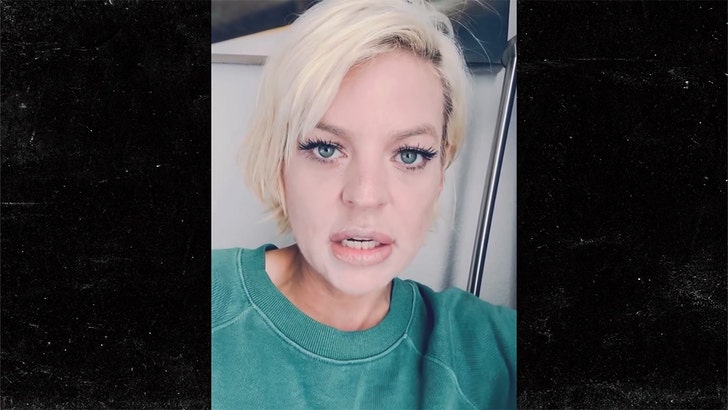
Kirsten Storms, widely recognized for her long-standing role as Maxie Jones on ABC’s "General Hospital," first brought her concerns about unauthorized access to her phone into the public sphere via an Instagram video posted on April 9, 2026. In the video, Storms explicitly stated her belief that her cellphone had been compromised, suggesting that "unknown third parties" were actively spying on her devices. While the initial Instagram post offered limited specifics regarding the nature or extent of the alleged hacking, it served as a direct appeal for help or awareness, drawing attention to a potentially serious privacy breach.
The subsequent confirmation from the Franklin Police Department marks a critical escalation from personal accusation to official law enforcement inquiry. A representative for the department stated, "I can confirm that there is an active investigation as it pertains to her case." This official response indicates that Storms’ claims have met the threshold for police intervention, suggesting that preliminary information provided by the actress warranted a formal inquiry into potential cybercrimes. Such investigations typically involve a meticulous examination of digital footprints, including device forensics, network activity logs, and communication data, to identify the source and method of any unauthorized access. The complexity of cybercrime often requires specialized expertise, making these investigations time-consuming and challenging, particularly when perpetrators operate with a high degree of anonymity or across jurisdictional lines. The specific details police are investigating—what data may have been accessed, how long the alleged intrusion has occurred, and who might be responsible—remain undisclosed as part of the ongoing inquiry, protecting the integrity of the investigative process.
A Troubled Timeline: Hacking Claims Amidst Personal Turmoil
The police investigation into Storms’ hacking allegations unfolds against a backdrop of significant personal challenges that have recently come to light. The timeline of these events paints a picture of escalating difficulties for the actress:
- Mid-2025: According to court documents filed by Brandon Barash, his ex-wife Kirsten Storms allegedly began experiencing "delusions and hallucinations" around this period. These claims formed the basis of his subsequent legal actions, suggesting a sustained period of concern regarding her mental state.
- Late 2025: Brandon Barash, also a soap opera actor known for his role as Johnny Zacchara on "General Hospital," sought and was granted a temporary restraining order against Storms. In his legal filing, Barash expressed grave concerns for their then 12-year-old daughter, claiming Storms was exhibiting erratic behavior and an unstable living situation, allegedly "bouncing from friends’ homes to hotels to apartments." He further detailed a period where her condition reportedly improved briefly before regressing.
- Late 2025 (Concurrent with Restraining Order Filing): Barash’s filing included an allegation from a friend of Storms, who reportedly told him that she believed the soap star was abusing Adderall. This claim, if substantiated, could explain some of the behavioral issues Barash described, though it remains an unproven allegation within the public domain. The judge, in granting the temporary restraining order, specifically noted that there was "evidence Kirsten was having a mental health crisis." While the restraining order restricted Storms’ proximity to Barash, the court allowed her to have supervised visitation with their daughter, pending a future hearing, underscoring the court’s priority on the child’s welfare while acknowledging Storms’ struggles.
- April 9, 2026: Kirsten Storms posts her Instagram video, publicly alleging that her cellphone had been compromised and that she was being spied on. This public declaration served as the initial catalyst for the current police investigation.
- April 27, 2026: News outlets, including TMZ, began reporting on the restraining order filed by Brandon Barash, bringing the details of Storms’ personal and mental health challenges into the public discourse just weeks after her hacking claims.
- April 30, 2026: The Franklin Police Department confirms the active investigation into Storms’ hacking claims, officially linking her public statements to a formal law enforcement inquiry.
This chronological sequence reveals a period of intense personal turmoil for Storms, with the alleged phone hacking emerging as the most recent, and perhaps most perplexing, development in a series of highly sensitive personal and legal issues. The timing raises questions about potential connections between these events, or if they represent separate, albeit concurrent, crises.
Kirsten Storms: A Career Defined by Resilience and Public Scrutiny
Kirsten Storms has been a fixture in American pop culture for decades, beginning her career as a child actress. Her most iconic role has been that of Maxie Jones on "General Hospital," a character she has portrayed intermittently since 2005. Before her extensive tenure on "GH," Storms gained widespread recognition as Belle Black on "Days of Our Lives" from 1999 to 2004, and also had a notable role in the Disney Channel original movie "Zenon: Girl of the 21st Century." Her career has been marked by both professional success and periods of personal challenge that have occasionally impacted her work.
Public figures, particularly those with long careers in the entertainment industry, often face immense pressure and scrutiny. Storms has, in the past, openly discussed health issues, including brain surgery in 2021 for a non-cancerous cyst and prior struggles with depression. While these past health challenges are distinct from the current allegations, they form part of her public health narrative and underscore the mental and physical toll that demanding careers and public life can exert. For celebrities, privacy is often a precarious commodity, and allegations of phone hacking or cyberstalking are unfortunately not uncommon. High-profile individuals are frequent targets for malicious actors seeking information, financial gain, or simply notoriety. This vulnerability makes the current investigation particularly resonant within the broader context of digital security for public figures.
The Intersecting Legal and Personal Battles
The simultaneous unfolding of a police investigation into alleged cybercrime and a court-ordered temporary restraining order based on mental health concerns creates a complex legal and personal landscape for Kirsten Storms. Each issue presents its own set of challenges and implications:
The Hacking Investigation: If proven, the unauthorized access to Storms’ phone constitutes a serious violation of privacy and potentially a felony under state and federal cybercrime laws. Depending on the nature of the intrusion and any data exfiltrated, potential charges could include computer trespass, identity theft, or harassment. The investigation will aim to identify the perpetrators, understand their motives, and ascertain the extent of the alleged spying. For Storms, a successful investigation could bring a sense of security and justice, but the process itself can be invasive and emotionally taxing.
The Restraining Order and Custody Battle: The temporary restraining order, granted based on evidence of a "mental health crisis" and concerns for the couple’s daughter, places significant limitations on Storms. The allegations of delusions, hallucinations, and Adderall abuse are serious and directly impact her parental rights, even with supervised visitation. The upcoming hearing will be crucial in determining the long-term custody arrangements and whether the temporary order becomes permanent. Legal battles involving child custody and mental health are notoriously sensitive and often involve expert testimonies, psychological evaluations, and extensive documentation. The public nature of these proceedings, due to Storms’ celebrity status, adds another layer of stress and potential reputational damage.
The intersection of these two distinct legal proceedings is particularly noteworthy. It is possible that Storms perceives the alleged hacking as related to the ongoing custody dispute, perhaps as an attempt to gather information or further destabilize her. Conversely, the mental health concerns raised by Barash could, from an external perspective, complicate the perception of her hacking claims, requiring police to carefully sift through all information with impartiality. Legal experts suggest that evidence uncovered in the hacking investigation, if it points to malicious intent from parties connected to the custody case, could potentially influence the family court’s decisions regarding her ex-husband’s allegations. Conversely, if her mental state is definitively determined to be impaired, it could raise questions about the reliability of her claims, though a mental health crisis does not preclude one from being a victim of cybercrime. The courts will need to carefully consider both narratives independently and in relation to each other, maintaining a focus on factual evidence.
Cybersecurity in the Digital Age: Broader Implications
Kirsten Storms’ alleged phone hacking serves as a stark reminder of the pervasive threat of cybercrime in an increasingly digital world. While celebrities are often high-profile targets, individuals from all walks of life are vulnerable to digital intrusions. Common methods include:
- Phishing: Deceptive emails or messages designed to trick individuals into revealing personal information or clicking malicious links.
- Malware: Malicious software installed on a device without the user’s knowledge, allowing hackers to monitor activity or steal data.
- SIM Swapping: A sophisticated attack where criminals convince a mobile carrier to transfer a victim’s phone number to a SIM card they control, allowing them to intercept calls, texts, and bypass two-factor authentication.
- Exploiting Software Vulnerabilities: Taking advantage of weaknesses in operating systems or applications to gain unauthorized access.
The consequences for victims extend beyond privacy breaches, often leading to identity theft, financial fraud, reputational damage, and severe psychological distress. For a public figure like Storms, the implications are amplified, potentially affecting her career, public image, and personal safety. This case underscores the critical importance of robust digital security practices, including strong, unique passwords, two-factor authentication, regular software updates, and heightened vigilance against suspicious communications.
Official Responses and The Path Forward
As the Franklin Police Department continues its active investigation into Kirsten Storms’ hacking allegations, official statements from related parties are expected to remain cautious and limited, reflecting the sensitivity and ongoing nature of the proceedings.
- Franklin Police Department: While confirming the investigation, police officials are unlikely to offer further details or speculate on potential suspects or motives until substantial progress has been made and, potentially, charges are filed. Their primary focus will be on evidence collection and forensic analysis.
- Kirsten Storms’ Representatives (or Storms herself): It is anticipated that Storms or her legal representatives will reiterate her cooperation with law enforcement and her commitment to resolving the matter, while likely refraining from specific public comments that could jeopardize the investigation or her legal standing in the restraining order case.
- Brandon Barash’s Representatives: Barash’s legal team is expected to maintain a focus on the welfare of his daughter and the validity of the concerns raised in his restraining order petition, likely avoiding direct commentary on the hacking claims unless they are found to be directly relevant to the custody dispute.
- ABC/General Hospital: As a major television network and production, ABC and "General Hospital" typically issue statements respecting the privacy of their cast members regarding personal matters, confirming their support for Storms as an employee, but refraining from commenting on the specifics of ongoing legal or police investigations.
The dual nature of the challenges facing Kirsten Storms—a serious criminal investigation into alleged cyber-intrusion coupled with an emotionally charged custody battle rooted in mental health concerns—presents a deeply personal and professionally impactful period for the actress. The outcomes of both the police investigation and the upcoming court hearings will undoubtedly shape her immediate future, impacting her privacy, legal standing, and personal well-being. The unfolding narrative serves as a stark reminder of the complexities of public life and the digital age, where personal struggles can quickly become subjects of public record and intense scrutiny. The community and fans will await further developments with a keen eye, hoping for resolution and clarity for the beloved soap opera star.