

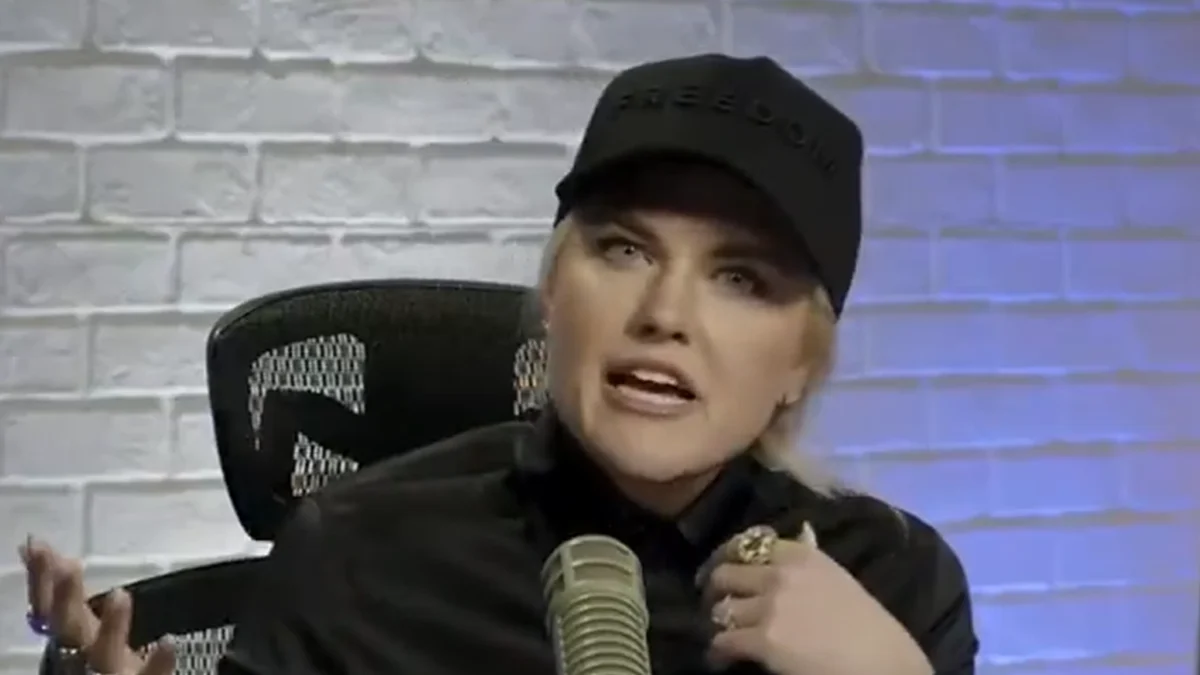
The media landscape was once again ignited on April 29, 2026, as Erika Kirk, widow of the late conservative commentator Charlie Kirk, publicly expressed profound frustration over what she perceives as relentless criticism and targeted mockery, singling out comedian Druski for a viral "whiteface" skit. Kirk’s impassioned remarks, delivered during a recent broadcast of "The Charlie Kirk Show," highlighted a growing tension between public figures, digital satirists, and the broader online discourse. Beyond the comedic jab, Kirk also addressed severe allegations leveled against her by fellow conservative personality Candace Owens, underscoring a period of intense personal and public scrutiny for the influential figure.
A Public Outcry Against Online Satire and Personal Attacks
Erika Kirk’s segment on "The Charlie Kirk Show" served as a powerful platform for her to articulate her exasperation with the constant barrage of negative attention she receives. While the focus quickly shifted to comedian Druski’s controversial "whiteface" video, Kirk made it clear that this incident was merely the latest in a series of grievances. Her distress signals a broader societal debate concerning the boundaries of satire, the ethics of online commentary, and the vulnerability of public personalities in the age of hyper-connectivity. The incident involving Druski has quickly escalated into a talking point across social media and various news outlets, prompting discussions about comedic intent versus perceived offense.
The "Whiteface" Controversy: Druski’s Viral Impersonation
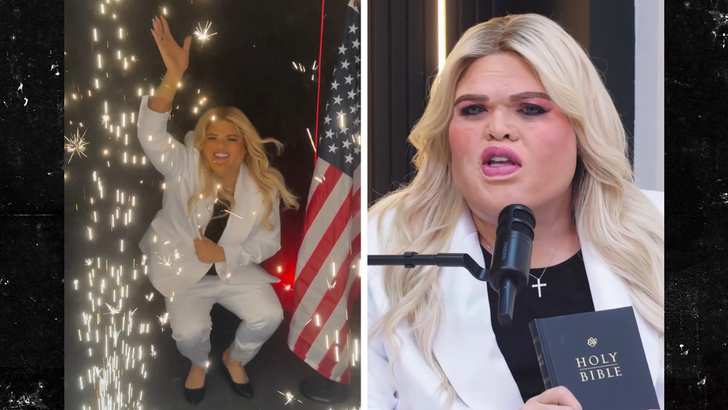
The focal point of Kirk’s recent ire is a viral video shared by comedian Druski in March 2026. Druski, known for his character-driven skits and online presence, uploaded a clip that quickly garnered millions of views and sparked widespread discussion. In the video, the Black comedian appears in heavy makeup, conspicuously styled to resemble a "stereotypical rich, white lady." The portrayal featured exaggerated mannerisms, including dancing, discussing religious topics on a podcast, lip-syncing to pop songs like Katy Perry’s "California Gurls," and a specific, seemingly trivial demand for an "organic pup cup" from Starbucks.
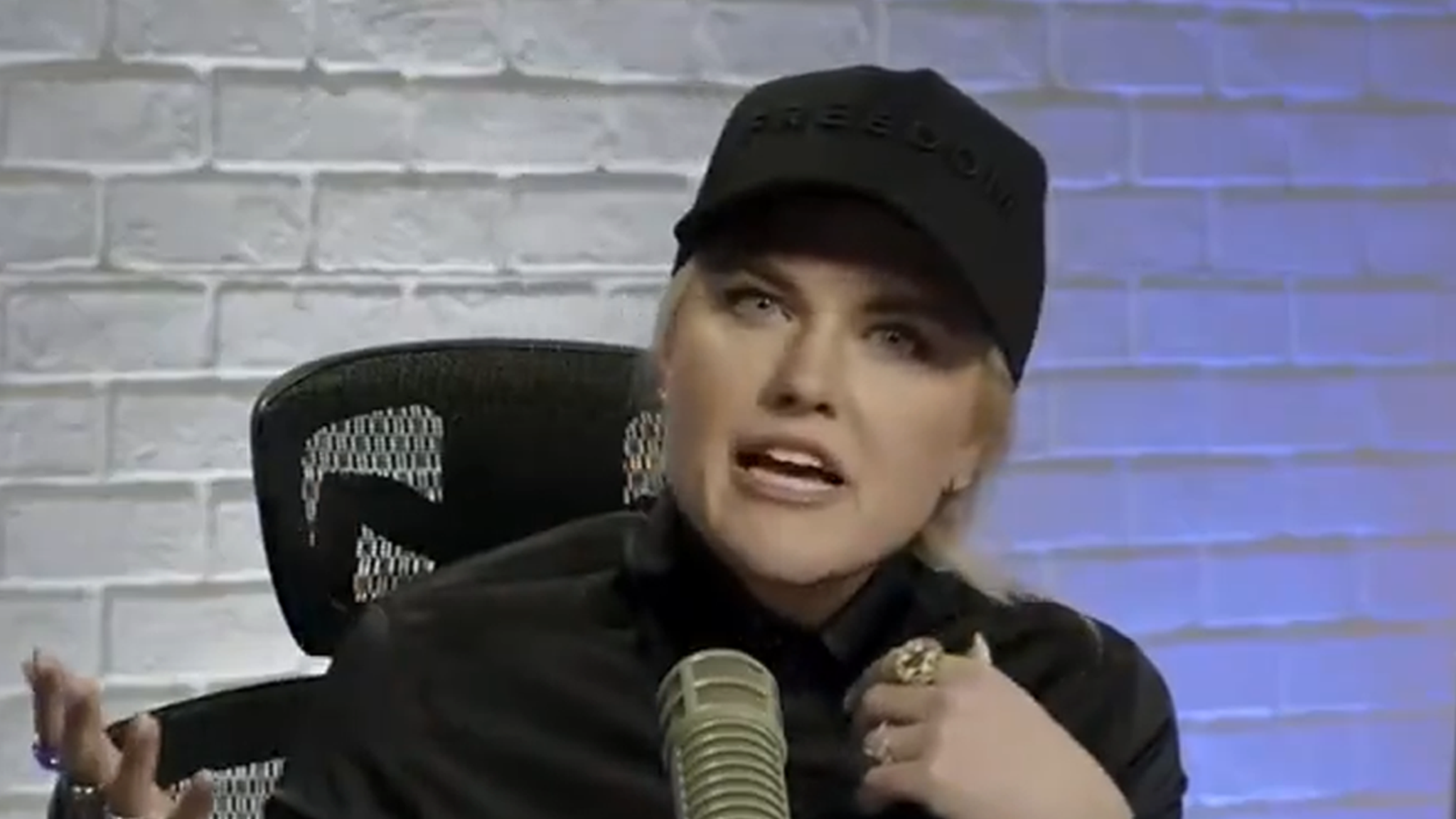
Kirk unequivocally interpreted this performance as "whiteface" and a direct mockery of her persona. The video’s virality was undeniable, spreading rapidly across platforms like TikTok, Instagram, and X (formerly Twitter). Druski’s followers and many casual viewers found the skit humorous, appreciating its exaggerated take on a specific demographic stereotype. However, Kirk’s reaction indicates that the humor did not translate universally, particularly for those who felt personally targeted or represented by the caricature. Her strong condemnation has forced a reevaluation of the skit’s implications and the comedian’s intentions.
Historical Context of Identity-Based Comedy
The term "whiteface," as invoked by Erika Kirk, draws a parallel to the historically problematic practice of "blackface." Blackface minstrelsy, originating in the 19th century, involved white performers darkening their skin to caricature Black individuals, often reinforcing racist stereotypes for comedic effect. This practice is widely condemned today due to its roots in racial oppression and dehumanization.
While "whiteface" lacks the same historical weight of systemic oppression, Kirk’s use of the term highlights a perceived reversal or mirroring of identity-based mockery. Critics of such comparisons often point to the power dynamics at play, arguing that satire directed at dominant groups (e.g., wealthy white women) does not carry the same harmful implications as satire directed at historically marginalized groups. However, Kirk’s perspective emphasizes the personal impact of feeling ridiculed based on one’s identity, regardless of broader power structures. This incident reignites ongoing debates within comedy circles about "punching up" versus "punching down" and the subjective nature of what constitutes offensive humor.
Erika Kirk’s Public Persona and the Charlie Kirk Legacy
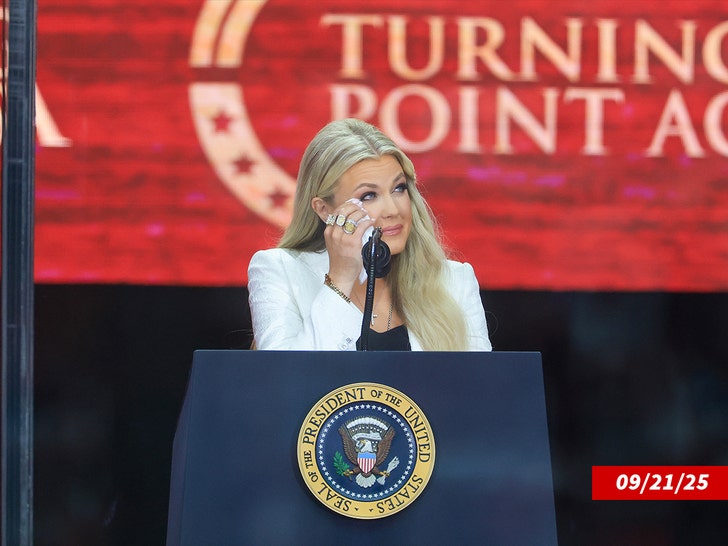
Erika Kirk is a prominent figure within conservative media circles, largely recognized as the widow of Charlie Kirk, the founder of Turning Point USA, a highly influential conservative youth organization. Since her husband’s passing, Erika Kirk has assumed a more visible role, particularly through her involvement with "The Charlie Kirk Show," a popular podcast and radio program. Her public image is often associated with conservative values, traditional lifestyles, and a vocal presence in political and cultural debates.
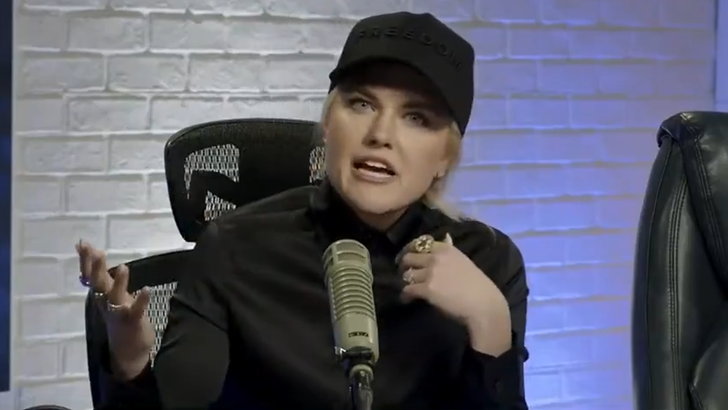
Her platform on "The Charlie Kirk Show" reaches a dedicated audience, primarily composed of conservative listeners who often share her viewpoints and may feel similarly targeted by mainstream or liberal-leaning satire. This context is crucial for understanding the intensity of her reaction to Druski’s video; she is not merely a private individual but a public voice for a segment of the population that frequently feels misunderstood or unfairly lampooned by popular culture. Her decision to address the "whiteface" controversy publicly on her platform suggests a strategic move to rally her base and challenge what she perceives as disrespectful and unwarranted attacks.
The Unraveling of Conservative Alliances: Candace Owens’ Allegations
Compounding Erika Kirk’s public challenges are the severe allegations recently made against her by Candace Owens, another prominent conservative commentator. Kirk explicitly stated that Owens has "insisted she played a role in some conspiracy to kill her husband, Charlie." This accusation is particularly shocking given the often-interconnected nature of conservative media personalities and the public perception of solidarity within their movement.
While the specifics of Owens’ claims remain largely unsubstantiated and are widely regarded as conspiracy theories, their public dissemination has undoubtedly caused immense distress for Erika Kirk. Such accusations not only undermine her character but also exploit the tragic circumstances of her husband’s death for what appears to be political or personal gain within their shared ideological space. The public airing of this internal conflict highlights the growing fissures and personal rivalries that can emerge even within seemingly unified political factions. It underscores a volatile environment where personal attacks and unsubstantiated claims can quickly gain traction, further complicating the lives of public figures. The fallout from these allegations has prompted questions about the integrity of public discourse within conservative media and the standards of evidence applied to serious accusations.
The Evolving Landscape of Digital Satire and Public Scrutiny
The controversies surrounding Erika Kirk and Druski, as well as Candace Owens, are emblematic of the complex and often contentious landscape of public discourse in the digital age. Social media platforms have democratized content creation and dissemination, allowing comedians like Druski to reach vast audiences directly, often with content that is raw, improvisational, and pushes boundaries. However, this accessibility also means that satire, even if intended as harmless parody, can be interpreted in vastly different ways, leading to unforeseen public reactions and personal offense.
The speed at which content goes viral and the echo chambers created by algorithms mean that public figures face unprecedented scrutiny. Every statement, every action, and every comedic portrayal can be amplified, dissected, and debated by millions. The lines between constructive criticism, playful satire, and outright harassment have become increasingly blurred, making it challenging for individuals like Kirk to navigate their public lives without feeling under constant siege. This incident serves as a stark reminder of the power of online platforms to shape narratives, generate controversy, and influence public perception, often beyond the control of the individuals involved. The ongoing debate surrounding Druski’s video is likely to be studied as a case example of how cultural sensitivity, comedic freedom, and personal vulnerability intersect in the modern digital sphere.
Reactions and Potential Repercussions
Following Erika Kirk’s strong public statement, the reactions from various camps have been swift and varied. From Druski’s side, there has been no immediate public response directly addressing Kirk’s accusations of "whiteface." This silence could be interpreted as a strategic decision to avoid escalating the conflict, a dismissal of the claims, or a defense of artistic freedom that requires no explicit justification. Comedians often rely on the principle that satire is inherently provocative and that the audience’s interpretation is part of the art. Any future statement from Druski or his representatives would likely center on the intent of the humor, distinguishing it from malicious targeting.
Erika Kirk’s supporters, particularly those within the conservative movement and her husband’s legacy, have largely rallied behind her. Social media channels and conservative forums have seen an outpouring of sympathy and outrage, condemning Druski’s video as disrespectful and validating Kirk’s feelings of being unfairly mocked. This reaction underscores the tribal nature of online communities, where perceived attacks on one’s "side" often lead to unified defense.
The broader implications of this conflict extend beyond the immediate parties. It has reignited discussions about "cancel culture" and whether comedians should be held accountable for perceived offenses, especially when identity politics are involved. For Kirk, the incident, coupled with Owens’ allegations, places her under an intense spotlight, potentially shaping how she is perceived both within and outside conservative circles. For Druski, while the controversy may draw criticism, it could also solidify his image as a fearless satirist willing to tackle sensitive subjects, potentially expanding his audience among those who appreciate unvarnished comedy.
Moving Forward: A Test of Comedic Freedom and Public Discourse
The public clash between Erika Kirk and Druski, set against the backdrop of the serious allegations from Candace Owens, illustrates the multifaceted challenges facing public figures in the contemporary media landscape. It is a testament to the fact that while comedy aims to provoke thought and laughter, its reception is deeply personal and often politically charged. The question of whether Druski will "let sleeping conservatives lie" or continue his brand of provocative trolling remains open, but the conversation he ignited is far from over.
This incident serves as a critical juncture for examining the evolving nature of free speech, comedic expression, and the responsibilities of those who wield influence, whether through political commentary or viral humor. As digital platforms continue to shrink the space between public figures and their audiences, the ability to navigate criticism, respond to mockery, and defend one’s integrity will become increasingly crucial. The outcome of this particular skirmish may not only influence the careers of those involved but also contribute to the ongoing societal debate about what constitutes acceptable public discourse and the true cost of viral fame.