

Sabrina Mahfouz, a formidable polymath in the literary and dramatic arts, has once again demonstrated her versatility by joining the writers’ room for the highly anticipated second season of Lee Sung Jin’s critically acclaimed Netflix drama, Beef. Known for her profound contributions across books, theater, television, and poetry, Mahfouz’s involvement as a writer and producer for the series underscores her unique ability to delve into complex human themes, particularly those of self-deception, consequences, and the intricate dance of actions and reactions that define the human experience. Her journey to Beef Season 2, however, was not without its industry-wide challenges, notably the significant Writers Guild of America (WGA) strike, which cast a long shadow over her nascent relocation to Los Angeles and the start of her dream television project.
A Multifaceted Literary Force
Mahfouz’s career trajectory is a testament to her relentless artistic drive and her commitment to storytelling across diverse mediums. Often described as a "writer’s writer," her extensive body of work is a product of both passion and the pragmatic necessity of sustaining a life in the arts. From her compelling plays like "Chef" and "With a Little Bit of Luck" to her impactful poetry collections such as "How Many More of Us Are There?" and "The Things I Am Asked To Do," Mahfouz consistently explores themes of identity, social justice, and the human condition with incisive wit and emotional depth. Her literary output also includes non-fiction works and contributions to various anthologies, cementing her reputation as a voice that resonates across multiple genres. Beyond her prolific writing, Mahfouz has also embraced production roles, highlighting her comprehensive understanding of the creative process from conception to execution. This extensive background provided a rich foundation for her contributions to Beef, a series celebrated for its layered characters and provocative narrative.
Prior to her engagement with Beef, Mahfouz had already collaborated with renowned figures in the entertainment industry. Notably, she recently worked with acclaimed director Danny Boyle on "You Are Here," a project slated to debut in London in May, further showcasing her breadth of artistic partnerships. Additionally, her work extends to younger audiences, with a children’s series currently in development with BBC Studios. This concurrent juggling of projects, from film scripts to novels and even daily correspondence, as she humorously noted in an interview with What’s On Netflix ("Always trying to write a film, always trying to write a novel, always writing. And let’s not forget the emails. Always writing emails."), illustrates her dynamic approach to her craft.
Joining the Acclaimed ‘Beef’ Writers’ Room Amidst Anticipation
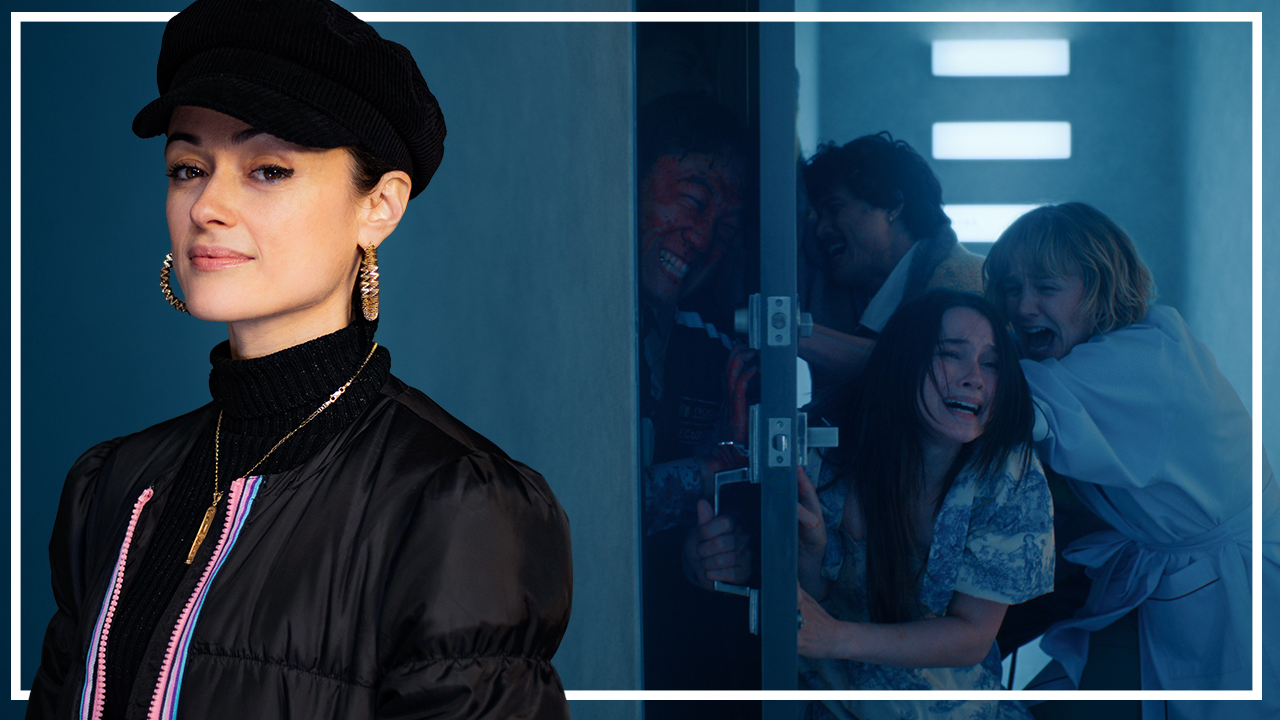
Mahfouz’s move to Los Angeles approximately eight months before securing her role on Beef Season 2 signaled a deliberate shift in her career focus towards television. She recognized that many creators and visionaries she admired were concentrating their efforts in the TV landscape, making it a logical next step for her ambitious artistic pursuits. Despite this focus, her creative output remained broad, with ongoing work on theater scripts and a recently completed non-fiction book.
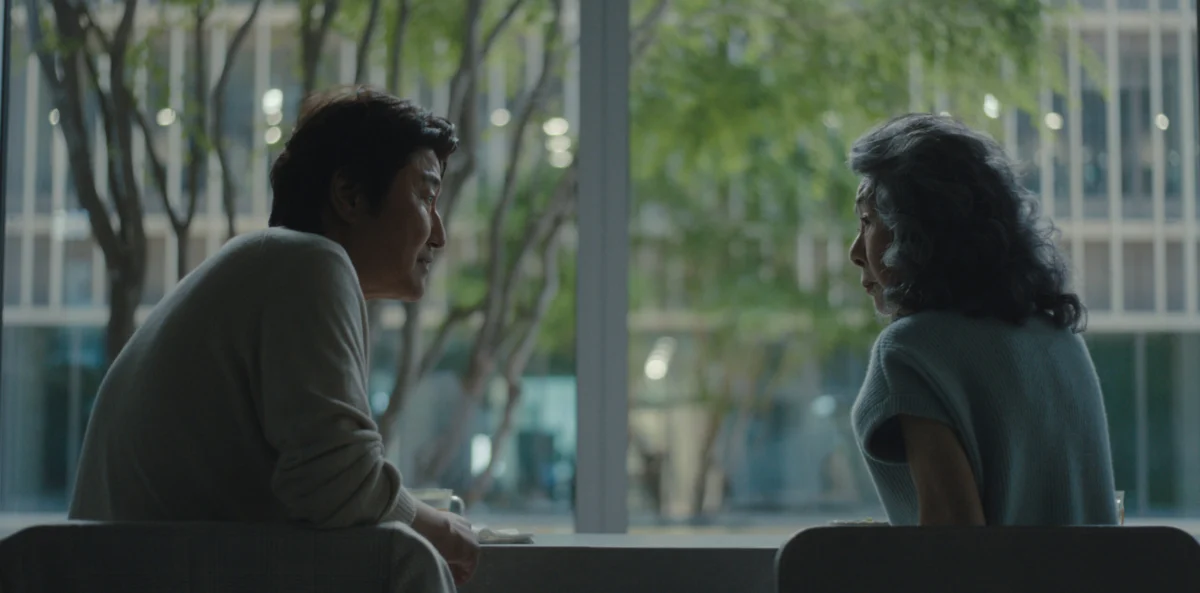
The opportunity to join Beef was, by her own account, perfectly timed. Having watched the first season prior to its public release, Mahfouz was profoundly impressed. The series, lauded for its darkly comedic exploration of two strangers whose road rage incident escalates into a prolonged, life-altering feud, resonated deeply with her. She described herself as "completely blown away," finding that the show achieved in its 30-minute episodes what she had long aspired to do in theater—pushing the boundaries of the medium. The visceral impact of Beef Season 1, on entertainment, emotional, and artistic levels, made the prospect of contributing to its continuation exceptionally exciting. The first season, starring Steven Yeun and Ali Wong, garnered immense critical acclaim, winning numerous awards, including multiple Primetime Emmy Awards, for its writing, direction, and performances, setting a high bar for its successor. The announcement of a second season, reportedly featuring an expanded ensemble cast including Oscar Isaac, Carey Mulligan, Charles Melton, and Cailee Spaeny, alongside veteran Korean actors Song Kang-ho and Youn Yuh-jung, only intensified the anticipation within the industry and among fans, promising an even broader exploration of human conflict and connection.
The Shadow of the WGA Strike: An Unforeseen Challenge
However, the timing of Mahfouz’s dream job coincided with an unprecedented disruption in the entertainment industry: the 2023 Writers Guild of America (WGA) strike. The strike, which began on May 2, 2023, and lasted for 148 days until September 27, 2023, brought Hollywood to a virtual standstill. Writers, including Mahfouz, were protesting against inadequate compensation in the streaming era, the erosion of the writers’ room model, and the existential threat posed by artificial intelligence to their profession. The core demands centered on fairer residual payments, increased minimum staffing in writers’ rooms, and protections against AI being used to generate scripts or rewrite their work without compensation.
For Mahfouz, the strike’s onset was jarring. "Literally the day after we all met, the first day of the writers’ room was the strike," she recounted. Her elation at securing her "dream TV job" quickly turned to uncertainty. As someone relatively new to the U.S. and unfamiliar with the intricacies and potential longevity of a strike, the prospect of being unable to work in a city where she lacked a support system was daunting. The economic implications for writers were severe, with many facing significant financial hardship due to the prolonged work stoppage. Mahfouz’s personal experience mirrored that of many, forcing her to return to the UK due to the inability to work and sustain herself in LA. This confluence of "best and worst timing" highlighted the precarious nature of creative careers, even at the cusp of significant professional breakthroughs. The WGA strike ultimately cost the California economy an estimated $5 billion, impacting not just writers but also crew members, actors, and numerous ancillary businesses.
Creative Resilience: Post-Strike Dynamics in the Writers’ Room
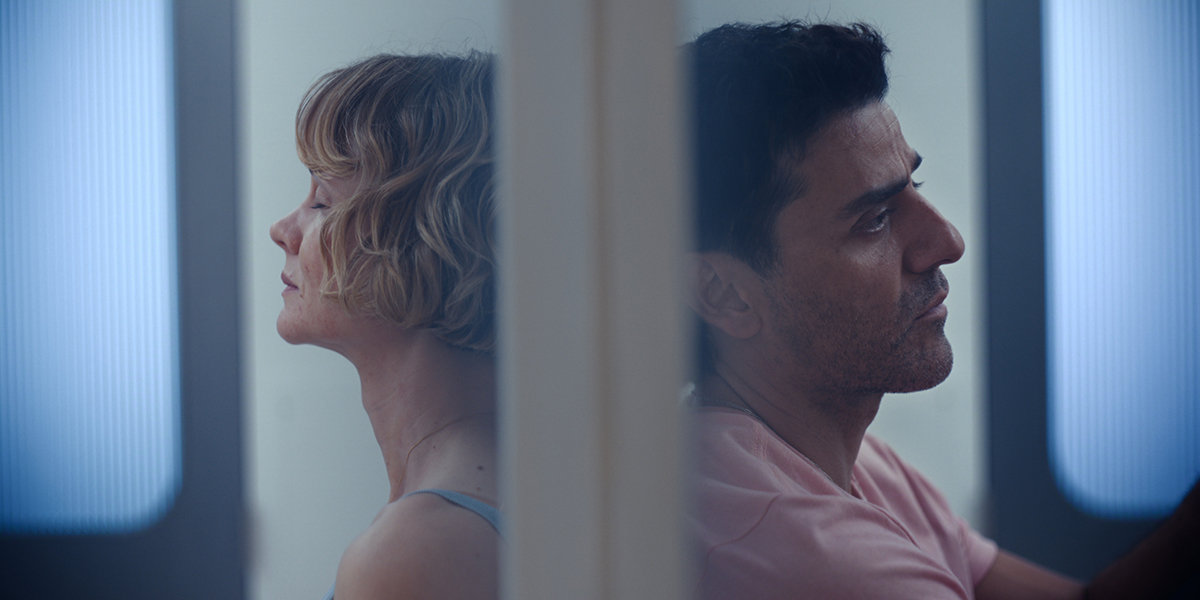
The eventual resolution of the WGA strike in late September 2023 allowed writers’ rooms, including that for Beef Season 2, to reconvene. The return to work, however, was imbued with a unique energy born from the preceding period of enforced idleness. Mahfouz observed that everyone came back with "extra energy of wanting to get everything done and to dive into this world straightaway." Unlike situations where writers might transition directly from one project to another without a break, the strike provided an involuntary "refresher period" that, paradoxically, may have fueled a renewed vigor and focus.
The experience of the strike also cultivated a greater comfort with uncertainty within the writers’ room. Mahfouz noted, "there’s no guarantees about anything anywhere, so that’s fine. We’ll just keep going until we find the right thing." This philosophical acceptance of unpredictability likely influenced the creative process, potentially allowing for more organic development of story arcs and character journeys without the pressure of rigid pre-conceived notions. The strike’s themes—class disparities, the precariousness of employment, and the struggle for fair compensation—resonated deeply with the societal issues Beef often explores. While not a conscious decision at the time, Mahfouz later acknowledged that "a few elements there that probably did come from having just experienced that time of uncertainty with careers and employment" likely bled into the narrative, particularly in exploring internal conflicts, employer-employee dynamics, and the compromises individuals make in their lives. The show’s ability to mirror contemporary anxieties, even those indirectly experienced by its creators, adds another layer of relevance to its storytelling.
Unpacking ‘Beef’s’ Core Themes: Self-Deception and Identity
At its heart, Beef is a show that thrives on the intricate examination of human flaws and the often-absurd lengths people go to maintain a façade, both for others and for themselves. Mahfouz found particular resonance in themes centered around "somebody trying hard to keep the image of themselves alive to themselves." This metaphorical fight for existence, where a character’s failure to uphold their carefully constructed identity feels akin to a literal death, is a powerful dramatic engine. The moment of reckoning, when characters confront the artificiality of their self-perception, is described as immensely "satisfying to watch."
The series expertly navigates the fine line between likability and authenticity, embracing the messiness of human nature. This approach is "catnip" for writers, as it frees them from the constraints of crafting conventionally heroic or sympathetic protagonists. Instead, the focus shifts to exploring complex issues and deep-seated insecurities. Mahfouz explained that in the Beef writers’ room, character flaws were not merely cataloged but emerged organically through the development of the story’s action. Instead of a deep dive into static character traits, the process involved imagining scenarios and observing how characters, even those not yet fully defined, would react. "It was finding their flaws as we were going along building the story," she stated, highlighting an iterative and dynamic approach to character development that prioritizes action and consequence.
Crafting Conflict: The Art of Nuance in ‘Beef’
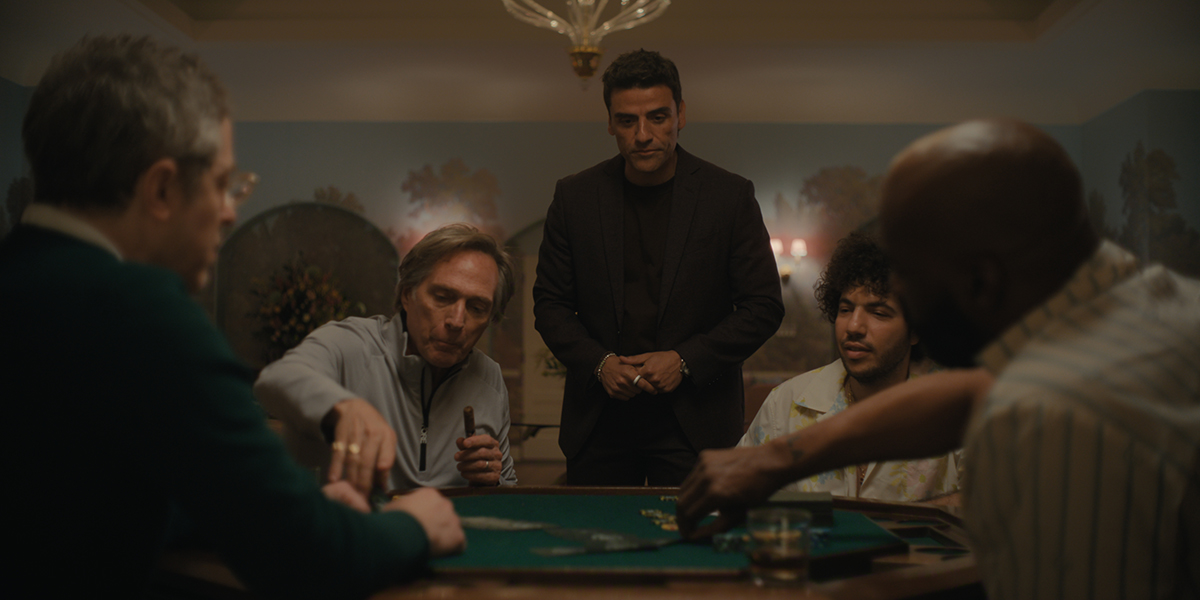
Conflict is the lifeblood of Beef, and Mahfouz’s insights into its portrayal reveal a sophisticated understanding of human interaction. Drawing parallels to the legal profession, a career path she might have pursued had she not become a writer, Mahfouz emphasizes her love for argument and the necessity of interrogating one’s own reasons for beliefs. This mindset translates into a preference for nuance in conflict, moving beyond simplistic opposing extremities of beliefs or ideologies.
She finds the subtle differences between seemingly similar individuals more compelling than stark contrasts. The drama lies in recognizing that "every single person sees everything so differently," even when their backgrounds or general sensibilities align. Beef excels at depicting these simmering, underlying tensions, where characters might outwardly get along while harboring profound disagreements. This approach of "keeping it going" allows for a deeper exploration of how much friction a relationship can withstand before it breaks, creating a more realistic and compelling portrayal of interpersonal dynamics than outright, immediate hostility.
The Intricacies of Relationship Writing: Couples on the Brink
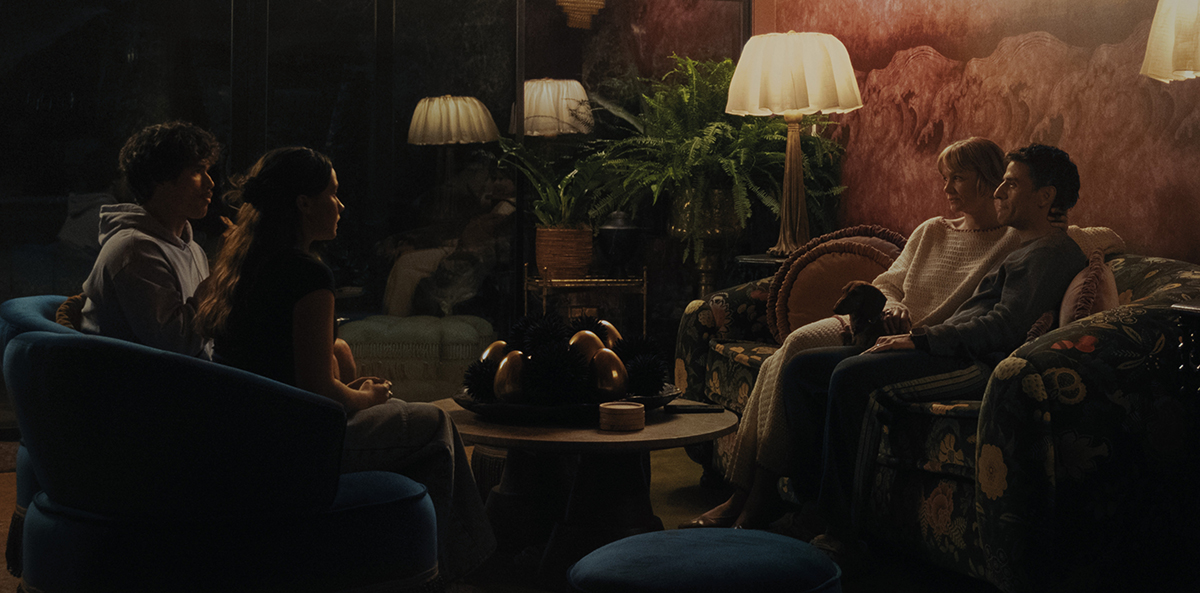
When it comes to writing couples, Mahfouz gravitates towards those who, despite shared backgrounds and sensibilities, harbor subtle yet significant differences in perception. She points to the "younger married couple" in Beef as an example, where an initial impression of perfect alignment slowly gives way to the revelation of divergent viewpoints. This unexpected discovery of misalignment, rather than overt conflict, is what she finds most exciting.
The process involves creating scenarios where these "tiny nuances appear and are picked up on," allowing characters to gradually understand where they are not on the same page. These moments aren’t always explosive arguments; sometimes, they are quiet recognitions, "I’m going to save that for later." This seeding of subtle disagreements, which may or may not escalate into something significant, provides a satisfying narrative arc. It allows for the gradual accumulation of emotional weight, where small discrepancies in perspective can eventually build into profound fissures, mirroring the complexities of real-life relationships. This nuanced approach to marital and relational conflict is a hallmark of Beef‘s distinctive storytelling.
The Enduring Legacy of Libraries: A Foundation for Storytelling
Beyond her immediate work on Beef, Mahfouz underscored the profound and foundational role of libraries in her life and career, a statement that gains particular poignancy given the ongoing budget cuts impacting libraries in the U.S. and other regions. As reported by various news outlets, including NPR, public libraries across the United States have faced significant funding reductions, leading to decreased operating hours, staff layoffs, and cuts to vital programs and resources. These cuts often disproportionately affect underserved communities, limiting access to information, technology, and educational opportunities.
For Mahfouz, libraries were not merely repositories of books but formative spaces where she "definitely would not have gotten into storytelling" without them. They served as a gateway to diverse narratives, exposing her to "all the different kinds of ways that stories can be told." Libraries provided an egalitarian environment, "full of books for everyone’s taste," allowing her to explore a vast array of perspectives and connect with the broader world through the written word. More than just access to fiction, libraries, in her view, foster a crucial connection to the real world, serving as unparalleled community hubs for learning, discovery, and cultural engagement.
The implications of library budget cuts are far-reaching. Beyond the loss of physical books, libraries offer free internet access, job search assistance, literacy programs, and safe spaces for vulnerable populations. They are vital pillars of democratic societies, ensuring equitable access to knowledge and fostering intellectual curiosity. Mahfouz’s testimony serves as a powerful reminder of the irreplaceable value of these institutions, not only for aspiring artists but for the health and enrichment of entire communities.
Looking Ahead: Mahfouz’s Continued Creative Trajectory
Sabrina Mahfouz’s multifaceted career continues to evolve, marked by a commitment to impactful storytelling and an impressive adaptability across platforms. Her contributions to Beef Season 2 promise to infuse the acclaimed series with her distinctive voice and keen understanding of human psychology, further cementing the show’s reputation for compelling and nuanced drama. As she navigates future projects, from theatrical productions with esteemed directors like Danny Boyle to children’s television series, Mahfouz stands as a testament to the power of a "writer’s writer"—one who not only crafts narratives but also deeply understands the intricate mechanics of human conflict and the profound societal role of storytelling itself. Her journey underscores the resilience required in the creative industries, especially in the face of widespread challenges like the WGA strike, and the enduring importance of foundational institutions like libraries in nurturing the next generation of storytellers.