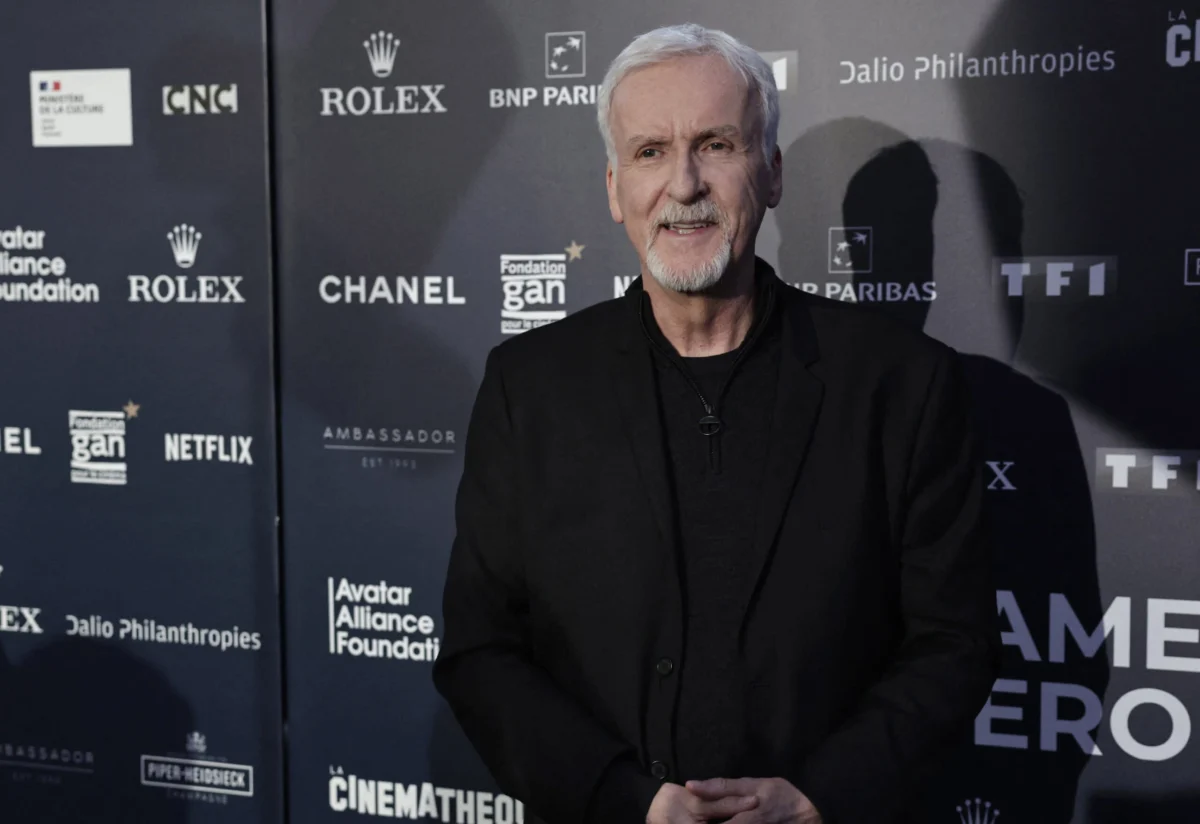
James Cameron, the Academy Award-winning director behind cinematic milestones such as "Titanic" and "Avatar," has issued a stark warning to federal lawmakers regarding the proposed acquisition of Warner Bros. Discovery’s film studio by Netflix. In a detailed letter sent to Senator Mike Lee (R-Utah), Chairman of the Senate Subcommittee on Antitrust, Competition Policy, and Consumer Rights, Cameron characterized the potential merger as a catastrophic event for the theatrical industry, comparing the future of the cinema-going experience to a "sinking ship" should the deal proceed. The correspondence, obtained by CNBC and reported here for the first time, marks a significant escalation in the industry-wide resistance to the consolidation of traditional Hollywood powerhouses into the hands of Silicon Valley streaming giants.
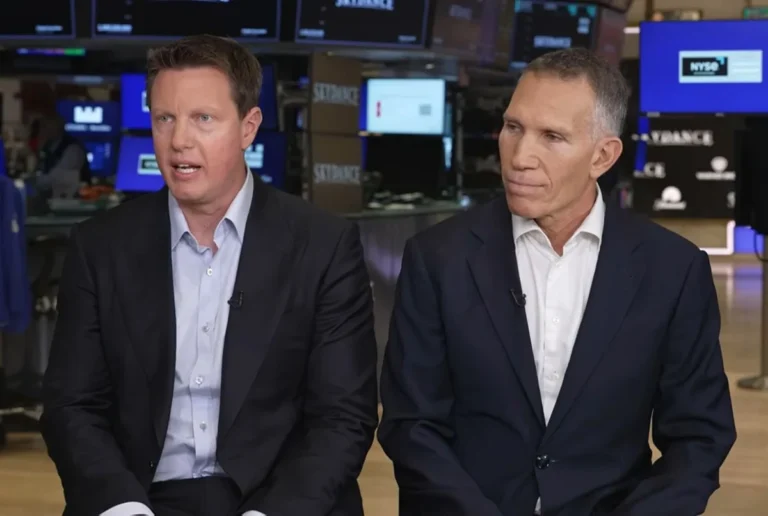
The letter follows a high-profile Senate hearing held on February 3, where the subcommittee examined the competitive impacts of the Netflix-Warner Bros. transaction. During that session, Netflix co-CEO Ted Sarandos and Warner Bros. Discovery (WBD) executive Bruce Campbell defended the deal as a necessary evolution in a fragmenting media landscape. However, Cameron, who has dedicated his career to pushing the technological and experiential boundaries of the big screen, argues that the fundamental business model of Netflix is "directly at odds" with the preservation of the theatrical motion picture business.
The Director’s Warning: A Sinking Ship for Cinema
Cameron’s primary concern centers on the survival of the theatrical window—the period during which a film plays exclusively in cinemas before moving to home viewing platforms. In his letter to Senator Lee, Cameron expressed a deep-seated fear that the acquisition would lead to a dramatic reduction in the number of films produced for wide theatrical release. He noted that Warner Bros. currently releases approximately 15 theatrical films per year, a volume that serves as a critical lifeline for theater operators struggling to recover from post-pandemic shifts in consumer behavior and the impact of recent industry strikes.
"I believe strongly that the proposed sale of Warner Brothers Discovery to Netflix will be disastrous for the theatrical motion picture business that I have dedicated my life’s work to," Cameron wrote. While acknowledging that his films eventually find success in "downstream" video markets, he emphasized that his "first love is the cinema." The director, known for pioneering 3D production systems and high-frame-rate technology, argued that the theatrical experience is not merely a distribution method but a critical component of his "creative vision."
The metaphor of the "sinking ship" was a deliberate nod to his 1997 blockbuster "Titanic." Cameron cautioned that once a major movie studio is absorbed by a streaming entity that has historically viewed theaters as "outdated," the damage becomes irrevocable. "That ship has sailed," he wrote. "I am very familiar not only with ships that sail, but also those that sink. And the theatrical experience of movies could become a sinking ship."
Antitrust Concerns and the Competitive Landscape
The Senate subcommittee is currently scrutinizing the deal through the lens of the Sherman and Clayton Antitrust Acts, focusing on whether the merger would substantially lessen competition or tend to create a monopoly in the entertainment sector. Senator Mike Lee confirmed that his office has received outreach from various actors, directors, and industry stakeholders who share Cameron’s apprehensions.
"We have received outreach from actors, directors, and other interested parties about the proposed Netflix and Warner Brothers merger, and I share many of their concerns," Senator Lee said in a statement. He indicated that a follow-up hearing would be necessary to address the complexities of the merger, particularly regarding how it might affect consumer prices and the diversity of content available to the American public.
The transaction would bring together two of the world’s most dominant streaming services. As of late 2025, Netflix boasted approximately 325 million global subscribers, while WBD’s HBO Max (operating under the "Max" brand) held 128 million. Critics argue that merging these platforms would create an entity with unprecedented gatekeeping power over digital distribution, potentially leading to higher subscription costs and fewer choices for creators looking to sell their projects.
Adding to the complexity is a rival bid from Paramount Skydance. The Skydance-led group has launched a hostile tender offer to acquire the entirety of Warner Bros. Discovery, leveraging arguments similar to Cameron’s. They contend that a merger with a traditional production partner like Skydance would preserve the "studio system" and ensure a continued commitment to theatrical releases, unlike a takeover by a digital-first platform like Netflix.

Netflix’s Defense: Innovation and Economic Investment
In response to the mounting criticism, Netflix has mounted a robust defense centered on economic growth and job preservation. In written testimony submitted to the Senate, the company outlined a massive $20 billion planned investment in film and television production for 2026. Netflix executives argued that the majority of this capital would be spent within the United States, supporting thousands of jobs in production hubs like New Mexico and a planned state-of-the-art studio complex in New Jersey.
Ted Sarandos, Netflix’s co-CEO, has consistently framed the deal as "pro-consumer, pro-innovation, and pro-worker." During a recent earnings call, Sarandos pushed back against the notion that Netflix would dismantle the Warner Bros. infrastructure. He stated that Netflix intends to "expand content creation, not collapse it," and expressed a desire to retain the expertise of the WBD teams.
Addressing the theatrical concern specifically, Netflix has pledged to maintain a 45-day theatrical window for major Warner Bros. films. The company argued that it is acquiring these assets to "build them up," not to shut them down. However, skeptics like Cameron point to Sarandos’ past comments where he referred to movie theaters as an "outmoded idea" and told investors that "driving folks to a theater is just not our business." Cameron’s letter questioned whether these new verbal commitments would "evaporate in a few years" once the acquisition is finalized and the regulatory pressure subsides.
A Chronology of Industry Upheaval
The proposed Netflix-WBD deal is the latest in a series of seismic shifts that have redefined Hollywood over the last decade. To understand the gravity of Cameron’s warning, one must look at the timeline of consolidation:
- 2018: AT&T acquires Time Warner for $85 billion, attempting to integrate content and distribution.
- 2022: AT&T spins off WarnerMedia, which merges with Discovery Inc. to form Warner Bros. Discovery, a move aimed at scaling up to compete with Netflix and Disney+.
- 2023-2024: WBD struggles with significant debt loads and a fluctuating advertising market, leading to rumors of further consolidation.
- December 2025: Netflix officially announces its intent to acquire WBD’s film studio and streaming assets, sparking immediate pushback from the creative community.
- February 2026: The Senate Subcommittee on Antitrust holds its first hearing, featuring testimony from Sarandos and Campbell. James Cameron’s letter is delivered shortly thereafter.
This chronology highlights a trend where historic studios—the "Big Five" that once included Disney, Warner Bros., Universal, Paramount, and Sony—are increasingly vulnerable to acquisition by tech-centric conglomerates.
Broader Implications: Jobs, Exports, and Cultural Leadership
Beyond the artistic and competitive arguments, Cameron’s letter touched on the geopolitical and economic significance of the American film industry. He noted that while the United States may have lost its dominance in sectors like auto manufacturing or steel, it remains the undisputed world leader in high-quality cinema.
"The US may no longer lead in auto or steel manufacturing, but it is still the world leader in movies," Cameron wrote. He warned that a Netflix-WBD merger could weaken this export sector. Films produced for global theatrical release generate billions of dollars in foreign revenue and serve as a primary vehicle for American "soft power." Cameron argued that if the studio system is dismantled in favor of a subscription-based streaming model, the volume of high-budget, technologically advanced films that define American cultural output will inevitably decline.
This sentiment aligns with recent trade policy discussions within the Trump administration. President Donald Trump has previously suggested that Hollywood’s output should be protected as a vital American export, even floating the idea of tariffs or trade protections to ensure the industry’s health. Cameron’s appeal to the Senate subcommittee taps into this broader national interest, suggesting that the loss of a major independent studio like Warner Bros. would be a blow to the U.S. economy.
Conclusion: The Path Forward
The fate of the Netflix-Warner Bros. Discovery deal now rests in the hands of federal regulators and the Department of Justice, with the Senate subcommittee playing a pivotal role in shaping public and political opinion. James Cameron’s intervention has provided a powerful voice for the "traditionalist" faction of Hollywood, emphasizing that the value of a movie studio cannot be measured solely by its library of content or its subscriber count, but by its commitment to the communal, big-screen experience.
As the subcommittee prepares for its next round of hearings, the industry remains on edge. If the deal is approved, it could signal the end of the traditional studio era and the beginning of a new, streamer-dominated epoch. If blocked, it may force Warner Bros. Discovery to seek alternative partnerships—perhaps with Skydance or other traditional media players—that Cameron and his peers believe would better serve the future of the "sinking ship" that is the American theatrical experience. For now, the "Titanic" director has made his position clear: the survival of the cinema depends on maintaining the independence of the institutions that built it.