
The 2026 Indian Film Festival of Los Angeles (IFFLA) has once again served as a vibrant platform for cinematic exploration, showcasing a diverse range of narratives that resonate with universal human experiences. Among the standout selections this year is Shuchi Talati’s poignant short film, “Hidden Sun,” a profound meditation on rekindling passion and confronting the emotional landscapes within long-term relationships. Presented as part of the festival’s curated program, the film has sparked considerable discussion for its subtle yet powerful exploration of intimacy, desire, and the transformative nature of art.
IFFLA, an annual event that has become a cornerstone for South Asian cinema in North America, typically features a robust lineup of features, documentaries, and shorts from India and its diaspora. Established in 2003, the festival aims to celebrate and promote Indian cinema, fostering cultural exchange and providing a vital platform for emerging and established filmmakers. The 2026 edition, held from April 15th to April 22nd, continued this tradition, drawing industry professionals, critics, and cinephiles to Los Angeles. “Hidden Sun” was strategically programmed within a block of short films designed to explore themes of connection and identity, a choice that amplified its impact.
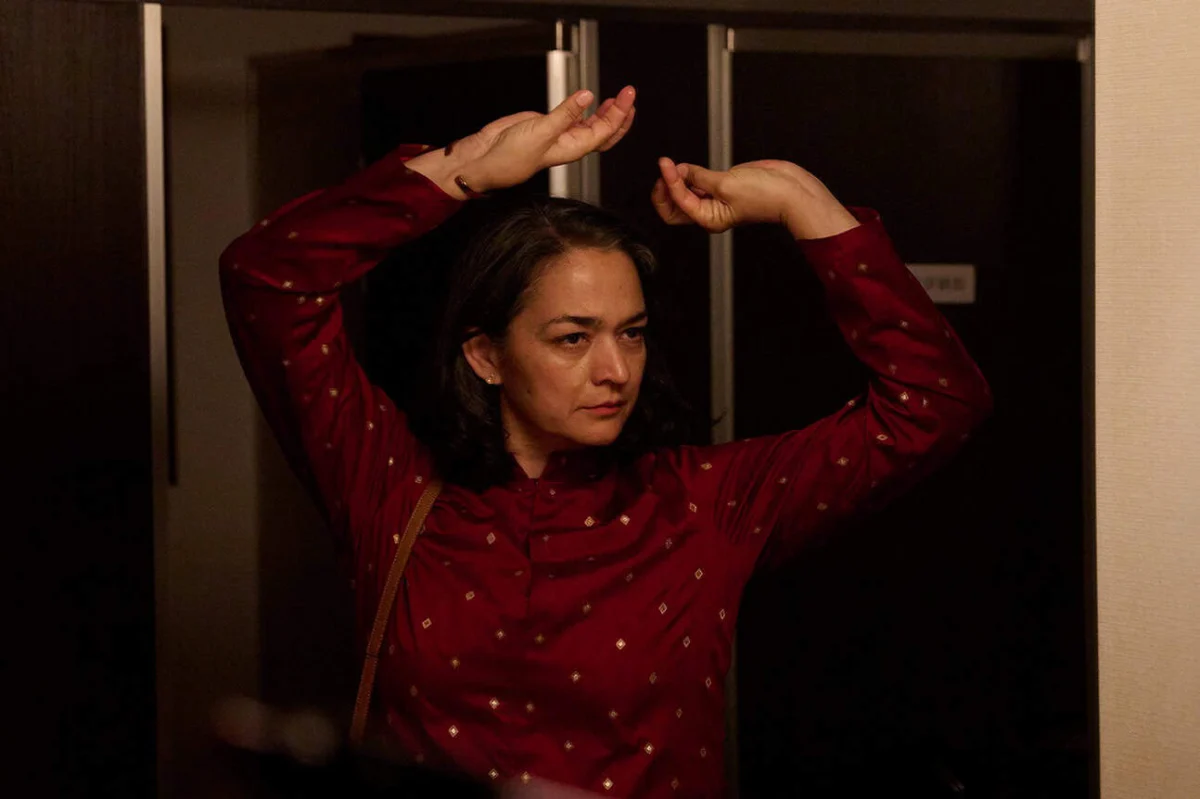
The film opens with a mesmerizing flamenco performance by Mako, portrayed by Mieko Harada. The dance itself is a powerful visual metaphor, evoking a sense of intense emotion—love, pain, and raw feeling—that can lead to a spiritual connection. The staging, with a play of light suggesting a hidden or perhaps extinguished sun and a suggestive sculpture, immediately sets a tone of introspection. This powerful opening serves as a catalyst for the film’s central characters: an astrophysicist professor and his wife, an ethics professor, who are in attendance. Their captivated reactions to the dance signal a deep, unspoken yearning within their own lives, a feeling that the performance has awakened. The very title, "Hidden Sun," thus becomes a potent symbol for dormant desires and unexpressed emotions lying beneath the surface of their seemingly ordered existence.
Shuchi Talati, the writer and director, crafts a narrative that delicately peels back the layers of a marriage that, while outwardly stable, appears to have lost its vital spark. The story, born from a concept by Monona Wali, delves into the intellectual lives of the professors, suggesting that their academic pursuits may have inadvertently led them to detach from the fundamental pleasures of the senses. Mako’s presence, far from instigating a typical midlife crisis, acts as a catalyst for a resurgence of sensuality, prompting a re-evaluation of their emotional and perhaps physical intimacy. The film masterfully navigates the delicate balance between fascination and potential disruption, leaving the audience to question whether the intrusion of this vibrant, enigmatic dancer will lead to the couple’s implosion or their reawakening.
The narrative carefully builds ambiguity through scenes where both the husband and wife separately encounter Mako after the performance. Her sensuality and direct allusions to sex confront them, highlighting the stark contrast with their own reserved domesticity. The film’s depiction of their home life is intentionally “overly tidy and organized,” a clear visual metaphor for the emotional and sexual sterility that has crept into their long-standing union. The implication is that despite years of shared life, genuine intimacy and passion have been conspicuously absent, a realization that becomes central to their journey.
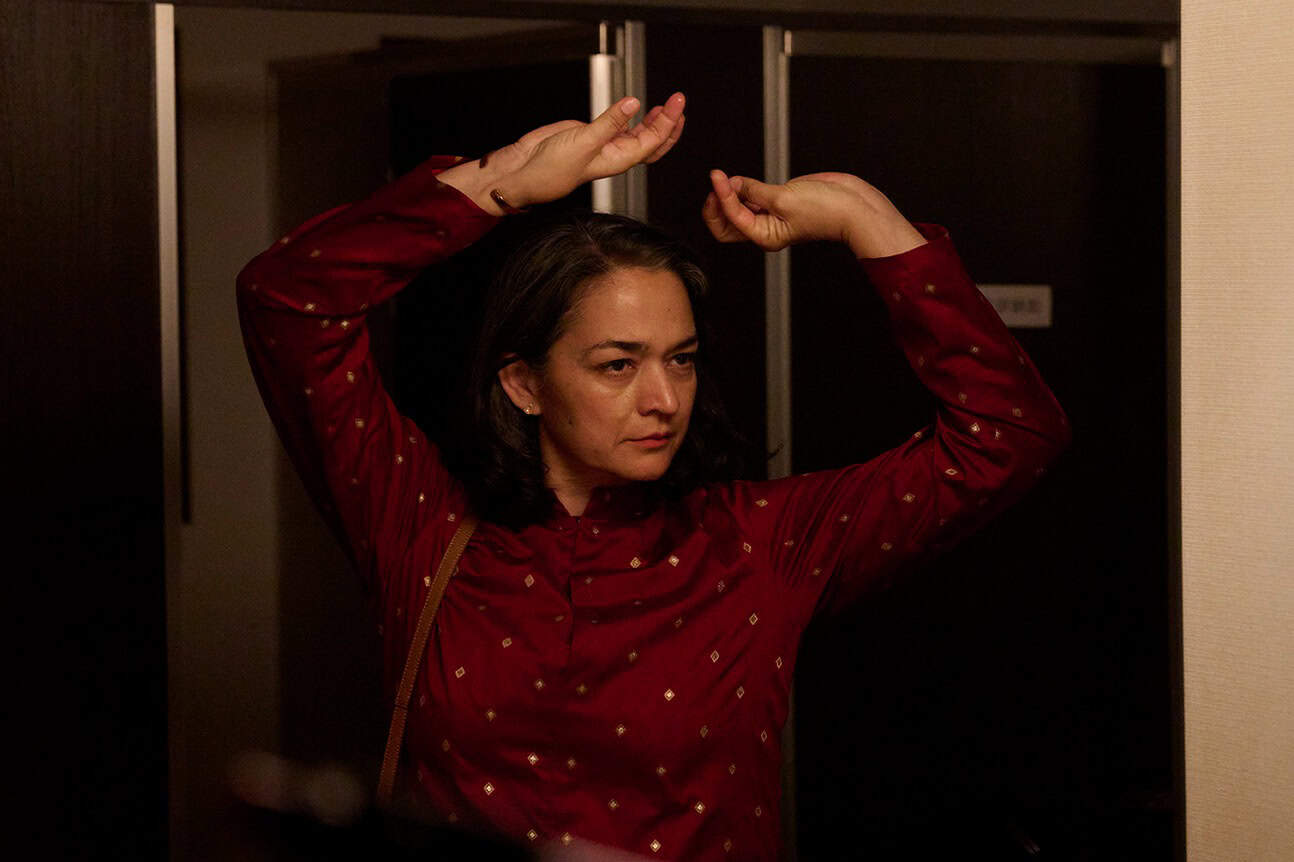
A significant achievement of “Hidden Sun” lies in its visual storytelling. The film eschews extensive dialogue, relying instead on nuanced performances and evocative imagery to convey complex emotions. Mako’s dance, described as simultaneously complex yet fluid, controlled yet free, mirrors the understated yet effective direction by Talati. Within its concise runtime of approximately 20 minutes, the film manages to capture a profound emotional arc, demonstrating a sophisticated understanding of cinematic language. This visual economy is crucial in conveying the internal shifts experienced by the professors, allowing the audience to infer their unspoken thoughts and burgeoning desires.
The performances by Kazuki Kitamura and Samiya Mumtaz, who portray the professor and his wife respectively, are pivotal to the film’s success. They imbue their characters with a quiet longing, a hesitant reawakening of emotions long suppressed. Their portrayal of timid individuals tentatively exploring newfound desires is particularly compelling. The film culminates in a scene where they are presented with an opportunity to express their feelings through dance. The handling of this potentially awkward situation, which could easily have veered into discomfort, is managed with remarkable grace by the actors, suggesting a shared vulnerability and a tentative step towards reconnection. This scene, in particular, highlights the film’s thematic resonance; the professors’ journey mirrors a broader human experience of rediscovering passion and intimacy, often requiring a willingness to embrace awkwardness and vulnerability.
The film’s thematic exploration of potential threesomes between older adults, and more broadly, the vulnerability inherent in opening oneself up emotionally and physically, invites the audience to reflect on their own experiences. The “ungainly dancing” alluded to in the film can be interpreted as a metaphor for the awkward, yet ultimately beautiful, process of vulnerability and self-discovery in relationships. The final sentence of the original review, "Perhaps we also have hidden suns to attend to," serves as a powerful invitation for self-reflection, suggesting that the film’s themes are not confined to its characters but resonate universally. This introspective quality has been a hallmark of many critically acclaimed films screened at IFFLA over the years, with past editions often highlighting narratives that challenge societal norms and delve into the complexities of human connection. For instance, the 2025 edition featured several films exploring intergenerational relationships and the evolving definition of family, indicating a consistent festival focus on nuanced portrayals of human bonds.
The inclusion of a trailer for “Hidden Sun” on platforms like YouTube has further amplified its reach, allowing potential viewers to glimpse its artistic vision and thematic depth. The trailer, characterized by its evocative imagery and the melancholic beauty of flamenco, offers a compelling preview of the film’s emotional landscape. This digital presence is increasingly vital for short films, especially those premiering at festivals, as it extends their life beyond the screening halls and engages a wider audience. The engagement metrics for such trailers often serve as an early indicator of a film’s resonance and potential for broader distribution.
The astrophysicist’s understanding of celestial bodies, juxtaposed with his apparent inability to comprehend the ‘sun’ within his own marriage, forms a core irony of the film. This intellectual prowess, divorced from emotional intelligence, underscores the film’s central argument: that true understanding and fulfillment often lie not in abstract knowledge, but in the tangible, visceral experiences of human connection and passion. The ethics professor’s role further adds a layer of complexity, as her academic discipline might be expected to inform her understanding of relational dynamics, yet she too appears ensnared by the monotony of their shared life.
The success of “Hidden Sun” at IFFLA 2026 underscores the festival’s commitment to showcasing films that are not only artistically meritorious but also thematically rich and culturally relevant. The film’s exploration of mature relationships and the rekindling of passion offers a counter-narrative to the often youth-centric focus of cinematic portrayals of romance and desire. Its understated approach and reliance on visual storytelling have earned it critical praise, marking it as a significant contribution to the short film landscape and a memorable highlight of the festival. The implications of such films extend beyond mere entertainment; they provoke dialogue about the nature of long-term relationships, the importance of sustained emotional and physical intimacy, and the courage required to confront and reignite dormant passions, even in the twilight years of life. This thoughtful examination of universal human experiences ensures that "Hidden Sun" will continue to resonate with audiences long after the festival concludes.