


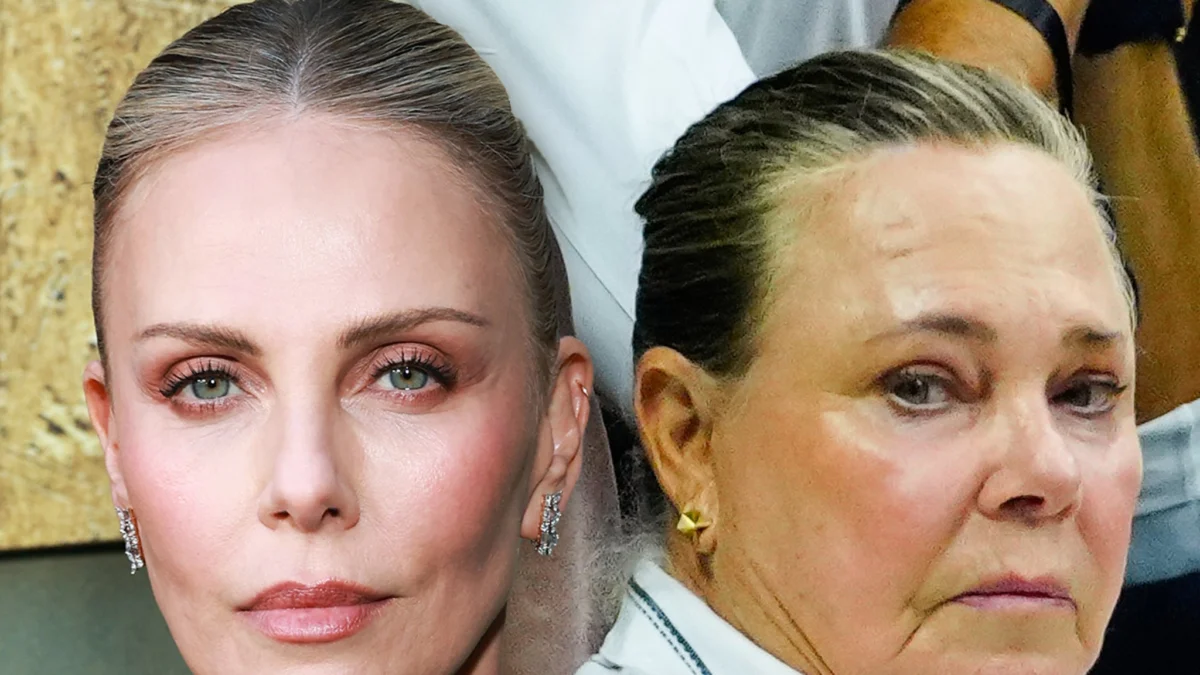
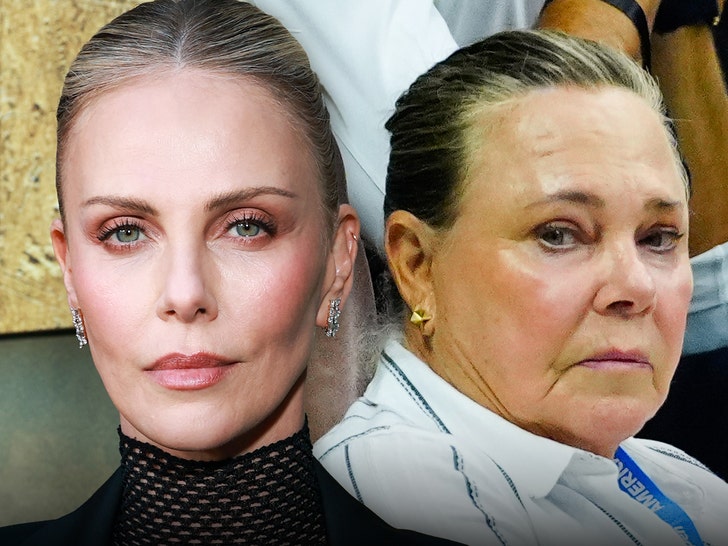
Academy Award-winning actress Charlize Theron has once again opened up about one of the most profoundly traumatic and defining moments of her life: the night her mother, Gerda Maritz, shot and killed her father, Charles Theron, in an act of self-defense. This harrowing revelation, detailed in a recent New York Times interview published on April 18, 2026, revisits the chilling events of June 21, 1991, when Theron was just 15 years old. The candid discussion offers a rare glimpse into the personal crucible that forged the resilient woman and formidable actress the world knows today, moving beyond the sensational headlines to provide context and purpose to her past trauma. Theron’s willingness to share this intensely personal narrative underscores her commitment to destigmatizing discussions around domestic violence and empowering survivors worldwide, transforming a horrifying memory into a powerful message of survival and advocacy.
The Night That Changed Everything: A Detailed Account
The incident unfolded in the family home in Benoni, South Africa, a small mining town east of Johannesburg. Charles Theron, Charlize’s father, had a well-documented history of severe alcoholism and abusive behavior, which had cast a dark shadow over the family for years. On that fateful night in June 1991, his aggressive tendencies escalated to a terrifying climax. Theron recounted to the New York Times that her father returned home in an intoxicated rage, armed with a gun. His behavior quickly became violent, as he began to blast his way into the family home, explicitly stating his intention to kill his wife and daughter. This was not an isolated incident but the culmination of years of chronic abuse and threats, creating an environment of constant fear and instability for young Charlize and her mother.
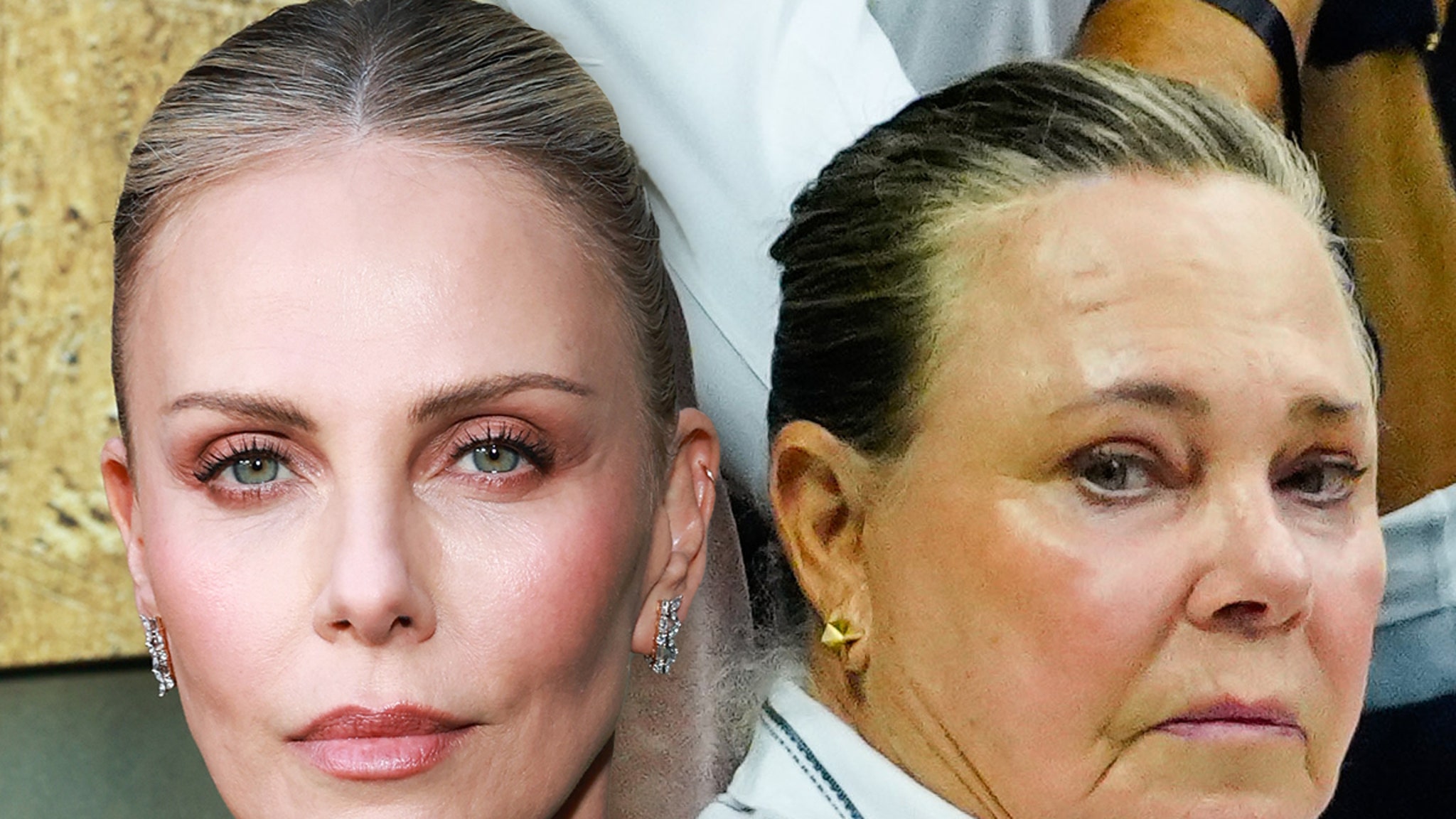
As Charles Theron stormed the house, Charlize and Gerda barricaded themselves in a bedroom, desperately attempting to protect themselves from his violent outburst. The terrifying reality of their situation became clear as bullets pierced through the bedroom door, narrowly missing them. The immediate danger was palpable; their lives were unequivocally threatened. In that moment of extreme peril, Gerda Maritz made a life-or-death decision. Recognizing the imminent threat to her and her daughter’s lives, she retrieved her own firearm and fired back, fatally wounding Charles Theron. The subsequent investigation by South African authorities meticulously examined the circumstances, ultimately ruling the shooting as an act of self-defense. This legal determination acknowledged the severe and immediate danger Gerda and Charlize faced, validating the mother’s desperate actions to protect her child and herself from a violent aggressor. The ruling spared Gerda Maritz any criminal charges, but the emotional scars left by that night would forever shape the lives of Charlize and her mother.
Legal Framework and the Concept of Self-Defense
The ruling of self-defense in the shooting of Charles Theron highlights a critical aspect of legal justice systems worldwide: the right of an individual to protect themselves or others from imminent harm. In South African law, similar to many jurisdictions, self-defense is a complete defense against criminal charges, including murder, if certain conditions are met. These conditions typically include the presence of an unlawful attack, the imminence of the danger, the necessity of the defensive act, and proportionality between the threat and the defense. Gerda Maritz’s actions were evaluated within this framework, where the court likely considered Charles Theron’s history of violence, his armed and intoxicated state, his explicit threats to kill, and the fact that he was actively firing a weapon into a room where his family was hiding. The penetration of bullets through the bedroom door provided irrefutable physical evidence of the immediate and lethal threat, substantiating the claim that Gerda’s response was a necessary and proportionate measure to avert a greater tragedy.
The legal affirmation of self-defense, while providing a degree of closure, does not erase the psychological toll of such an event. For survivors of domestic violence, the act of self-preservation, even when legally justified, often comes with profound emotional complexities. The legal process, though critical, is but one chapter in a much longer journey of healing and reconciliation with the past. Understanding the legal context of the incident is crucial to comprehending why Gerda Maritz was not prosecuted and how the event, despite its violent nature, was officially recognized as an act born out of desperate necessity rather than malice. This official recognition plays a significant role in Theron’s narrative, providing a factual basis for her mother’s actions and allowing her to speak about the incident without ambiguity regarding its legality.
From Silence to Advocacy: Charlize Theron’s Evolving Narrative
For many years following the traumatic event, Charlize Theron maintained a veil of privacy around her family’s past, a common coping mechanism for individuals who have experienced profound trauma. However, as her career flourished and her public platform grew, Theron gradually began to open up about the incident, moving from subtle allusions to more explicit and detailed accounts. Her journey of sharing her story reflects a powerful progression from personal grief to public advocacy. Early interviews would often touch upon her challenging upbringing and her father’s alcoholism, but it was in more recent years that she began to explicitly detail the circumstances of his death. Notably, in a 2017 interview with Howard Stern and later with NPR in 2019, Theron articulated the self-defense aspect, emphasizing that the event was a desperate act to save her and her mother’s lives. The New York Times interview serves as the latest and perhaps most comprehensive revisit to this deeply personal history, offering a matured perspective on her healing process and her motivation for speaking out.
This gradual unveiling of her past aligns with a broader societal shift towards greater openness about mental health and trauma. Theron’s decision to speak out is not merely a recounting of personal history but a conscious act of solidarity with countless others who have endured similar circumstances. She explicitly stated in the New York Times interview that her motivation stems from a desire to help those affected by domestic violence feel "less alone." Her public persona, often characterized by her portrayal of fierce, resilient, and "battle-tested" characters in films such as "Mad Max: Fury Road," "Atomic Blonde," and her Oscar-winning role in "Monster," is undeniably shaped by her lived experience. This instinct to fight, endure, and push forward, visible in her on-screen performances, was clearly forged in the crucible of her childhood long before she ever stepped onto a Hollywood set. Her career choices are not merely coincidental but often reflect a deeper connection to themes of survival, strength, and overcoming adversity, resonating with her own personal narrative of resilience.
The Broader Impact: Shining a Light on Domestic Violence
Charlize Theron’s decision to publicly revisit such a painful chapter of her life carries significant weight, especially in the ongoing global conversation surrounding domestic violence. Her celebrity status amplifies the reach of her message, bringing much-needed attention to an issue that often remains hidden behind closed doors due to stigma, fear, and societal silence. Domestic violence is a pervasive global crisis, affecting millions of individuals, predominantly women and children. According to the World Health Organization, nearly 1 in 3 women worldwide have experienced physical and/or sexual violence, mostly by an intimate partner. Children exposed to domestic violence, whether as direct victims or witnesses, often suffer profound and long-lasting psychological, emotional, and developmental consequences, including increased risks of anxiety, depression, PTSD, and behavioral problems.
Theron’s narrative provides a powerful counter-narrative to the victim-blaming often associated with domestic violence, unequivocally framing her mother’s actions as a legitimate response to an existential threat. By emphasizing the self-defense aspect, she helps to validate the difficult choices survivors sometimes face when confronted with extreme violence. Her story humanizes the statistics and provides a tangible example of the extreme circumstances that can lead to tragic outcomes. Furthermore, her statement about "not being haunted" by the event today offers a beacon of hope and a testament to the possibility of healing and post-traumatic growth. This message is crucial for survivors who may feel trapped by their past, illustrating that trauma, while formative, does not have to be an insurmountable obstacle to living a full and purposeful life. Her advocacy, whether through her personal revelations or her work with organizations dedicated to combating gender-based violence, contributes significantly to destigmatizing conversations and fostering a more supportive environment for survivors to come forward and seek help.
A Legacy of Resilience and Advocacy
The New York Times interview presents Charlize Theron not just as an action star or an Oscar winner, but as a deeply reflective and emotionally intelligent individual who has transformed personal tragedy into a platform for positive change. Her openness about her past is a testament to her strength and her profound bond with her mother, Gerda Maritz, who has been a constant source of support and inspiration throughout her life. The shared trauma has undoubtedly forged an unbreakable connection between them, illustrating how families can navigate immense adversity and emerge with a deeper understanding and appreciation for one another.
Theron’s evolving public narrative around this event serves as a powerful reminder that while horrifying chapters may exist in one’s past, they do not have to define one’s entire existence. Instead of allowing the trauma to consume her, she has consciously chosen to use it as fuel—both personally, in her continuous pursuit of challenging roles and personal growth, and professionally, in her unwavering advocacy work. Her story underscores the profound impact of violence, but more importantly, it highlights the extraordinary capacity for human resilience, the courage to speak truth to power, and the transformative potential of turning personal pain into a source of collective empowerment. By ensuring this story "doesn’t stay in the shadows anymore," Charlize Theron continues to illuminate the path for countless individuals grappling with the aftermath of domestic violence, fostering dialogue, empathy, and ultimately, healing.