Following a period of unprecedented expansion and leadership restructuring, Xbox is formalizing a decentralized yet highly collaborative operational model designed to leverage the specialized expertise of its diverse portfolio of development houses. Matt Booty, the recently promoted Chief Content Officer of Xbox, characterized this organizational philosophy as a "culture of cultures" during a recent appearance on the Official Xbox Podcast. This strategic framework seeks to maintain the unique creative identities of individual studios—ranging from the high-octane action specialists at Activision to the avant-garde storytellers at Double Fine—while establishing a robust internal infrastructure for resource sharing and technical support.
The initiative comes at a critical juncture for Microsoft’s gaming division as it integrates the massive talent pool acquired through the $68.7 billion purchase of Activision Blizzard. By facilitating what Booty describes as "just enough connection" without imposing a top-down corporate monoculture, Xbox aims to solve the complex engineering and creative challenges inherent in modern AAA game development. This "culture of cultures" is not merely a theoretical management style but a functional workflow that has already begun to impact high-profile titles currently in production.
Tactical Inter-Studio Support and Technical Synergy
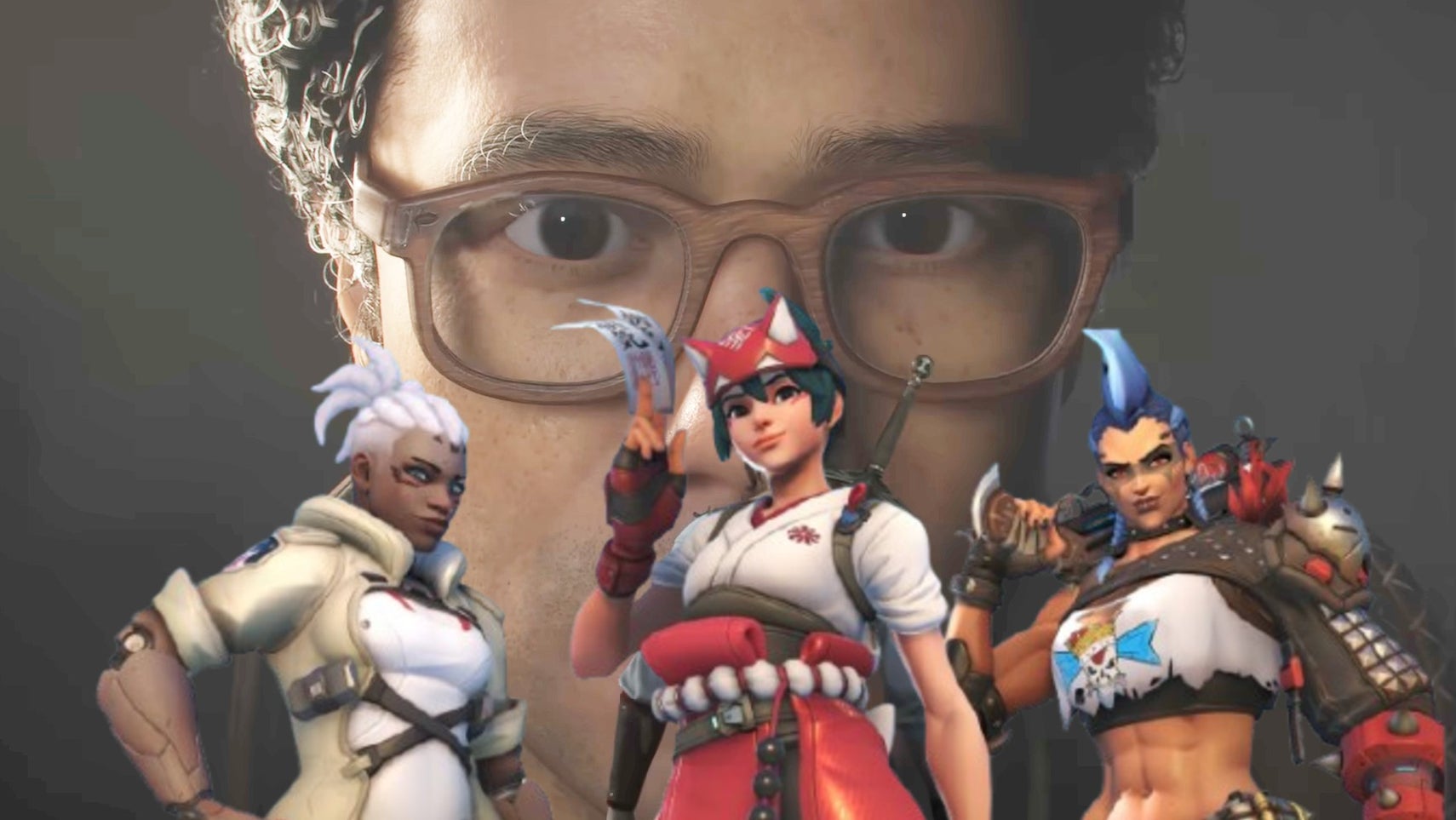
One of the most prominent examples of this collaborative ecosystem involves the highly anticipated reboot of the Fable franchise. Developed by Playground Games—a studio primarily recognized for the technical excellence of the Forza Horizon racing series—the new Fable represents a significant genre shift for the team. To bolster the project’s cinematic quality, Blizzard Entertainment, the legendary developer behind Diablo and Overwatch, has been providing dedicated support for the game’s cinematics and narrative presentation. This cross-pollination allows Playground Games to focus on its strengths in world-building and engine optimization while drawing on Blizzard’s decades of experience in high-fidelity storytelling and character animation.
The technical support extends beyond visual assets into the fundamental architecture of game engines. The Coalition, the Vancouver-based studio responsible for the Gears of War franchise and widely regarded as one of the industry’s foremost experts in Epic Games’ Unreal Engine, has been instrumental in assisting other internal teams. Specifically, Booty confirmed that The Coalition is aiding inXile Entertainment with the implementation of Unreal Engine 5 for their upcoming first-person RPG, Clockwork Revolution. This arrangement ensures that smaller or more narratively focused teams can achieve cutting-edge graphical performance without having to navigate the steep learning curve of new engine iterations in isolation.
Furthermore, the "culture of cultures" model has facilitated access to specialized physical infrastructure. Compulsion Games, the Montreal-based developer of We Happy Few and the upcoming South of Midnight, has reportedly utilized Activision’s world-class motion capture facilities. By sharing these high-cost assets, Microsoft maximizes the return on its internal investments while providing its boutique studios with tools that would typically be financially or logistically out of reach for independent mid-sized developers.

The Evolutionary Loop of Shared Technologies
A distinctive feature of the current Xbox strategy is the "round-trip" development cycle, where technology is shared, improved upon by a second team, and then returned to the original developer in an enhanced state. Booty highlighted the technical lineage between Undead Labs, Obsidian Entertainment, and the State of Decay franchise as a prime example of this iterative collaboration.
The persistent-world saving technology and shared-state mechanics originally developed for State of Decay 2 were adopted by the small team at Obsidian Entertainment to power the multiplayer survival game Grounded. During the development of Grounded, Obsidian engineers refined and expanded the code to handle different networking demands. Those improvements have now been integrated back into the core technology stack being used by Undead Labs for the development of State of Decay 3. This circular exchange of intellectual property and engineering solutions reduces redundant R&D costs and accelerates development timelines across the entire Xbox Game Studios organization.
Similar backend efficiencies have been realized in the realm of live services and digital storefronts. The marketplace technology originally architected for Minecraft—a platform that manages millions of microtransactions and community-generated content pieces—has been adapted for use in Microsoft Flight Simulator and Bethesda Game Studios’ Starfield. By utilizing a proven, secure, and scalable commerce engine, individual game teams can bypass the development of bespoke financial systems and focus entirely on gameplay content.

Leadership Transition and the Path to Project Helix
The formalization of the "culture of cultures" strategy arrives amid a significant transition in the executive ranks of Microsoft’s gaming wing. In February, long-time Xbox head Phil Spencer announced his retirement after a career spanning nearly 40 years with Microsoft. Spencer’s tenure was marked by the launch of the Xbox Series X/S, the aggressive expansion of the Game Pass subscription service, and the acquisition of major publishers including ZeniMax Media and Activision Blizzard.
Following Spencer’s departure, the company implemented a new leadership structure designed to manage its vastly increased scale. Asha Sharma was appointed as the CEO of Xbox, bringing a focus on operational efficiency and platform growth. Simultaneously, Matt Booty transitioned into the role of Chief Content Officer, a position that grants him oversight of the creative output across all first-party studios, including the newly integrated Activision Blizzard King (ABK) divisions.
During his podcast appearance, Booty also briefly touched upon "Project Helix," the internal codename for Microsoft’s next-generation hardware initiatives. While specific technical specifications remain confidential, reports indicate that development kits for the next-generation console are not expected to reach external partners until at least 2027. The "culture of cultures" approach is viewed as essential for this upcoming hardware cycle, as the complexity of developing "next-gen" titles will require a level of resource sharing and technical standardization that previous generations did not demand.

Broader Industry Implications and Economic Analysis
The shift toward a more integrated internal network reflects broader trends within the global gaming industry. As AAA development budgets frequently exceed $200 million and production cycles stretch toward six or seven years, the "siloed" studio model has become increasingly risky. By creating a framework for internal "work-for-hire" arrangements and technology transfers, Microsoft is attempting to insulate itself against the volatility of the hit-driven gaming market.
Industry analysts suggest that this collaborative model provides Microsoft with a competitive advantage in talent retention. By allowing developers to consult on different projects across the company—such as Rare lending its multiplayer expertise to Double Fine for the upcoming pottery-brawler Kiln—Microsoft can offer its employees variety and professional growth without them needing to leave the corporate ecosystem. Kiln, a project emerging from Double Fine’s internal "Amnesia Fortnight" game jams, benefits from Rare’s extensive experience with the "Games as a Service" (Gears) model pioneered in Sea of Thieves.
However, the "culture of cultures" strategy also presents management challenges. Maintaining the "just enough structure" Booty mentioned requires a delicate balance; too much interference can stifle the creative spark that makes studios like Double Fine or Obsidian unique, while too little can lead to missed deadlines and technical fragmentation. The success of this model will likely be judged by the critical and commercial performance of the upcoming "second wave" of Xbox exclusives, including Fable, South of Midnight, and Clockwork Revolution.

As the gaming landscape continues to consolidate, the ability of a parent company to effectively bridge the gap between its disparate subsidiaries will be the primary factor in determining long-term sustainability. For Xbox, the goal is clear: transform a collection of independent studios into a unified, self-supporting engine of content production that can consistently deliver high-value titles to the Game Pass ecosystem and beyond. With Matt Booty at the helm of content strategy and a roadmap that emphasizes the sharing of both tools and talent, Microsoft is betting that the sum of its "culture of cultures" will be far greater than its individual parts.