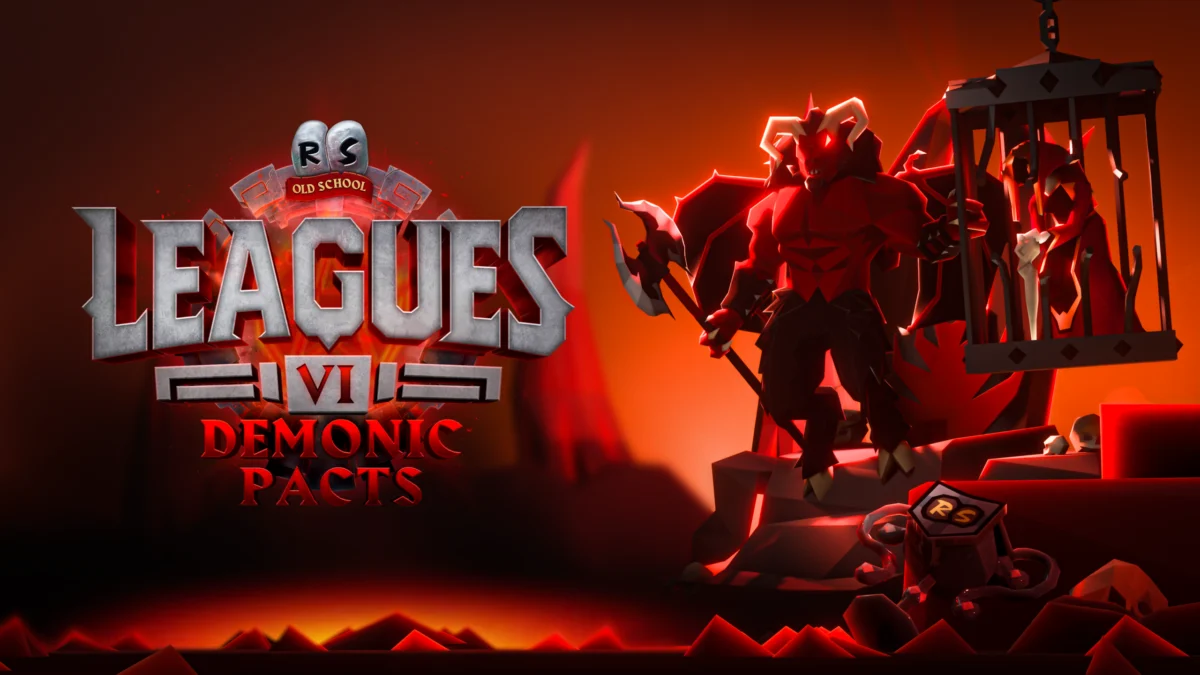
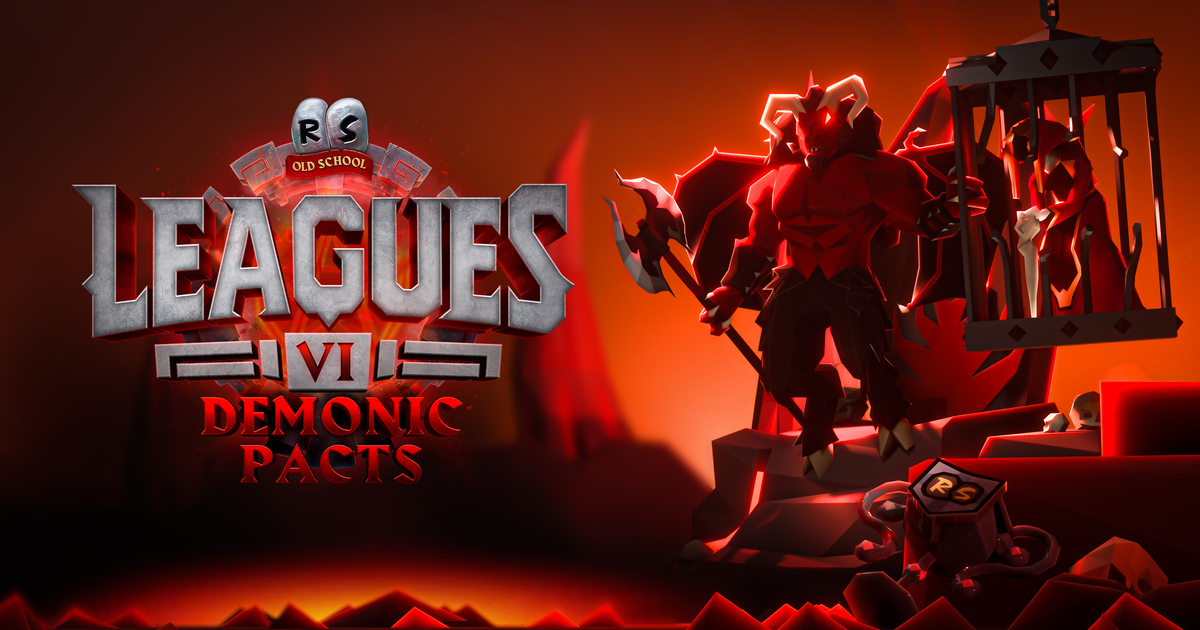
The landscape of Gielinor has undergone a seismic shift with the official launch of Old School RuneScape’s sixth seasonal event, Leagues VI: Demonic Pacts. Within hours of the servers going live, Jagex reported a massive influx of players, with concurrent user counts surpassing 150,000. This latest iteration of the popular time-limited game mode introduces a darker, high-stakes narrative centered on the infernal influence of Yama, a demonic entity that has effectively seized control of the game’s traditional progression systems. Running from its launch today through June 10th, the event offers both veteran players and newcomers a radically accelerated version of the classic MMORPG experience, characterized by hyper-efficient training methods and game-breaking character enhancements.
The Evolution of the League Format
Leagues in Old School RuneScape (OSRS) represent a departure from the "slow-burn" progression that has defined the title since its 2013 resurrection. Unlike the main game, where reaching maximum level in a single skill can take hundreds of hours, Leagues utilize a separate set of servers and a fresh economy where XP rates are multiplied significantly—often starting at five times the standard rate and scaling up to sixteen times as players progress.
Demonic Pacts marks a significant departure from previous themes. While earlier leagues like "Trailblazer" focused on geographic restrictions and "Shattered Relics" focused on unlocking individual skills, Leagues VI introduces a complex, branching skill tree inspired by modern action-RPGs such as Path of Exile. This system, known as the Demonic Pacts, allows players to "respec" their builds, offering a level of flexibility previously unseen in RuneScape’s rigid combat meta. By completing specific tasks, players earn points to invest in these pacts, which can grant abilities such as guaranteed maximum damage for specific weapon classes or massive utility boosts for non-combat skills.
Geographic Shifts: From Lumbridge to Varlamore
In a strategic move to highlight the game’s newest content, Jagex has opted to lock the traditional starting zones of Lumbridge and Draynor Village for this league. Instead, players begin their journey in Varlamore, a sprawling new continent that was added to the game earlier this year. This decision serves a dual purpose: it forces seasoned players to engage with fresh content they may have overlooked in the main game and ensures that the "League experience" feels distinct from the standard early-game grind.
Varlamore offers a diverse array of activities, from the bustling streets of Civitas illa Fortis to the dangerous depths of the Perilous Moons. By centering the league here, Jagex is leveraging the "newness" of the region to maintain high engagement levels. The starting experience is further streamlined by the provision of infinite run energy and "relics"—permanent buffs that automate tedious tasks. Early-tier relics include abilities like "automated smelting" for smithing and "toothless resource gathering," which removes the need for specific tools when mining or woodcutting.
A Chronology of Old School RuneScape Leagues
To understand the impact of Demonic Pacts, one must look at the history of the seasonal format, which has become a cornerstone of Jagex’s player retention strategy:
- Twisted League (2019): Restricted players to the continent of Zeah. It introduced the concept of relics and tasks, proving that the community was hungry for a competitive, reset-based game mode.
- Trailblazer League (2020): Introduced regional locks, where players had to choose which parts of the world map to unlock. This created a highly strategic meta-game.
- Shattered Relics (2022): Shifted the focus to skill-locking, where players started with only a few skills and had to "buy" the rest using league points.
- Trailblazer Reloaded (2023): A return to the regional lock format but with updated content and more powerful relics, reaching record-breaking concurrent player peaks.
- Raging Echoes (2024): Focused on combat prowess and boss-slaying, setting the stage for the more narrative-driven Demonic Pacts.
The launch of Demonic Pacts represents the culmination of five years of iterative design. Jagex has refined the "Task" system, which now includes over a thousand individual challenges ranging from the mundane—such as milking a buffalo or getting a haircut—to the elite, such as defeating high-level bosses like the Theatre of Blood or the Tombs of Amascut under restrictive conditions.
Statistical Analysis and Economic Impact
The initial data from the launch of Leagues VI suggests that Old School RuneScape is currently experiencing a historic period of growth. The 150,000 concurrent player mark is significant, as it rivals the game’s all-time peaks during the COVID-19 pandemic and the initial launch of the mobile client.
Analysts point to the "seasonal" nature of the event as a primary driver of this traffic. Much like "Seasons" in Diablo or "Leagues" in Path of Exile, the temporary nature of the event creates a sense of urgency. Furthermore, the cosmetic rewards—which include unique trophies, weapon skins, and animations that can be transferred back to the permanent "main" servers—provide a tangible incentive for players to invest hundreds of hours into a temporary character.
From a business perspective, Leagues are highly lucrative for Jagex. Because Leagues require an active membership (subscription), the spike in player counts directly correlates to a surge in monthly recurring revenue. Moreover, the high visibility of the event on streaming platforms like Twitch, where OSRS often climbs into the top ten most-viewed games during a League launch, serves as an effective organic marketing tool.
Community Reactions and Developer Insights
While official statements from Jagex executives emphasize the technical stability of the launch, the developer "Old School" team has expressed through social media and dev blogs that Demonic Pacts is their most ambitious mechanical overhaul to date.

"The goal with Demonic Pacts was to give players the power to break the game in fun, creative ways," noted one developer in a recent Q&A session. "We wanted to move away from static buffs and toward a dynamic ‘build’ system. Seeing 150,000 people experimenting with these pacts on day one is a testament to the community’s passion for theory-crafting."
Community sentiment has been largely positive, though some players have noted the "daunting" nature of the task list. With thousands of potential points to earn, the path to the prestigious "Dragon Rank"—awarded only to the top 1% of players by the end of the event—is expected to be more competitive than ever.
Broader Implications for the MMO Genre
The success of Leagues VI: Demonic Pacts highlights a growing trend in the MMORPG industry: the move toward "seasonal" content in traditionally persistent worlds. As player bases age and have less time for the "infinite grind," the ability to experience a condensed, high-power version of a game becomes increasingly attractive.
Old School RuneScape’s model is unique in that it preserves the integrity of the main game while providing a sandbox for experimentation. The "Demonic Pacts" skill tree could serve as a testing ground for future permanent content. If certain mechanics, such as the respecable combat buffs, prove popular enough, elements of them may eventually find their way into the main game via the community polling system—a democratic process where players vote on every major update.
As the event progresses toward its June conclusion, the focus will shift from the initial leveling rush to the "end-game" meta. Players will compete to see who can achieve the fastest boss kill times and the most efficient point-gathering routes. For now, the streets of Varlamore remain crowded, and the influence of Yama continues to draw thousands of adventurers back to a game that, despite its 25-year history, shows no signs of slowing down.
Conclusion and Outlook
Leagues VI: Demonic Pacts is more than just a temporary distraction; it is a showcase of how a legacy title can stay relevant in a modern gaming market. By combining nostalgia with innovative, fast-paced mechanics, Jagex has secured a dominant position in the MMO landscape for the second quarter of the year. Whether the player count will sustain these levels through June 10th remains to be seen, but the initial launch has undoubtedly set a new benchmark for the franchise. For the 150,000 players currently traversing Varlamore, the grind has never been faster, and the pacts have never been more tempting.