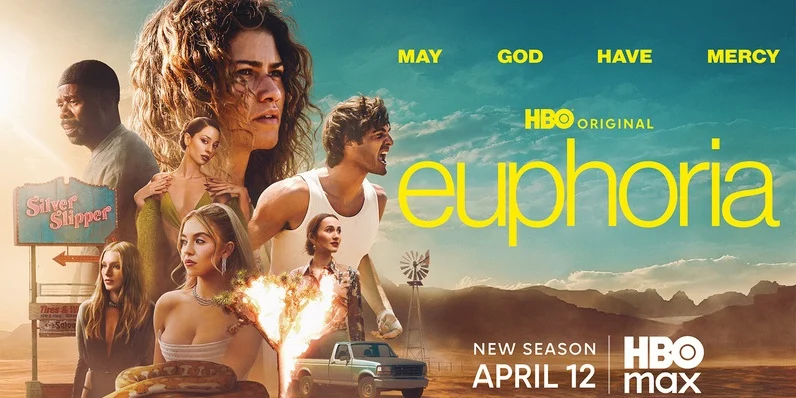
Four years have elapsed since the incandescent glow of "Euphoria’s" second season last graced television screens, a hiatus marked by the meteoric rise of its young ensemble cast into the upper echelons of Hollywood stardom. Zendaya, a household name synonymous with critical acclaim and box office success, alongside the increasingly prominent Jacob Elordi and Sydney Sweeney, have transcended their roles in the gritty drama, commanding audiences in cinemas worldwide. This significant career trajectory naturally engenders a pressing question: what compelled this generation of burgeoning stars to reconvene for a third season, particularly under the continued creative stewardship of showrunner Sam Levinson, whose recent directorial endeavors have ignited considerable debate and criticism? Speculation abounds that this latest iteration of "Euphoria" is intended as a recalibration, a return to form following the widely panned reception of Levinson’s previous project, "The Idol." However, for audiences, the compelling rationale for their own return remains elusive, as the initial episodes of the new season offer a stark portrayal of a creative vision that appears to have devolved into a morally ambiguous and narratively hollow exploration, a far cry from the nuanced prestige the series once aspired to.
The Evolving Canvas: From High School Halls to Desert Frontiers
The evolution of "Euphoria" under Sam Levinson’s direction marks a deliberate departure from the claustrophobic confines of East Highland High School’s hallways, the primary setting for the series’ earlier seasons. The narrative has expanded its geographical and thematic scope, venturing into the sun-scorched landscapes of the California and Mexican deserts. This new backdrop is populated by a volatile mix of rival drug cartels and the clandestine world of strip clubs, creating a stark, "Wild West" atmosphere where the pursuit of a "Gen Z-ified" American Dream often intersects with the transactional nature of sex work.
Within this expansive, morally grey territory, the character of Rue Bennett, portrayed by Zendaya, finds herself entangled in a perilous new predicament. Driven by her outstanding debt to the formidable figure of Laurie, played by Martha Kelly, Rue is compelled to operate as a drug mule, tasked with transporting illicit substances across borders concealed within balloons. Her journey navigates the treacherous currents of this criminal underworld, where she forms an uneasy alliance with Alamo, a character brought to life by Adewale Akinnuoye-Agbaje, who is depicted as a multifaceted purveyor of weaponry, narcotics, and the ownership of a strip club empire. While Rue’s narrative arc may appear increasingly outlandish compared to her previous struggles, it undeniably aligns with Levinson’s pronounced thematic shift for the series. Zendaya’s unwavering commitment to her performance remains a pivotal anchor, allowing her to embody Rue’s intricate complexities and maintain her magnetic presence, even as the character’s choices grow more frustrating. Despite these individual strengths, the series as a whole appears to be running on fumes, a shadow of its former compelling self.
A Strained Ensemble and a Diluted Vision
The collective commitment of the cast to "Euphoria" Season 3 has been met with a discernible lack of creative fervor, both in terms of on-screen performances and the underlying narrative structure. The writing, characterized as "underbaked," seems to adopt a desperate strategy of provoking audience reactions in a bid to recapture the spark that once defined the series.
Nate Jacobs, portrayed by Jacob Elordi, is presented as an ambitious real estate developer whose aspirations have far outstripped his capabilities, particularly concerning a retirement home development project that has attracted the ire of influential, and potentially dangerous, donors. His personal life is further complicated by his fiancée, Cassie Howard, played by Sydney Sweeney, who is depicted as relentlessly pursuing a breakthrough as an OnlyFans creator. Elordi, burdened by dialogue that has been widely criticized as some of the series’ weakest, delivers a performance that feels constrained, mirroring the perceived lack of agency in the characters themselves. The narrative, in its current iteration, presents these characters as mere caricatures of their former selves. Hunter Schafer’s portrayal of Jules Vaughn, once a central figure of desire and vulnerability, now appears relegated to an object of fleeting attention, further diminishing her narrative significance. The series has, in essence, devolved into a self-parody, relying on gratuitous displays of sexually charged provocation that seem designed more for Levinson’s own creative indulgence than for meaningful audience engagement, propelling the series into a downward spiral.
The Fading Echoes of a Distinctive Sound and Vision
Sam Levinson’s unwavering commitment to maintaining sole creative control over "Euphoria" appears to have eroded the series’ once-distinctive quality. A significant casualty of this singular vision is the absence of composer Labrinth, whose evocative, synth-driven score was instrumental in forging the series’ signature aesthetic and contributing significantly to its immersive atmosphere. The inclusion of a functional motif by veteran composer Hans Zimmer, while competent, fails to adequately fill the void left by Labrinth’s unique sonic landscape.
Despite these creative missteps, the series retains its visual splendor, a testament to Levinson’s directorial eye and the exceptional cinematography of Marcell Rév. The decision to shoot on both 35mm and 65mm film imbues the season with a cinematic grandeur that Levinson evidently strives for. This elevated visual presentation marks a departure from the series’ earlier, signature neon-drenched, candy-colored aesthetic, which now appears to be a relic of a bygone era.

A Bleak Prognosis for Future Seasons
The initial episodes of "Euphoria" Season 3 offer little indication of a salvageable or compelling television experience. At best, it represents a "guilty pleasure" that fails to even deliver on that limited promise, presenting a hollow echo of its former glory. While a degree of curiosity may linger regarding the future trajectory of these characters, the significant passage of time since the critically acclaimed first two seasons suggests that perhaps "Euphoria" should have remained a cherished memory. The confluence of a global pandemic and a series of industry strikes, which significantly disrupted production schedules and creative processes, may have served as an implicit signal, but these latest episodes provide definitive evidence that the time for "Euphoria" to remain in the past has long since arrived.
Behind the Scenes: The Making of a Controversial Season
The production of "Euphoria" Season 3 has been shrouded in a degree of mystery and speculation, particularly given the extended hiatus and the evolving careers of its principal cast. Principal photography for the third season commenced in early 2024, following considerable delays attributed to scheduling conflicts with the lead actors, many of whom have become highly sought-after figures in the film industry. Zendaya, for instance, has garnered critical acclaim for her roles in the "Dune" franchise and "Challengers," while Jacob Elordi has received significant attention for his performances in "Saltburn" and "Priscilla." Sydney Sweeney has also enjoyed a prolific period, starring in "Anyone But You" and the critically lauded "Reality."
The creative direction of Sam Levinson has also been a focal point of discussion. Following the overwhelmingly negative critical reception of "The Idol," which he co-created and directed, Levinson faced increased scrutiny regarding his artistic choices and their impact on the quality of his productions. This backdrop has inevitably cast a shadow over the anticipation for "Euphoria" Season 3, with many observers questioning whether Levinson could recapture the magic of the series’ early seasons or if his recent creative endeavors indicated a fundamental shift in his approach that may not resonate with the show’s established fanbase.
The decision to move the narrative away from the high school setting has been a significant departure, suggesting a desire to explore more mature themes and complex adult relationships. This expansion of scope, while potentially offering new narrative avenues, also presents challenges in maintaining the core appeal that drew audiences to "Euphoria" in the first place – its unflinching portrayal of adolescent struggles and the raw, often painful, realities of growing up.
The Ensemble’s Enduring Appeal and the Show’s Diminishing Returns
The Good: Zendaya and Colman Domingo, who portrays the character Ali, consistently deliver powerful performances that transcend the limitations of the material. Zendaya, as Rue, continues to imbue the character with a raw vulnerability and a magnetic presence, drawing viewers into her tumultuous journey. Colman Domingo, whose role as Ali has provided a grounding counterpoint to Rue’s chaos, offers moments of profound wisdom and emotional depth. Their commitment underscores the enduring talent within the cast, serving as a reminder of what made "Euphoria" so compelling in its initial seasons.
The Bad: Sam Levinson’s creative direction for "Euphoria" Season 3 appears to have devolved into a muddled amalgamation of disparate ideas, resulting in a narrative that is both boring and derivative. The shift away from the series’ core strengths, coupled with an overreliance on sensationalism and a lack of coherent storytelling, has transformed "Euphoria" into a laughable imitation of its former self. The once-incisive exploration of complex issues has been replaced by a superficial and often gratuitous engagement with themes that feel more like shock value than genuine narrative development.
Emmy Prospects: The most plausible avenue for award recognition this season lies in the category of Outstanding Cinematography For A Single-Camera Series (One Hour). The visual artistry of Marcell Rév, under Sam Levinson’s directorial eye, continues to be a standout element. The use of high-end film formats and the meticulous composition of shots contribute to the series’ undeniable aesthetic appeal, even as the narrative falters.
The Final Score: 4/10. This score reflects a significant decline in quality from the series’ previous seasons. While individual performances and the visual presentation remain commendable, the overall narrative direction and creative execution have failed to meet expectations, resulting in a disappointing and underwhelming return for a show that once held significant cultural cachet. The potential for a successful revival of "Euphoria’s" former glory appears increasingly remote, suggesting that the series may have exhausted its creative reserves.