

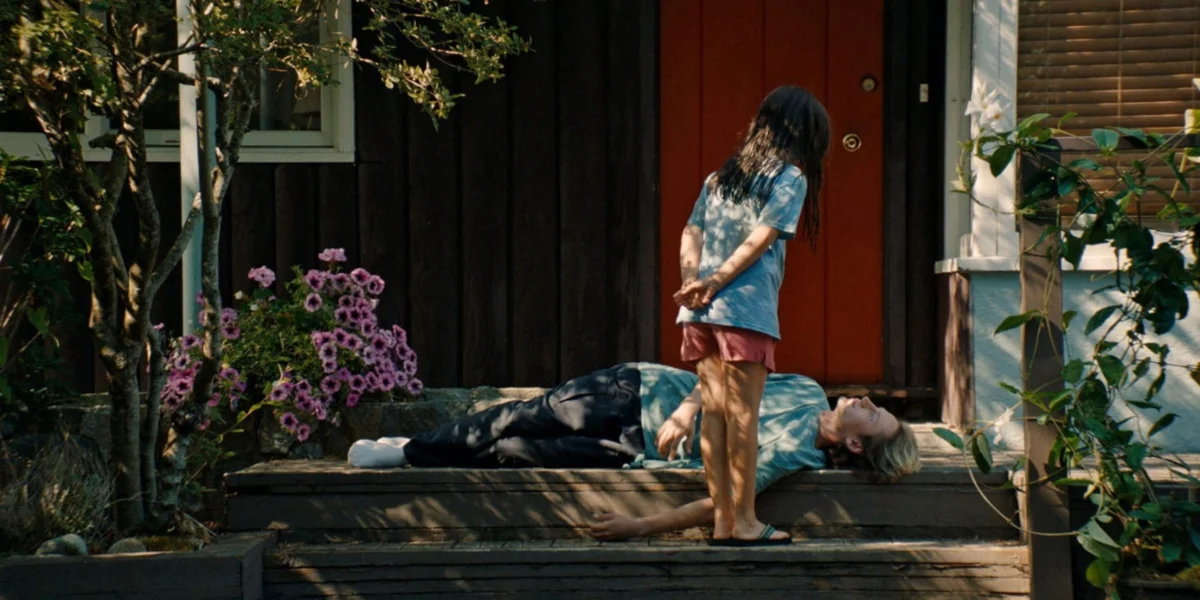
The cinematic landscape of 2025 is poised to be enriched by the arrival of Blue Heron, a poignant drama that marks the directorial debut of Sophy Romvari. This semi-autobiographical film delves into the complexities of familial dynamics, immigration, and the unsettling emergence of behavioral challenges, drawing inspiration from Romvari’s own childhood and her critically acclaimed short film, Still Processing. The narrative centers on an eight-year-old girl named Sasha, portrayed by Eylul Guven, who navigates a new life on Vancouver Island in the late 1990s with her Hungarian immigrant parents, Ádám Tompa and Iringó Rétyi. Their relocation, however, is shadowed by the increasingly volatile behavior of their eldest son, Jeremy, played by Edik Beddoes, creating a palpable tension within the family unit. The ensemble cast is further bolstered by Liam Serg and Preston Drabble, who embody Sasha’s brothers, and Amy Zimmer as the adult Sasha, offering a prospective retrospective view of the unfolding events.
A Triumph of Emerging Talent: Festival Acclaim and Critical Recognition
Blue Heron has already begun to etch its name into the annals of significant cinematic achievements in 2025, having garnered substantial critical acclaim following its world premiere at the prestigious 78th Locarno Film Festival. The film’s powerful storytelling and evocative direction were met with "universal acclaim," a rare and potent endorsement from festival attendees and critics alike. This early success culminated in the film receiving the Swatch First Feature Award at Locarno, a testament to its promise and artistic merit.
The accolades continued to mount as Blue Heron made its way to the 2025 Toronto International Film Festival (TIFF). Here, the film was honored with the Best Canadian Discovery award, further solidifying its status as a significant national cinematic contribution and a noteworthy entry in the international festival circuit. These awards not only highlight the film’s artistic excellence but also underscore the burgeoning talent of Sophy Romvari as a storyteller and filmmaker.
The Creative Genesis: From Short Film to Feature Narrative
Sophy Romvari’s journey to Blue Heron is intrinsically linked to her previous work, particularly her short film Still Processing. This earlier piece, which explored similar themes of memory, family, and trauma, served as a crucial foundational element for the feature-length narrative. The transition from a concise short film to a full-fledged feature allows Romvari to expand upon these themes, delve deeper into character development, and construct a more expansive and nuanced exploration of her semi-autobiographical subject matter. The development process likely involved a meticulous expansion of the emotional and narrative threads established in Still Processing, transforming kernels of personal experience into a compelling cinematic tapestry.
The decision to base Blue Heron in part on Romvari’s own childhood offers a unique window into the filmmaking process. This personal connection imbues the film with an authenticity and emotional resonance that often captivates audiences. The "semi-autobiographical" descriptor suggests a careful balance between lived experience and cinematic adaptation, allowing for creative interpretation while remaining true to the core emotional truths of the story. This approach often results in films that feel both deeply personal and universally relatable.
Setting the Scene: Vancouver Island in the Late 1990s
The choice of Vancouver Island in the late 1990s as the film’s setting is more than just a backdrop; it’s an integral component of the narrative. This period and location offer a specific cultural and social milieu that can inform the immigrant experience and the challenges of assimilation. The late 1990s, prior to the widespread ubiquity of the internet and social media, presented a different landscape for integration and communication, potentially amplifying feelings of isolation or difference for newcomers. Vancouver Island itself, with its distinct natural beauty and often close-knit communities, can provide a unique contrast to the internal turmoil of the family. The transition from one country to another, especially for families seeking new opportunities, is often fraught with unforeseen difficulties, and the specific temporal and geographical context of Blue Heron likely plays a significant role in shaping these challenges.
A Deep Dive into the Characters and Their Performances
The success of Blue Heron hinges significantly on the strength of its cast and the nuanced performances they deliver. Eylul Guven’s portrayal of the young Sasha is central to the film’s emotional core. As an eight-year-old witnessing the unfolding family crisis, her perspective likely forms a key lens through which the audience experiences the story. Guven’s ability to convey innocence, observation, and perhaps an early understanding of the unspoken tensions within the family will be crucial.

Edik Beddoes’s role as Jeremy presents a significant dramatic challenge. Portraying a character with "increasingly dangerous behavioral issues" requires a delicate balance, ensuring the performance is compelling and thought-provoking without veering into caricature. The portrayal must convey the complexity of his struggles, hinting at underlying causes or contributing factors that are central to the film’s thematic exploration.
The performances of Ádám Tompa and Iringó Rétyi as Sasha’s parents are vital in anchoring the family unit. As immigrants navigating a new country and the challenges posed by their son, their performances will likely convey resilience, hope, and the immense pressure of their situation. The dynamic between them and their children will be a critical element in illustrating the film’s exploration of familial bonds under duress.
Liam Serg and Preston Drabble, as Sasha’s brothers, will contribute to the overall family dynamic, adding further layers to the relationships and potential conflicts within the household. The presence of Amy Zimmer as Adult Sasha suggests a narrative structure that might incorporate elements of reflection or a retrospective viewpoint, allowing for a broader understanding of the long-term impact of these formative experiences.
The Distribution and Exhibition Landscape
The distribution of Blue Heron by Janus Films is a significant indicator of its artistic merit and potential audience. Janus Films is renowned for its commitment to releasing critically acclaimed international and independent cinema, often championing films that resonate with artistic integrity and cultural significance. Their involvement suggests that Blue Heron is poised to reach a discerning audience that appreciates thoughtful, character-driven narratives. The scheduled theatrical release date of April 17th positions the film within a key period for cinematic releases, potentially allowing it to capture audience attention and build momentum leading into awards season.
A Conversation with the Filmmaker: Insights into the Creative Process
The opportunity for an interview with Sophy Romvari, as highlighted in the original report, provides invaluable insight into the motivations and artistic choices behind Blue Heron. Direct engagement with the filmmaker allows for a deeper understanding of her vision, the personal experiences that informed the narrative, and the challenges and triumphs of bringing this story to the screen. Discussions about her directorial debut, the transition from short to feature film, and her collaboration with the cast would offer a rich context for appreciating the film’s artistic and emotional depth. Such interviews often reveal the director’s intentions regarding thematic exploration, character arcs, and the overall message they aim to convey.
Broader Implications: The Power of Personal Narratives in Cinema
Blue Heron‘s critical success and forthcoming theatrical release underscore a continuing trend in cinema: the power of deeply personal narratives to resonate with a wide audience. Films that draw from the wellspring of lived experience, particularly those that explore themes of immigration, family, and mental health, often strike a chord because they tap into universal human emotions and struggles.
The film’s exploration of an immigrant family’s challenges in a new environment speaks to the ongoing global conversation about displacement, adaptation, and the search for belonging. The depiction of Jeremy’s behavioral issues, if handled with sensitivity and depth, could contribute to a more nuanced understanding of mental health challenges within families, particularly those under significant stress.
Furthermore, the emergence of Sophy Romvari as a directorial talent signifies the continued importance of diverse voices in filmmaking. Her success at major festivals like Locarno and TIFF signals a promising future for her career and a valuable addition to the cinematic landscape. The industry’s recognition of films that prioritize authentic storytelling and emotional truth over purely commercial considerations is a positive development.
The awards received by Blue Heron at Locarno and TIFF are not merely accolades; they are indicators of the film’s potential to spark dialogue, foster empathy, and leave a lasting impression on audiences. As the film makes its way to a wider release, its impact will be measured not only by its box office performance but also by its ability to connect with viewers on a profound emotional and intellectual level, offering a compelling examination of the human condition through the lens of a specific, deeply personal story. The film’s journey from festival darling to theatrical release is a narrative in itself, showcasing the power of independent cinema to capture the attention of critics and audiences alike.