
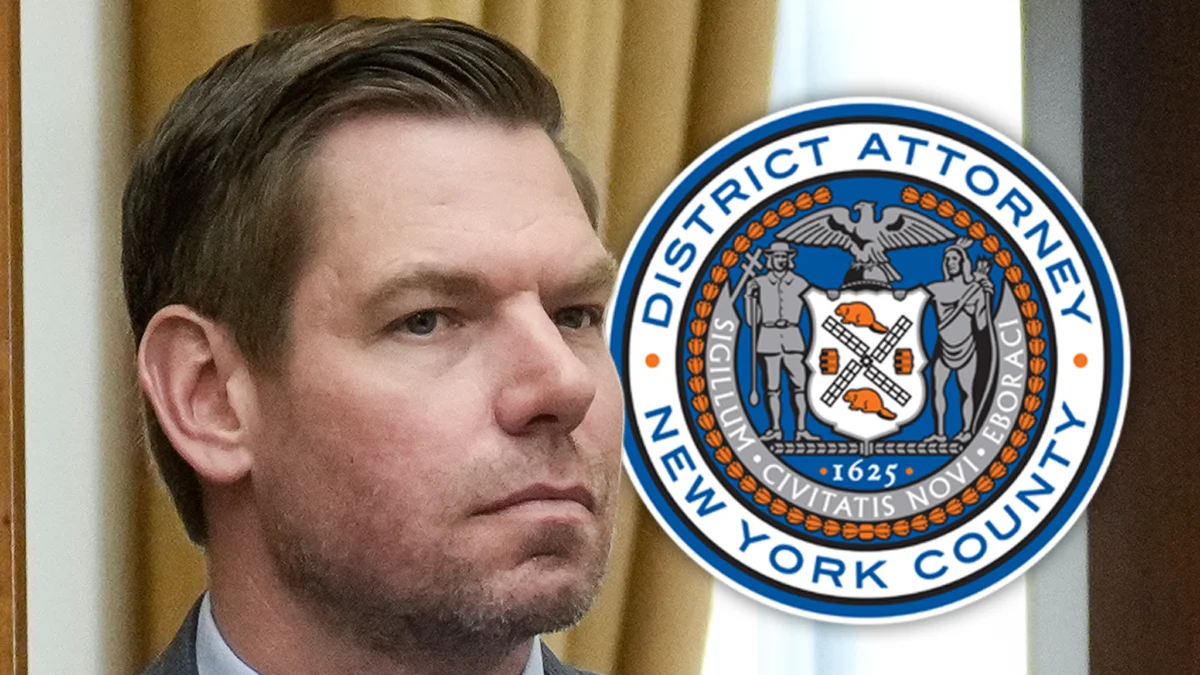
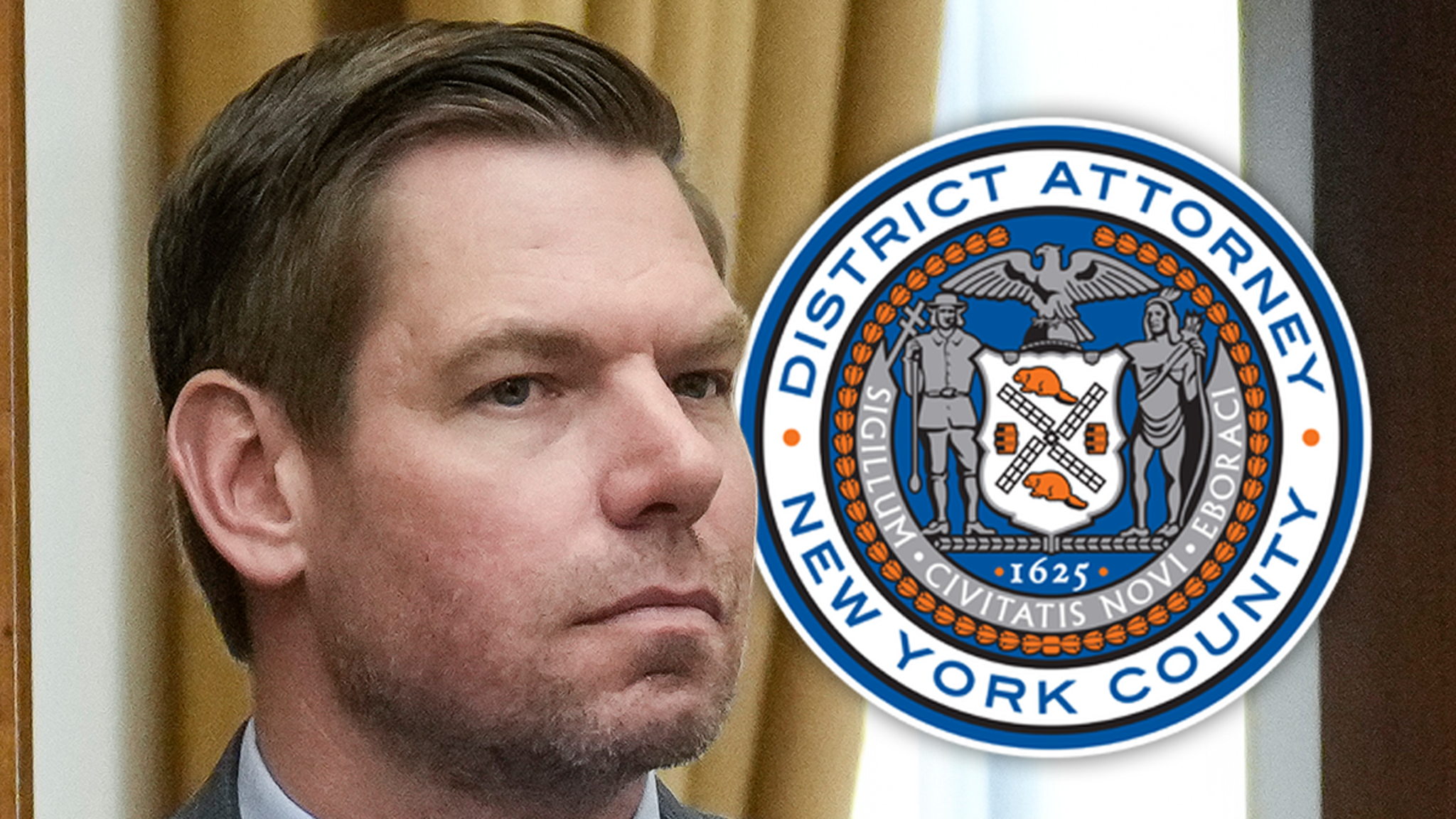
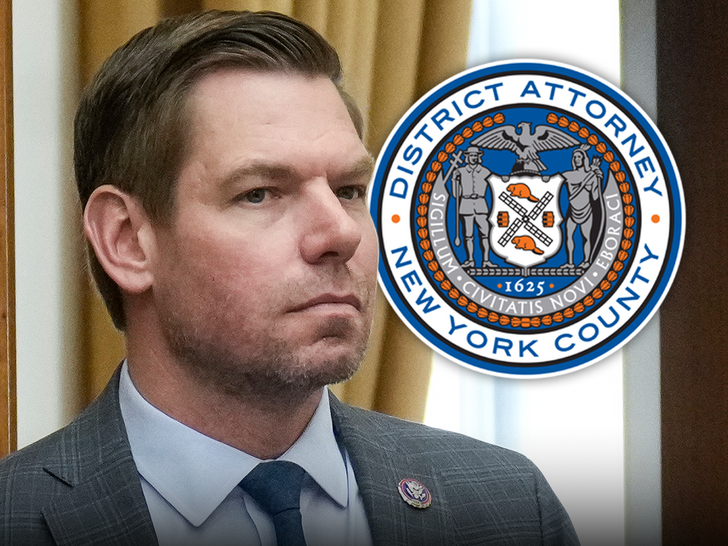
The Manhattan District Attorney’s office has initiated a formal investigation into Representative Eric Swalwell, a prominent Democratic Congressman from California, following a series of serious allegations, including a claim of rape from a former staffer. This development, confirmed by TMZ on Saturday morning, April 11, 2026, marks a significant escalation in a scandal that has rapidly engulfed Swalwell’s political career and severely impacted his nascent gubernatorial campaign in California. The move by the Manhattan D.A. underscores the increasing legal scrutiny facing the Congressman, whose political standing has already been eroded by a cascade of accusations and subsequent withdrawals of support from key Democratic figures.
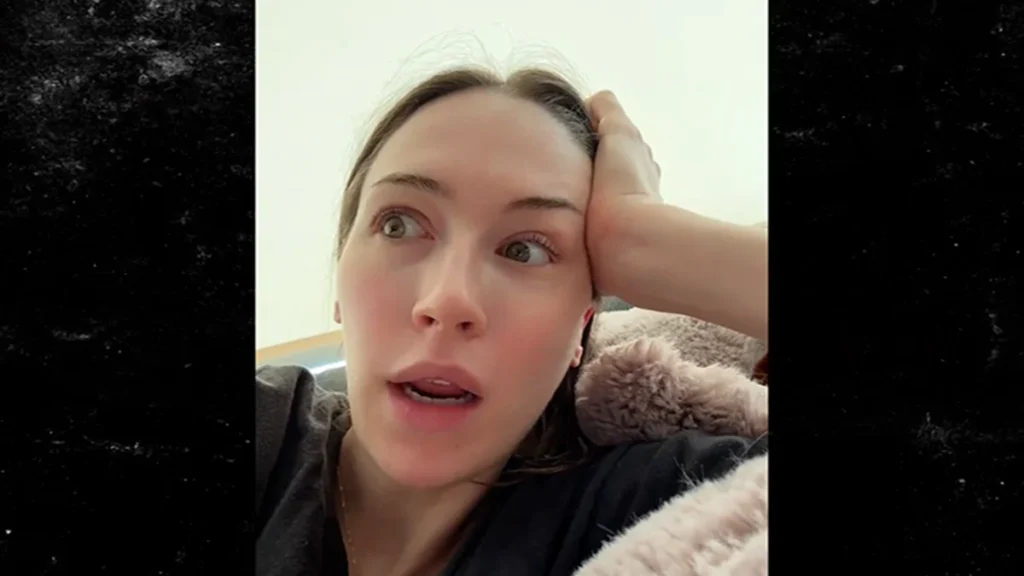
The immediate catalyst for the D.A.’s action appears to be a harrowing interview broadcast by CNN on Friday, April 10, 2026. In the interview, a former staffer, who chose to remain anonymous to protect her privacy and professional standing, detailed an incident in 2024 during which she alleges Swalwell raped her. Her account, though fragmented due to memory gaps, included a chilling recollection of Swalwell reportedly being "on her" and refusing to cease despite her explicit verbal rejections and physical attempts to push him away. This deeply disturbing testimony has sent shockwaves through the political landscape, compelling law enforcement to act.
Chronology of Emerging Allegations and Official Response
The timeline of events leading to the Manhattan D.A.’s investigation unfolded rapidly. The alleged incident itself dates back to 2024, reportedly occurring after the staffer met Swalwell for a drink. The specifics of where this alleged encounter took place, and thus the precise jurisdictional grounds for the Manhattan D.A., remain under investigation, but the D.A.’s office has a broad mandate to investigate crimes within its jurisdiction, particularly those involving public figures or where victims reside within New York City.
On Friday, April 10, 2026, the CNN interview with the anonymous former staffer first brought these grave allegations to public light. Simultaneously, reports from Politico and the San Francisco Chronicle began detailing a rapid unraveling of Swalwell’s gubernatorial campaign, including a mass exodus of top staffers. The convergence of these reports created immediate and intense pressure on Swalwell and his political allies. By Saturday morning, April 11, the Manhattan District Attorney’s office publicly acknowledged its investigation, signaling the seriousness with which these allegations are being treated.
In a statement provided to TMZ, the D.A.’s office emphasized its commitment to supporting potential victims and gathering further information. "We urge survivors and anyone with knowledge of these allegations to contact our Special Victims Division at 212-335-9373," the statement read. "Our specially trained prosecutors, investigators and counselors are well-equipped to help you in a trauma-informed, survivor-centered manner." This proactive outreach highlights the D.A.’s intent to ensure a thorough and sensitive investigation, encouraging anyone with relevant information to come forward. The Special Victims Division is renowned for its expertise in handling cases of sexual assault and domestic violence, offering a crucial resource for those impacted by such incidents.
Beyond the specific allegations from the anonymous former staffer, the scandal has broadened to include claims from three other women. These women have accused Swalwell of sending them nude photos and explicit texts, further painting a picture of alleged misconduct that extends beyond a single isolated incident. While these additional claims do not constitute sexual assault, they contribute to a pattern of behavior that has intensified the scrutiny on the Congressman and amplified calls for accountability.
Representative Swalwell’s Defense and Political Fallout
In response to the mounting accusations, Representative Swalwell issued a video statement on Friday, April 10, 2026, vigorously denying the allegations of assault. In the video, he stated, "I have never assaulted anyone." However, he also offered an apology to his wife, acknowledging the difficult position he had placed her in due to the unfolding scandal. This dual approach of denial and personal apology reflects the challenging tightrope public figures often walk when facing such accusations. While denying the core allegations, the apology suggests an acknowledgment of the distress and collateral damage caused by the controversy.
Despite his vehement denials, the political repercussions have been swift and devastating for Swalwell. His campaign for Governor of California, once seen as a credible, albeit challenging, endeavor, is now widely considered "dead in the water." The political landscape in California, a Democratic stronghold, makes the withdrawal of support from party heavyweights particularly impactful. Major California Democrats, including former Speaker of the House Nancy Pelosi, Senator Adam Schiff, and Congressman Robert Garcia, have publicly rescinded their endorsements and called on Swalwell to withdraw from the race.
Nancy Pelosi, a towering figure in Democratic politics, had previously been a significant ally for Swalwell. Her decision to pull support, along with that of Adam Schiff, a highly respected national figure, and Robert Garcia, an emerging voice in California politics, sends an unequivocal message about the party’s stance. These endorsements are critical for fundraising, voter outreach, and overall legitimacy in a competitive primary. Their withdrawal not only deprives Swalwell of crucial political capital but also signals to other potential supporters that his campaign is no longer viable. The public statements urging him to drop out further solidify the perception of an insurmountable political crisis.
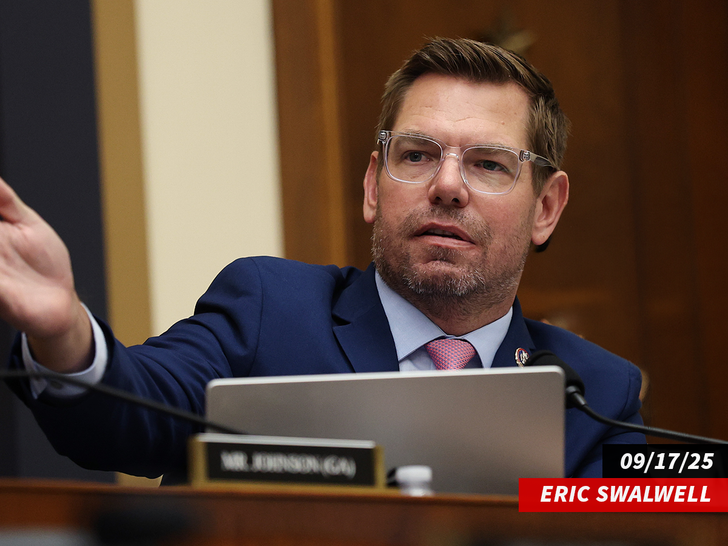
The internal workings of Swalwell’s campaign have also mirrored the external political collapse. A report from Politico detailed numerous top staffers on the campaign "jumping ship" even before the CNN and San Francisco Chronicle reports had fully disseminated. This internal defection is a strong indicator of a campaign in disarray, with professionals recognizing the untenable nature of the situation and seeking to distance themselves from the burgeoning scandal. Campaign staff are often the first to feel the internal pressure and anticipate the trajectory of a campaign’s viability, and their mass departure underscores the severity of the crisis.
Broader Implications and Context
The investigation into Eric Swalwell unfolds against a backdrop of heightened awareness and accountability for sexual misconduct, largely catalyzed by the #MeToo movement. This societal shift has empowered survivors to come forward, creating an environment where allegations against powerful individuals are met with increased scrutiny and often lead to significant legal and professional consequences. The Manhattan D.A.’s prompt response reflects this new reality, where allegations of sexual assault, particularly against public officials, cannot be easily dismissed or ignored.
The case also highlights the complexities inherent in such investigations. While the D.A.’s office has pledged a "trauma-informed, survivor-centered manner," the legal process is inherently challenging for all parties involved. For accusers, the decision to come forward often involves immense personal risk, fear of retaliation, and public scrutiny. For the accused, the allegations can be career-ending, regardless of the eventual legal outcome, and the principle of "innocent until proven guilty" can be difficult to uphold in the court of public opinion.
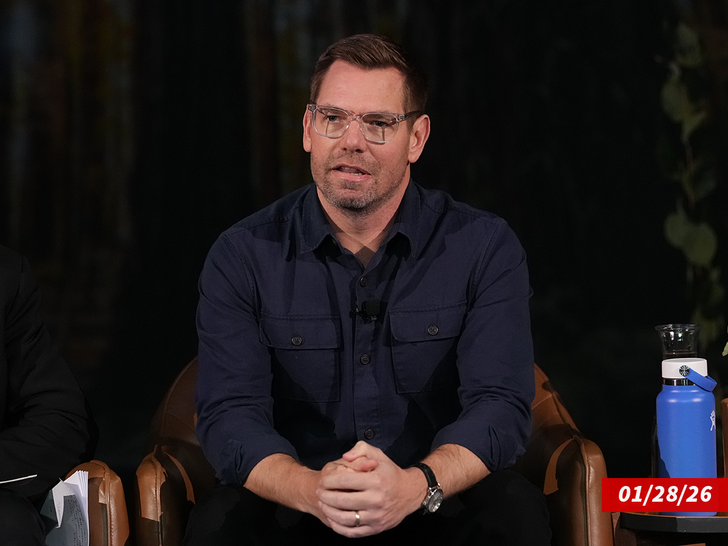
From a political standpoint, the scandal presents a significant challenge for the Democratic Party. As a party that often champions women’s rights and accountability for sexual misconduct, the swift and decisive action by its leaders to distance themselves from Swalwell is crucial for maintaining credibility. Failure to address such allegations promptly and seriously could lead to accusations of hypocrisy and erode public trust. The speed with which Pelosi, Schiff, and Garcia acted demonstrates an understanding of the political imperative to condemn alleged misconduct and support accusers.
Looking ahead, the Manhattan D.A.’s investigation will involve a meticulous process of gathering evidence, interviewing witnesses, and assessing the credibility of the claims. This could include reviewing communication records, financial transactions, and any available physical evidence. Depending on the findings, the D.A. could present the case to a grand jury, which would then decide whether there is sufficient evidence to issue an indictment and proceed to trial. The legal process can be lengthy and intricate, with no immediate resolution expected.
For Representative Swalwell, the path forward is fraught with uncertainty. Even if no charges are ultimately filed, the political damage to his career is likely irreparable. The loss of high-profile endorsements, the collapse of his gubernatorial campaign, and the public outcry have created a profound crisis. His standing in Congress could also be impacted, potentially leading to calls for his resignation from his federal office, even if the primary jurisdiction of the D.A. is New York. Federal ethics committees could also launch their own inquiries, further compounding his legal and political woes.
The situation serves as a stark reminder of the intense scrutiny faced by public figures in the modern era and the severe consequences that can arise from allegations of misconduct. As the Manhattan D.A.’s investigation proceeds, the political and legal futures of Eric Swalwell remain profoundly uncertain, leaving a significant void in the California gubernatorial race and casting a long shadow over his once-promising career. The outcome of this investigation will not only determine Swalwell’s fate but will also contribute to the ongoing national dialogue about accountability, justice, and the treatment of sexual assault allegations in positions of power.