
The landscape of independent Canadian cinema continues to evolve through the emergence of distinct, lo-fi voices that prioritize atmospheric resonance over traditional narrative polish. Co-directors Avalon Fast and Jillian Frank have officially announced the world premiere of their latest collaborative effort, Drinking and Driving, scheduled to debut at the Los Angeles Festival of Movies (LAFM) on Saturday, April 11. Described by the creators as a "hangout film for the fuck-ups," the project represents a significant shift in tone for Fast, who has spent the last several years establishing a reputation for "homespun yet audacious" genre-bending features. This new work moves away from the overtly supernatural elements of her previous filmography toward a "realistically raw" depiction of stagnant youth in small-town environments.
Drinking and Driving stars the directors themselves as the central protagonists, Iris (Frank) and Palmer (Fast). The narrative follows the two women, both in their early twenties, as they navigate the cyclical nature of life in a hometown they never managed to leave. Employed at the same restaurant and sharing a domestic life, the characters are defined by their habitual engagement in the dangerous and illicit activity that gives the film its title. The arrival of an old acquaintance, Levi (Ethan Hawksworth), and his cousin, Phoenix (Henri Gillespi), serves as the catalyst for a series of encounters in cars, bedrooms, and backyards that eventually lead to a "field of unified confusion."
The Evolution of the Fast-Frank Creative Partnership
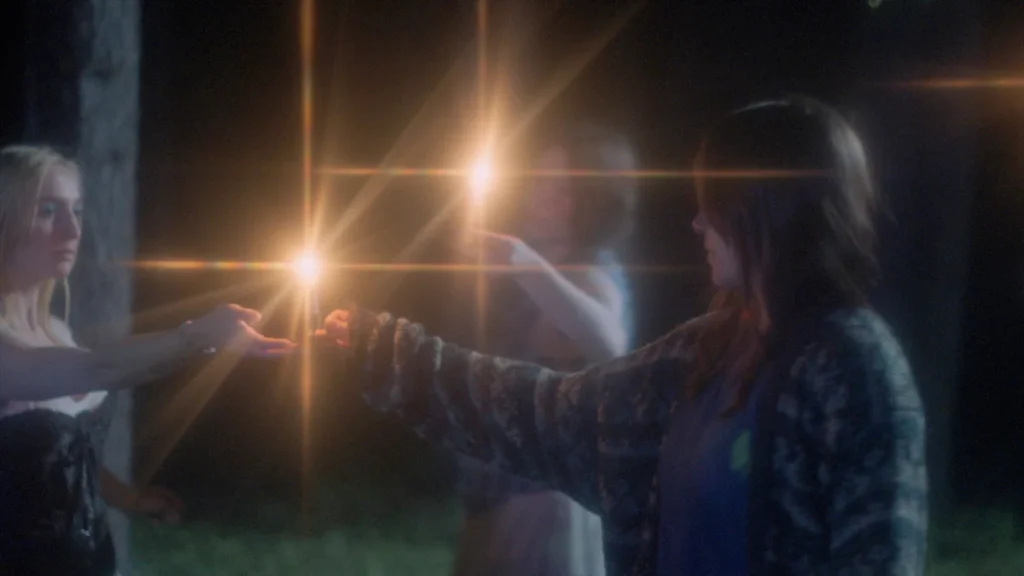
The collaboration between Avalon Fast and Jillian Frank is rooted in a shared history of DIY filmmaking that began gaining international attention with the release of Honeycomb. That project, which Fast directed and Frank contributed to significantly, explored the darker, more visceral aspects of girlhood through a lens that blended horror with coming-of-age tropes. Honeycomb’s success on the festival circuit, including screenings at Slamdance and the Fantasia International Film Festival, established Fast as a formidable voice in the "low-budget, high-concept" space.
Following Honeycomb, the duo worked on CAMP, a feature that further leaned into grisly, supernatural elements while maintaining a distinctively "homespun" aesthetic. These early works were characterized by their ability to maximize limited resources, often utilizing non-professional actors and naturalistic lighting to create a sense of grounded unreality. Fast’s career has also been marked by a prolific series of collaborations with other boundary-pushing filmmakers. She contributed to Louise Weard’s transgressive Castration Movie series and recently starred in The Serpent’s Skin, a Buffy-inspired feature directed by 21-year-old Australian filmmaker Alice Maio Mackay.
Drinking and Driving marks a departure from the supernatural horror elements that defined Fast’s earlier work. Instead, the film focuses on the "stagnant, stubborn haze of youthful nescience." By stripping away the genre trappings of her previous films, Fast and Frank aim to capture a specific type of North American malaise—one where the parties never end, consequences are deferred, and the transition into adulthood is perpetually stalled.
Production Background and Aesthetic Direction
The production of Drinking and Driving was uniquely decentralized, reflecting the "hometown" themes central to its plot. The film was shot across several different locations in Canada, representing the various hometowns of the cast and crew. This geographic diversity contributes to a sense of universal anonymity, reinforcing the directors’ description of the film as a trip to a "hometown you didn’t grow up in."
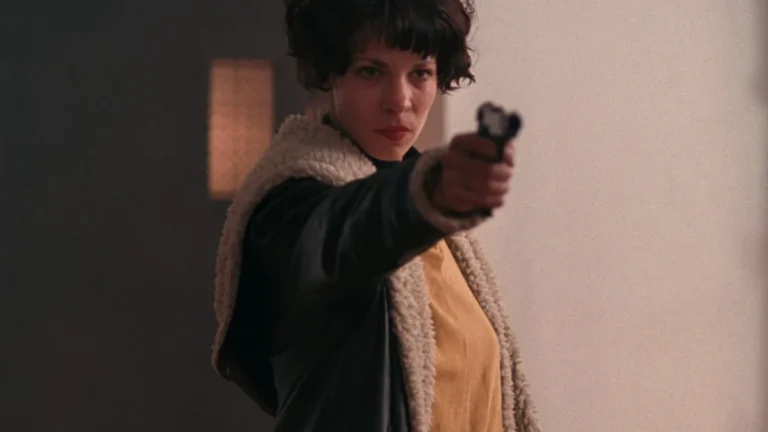
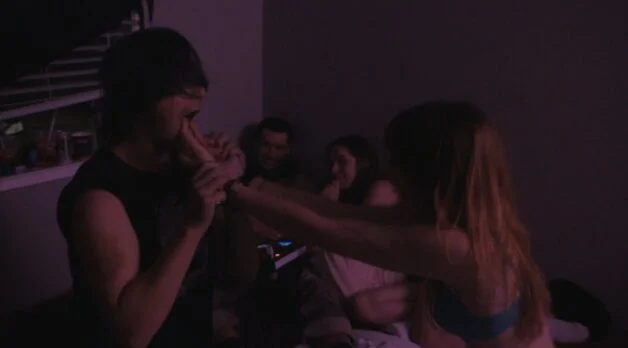
Visually, the film utilizes handheld cinematography captured by Jacob Glickman. The aesthetic is intentionally lo-fi, evoking the digital textures of the early 2000s and late 1990s. This choice serves a dual purpose: it grounds the film in a specific era of digital nostalgia while allowing for an intimate, documentary-style observation of the characters’ reckless behavior. A recently released clip from the film illustrates this approach, featuring the characters Palmer and Iris engaging in "day drinking" and performing donuts in a deserted dirt lot while blasting music. The use of natural light and erratic camera movements aims to project a sense of "reckless abandon" that resonates across generational lines.
The decision to cast themselves in the lead roles further blurs the line between fiction and reality, a common trait in contemporary "mumblecore" or DIY cinema. By placing themselves at the center of the narrative, Fast and Frank exert total control over the film’s emotional temperature, ensuring that the portrayal of Iris and Palmer remains authentic to their vision of youthful aimlessness.
Chronology of Development and Festival Circuit Debut
The development of Drinking and Driving followed the successful reception of CAMP in late 2023. Fast and Frank began conceptualizing a project that would move away from the "blood and guts" of their previous horror-adjacent work toward a more character-driven, observational style.
- Late 2023: Initial principal photography began across various Canadian provinces, utilizing a skeleton crew and mobile equipment to facilitate shooting in multiple hometowns.
- Early 2024: The film entered post-production, where the lo-fi digital aesthetic was refined to emphasize the "hazy" nature of the narrative.
- March 2024: Muscle Distribution acquired the rights to the film, signaling a push for a wider independent release following its festival run.
- April 11, 2024: The world premiere is set for the Los Angeles Festival of Movies, a venue known for highlighting experimental and personal storytelling.
The Los Angeles Festival of Movies has become an important platform for filmmakers who operate outside the traditional studio system. By selecting Drinking and Driving for its 2024 lineup, the festival reinforces its commitment to what it describes as "personal storytelling, experimentation, and a DIY spirit."
Industry Analysis and the Rise of the Hangout Film
Drinking and Driving arrives at a time when the "hangout film"—a genre popularized by directors like Richard Linklater and Quentin Tarantino—is seeing a resurgence in the independent sector. Unlike plot-heavy thrillers or traditional dramas, hangout films prioritize character interaction and atmosphere over narrative progression. In the case of Fast and Frank’s latest work, the "hangout" is tinged with the nihilism of the 20-something experience in the 2020s.
The film’s focus on "drinking and driving" as a central motif is likely to provoke discussion regarding its portrayal of dangerous behavior. However, within the context of the film’s "realistically raw" mission statement, these actions are presented as symptoms of a deeper existential stagnation rather than glorified rebellion. The "unified confusion" mentioned in the film’s synopsis suggests a thematic interest in the lack of clarity and direction facing modern youth, particularly those in isolated or economically stagnant environments.
Data from independent film distribution trends suggests that lo-fi, high-authenticity films are finding significant audiences on streaming platforms and at niche festivals. Muscle Distribution, the company handling the film’s release, has a history of supporting transgressive and unconventional cinema, positioning Drinking and Driving for a potential cult following.
Broader Implications and Official Perspectives
In statements regarding the film’s intent, Fast and Frank have emphasized the experiential nature of the project. They describe the movie as a "trip you didn’t ask for," suggesting that the viewer is intended to feel the same sense of disorientation and drift as the characters. This approach aligns with a broader movement in Canadian independent film that seeks to deconstruct national identity by focusing on the hyper-local and the mundane.
The inclusion of Drinking and Driving in the LAFM lineup also highlights the growing influence of the "Vancouver Island" and broader British Columbia filmmaking scenes, which have produced a string of successful DIY features over the last five years. These filmmakers often share resources, actors, and crew members, creating a self-sustaining ecosystem that bypasses the need for traditional funding bodies.
As the film prepares for its world premiere, the focus remains on its ability to capture the specific "haze" of a generation caught between the digital nostalgia of the past and an uncertain future. Following the April 11 premiere, Muscle Distribution is expected to announce further festival dates and a limited theatrical or VOD release schedule. The film stands as a testament to the viability of DIY cinema in an era where technical barriers to entry are lower than ever, but the demand for unique, authentic storytelling remains high.