Taiwanese actress and writer Wu Ke-Xi, a prominent figure in contemporary Asian cinema, is currently experiencing a surge in recognition as her impactful collaborations with filmmaker Midi Z become more widely accessible through streaming platforms like Film Movement. Her filmography, marked by a distinct blend of gritty realism and profound social commentary, has cemented her reputation as an artist unafraid to tackle challenging themes. This newfound accessibility offers a valuable opportunity to delve deeper into her artistic evolution, from her formative years in theater and dance to her significant transition into screenwriting, a journey intrinsically linked to her creative partnership with Midi Z.
Wu Ke-Xi’s artistic trajectory began far from the silver screen. Years spent honing her craft in theater laid a crucial foundation for her later cinematic endeavors. Simultaneously, her early aspirations of becoming a singer fueled a passion for performance, manifesting in her involvement with hip-hop dance. This diverse background provided a unique lens through which she approached acting, a stark contrast to the more conventional paths often seen in the entertainment industry. Her initial foray into filmmaking was through a short film with Midi Z, an experience that proved to be a pivotal moment.
“That’s an interesting question,” Wu Ke-Xi reflected when asked about the evolution of her creative relationship with Midi Z. “Well, in the beginning, we first collaborated on a short film. That’s how we met. Before working with him on this short, I did theater for many years, and I was also an amateur hip-hop dancer because I wanted to be a singer when I was little. That’s what I mainly got to see on TV growing up. Singing. But then it was a long way for me to find what I really would love to do.”
The revelation of cinema’s power struck Wu Ke-Xi during her early work with Midi Z. The immersive, often improvisational, nature of their initial projects opened her eyes to a new dimension of storytelling. “So I was performing in theater, and then after I started working with him on this short, I was stunned and in awe of the short-making process because I had no idea what that was. Later, I figured out that this is something I really wanted to do: cinema. He basically taught me what real cinema was.”
The Genesis of a Cinematic Partnership
The burgeoning political climate in Myanmar (formerly Burma) in the early 2010s served as a crucial backdrop for the early collaborations between Wu Ke-Xi and Midi Z. Following the nation’s announcement of a period of political opening and the release of Aung San Suu Kyi, a sense of renewed possibility permeated the region. Midi Z, whose heritage is Burmese, recognized this as a pivotal moment to return and document the unfolding realities of his homeland. This historical context directly influenced the production of their first feature-length collaboration, "Poor Folk."
"He showed me a lot of films that I had never seen before, such as ‘The Time to Live and the Time to Die’ by Taiwanese director Hou Hsiao-Hsien. He also showed me many of Jia Zhangke’s films and Zhang Yimou’s ‘The Story of Qiu Ju.’ I was mesmerized by those films, and I started to work on how to become characters like the ones in those movies. Basically, we started making many films in Burma because, after we finished the short, Burma announced that they were going to open up and release Aung San Suu Kyi. So, Midi Z felt it was a good time to go back to Burma to shoot his first feature film, ‘Poor Folk.’"
The filmmaking approach adopted by Wu Ke-Xi and Midi Z in these early stages was characterized by its unconventional, script-free methodology. This resonated with Wu Ke-Xi, drawing parallels to the work of directors like Terrence Malick. This improvisational style allowed for a raw and authentic portrayal of life, often involving Wu Ke-Xi acting alongside local non-professional actors, further enhancing the documentary-like feel of their productions.
"Together, we made many improvisational films without scripts, similar in style to Terrence Malick. It’s that kind of artistic cinema: no scripts, just improvising. I’d be the only actor, but I’d also act with the local people. So, stage by stage, I gradually came to understand what filmmaking is, and then we went to many film festivals and started reading a lot of reviews for our films. I started to realize ‘Oh, okay! Interesting!’ With all these professional turns, all this kind of knowledge came to my mind. I absorbed a lot over many, many years, and then, gradually, I felt like I wanted to write something, create something by myself. So I wrote the script for ‘Nina Wu’ and became a screenwriter. Basically, the whole collaboration with Midi Z is really amazing because it’s a transformation of my understanding of myself and of what cinema means to me."
Deep Immersion and Methodical Preparation
Wu Ke-Xi’s commitment to embodying her characters is most profoundly illustrated in her preparation for "The Road to Mandalay." The film, which unflinchingly examines the plight of immigrants and refugees, demanded a level of immersion that went far beyond traditional acting techniques. Her dedication to authenticity led her to adopt a rigorous method acting approach, deeply influenced by her theatrical background and actively encouraged by Midi Z.
"Following ‘Poor Folk,’ what drew you to work with Midi Z again?" was a question that elicited a response highlighting the sheer joy and freedom she found in their early collaborative process. "’Poor Folk’ was the first feature film that we worked on together. Basically, we just bought tickets, went to Thailand, and improvised without a script. It was really fun and so exciting. I really love this kind of life, because it’s such a free way of filmmaking. Following this, of course, I wanted to work with him again on more films."
The evolution continued with "Ice Poison," a film that maintained the improvisational spirit but saw a slight expansion of the crew, incorporating more international talent. This gradual professionalization, while still operating on a lean budget and tight schedule, marked a significant step in their development as filmmakers. "A year later, we made ‘Ice Poison.’ We still made it mostly without a script, but this time we brought over three or four more Taiwanese crew members to Burma. The crew was getting bigger—more international now—though it still only added up to seven people. We shot it within ten days, and once it was completed, it premiered at the Berlin International Film Festival. It was a very exciting process working on it. Later on, we made ‘The Road to Mandalay,’ which is a more industry-standard work with a more reasonable budget. Stage by stage, we just tried to learn, without attending any film schools."
For "The Road to Mandalay," Wu Ke-Xi’s preparation was a testament to her dedication. "I practiced the so-called method acting that I learned through theater, and Midi Z encouraged me to do all the homework that I wanted to do. So I learned Thai three months before going to Thailand to shoot because my character was supposed to be able to speak some Thai. We went there two months before the shooting, and I worked in the real factory you see in the film every day from 7 a.m. to 4 p.m. for two months."
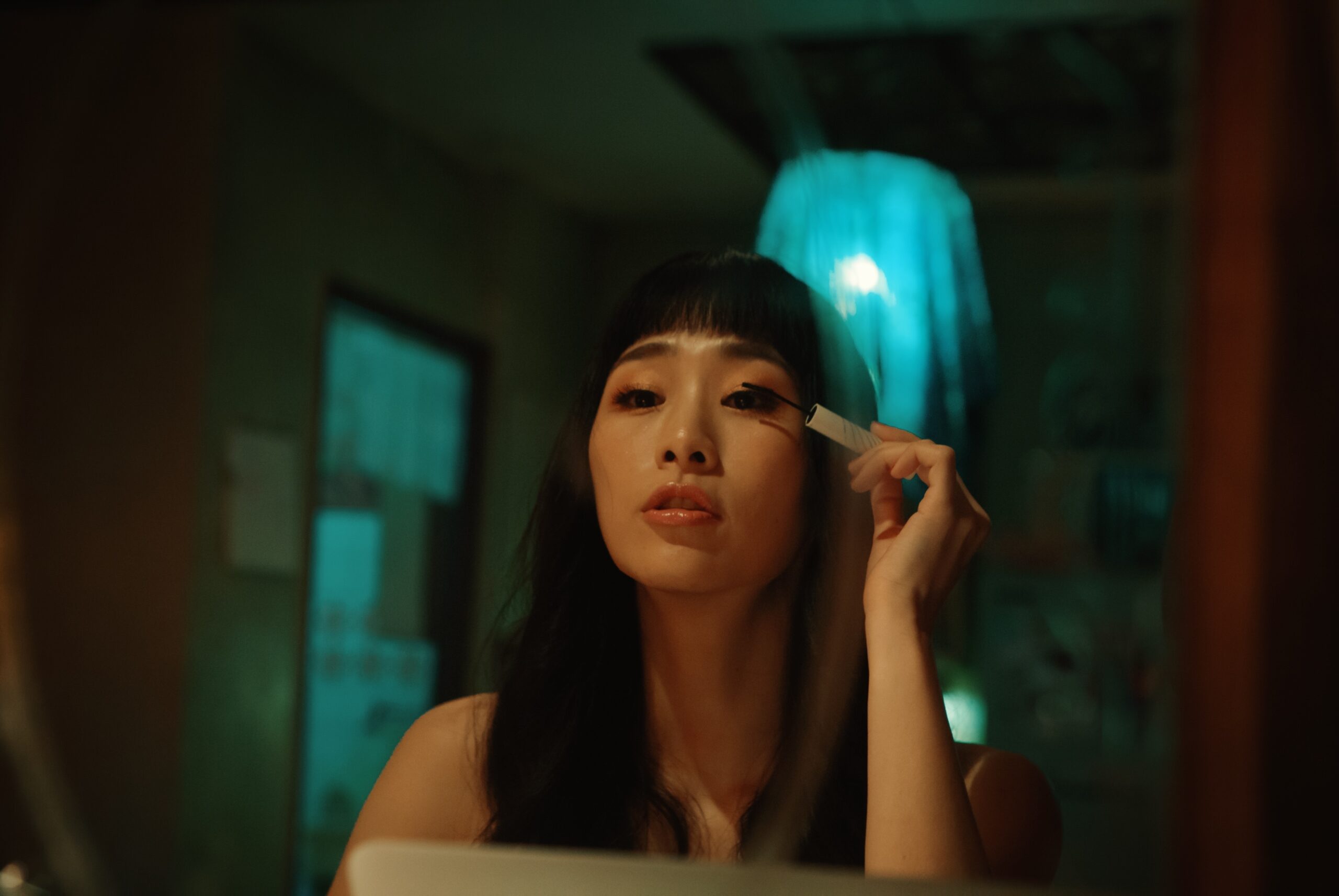
This extended period of immersion allowed her to authentically inhabit the life of a migrant worker. She not only learned the language but also integrated herself into the daily routines of the factory, a stark contrast to the glitz and glamour often associated with the film industry. "Yeah. None of the workers knew we were actors. It was like we were just from there, and we were the new coworkers. So, I could speak Thai with them, and we became really good friends. The moment we shot the film, I remember when the whole crew came to the factory, it felt so weird, almost as if they were the foreigners in that situation. Basically, through all that, I learned how to operate all the machines because I had been doing it for two months."
The physical demands of the role were equally intense. To portray a character shaped by hardship and resilience, Wu Ke-Xi underwent significant weight loss, pushing her body to its limits. "Also, we had to lose a lot of weight. I remember I was so hungry and starving every day. I think my BMI was under 18. After work every day, around 4 p.m., we would work out, such as running or playing basketball, in order to lose more weight. Because my character is really a determined, tenacious woman, I really wanted to achieve that kind of state. The training really helped me because I was determined to go to work every day and was trying to lose more weight. This was all so that when I played the character, I’d be very focused."
The Dual Role in "Nina Wu": Writing and Performing
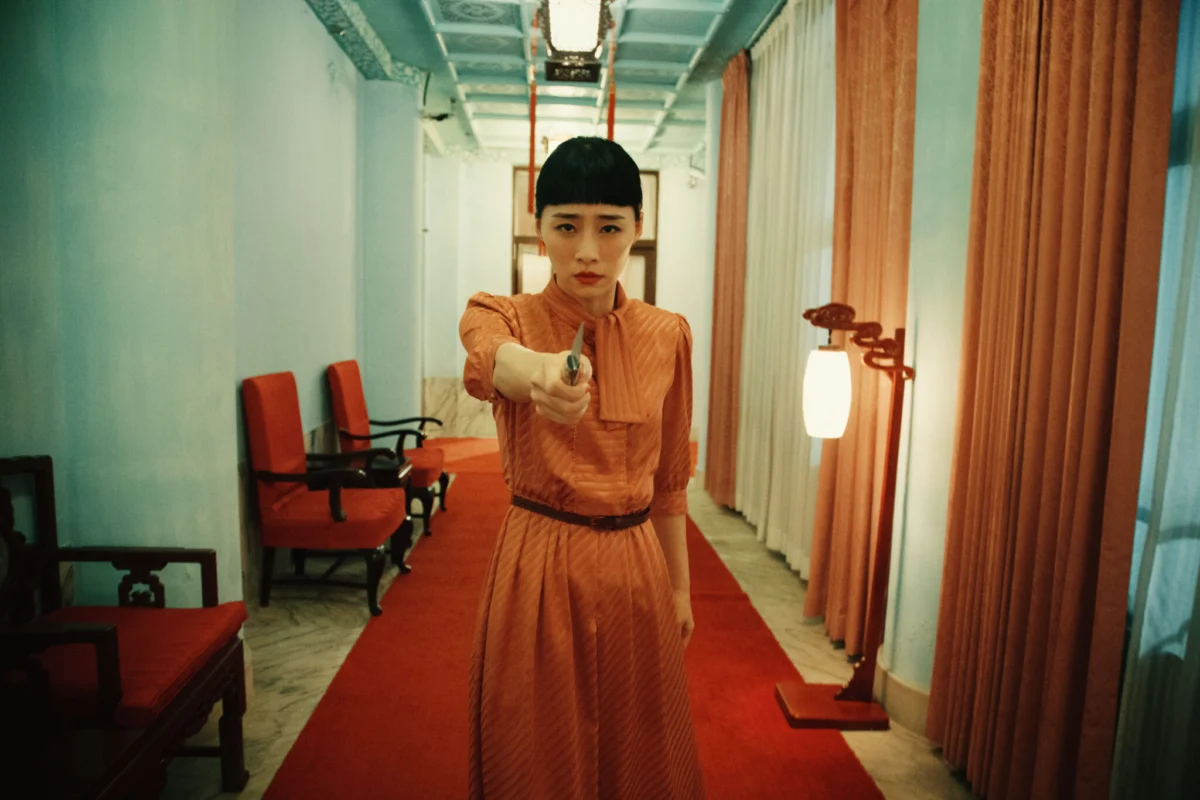
The creation of "Nina Wu" represents a significant milestone in Wu Ke-Xi’s career, marking her transition from a celebrated actress to a credited screenwriter. Her dual involvement in both writing and performing the lead role in a film that tackles the sensitive subject of abuse and exploitation within the entertainment industry presented a unique set of challenges and opportunities.
"For ‘Nina Wu,’ since you were involved in writing the screenplay and playing the lead, did that dual involvement change the way you approached this role, especially given the film’s exploration of abuse and exploitation in the entertainment industry?" The question delves into the complex interplay between creation and interpretation.
Wu Ke-Xi explained that despite her intimate knowledge of the script from its inception, the process of embodying the character still required a distinct preparation phase. "Well, it’s interesting because, although I wrote the script, when I actually started preparing for the role, I still had to go through the whole process of preparation. Although I knew all the motives of the character, I was thinking that I could still try this and that, or that I didn’t need to actually play myself. For nearly every scene in the film, I can tell you the inspiration behind writing it—as well as the kinds of experiences I had in the past while trying to pursue this acting dream. But once I started playing the role, I was still searching for another way into the character. It felt largely the same, yet this time I was overwhelmed—seeing the whole film from a different perspective for the first time. I know all the characters so well, and it’s almost like there’s another version of me that appears when I act, shaped by the director’s vision. So when the characters behaved differently on screen, I found myself thinking, ‘Hmm. Why? Okay. Interesting.’ That had never happened to me when I was just an actress."
The film’s subject matter, inspired by the global #MeToo movement, resonated deeply with Wu Ke-Xi, compelling her to share her own experiences and offer support to survivors. The societal reactions to victims coming forward, often met with skepticism and blame, particularly fueled her desire to create "Nina Wu."
"Regarding what happens in the film, is it challenging for audiences? Of course. I really wanted to share this movie with audiences because I remembered the first thought that inspired me to write the screenplay. It was back when the #MeToo movement was happening, and I started reading the news every day; there would be a whole new story almost every day. That’s also when I felt compelled to share my own personal experiences and thoughts while expressing my support for those victims. I remember when many people came forward with their stories and were blamed for it. People would say, ‘Why did you come out so late after being exploited or hurt? That was 15 years ago. Was it because you wanted fame or money? Is that why you came forward?’ It can be difficult for people to understand this side of human experience, the lasting effects of trauma, which can include mental illness and PTSD, that some people can carry and suffer from for the rest of their lives."
A Forward-Looking Artistic Vision
As Wu Ke-Xi continues to navigate her multifaceted career, her approach to selecting projects has evolved, driven by a desire for artistic growth and meaningful collaboration. The opportunity to work with international talent and engage with projects that spark her passion are key considerations.
"Having taken on a range of emotionally demanding roles, what draws you to a project at this stage in your career?" Her answer underscores a commitment to creative partnerships that foster inspiration. "I mean, I would love to work with more international talents and on projects that excite me. Also, I love working with someone who can inspire me. I think that’s something I really want to work with and continue to hold on to going forward."
While her instincts for choosing roles remain a guiding principle, the experience of screenwriting has undoubtedly broadened her perspective. Her current focus is on developing her own narratives and bringing them to fruition, a testament to her agency in shaping her cinematic output.
"When reflecting on your career, has your approach to choosing roles changed since your earlier work, or do you follow the same instincts?" Wu Ke-Xi affirmed the enduring influence of her instincts while acknowledging the transformative impact of her screenwriting endeavors. "I think I will continue to follow my instincts, like before. But I think it has changed a bit since I started writing scripts. I’m still writing a lot of scripts that I want to tell, films I really want to make. That is one of the very important parts of my life. But I’m also waiting for more projects that I can be on board for and contribute to."
The accessible availability of her films with Midi Z offers audiences a chance to witness the raw power and nuanced performances that have defined Wu Ke-Xi’s rise. Her journey, marked by a fearless exploration of complex social issues and a dedication to authentic storytelling, positions her as a vital voice in contemporary cinema, with her dual role as actress and writer promising further compelling contributions to the global film landscape. The continued success and critical reception of her works suggest a growing appreciation for the kind of cinema that challenges, provokes, and ultimately, illuminates the human condition.