When Brandon Riegg joined Netflix a decade ago to spearhead its foray into unscripted programming, the landscape of reality television was dominated by long-standing linear giants. Chief among them was ABC’s The Bachelor, a franchise that had defined the "romance-competition" genre for nearly two decades. Riegg, a veteran of NBC and ABC who had overseen hits like The Voice and America’s Got Talent, viewed the traditional format as increasingly disconnected from reality. He perceived the established models as "contrived," characterized by high-gloss production values and repetitive tropes like group dates and lavish European excursions that bore little resemblance to the actual experiences of modern singles.
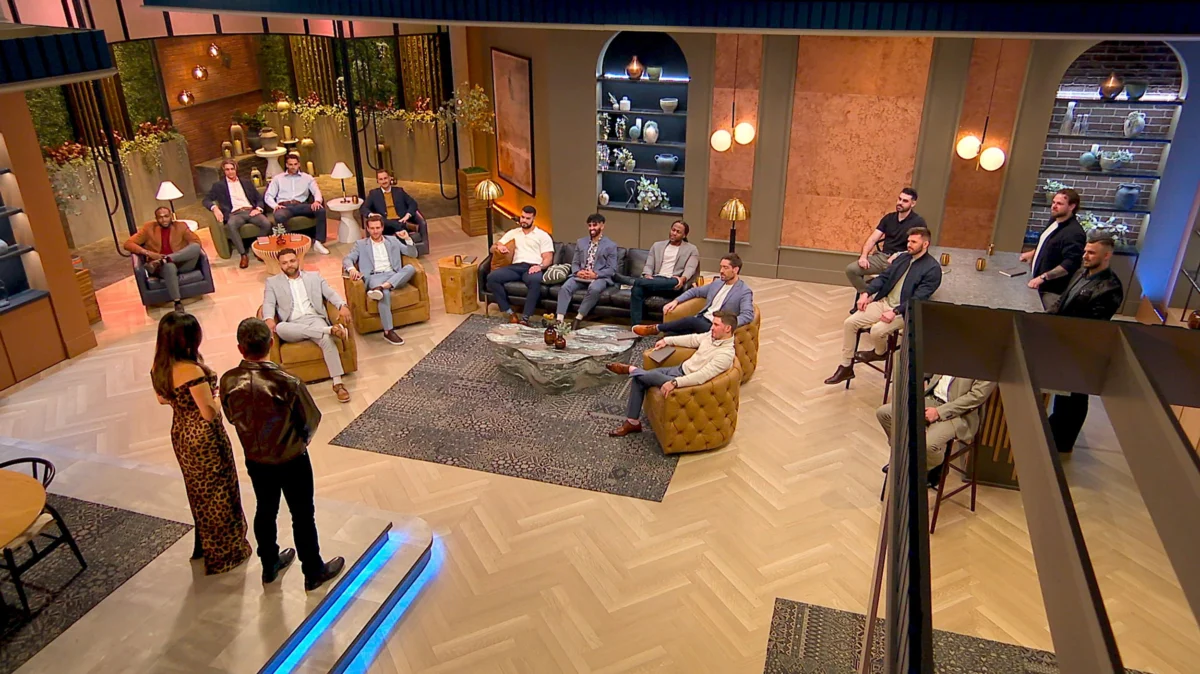
Riegg’s objective was to pivot toward "authenticity," a goal that culminated in the 2020 launch of Love Is Blind. The show, marketed as a social experiment where contestants form emotional bonds in isolated "pods" without seeing one another, became an immediate cultural phenomenon. Since its debut, the series has garnered over 215 million views and expanded into nine international markets, including Brazil, Japan, and the United Kingdom. This success has solidified Netflix’s position as a dominant force in the unscripted space, leading to a diverse slate of programming that includes Love on the Spectrum, which documents the dating lives of individuals on the autism spectrum, and Age of Attraction, a series where age gaps are hidden until a commitment is made.
However, as Netflix’s reality empire grows, it faces mounting scrutiny regarding its casting choices, the political ideologies of its participants, and the ethical responsibilities of producers toward their cast members.
A Chronology of Disruption in the Reality Landscape
The transition of reality TV from linear broadcasting to streaming platforms marked a significant shift in how content is produced and consumed. In the early 2000s, shows like Survivor and The Bachelor relied on the "appointment viewing" model, where high-stakes drama and cliffhangers were designed to keep audiences returning week after week. By the time Riegg arrived at Netflix in 2014, the audience’s appetite was shifting toward bingeable, character-driven narratives that felt less scripted.
The 2020 premiere of Love Is Blind arrived at a pivotal moment. As global lockdowns began, the show’s premise—physical isolation and the search for connection—resonated with a homebound audience. Its success allowed Netflix to bypass the traditional pilot season, moving straight to multi-season orders and global spin-offs. While the franchise flourished, its predecessor and primary competitor, The Bachelor, began to falter. Recent seasons of the ABC franchise have been plagued by controversy, most notably the cancellation of a recent season following a domestic violence incident involving influencer Taylor Frankie Paul. This decline in legacy media has provided Netflix with the opportunity to redefine the genre’s standards.
The Ideological Intersection of Modern Dating
Despite its commercial success, Love Is Blind has recently drawn criticism for the perceived ideological leanings of its male contestants. Observers and critics have noted a shift in recent seasons toward participants who appear to align with the "manosphere"—a digital subculture characterized by hyper-masculinity and often conservative or reactionary views on gender roles.
The show’s seventh season, set in Ohio, became a flashpoint for this discussion. Contestant Chris Fusco drew significant backlash for on-screen comments where he compared his interpersonal style to that of Andrew Tate, a controversial influencer currently facing human trafficking charges in Romania. Fusco’s emphasis on "dominance" and his eventual breakup with fiancée Jessica Barrett—citing her fitness habits as a primary factor—sparked a wider conversation about the types of individuals Netflix is casting. Another participant, Alex Henderson, was identified as a "crypto-enthusiast" and an outspoken supporter of Donald Trump.
These casting choices have led some to question whether Netflix is intentionally leaning into conservative archetypes to capture a broader, perhaps more politically right-leaning demographic. Riegg, now Netflix’s Vice President of Nonfiction Series and Sports, denies any such directive. He maintains that the political makeup of the cast is often a reflection of the geographic locations where the seasons are filmed.
"Half the country voted for Trump," Riegg noted, suggesting that the presence of conservative participants is a statistical inevitability rather than a calculated strategy. He characterized the production’s stance as "neutral," asserting that the "luck of the draw" dictates the ideological leanings of a cast depending on whether a season is filmed in a liberal stronghold or a more conservative region.
The Gap Between Reality and the Edit
One of the primary tensions in reality television is the discrepancy between the raw footage and the final "story" presented to the audience. Jessica Barrett, a physician and self-described liberal who appeared in the Ohio season, has stated in post-show interviews that she proactively screened potential partners by asking about their political affiliations and voting history. However, these conversations were largely absent from the final broadcast.
Riegg attributes these omissions to the demands of narrative pacing and "story" prioritization. He suggests that while political alignment is a major factor in real-world dating, it may not always serve the dramatic arc the producers are trying to build. He acknowledged the prevalence of "political dealbreakers" in the modern dating market, sharing an anecdote about a personal friend who insisted on avoiding "MAGA" supporters when being set up. "I hadn’t even thought of that," Riegg admitted, highlighting a possible disconnect between the priorities of the production team and the lived realities of contemporary daters.
This disconnect is supported by recent data regarding the intersection of politics and intimacy. According to a 2025 survey conducted by DatingAdvice.com in collaboration with the Kinsey Institute, there is a measurable rise in voluntary celibacy among Gen Z women. Notably, 64 percent of these women cited political differences as a primary reason for their decision to abstain from dating. The survey suggests that for younger generations, political identity has become an inextricable component of romantic compatibility, a factor that reality television is only beginning to grapple with.
The "Quality Man" Paradox and Industry Ethics
Beyond the political divide, Riegg touched upon a broader social phenomenon that complicates the casting process: the perceived shortage of "quality men" available for both television and real-world relationships. He noted that while he has many "great female friends," he finds it significantly more difficult to find comparable men to introduce them to, suggesting that the casting struggles seen on Love Is Blind may be symptomatic of a wider societal issue.
This difficulty in finding suitable participants also feeds into the debate over the ethics of reality TV. The genre has long been criticized as inherently exploitative, a sentiment bolstered by recent Netflix documentaries that have exposed the psychological stress and controversial behind-the-scenes practices of older shows like The Biggest Loser and America’s Next Top Model. These programs often utilized extreme calorie restriction, isolation, and manipulative editing to generate ratings.
Riegg asserts that Netflix has implemented a higher "duty of care" standard to protect its cast members from the pitfalls of sudden fame and the pressures of filming. This includes providing access to professional therapy both during and after production. When asked if the genre is fundamentally exploitative, Riegg argued that participation is entirely voluntary. He noted that twenty-five years after the debut of Survivor, potential contestants are fully aware of the risks and rewards associated with the format. "I don’t think anybody’s unaware of the pros and cons," he stated.
Broader Implications for the Future of Unscripted Content
The evolution of Netflix’s unscripted slate reflects a broader trend in the entertainment industry where "social experiments" are replacing traditional competitions. By focusing on niche demographics—such as the neurodivergent community in Love on the Spectrum or the age-disparate couples in Age of Attraction—Netflix is expanding the boundaries of what constitutes "reality" on screen.
However, the challenges remain significant. As political polarization intensifies, the "neutrality" claimed by executives like Riegg may become harder to maintain. If viewers feel that the casting choices reflect a specific ideological bias—or if participants feel that their core values are being edited out to suit a narrative—the "authenticity" that Netflix seeks to champion may be compromised.
Furthermore, the rise of "tell-all" culture and the increasing transparency of production practices mean that streamers must be more diligent than ever. The success of Love Is Blind has created a new blueprint for global television, but it has also created a new set of expectations regarding the mental health and representation of its stars. As Netflix continues to expand its reality offerings into new markets and demographics, the balance between high-stakes entertainment and ethical responsibility will remain the central challenge for the next decade of unscripted programming.