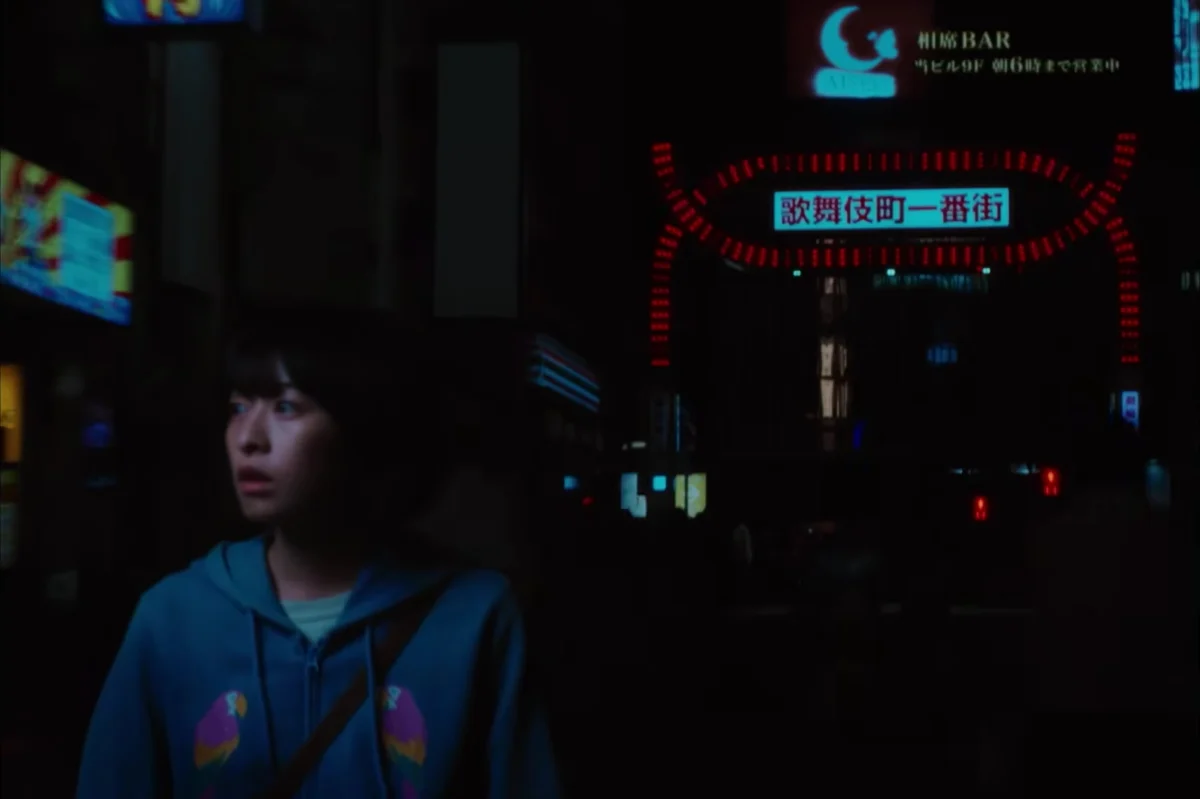
Makoto Nagahisa’s "Burn," a searing exploration of adolescent alienation and the precarious search for belonging, is set to captivate audiences at the upcoming Toronto International Film Festival (TIFF), with screenings commencing on April 17th. The film centers on Ju-Ju, a runaway teenager portrayed by Nana Mori, whose past work in "Kokuho" garnered critical attention. Ju-Ju finds an unlikely sanctuary within the vibrant, yet often volatile, community of youths inhabiting Tokyo’s renowned Kabukicho district. For a fleeting period, this chaotic milieu offers her a semblance of family, a stark contrast to her previous isolation. However, as the fragile bonds within this found family begin to fray and desperation takes root, the very haven that once embraced Ju-Ju transforms into a suffocating labyrinth, compelling her to confront the daunting task of reclaiming agency over her own life.
A Descent into the Nightmarish Heart of Youthful Rebellion
"Burn" masterfully intertwines the universal complexities of adolescence with a visual language that is both highly stylized and deeply unsettling. Director Makoto Nagahisa employs a surreal and often nightmarish aesthetic to convey the internal turmoil of his young protagonists. Through a distinctly Japanese cultural lens, the film presents a raw and unflinching examination of teenage resilience and the desperate measures individuals will take to survive in environments that offer little hope. Initially, the narrative unfolds as a seemingly rebellious coming-of-age story, drawing viewers into Ju-Ju’s world with its promise of freedom and camaraderie. Yet, as the story progresses, this initial impression gradually erodes, giving way to a darker, more disorienting experience as Ju-Ju finds herself spiraling deeper into an emotional and existential abyss.
The film’s thematic resonance with the struggles of marginalized youth is particularly pertinent in the current global context. Reports from organizations like UNICEF consistently highlight the vulnerability of teenagers who are displaced or disconnected from stable familial structures. These young people often seek alternative forms of community, which can be found in urban subcultures or transient social groups. Kabukicho, with its reputation as a bustling entertainment district and a hub for diverse subcultures, serves as a potent backdrop for such a narrative. The district’s history as a post-war hub for nightlife and its subsequent evolution into a complex urban landscape with both dazzling allure and shadowed undercurrents, provides a fertile ground for exploring the themes of escapism and the search for identity.
The Genesis of "Burn" and Makoto Nagahisa’s Vision
Makoto Nagahisa, a filmmaker known for his distinctive visual style and his ability to delve into unconventional narratives, brings a unique perspective to "Burn." While specific details regarding the film’s pre-production and the director’s direct inspiration remain proprietary, his previous works, such as his acclaimed short film "And So We Put Gerbils in Uteruses Across the Nation," have demonstrated a penchant for surrealism and a keen eye for capturing the emotional intensity of youth. This background suggests that "Burn" is likely to be a visually ambitious film, employing innovative cinematography and sound design to immerse the audience in Ju-Ju’s subjective experience.
The casting of Nana Mori as Ju-Ju is a significant element. Her prior performance in "Kokuho" indicated a capacity for nuanced portrayal of complex characters, suggesting she possesses the depth required to embody a teenager grappling with such profound challenges. The chemistry between Mori and the ensemble cast portraying the misfit youths of Kabukicho will undoubtedly be crucial in conveying the film’s central theme of attempted familial connection.
A Timeline of Ju-Ju’s Descent
The narrative arc of "Burn" can be broadly understood as a progression through distinct phases:
- Initial Flight and Discovery: Ju-Ju, driven by circumstances not explicitly detailed but implied to be dire, flees her original environment. She arrives in Kabukicho, a place of overwhelming stimuli and anonymity.
- The Allure of Belonging: She encounters a group of youths who, themselves on the fringes of society, offer her acceptance. This period is characterized by a sense of shared experience, albeit one tinged with recklessness and a disregard for conventional societal norms. This phase likely depicts moments of genuine connection and ephemeral joy, masking the underlying precariousness of their existence.
- Cracks in the Facade: As the group’s reliance on each other intensifies, internal conflicts and external pressures begin to surface. Resource scarcity, ideological disagreements, or the looming threat of authorities could contribute to a breakdown in trust and loyalty.
- The Transformation of Sanctuary: What once felt like a haven becomes increasingly oppressive. The lack of clear boundaries, the escalating desperation, and the weight of their shared predicament create a suffocating atmosphere. Ju-Ju’s initial sense of freedom gives way to a feeling of being trapped.
- The Reckoning and Reclaiming: Faced with the overwhelming negativity of her situation, Ju-Ju is forced to confront the illusion of safety she had found. This phase marks her internal struggle to extricate herself from the destructive cycle and to forge a path toward self-determination. This is likely where the film’s exploration of resilience and survival culminates.
Supporting Data: Adolescent Vulnerability and Urban Subcultures
The societal context in which "Burn" is set is crucial for understanding its thematic weight. Data from various sources underscores the challenges faced by young people in urban environments, particularly those who are disengaged from mainstream society:
- Youth Homelessness: In Japan, as in many developed nations, youth homelessness remains a significant issue. While precise figures are difficult to ascertain due to the transient nature of the population, estimates suggest thousands of young people live on the streets or in precarious housing situations. These individuals are often vulnerable to exploitation, substance abuse, and mental health challenges.
- The Lure of Subcultures: Urban centers like Tokyo provide fertile ground for the formation of subcultures, which can offer a sense of identity and belonging for marginalized youth. Kabukicho, with its diverse nightlife and entertainment offerings, can attract individuals seeking an escape from societal pressures or looking for alternative communities.
- Mental Health Statistics: Adolescent mental health is a growing concern globally. Factors such as family instability, peer pressure, and societal expectations can contribute to anxiety, depression, and other mental health issues, particularly among vulnerable youth. The film’s portrayal of a "suffocating" environment likely reflects the psychological toll of such circumstances.
- Resilience in the Face of Adversity: Despite the grim realities, research consistently highlights the remarkable resilience of young people. Many who have experienced trauma or hardship develop coping mechanisms and a strong will to survive. "Burn" appears poised to explore this aspect of the human spirit.
TIFF’s Role in Showcasing Global Cinema
The inclusion of "Burn" in the Toronto International Film Festival lineup is a testament to its perceived artistic merit and its potential to resonate with an international audience. TIFF is one of the world’s largest and most prestigious public film festivals, renowned for its commitment to showcasing diverse cinematic voices and its role in launching films into the global market.
The festival’s programming committee, which meticulously selects films from thousands of submissions, would have identified "Burn" as a work that offers a unique perspective and contributes to the broader discourse on contemporary cinema. Its selection signals that the film is considered to be of significant artistic quality and cultural relevance. The festival serves as a crucial platform for independent filmmakers to gain exposure, secure distribution deals, and connect with critics and audiences worldwide. For "Burn," this means an opportunity to reach a global audience and spark conversations about its themes.
Potential Implications and Broader Impact
The screening of "Burn" at TIFF carries several potential implications:
- Increased Awareness of Youth Issues: By shining a spotlight on the experiences of runaway and marginalized youth, the film has the potential to foster greater public understanding and empathy for these often-overlooked segments of society. This could, in turn, lead to increased support for organizations working to assist vulnerable young people.
- Artistic Recognition for Makoto Nagahisa and Nana Mori: Successful festival runs often translate into critical acclaim and career opportunities for filmmakers and actors. "Burn" could elevate Nagahisa’s profile as a director and further solidify Mori’s reputation as a talented young actress.
- Cultural Exchange and Dialogue: As a Japanese film exploring universal themes of adolescence and belonging, "Burn" offers a valuable opportunity for cultural exchange. It allows audiences from diverse backgrounds to engage with Japanese society and its contemporary challenges through the medium of cinema.
- Critical Dialogue on Urban Life: The film’s depiction of Kabukicho and its subcultures could spark critical discussions about the complexities of urban life, the allure and dangers of nightlife districts, and the social structures that shape individual lives.
As April 17th approaches, the anticipation for "Burn" at the Toronto International Film Festival is palpable. The film promises a visceral and thought-provoking cinematic experience, delving into the heart of adolescent struggle with a unique artistic vision, and offering a timely exploration of resilience, family, and the arduous journey towards self-discovery. Its presence at TIFF signifies its potential to leave a lasting impression on both the film festival circuit and the broader cultural landscape.