


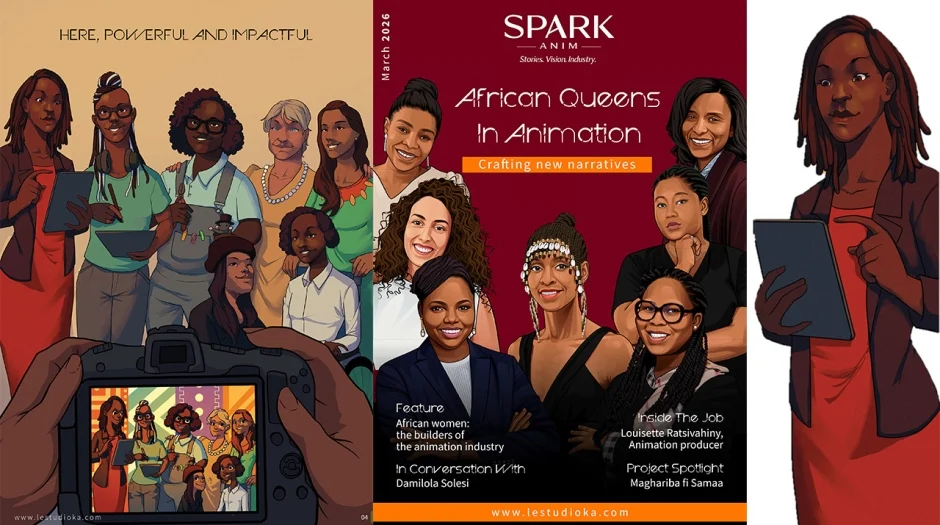
The latest installment of "SPARK," the monthly editorial platform meticulously curated by Studio K’ (led by founder Adja Soro), has officially been released, spotlighting the pivotal role of women in shaping the burgeoning animation industry across the African continent. This comprehensive 40-page digital publication, available as a free PDF download, delves into the multifaceted contributions of female pioneers, offering an in-depth conversation with Nigerian animation luminary Damilola Solesi of Smids Animation, and chronicling the groundbreaking production journey of Malagasy producer Louisette Ratsivahiny. The issue serves as a powerful testament to the growing influence and undeniable impact of African women within this dynamic global creative sector.
A Vision for African Animation: Inside "SPARK"
Adja Soro, the visionary behind Studio K’ and the editorial force behind "SPARK," articulated the publication’s core mission: "analyzing its realities, paradoxes, and future from the inside." Her personal reflections, embedded within the magazine’s introductory pages, offer a profound insight into the challenges and triumphs she has encountered as a woman navigating the complexities of the animation landscape. "Over the years, working in this sector, which is as economically complex as it is exciting, I have taken on many roles: screenwriter, reader, director, producer, mentor, lecturer, vice president of an association, academy member, jury member, editor… and so on. I had to adapt and grow quickly. Enter rooms where I wasn’t expected. What I was defending wasn’t just projects, but my legitimacy as an African woman in animation." Soro’s words underscore the systemic barriers that have historically existed, particularly for women of color seeking to establish themselves in traditionally male-dominated industries.

However, Soro’s narrative pivots towards an optimistic outlook, fueled by the tangible progress she observes. "Nevertheless, these years of immersion in the world of animation fill me with optimism because I see the number of African women growing at all levels of animation: those who are already working in the field and those who are still learning. Today, we are no longer trying to enter the industry, we are building it." This sentiment forms the bedrock of the current "SPARK" issue, dedicated entirely to celebrating the women who are not merely participating but actively driving the African animation industry forward. Soro urges readers to "Remember their names, because they are the torchbearers of a new wave of animation on the global stage."
Spotlight on Trailblazers: Women Leading the Charge
The March edition of "SPARK" is meticulously structured to highlight key themes and individuals making significant strides. The overarching narrative of the issue is that "African animation is evolving, and women are leading the shift." An inaugural article meticulously profiles African women who are actively shaping the animation industry across the continent. These profiles are not mere anecdotal accounts; they offer a "grounded look at the people driving real change, and the momentum behind them." The magazine asserts that these women, "From studio founders to directors, producers, and storytellers, these profiles highlight a generation that is building, structuring, and expanding the ecosystem with clarity and ambition." This focus is particularly significant given the global animation industry’s market value, which was estimated to be over $270 billion in 2022 and is projected to continue its upward trajectory. By amplifying these voices, "SPARK" contributes to a more equitable representation within this economically significant field.
Damilola Solesi: A Vision for Nigerian Animation
A cornerstone of the issue is an in-depth conversation with Nigerian director, producer, and writer Damilola Solesi, the driving force behind Smids Animation Studios. The article delves into the strategic evolution of Smids Animation, particularly its foray into television series with the animated show Keko, now available on YouTube, and the international acclaim garnered by the short film Hadu. Solesi’s vision, as presented in "SPARK," is rooted in "2D animation, with a strong Nigerian identity and a global outlook." This approach signifies a growing trend within African animation: the creation of content that is both culturally resonant and internationally competitive, challenging the long-held dominance of Western narratives. The success of Solesi’s work, and the platform "SPARK" provides for her insights, underscores the growing capacity and ambition within Nigeria, which has emerged as a significant hub for creative industries in Africa, contributing substantially to its GDP.

Twenty Profiles, One Collective Story: A Living Map of Animation’s Future
Beyond the featured interviews, "SPARK" presents profiles of twenty African women in animation, creating "a living map of an industry in motion." This comprehensive section goes beyond individual achievements, aiming to capture the collective spirit and diverse trajectories within the continent’s animation sector. The magazine emphasizes that "From emerging talents to established voices, each profile adds a layer to a collective story, one that reflects the diversity, ambition, and growing structure of African animation today." This detailed cataloging serves as an invaluable resource for industry professionals, aspiring animators, and researchers seeking to understand the intricate landscape of African animation. It highlights the increasing diversification of roles, from character design and scriptwriting to voice acting and post-production, reflecting a maturing industry capable of supporting a wide range of specialized skills.
Louisette Ratsivahiny: Pioneering Animation in Madagascar
The "Inside the Job" spotlight of the "SPARK" issue focuses on the remarkable achievements of Malagasy producer Louisette Ratsivahiny. Her professional journey is intrinsically linked to a historic milestone: in 2025, she directed, produced, and distributed À la recherche du Légume Star (In Search of the Star Vegetable), recognized as the very first animated series produced entirely within Madagascar. Ratsivahiny’s experience offers a unique perspective on the challenges and triumphs of developing an animation ecosystem in an emerging market. As Soro notes, "What does it mean to grow within an emerging animation ecosystem? With Louisette Ratsivahiny, we step into a career shaped across roles, from production to coordination, from local realities in Madagascar to international collaborations." Her story is presented as a microcosm of a broader movement, where talented individuals are actively navigating, connecting, and strengthening the pipeline of animation production from within their respective national contexts. The production of a full animated series in Madagascar signifies a significant leap in technical capability and creative infrastructure, moving beyond short-form content and paving the way for larger-scale projects. This development is crucial for local economic growth, fostering new job opportunities in a sector with significant export potential.
Broader Implications and Future Trajectories
The comprehensive coverage within this edition of "SPARK" extends beyond individual narratives to highlight critical implications for the future of African animation. The consistent emphasis on women in leadership positions signals a fundamental shift in industry dynamics. This includes not only creative roles but also entrepreneurial endeavors, as evidenced by Soro’s own studio and Ratsivahiny’s production company. The rise of these female leaders suggests a growing commitment to fostering inclusive and equitable workplaces, which often leads to greater innovation and a broader range of storytelling perspectives.

Furthermore, the focus on distinct national identities, such as the "strong Nigerian identity" championed by Solesi, indicates a movement away from simply replicating established global animation models. Instead, African creators are increasingly leveraging their unique cultural heritage and contemporary experiences to produce authentic and compelling content. This approach has the potential to captivate both local and international audiences, offering fresh narratives and visual styles that can diversify the global animation landscape.
The free PDF availability of "SPARK" is a strategic move by Studio K’ to democratize access to vital industry information and insights. This accessibility is crucial for aspiring animators, students, and small studios across the continent who may not have the resources to subscribe to expensive publications. By providing this resource freely, Soro and Studio K’ are actively contributing to the development and democratization of knowledge within the African animation community.
The detailed profiling of twenty women, the spotlight on pioneering productions, and the insightful commentary from industry leaders like Damilola Solesi collectively paint a vibrant picture of an African animation industry that is not only growing but also redefining itself, with women at the vanguard of this transformative wave. The publication serves as an essential reference point for understanding the current state and future potential of animation originating from Africa, emphasizing its increasing global relevance and creative dynamism. The sustained efforts by platforms like "SPARK" are instrumental in building the necessary infrastructure, fostering talent, and promoting the visibility of African animation on the world stage.