


The Evolution of the Le Domas Mythos
The narrative of the sequel commences immediately following the explosive conclusion of the first film. In the 2019 original, Grace, a young bride, was forced to participate in a lethal game of Hide and Seek as part of a ritualistic pact between her in-laws, the Le Domas family, and a mysterious benefactor named Mr. Le Bail. The cult believed that failing to kill the newcomer before dawn would result in their own deaths. The film concluded with the literal combustion of the family members, leaving Grace as the sole survivor amidst the burning ruins of the family estate.
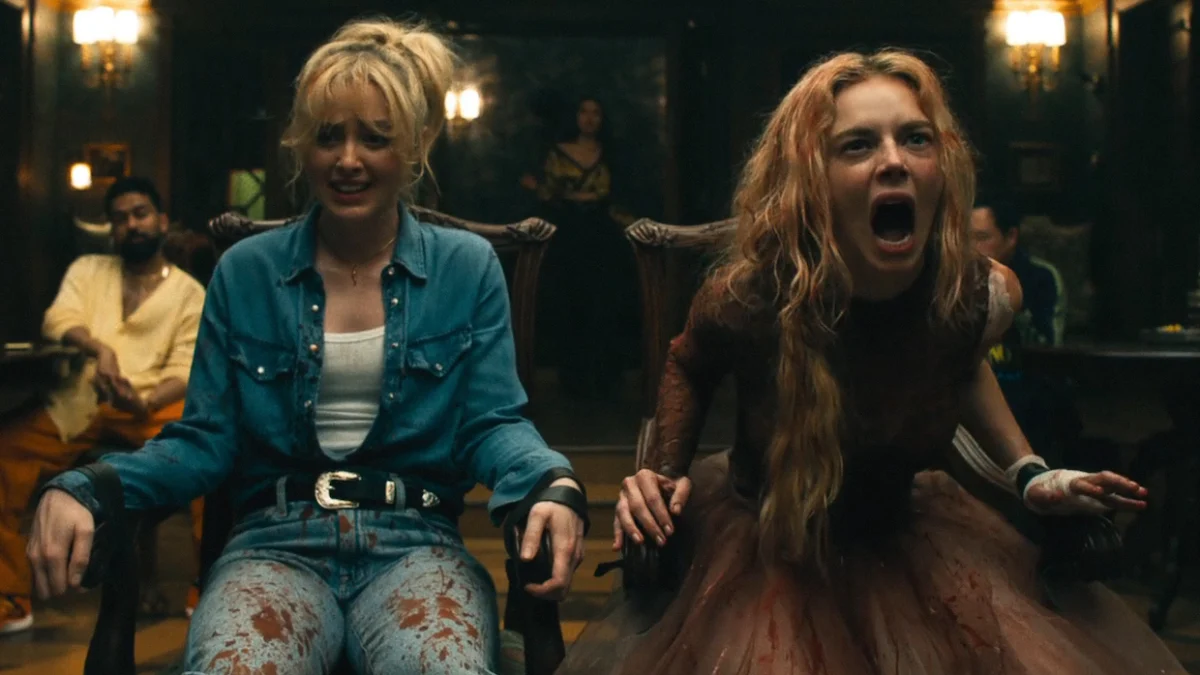
In the sequel, the timeline remains tight. Grace is discovered at the steps of the manor, physically and emotionally shattered, only to be reunited with her estranged sister, Faith, played by Kathryn Newton. The introduction of Faith adds a new psychological dimension to the story, shifting the focus from marital betrayal to sibling dynamics and shared trauma. However, the respite is brief. The film reveals that the Le Domas family was merely one cell in a much larger network of elite families bound by similar occult contracts. The power vacuum left by the Le Domas clan triggers a violent succession battle, with rival families led by siblings Titus (Shawn Hatosy) and Ursula (Sarah Michelle Gellar) attempting to eliminate Grace to secure their own standing within the diabolical hierarchy.
Narrative Continuity and New Antagonists
The casting of Sarah Michelle Gellar and Shawn Hatosy signals a shift in the film’s antagonistic force. While the first film featured the bumbling yet lethal Le Domas family, the sequel introduces villains who are significantly more organized and competent. Titus and Ursula represent a more polished, corporate version of evil. According to the directors, these characters do not merely "cosplay" evil; they are seasoned practitioners of the system they inhabit.
Shawn Hatosy’s portrayal of Titus provides a study in the cycle of abuse inherent in these high-stakes dynasties. Throughout the film, Titus is subjected to physical and verbal belittlement by his father and sister, a recurring motif that directors Bettinelli-Olpin and Gillett use to explain his eventual descent into unhinged brutality. This character arc mirrors that of Alex Le Domas from the first film but serves as a dark inversion: where Alex resisted his family’s nature until the very end, Titus actively seeks to claim his place as a patriarch of the cult.
Production Expansion and Technical Enhancements
One of the most notable differences in the sequel is the significant increase in production scale. While the first film was praised for its creative use of limited resources, the sequel benefits from a larger "blood and candle" budget. The directors have noted that the visual language of the film has evolved to reflect the heightened stakes.
In the original production, the crew reportedly operated with a limited number of candles and candelabras, frequently moving them between shots to create the illusion of a vast, dimly lit mansion. In the sequel, the lighting design is more atmospheric and permanent, utilizing hundreds of real candles to ground the supernatural elements in a tangible, tactile reality. This aesthetic choice emphasizes the "archaic meets modern" theme that defines the series, where ancient rituals are facilitated by modern technology and billionaire lifestyles.
The "blood budget" has also seen a commensurate increase. The directors aimed to make the violence feel more visceral and "human" rather than stylized or superheroic. A key sequence involving a laundry machine serves as a prime example of this philosophy. Unlike the quick, cinematic deaths typical of the slasher genre, this scene is intentionally drawn out, forcing the characters—and the audience—to confront the physical reality and pain of the act.
Subverting the Final Girl Archetype
A central tenet of the Radio Silence approach is the subversion of horror tropes, particularly the "Final Girl" archetype. Grace is not depicted as an indestructible action hero; she remains a vulnerable, exhausted human being who relies on "scrappiness" and a refusal to surrender. The filmmakers have emphasized that they wanted to avoid the trope of the protagonist becoming a "bloodlust-filled superhero."

Grace’s humanity is her primary defining trait. Even as she navigates the lethal game, she retains a sense of kindness and a lack of desire for murder, contrasting sharply with the families hunting her. This grounded approach to character development ensures that the stakes remain high, as the audience is reminded that Grace is always one mistake away from death. The sequel explores the "power of imaginative resistance," suggesting that there is a third option beyond the binary of joining a corrupt system or being destroyed by it.
The Cronenberg Cameo and Satirical Tone
The film maintains the dark humor that made its predecessor a cult favorite. A standout moment in the sequel involves a cameo by legendary filmmaker David Cronenberg, who appears via a series of text messages in a group chat among the cult leaders. In a biting piece of satire, Cronenberg’s character is shown to have the power to resolve international conflicts with a single text, illustrating the absolute, terrifying influence of the individuals involved in the Le Bail pact.
This blend of high-concept horror and mundane modern life—such as Satanic cultists using group chats to coordinate hits—is a hallmark of the Radio Silence style. By colliding the supernatural with the "human world," the filmmakers create a sense of cognitive dissonance that serves as the foundation for the film’s humor.
Broader Cultural Context and Market Impact
The release of the sequel comes at a time when "class warfare horror" has become a dominant subgenre in global cinema. Following the success of films like Parasite, The Menu, and Triangle of Sadness, the Ready or Not franchise has established itself as a pioneer of the "eat the rich" narrative within the horror space.
The film’s exploration of corporate greed and the "join or die" mentality of modern capitalism resonates with contemporary audiences. By framing the elite as literal devil-worshippers, the filmmakers provide a cathartic, if hyperbolic, commentary on the perceived soullessness of extreme wealth.
From a market perspective, the sequel is positioned to be a significant performer for Searchlight Pictures. The original film’s high return on investment and strong performance on streaming platforms created a built-in audience for the follow-up. The addition of horror icons like Sarah Michelle Gellar further broadens the film’s appeal, bridging the gap between millennial nostalgia and modern genre trends.
Broader Impact and Implications
The success of the Ready or Not franchise has solidified Radio Silence’s position as major players in the horror genre. Following their work on the Scream franchise and the vampire thriller Abigail, Bettinelli-Olpin and Gillett have demonstrated a consistent ability to revitalize existing intellectual properties while maintaining a distinct creative voice.
The thematic core of the sequel—the rejection of cynical worldviews and the search for a new path forward—suggests a more optimistic outlook than is typically found in the genre. As the directors noted in recent discussions, the film is a reaction to a world where "the bad guys always seem to win." By providing Grace with a moment of genuine agency and a refusal to play by the established rules of the cult, the film offers a bittersweet yet hopeful conclusion.
In summary, the sequel is more than a simple continuation of a survival story; it is an expansion of a cinematic universe that uses horror as a lens to examine power structures, family trauma, and the necessity of resistance. With its blend of visceral thrills, dark satire, and grounded character work, it stands as a significant entry in the modern horror canon, ensuring that the legend of Grace and the Le Bail pact will continue to captivate and unsettle audiences.