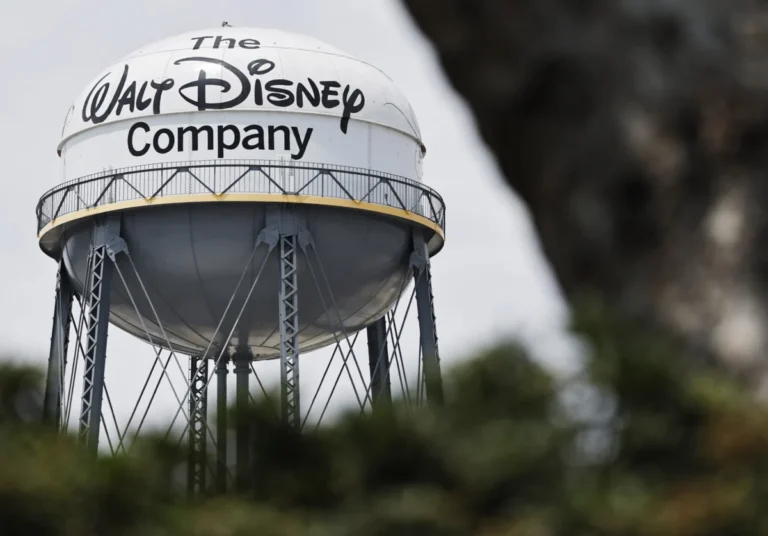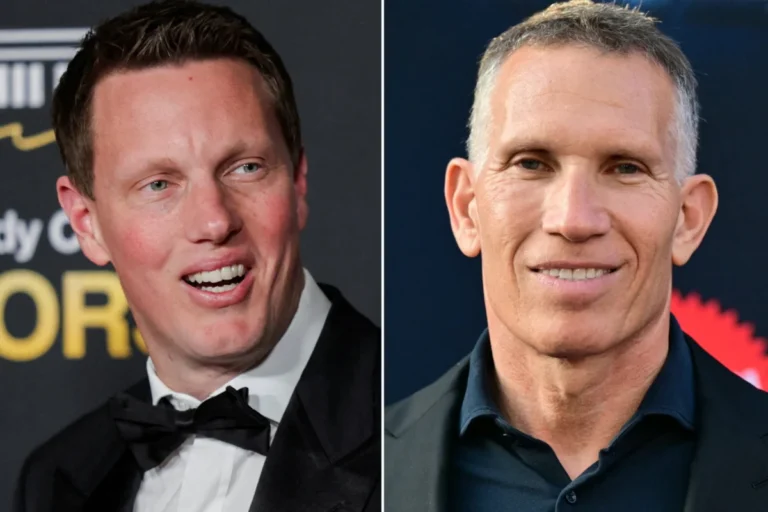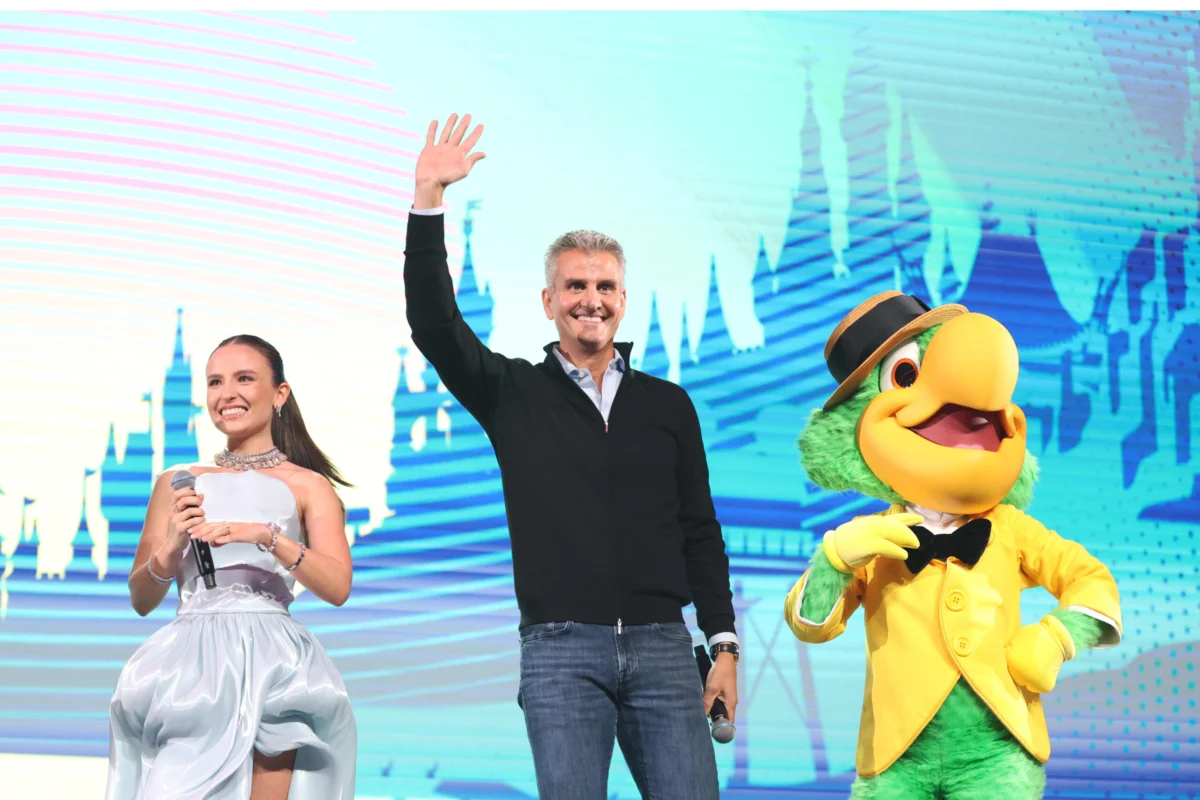
The transition marks the conclusion of Bob Iger’s second stint as CEO, a tenure that saw the company navigate a post-pandemic recovery and a significant internal restructuring. While Iger will remain as a senior advisor and board member until his formal retirement on December 31, 2026, the operational mandate now rests squarely with D’Amaro. In a comprehensive memo sent to Disney’s global workforce of over 225,000 employees, D’Amaro expressed a mixture of humility and strategic urgency, noting that while the pace of global change is "daunting," it offers an unprecedented opportunity to redefine the Disney brand for a digital-first generation.
A Strategic Succession Following Years of Internal Transition
The appointment of D’Amaro concludes a highly scrutinized succession process that has occupied Wall Street analysts and Disney enthusiasts alike for years. Following the tumultuous tenure of Bob Chapek, who led the company from 2020 to 2022 before Iger’s unexpected return, the Disney Board of Directors sought a leader capable of bridging the gap between the company’s creative legacy and its capital-intensive physical assets.
D’Amaro, 55, has long been viewed as a frontrunner for the position due to his successful management of the Disney Experiences division. Under his leadership, the segment—which encompasses six global resort destinations, a top-tier cruise line, and a massive consumer products business—became the company’s primary engine of growth. During the 2024 fiscal year, the Experiences segment reported record revenues, offsetting fluctuations in the traditional linear television business.
The board’s decision to elevate D’Amaro over other internal candidates, such as entertainment co-chairs Dana Walden and Alan Bergman or ESPN chief Jimmy Pitaro, signals a corporate priority on "One Disney"—a philosophy D’Amaro highlighted in his inaugural address. This strategy aims to integrate the company’s disparate units, ensuring that a theatrical hit like "Avatar" or "Zootopia" translates seamlessly into streaming content, consumer merchandise, and high-margin theme park attractions.
Financial Performance and Market Sentiment
Despite the internal excitement surrounding the transition, D’Amaro inherits a complex financial landscape. Disney’s stock has faced headwinds, trading down more than 10% year-to-date as investors weigh the costs of streaming expansion against the decline of traditional cable television. The company’s primary challenge remains the long-term profitability of Disney+, which only recently achieved consecutive quarters of positive earnings after years of heavy investment.
Wall Street’s reception of the news has been cautiously optimistic. Analysts point to D’Amaro’s track record of operational excellence as a stabilizing factor. However, the immediate task remains sustaining the momentum of the company’s core growth areas. In the most recent quarterly earnings report, Disney’s domestic and international parks continued to show resilience, driven by increased per-guest spending and the successful implementation of digital tools like the Disney Genie+ service.
The company has also committed to a massive capital expenditure program, pledging to invest $60 billion over the next decade into its parks and cruises. This includes the highly anticipated expansion into Abu Dhabi, United Arab Emirates, where a new theme park and resort complex are expected to bolster Disney’s footprint in the Middle East.
The Three Pillars of the D’Amaro Era
In his first official communication as CEO, D’Amaro outlined three strategic priorities that will define his leadership: creative excellence, technological innovation, and organizational unity.
1. Storytelling as the North Star
D’Amaro emphasized that "great storytelling" remains the fundamental driver of the Disney machine. He pointed to the company’s 2025 box office dominance, where films such as "Lilo & Stitch," "Zootopia 2," and the latest "Avatar" installment revitalized the theatrical business. The goal is to move away from the volume-heavy approach of the early 2020s and return to a focus on high-quality, tentpole releases that can anchor the entire Disney ecosystem.
2. Technological Empowerment
The new CEO underscored the need to embrace technology not just as a distribution tool, but as a creative enabler. This includes the continued evolution of Disney+, which D’Amaro described as the "digital centerpiece" of the company. With the full integration of Hulu expected to be finalized later this year, Disney aims to create a "one-app" experience that rivals Netflix in terms of engagement and churn reduction. Furthermore, D’Amaro hinted at the use of artificial intelligence and augmented reality to create more "personal ways" for guests to interact with characters within the physical parks.

3. The "One Disney" Operating Model
Perhaps the most significant shift is the move toward a more integrated corporate structure. By operating as "One Disney," D’Amaro intends to break down silos between the studio, the streaming services, and the physical experiences. This synergy is designed to maximize the lifetime value of every intellectual property (IP) the company owns, ensuring that the transition from screen to park is faster and more efficient than ever before.
The Iger Legacy and the Handover Process
Bob Iger’s departure marks the end of an era for a CEO who spent roughly 20 years at the top of the company across two separate terms. Iger’s first 15 years were characterized by the "Big Four" acquisitions—Pixar, Marvel, Lucasfilm, and 21st Century Fox—which transformed Disney into the world’s most powerful content engine.
During the shareholder meeting, Iger reflected on the weight of the role. "I never dreamed I would end up as CEO of The Walt Disney group, and I certainly never expected to step into the role a second time," Iger told shareholders. "But once I did, I was quickly reminded of the tremendous responsibility that being entrusted with something very special bears."
Iger’s decision to remain as an advisor through the end of 2026 is intended to prevent the friction that occurred during the Chapek transition. By providing a "long runway" for D’Amaro, the board hopes to ensure continuity in major projects, including the digital transformation of ESPN and the ongoing negotiations for international media rights.
Global Expansion and International Reach
Under D’Amaro’s guidance, Disney is increasingly looking beyond North America for its next phase of growth. The company’s international streaming strategy has seen the release of seven original series produced outside the United States, catering to local markets in Europe, Asia, and Latin America. This localized content strategy is paired with physical expansion; the Abu Dhabi project represents a significant bet on the burgeoning luxury tourism market in the Gulf region.
Additionally, Disney Cruise Line is undergoing its largest expansion in history, with several new ships scheduled to launch by 2026. These vessels serve as "floating theme parks," allowing the company to reach audiences in regions where it does not have a permanent land-based presence.
Industry Implications and Competitive Landscape
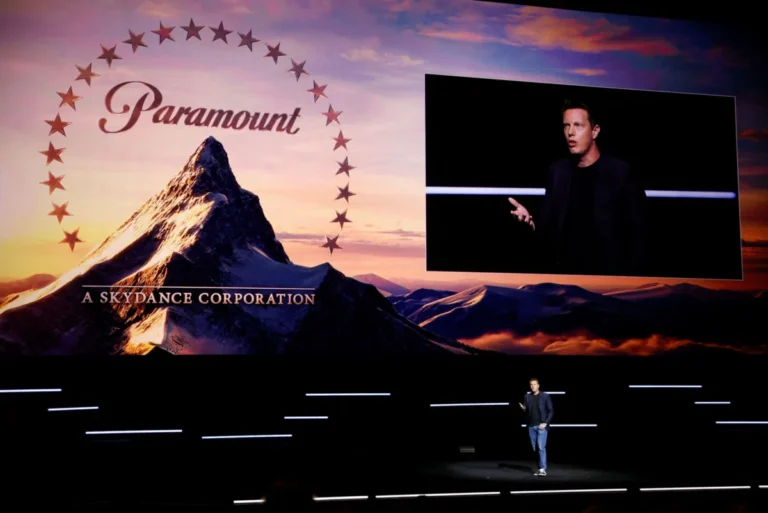
D’Amaro’s ascension comes at a time of massive consolidation in the media industry. Competitors such as Warner Bros. Discovery, Paramount Global, and NBCUniversal are all grappling with the decline of linear TV and the high costs of the streaming wars. In his remarks, D’Amaro acknowledged this disruption but positioned Disney as being "in a category of one."
The focus on "Experiences" as a hedge against media volatility is a strategy that other giants are attempting to replicate, but none possess Disney’s depth of IP. Universal Destinations & Experiences, Disney’s closest rival, is currently building the "Epic Universe" park in Orlando, posing a direct threat to Disney’s Florida dominance. D’Amaro’s deep familiarity with the Florida and California markets is expected to be a key asset in defending Disney’s market share against these multi-billion-dollar competitive incursions.
Conclusion: A New Chapter of Ambition
As Josh D’Amaro takes the helm, he does so with the endorsement of the man who built the modern Disney. Iger’s description of D’Amaro as an "exceptional leader" and the "right person" for the job sets a high bar for the coming years.
D’Amaro’s personal connection to the brand—highlighted by his childhood memory of riding Peter Pan’s Flight at Disneyland—serves as a reminder of the emotional equity Disney holds with its audience. However, as the company moves forward, D’Amaro will be judged not on sentiment, but on his ability to navigate the "daunting" changes of the 21st century.
With a focus on profitability, technological integration, and a renewed commitment to the theme parks that have long been the company’s heart, D’Amaro is tasked with ensuring that the "Disney Magic" remains a viable, high-growth business model in an increasingly fragmented world. The next chapter of the Walt Disney Company has begun, and the eyes of the global business community are firmly fixed on the man who once believed he could fly.