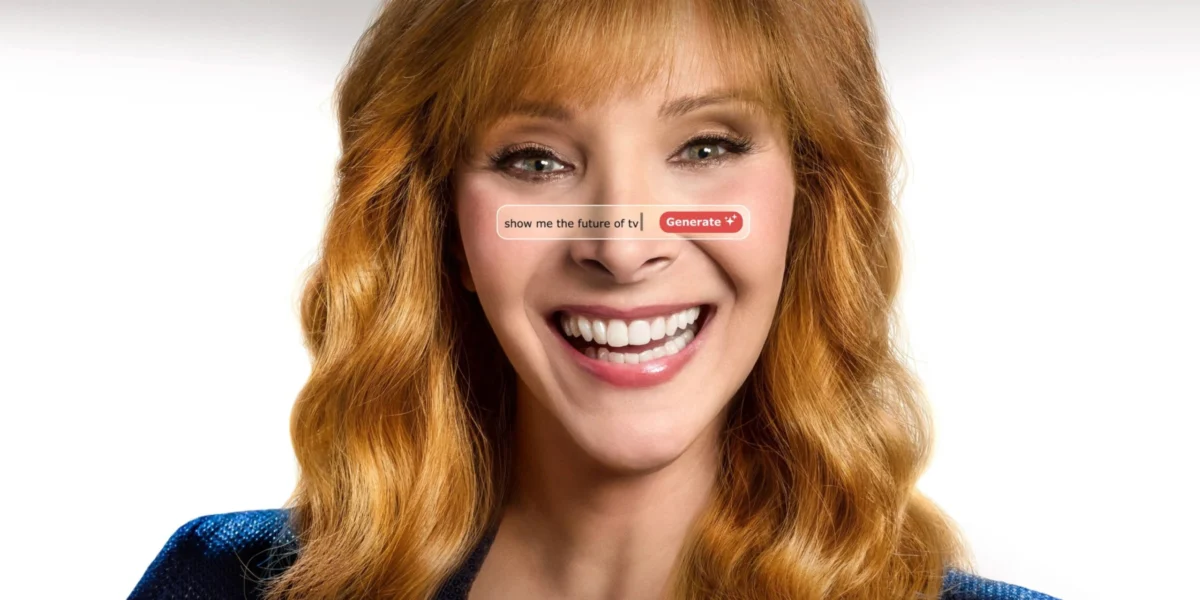
Eleven years have passed since the world last saw Valerie Cherish, the indomitable yet endearingly out-of-touch former A-list actress, navigate the treacherous waters of Hollywood. Now, in its much-anticipated third season, "The Comeback" returns not just to revive its titular character’s career but to confront a burgeoning crisis that is reshaping the very fabric of the entertainment industry: the rapid ascent of artificial intelligence. Co-created by Michael Patrick King and Lisa Kudrow, who also reprises her iconic role, the new season masterfully blends sharp social commentary with the show’s signature blend of cringe-inducing humor and profound emotional depth.
A Familiar Struggle in a New Landscape
Valerie Cherish (Lisa Kudrow) re-emerges into a Hollywood that has both changed and, in many ways, remained stubbornly the same for her. While her on-paper resume boasts a recent, albeit brief, appearance on the reality competition series "The Traitors," and she now resides in a luxurious apartment befitting her past stardom, her core motivation remains unchanged: the insatiable hunger for validation, recognition, and, most crucially, work. The season opens with Valerie grappling with the precariousness of her career, a stark reminder that even an Emmy win doesn’t guarantee a perpetual stream of opportunities in an industry increasingly driven by expediency and cost-cutting.
This season’s central conflict is ignited by the looming presence of artificial intelligence. The entertainment industry, like many others, finds itself at a crossroads, facing legitimate anxieties about AI’s potential to displace human creatives. The recent strikes by writers and actors have underscored this fear, highlighting the industry’s deep-seated concerns over AI’s role in content creation. "The Comeback" Season 3 tackles this existential threat head-on, not with alarmist pronouncements, but with a nuanced and often hilarious exploration of human ingenuity in the face of algorithmic replication. The series posits that while AI can generate content, it is the human touch – the vulnerability, the lived experience, the flawed brilliance – that imbues art with its essential meaning.
Valerie’s AI-Fueled Ambition
The narrative thrust of Season 3 sees Valerie presented with a tantalizing, albeit ethically complex, opportunity: to star as the lead in the first-ever AI-written television series. This prospect immediately ignites a familiar internal debate for Valerie. Torn between her deeply ingrained professional principles and her desperate need to reclaim her standing in Hollywood, she ultimately succumbs to the allure of a leading role, a decision that allows the show to delve into the profound implications of AI’s creative capabilities.
The series doesn’t shy away from the potential pitfalls of AI in entertainment. It satirizes the often-unpredictable and sometimes nonsensical outputs of early AI-generated scripts, showcasing how even sophisticated algorithms can falter when attempting to replicate genuine human emotion and narrative nuance. Yet, instead of resorting to simple mockery, "The Comeback" uses these AI-driven plot points to illuminate the inherent value of human creativity. The show argues that while AI can synthesize existing material and produce technically proficient, albeit uninspired, dialogue, it lacks the capacity for original thought, emotional resonance, and the unique spark that defines truly compelling storytelling.
Lisa Kudrow’s Tour-de-Force Performance
At the heart of "The Comeback’s" enduring appeal is Lisa Kudrow’s extraordinary portrayal of Valerie Cherish. Kudrow, a celebrated comedic talent in her own right, delivers a performance in Season 3 that is arguably her most accomplished. She masterfully navigates Valerie’s desperate need for attention, her moments of genuine vulnerability, and the lingering grief from the loss of a close friend. Kudrow’s ability to convey the complex inner life of a character who is both performing for the camera and struggling to conceal her true emotions is nothing short of remarkable.
Valerie is a character who constantly walks a tightrope, balancing her public persona with her private anxieties. Kudrow’s performance makes this balancing act look effortless, allowing audiences to empathize with Valerie’s misguided ambition and her unwavering pursuit of relevance. The character’s pronouncements are often hilariously off-kilter, yet beneath the surface lies a deeply human struggle for self-worth. This season, in particular, sees Valerie confronting her own complicity in the industry’s relentless pursuit of content, forcing viewers to question the very nature of authenticity in a digital age.

A Technical and Narrative Masterpiece
Beyond Kudrow’s stellar performance, the entire production team behind "The Comeback" deserves commendation. The show’s innovative use of documentary-style filmmaking, incorporating phone recordings, security camera footage, and traditional cinematic techniques, creates a rich and immersive viewing experience. This stylistic choice is not merely aesthetic; it serves to further characterize Valerie and her complex relationship with the ever-present camera. The seamless integration of these disparate visual elements is a testament to the meticulous craftsmanship of the editing and production teams.
The writing for Season 3 is particularly noteworthy for its nuanced approach to the AI narrative. The writers, who have openly stated that no AI was used in the creation of the season, resist the temptation to simply mock AI-generated content. Instead, they craft dialogue that is serviceable, demonstrating that even the most rudimentary AI output can be functional, while subtly highlighting the absence of genuine inspiration and wit. This approach underscores the show’s central thesis: that human writers, even those considered less talented, possess an essential creative spark that algorithms currently cannot replicate. This distinction, the show argues, is the indelible human signature on art.
Concluding Valerie’s Arc: A Satisfying, If Not Definitive, End
While Season 3 of "The Comeback" excels in its thematic exploration and character development, its conclusion has been noted by some critics as not quite reaching the emotional crescendo of its predecessor. The season finale, while undeniably sweet and fitting for Valerie’s journey, lacks the profound impact of the Season 2 finale. This minor critique, however, speaks volumes about the show’s overall strength, as the primary point of contention is that the ending doesn’t quite match the exceptionally high standard set by the series.
The narrative arc for Valerie in this season is particularly fascinating. Despite finding herself in her most ethically compromised position yet – starring in and executive producing an AI-written show – Valerie emerges as more likable and relatable than ever. By compelling audiences to empathize with a character who is inadvertently endorsing a technology that many fear will be the undoing of Hollywood, "The Comeback" brilliantly underscores the complex realities of the industry and the human desires that drive its participants. The series masterfully navigates the inherent appeal of such a situation, even as it raises serious concerns about its broader implications.
The Enduring Power of Human Creativity
As artificial intelligence continues its relentless march into various sectors, "The Comeback" Season 3 serves as a timely and insightful commentary on its potential impact on the creative industries. The series reminds us that while technology can evolve and automate, the core of human artistic expression – the vulnerability, the passion, the flawed yet beautiful human experience – remains irreplaceable.
The show’s enduring sweetness lies in its deep affection for art, artists, and the chaotic, often messy, process of creation. It offers a perspective that, while perhaps more optimistic than current realities might suggest, powerfully argues for the continued essentiality of human beings in the creation of meaningful and impactful art. In a world increasingly dominated by algorithms and efficiency, "The Comeback" Season 3 is a vital reminder of the enduring power of human connection and creativity, proving that Valerie Cherish’s return was not just a personal comeback, but a necessary one for audiences seeking authenticity and heart in their entertainment.
The series’ exploration of AI’s role in content creation is particularly relevant in the context of industry-wide discussions and labor disputes. For instance, the Writers Guild of America (WGA) and the Screen Actors Guild‐American Federation of Television and Radio Artists (SAG-AFTRA) strikes in 2023 saw AI emerge as a significant point of contention, with unions advocating for robust protections against the unregulated use of AI in writing and performance. "The Comeback" Season 3 provides a fictionalized yet prescient examination of these concerns, allowing audiences to engage with the ethical and artistic implications of AI in a relatable and engaging manner. The season’s insistence on highlighting the human element in the creative process serves as a powerful counterpoint to the anxieties surrounding automation, reinforcing the idea that true art stems from lived experience and genuine human expression.