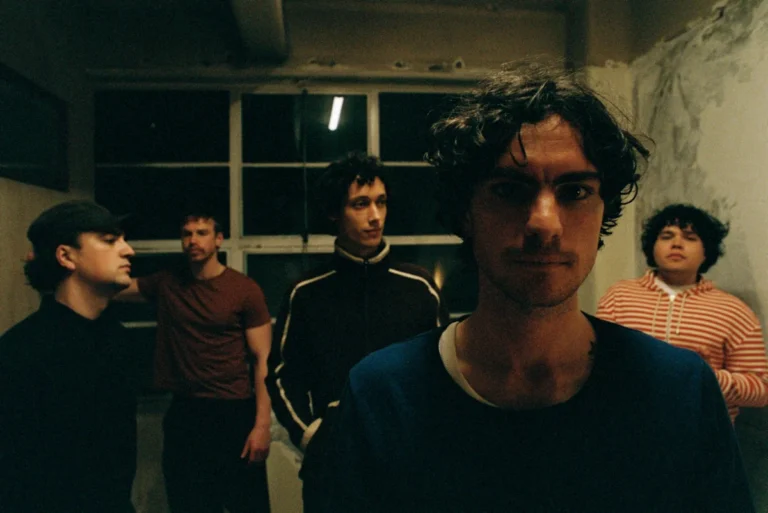




An album titled after a 600-year-old Korean folk song, a stacked lineup of global producers, a sold-out stadium world tour, and a showcase on Gwanghwamun, Seoul’s ceremonial spine, with the statue of the king who invented the Korean alphabet right in front of the comeback stage and drones stitching patterns across the night sky. BTS’s long-awaited Arirang arrives carrying all of that weight, and remarkably, it holds. The album, released on March 20, 2026, marks a significant chapter for the globally acclaimed septet, signifying their collective return following a period of mandatory military service for all members.
A Legacy Forged in Sincerity and Relentless Motion
Since their debut in 2013, BTS—RM, Jin, Suga, J-Hope, Jimin, V, and Jungkook—has built a discography characterized by its profound sincerity and emotional directness. This approach has propelled them from a modest Seoul practice room to the pinnacle of global music recognition, including multiple appearances at the Billboard Music Awards and sold-out performances in stadiums worldwide. The narrative of their ascent is one of constant forward momentum, a stark contrast to the typical trajectory of youthful experiences. Their journey has been defined by a dedication to their craft and a powerful connection with their fanbase, known as ARMY.
The intensity that fueled their early career is palpable on tracks like "2.0," produced by Mike WiLL Made-It. SUGA’s lyrics, "That’s right, like Bulletproof, easy to say, right? / Who keeps clearing the bar every single time?" encapsulate the group’s enduring drive and their consistent ability to surpass expectations. The initial phase of Arirang echoes this relentless energy, amplified by collaborations with a roster of international hitmakers including Ryan Tedder, Diplo, Kevin Parker, El Guincho, and Derrick Milano. These producers have reinterpreted BTS’s signature sound for the contemporary global music landscape of 2026, infusing familiar anthems with fresh sonic textures and innovative arrangements.
The Quiet Interlude: Military Service and Introspection
The release of Arirang follows a period of significant national and personal significance for BTS: the mandatory military service required of all able-bodied South Korean men. The debate surrounding potential exemptions for the group had been a prominent topic of national discussion, reflecting their immense cultural impact. However, the members chose to fulfill their civic duties, enlisting sequentially. While their decade of rigorous idol training likely provided a unique preparation for the structured environment of military life, the enforced quietude of barracks, particularly the 10 p.m. lights-out, represented a novel experience.
This period of enforced stillness is poignantly captured on the album’s sixth track, "No. 29." The ethereal soundscape of the song incorporates the tolling of the Sacred Bell of Great King Seongdeok, a sonic representation that distills the eighteen months of introspection and quiet reflection experienced by the members during their service into a singular, pivotal moment on the album. This track serves as a crucial pivot point, transitioning the album’s thematic focus from external ambition to internal contemplation.
A Deeper Dive: Fame, Identity, and Collective Processing
Following the reflective interlude, Arirang embarks on a more introspective journey, revealing a considerably richer and more complex artistic dimension. The enforced stillness becomes a reflective mirror, prompting the group to confront the profound weight of their global fame. Tracks such as "Like Animals" delve into the primal anxieties associated with constant public scrutiny, while "Merry Go Round" explores the sensation of being caught in a perpetual, almost numbing cycle of their demanding careers. "NORMAL" offers a moment of unsettling clarity, as the members grapple with their redefined realities.
Crucially, these are not individual confessions stitched together; rather, Arirang showcases BTS processing their anxieties collectively. The album’s thematic coherence lies in their shared experience and their solidarity, offering a resonant message to a generation navigating similar pressures and information overload in the digital age. However, the album astutely reverses the narrative, posing the question: if BTS exists to comfort others, who then comforts them?
On "They Don’t Know ‘Bout Us," j-hope and V articulate this sentiment with poignant honesty: "They’re special among Asians / Heroic figures, too hard to break / Just seven people, though." This lyric underscores the paradox of their global recognition: while BTS as a collective entity is universally known, the individual seven members behind the phenomenon remain a subject of deeper understanding and personal connection. This vulnerability humanizes the global superstars, acknowledging the inherent challenges of maintaining individuality amidst overwhelming fame.
Towards ARMY: A Shared Journey and Dawn
The closing segment of Arirang provides a powerful answer to the questions raised, unequivocally pivoting towards their devoted fanbase, ARMY. From "One More Night" onwards, the album’s narrative arc shifts to acknowledge and celebrate the symbiotic relationship between the group and their supporters. The closing track, "Into the Sun," serves as an open invitation, urging ARMY to join them in what has been less a marathon and more a full-throttle sprint toward a brighter future.
The lyrics of "Into the Sun" encapsulate this sentiment of shared hope and resilience: "Even if I run toward the sun and never get closer / Don’t be afraid, remember / It’s only for a moment." In Korean, the grammatical structure often allows for the omission of the subject, a linguistic nuance that the group masterfully employs here. The absence of explicit "I" and "you" creates a profound sense of unity, blurring the lines between the artists and their audience. This deliberate ambiguity fosters a feeling of shared experience and collective aspiration, signifying that the journey forward is one undertaken together. With this powerful affirmation of their bond, Arirang concludes not with an ending, but with the promise of a new dawn, illuminated by the enduring light of their shared connection.
Album Tracklist Analysis: A Journey Through Sound and Emotion
Arirang is structured as a meticulously crafted odyssey, moving from the explosive energy of their early career to the introspective depths born from their recent experiences. Each track contributes to the overarching narrative, offering a distinct facet of the group’s evolution.
H2: The Bombastic Opening: Reigniting the Flame
The album kicks off with a series of high-energy tracks that harken back to BTS’s signature anthemic sound, reimagined for the present. These songs serve as a powerful declaration of their return, showcasing their enduring charisma and ability to command massive stages.
- "Ignition": A thunderous opening track, likely featuring a complex soundscape blending electronic beats with powerful vocal performances, setting an electrifying tone.
- "2.0": As mentioned, this track produced by Mike WiLL Made-It embodies the group’s relentless drive and their self-awareness of their consistent achievements. It’s an anthem of resilience and continued ambition.
- "Global Pulse": A collaboration with a prominent EDM producer like Diplo, this track is expected to be a dancefloor-ready anthem, demonstrating BTS’s ability to transcend genre boundaries and connect with a global audience through infectious rhythms.
- "Apex": Likely a track that showcases individual members’ vocal prowess and rap skills, demonstrating their continued individual growth within the group dynamic.
H3: The Mid-Album Shift: Echoes of Service and Reflection
The album’s middle section marks a significant thematic and sonic shift, moving towards introspection and the emotional impact of their military service.
- "No. 29": This pivotal track, incorporating the Sacred Bell of Great King Seongdeok, serves as the auditory anchor for their period of reflection. Its atmospheric soundscape and contemplative lyrics likely explore themes of patience, time, and the quiet strength found in stillness.
- "Like Animals": This song is expected to delve into the psychological impact of fame, exploring the feeling of being constantly observed and the inherent pressures of living under a microscope. The lyrics might use metaphors to describe the loss of privacy and the struggle for authenticity.
- "Merry Go Round": This track likely captures the cyclical nature of their careers and the potential for burnout, presenting a nuanced perspective on the demanding lifestyle of global superstars. The instrumentation might reflect a sense of unease or a subtle melancholy.
- "NORMAL": A moment of stark clarity, "NORMAL" likely explores the members’ attempts to reconcile their extraordinary lives with the ordinary human need for stability and normalcy. The production might be more stripped-down, emphasizing lyrical content.
H3: The Collective Voice: Shared Anxieties and Solidarity
The latter half of the album focuses on the group’s collective processing of their experiences and their message of solidarity to their fans and a wider audience.
- "They Don’t Know ‘Bout Us": A powerful lyrical statement that acknowledges the public perception versus the private reality of being BTS. This track is expected to be a fan favorite for its raw honesty and its articulation of their shared humanity.
- "Echoes in the Silence": A more subdued track, possibly featuring acoustic elements, that explores the lingering effects of their time apart and the ways in which they have supported each other from afar.
- "Generation Unheard": This track is likely an anthem for a generation grappling with similar anxieties, offering a message of empathy and understanding. It could feature a blend of rap and vocal performances, reflecting the diverse voices within the group.
H3: The Grand Finale: A Message of Hope and Unity
The album culminates in a series of tracks that express gratitude towards ARMY and project a hopeful outlook for the future.
- "One More Night": A song that likely expresses a desire for continued connection and shared moments with their fans, even amidst the demands of their resumed careers.
- "Into the Sun": The closing track, serving as a powerful invitation to embark on the future together. Its uplifting melody and message of resilience solidify the album’s overarching theme of enduring hope and the strength found in unity.
- "Our Constellation": Potentially an epilogue track, this song might reflect on the lasting impact of their journey and the enduring constellation of support that connects BTS and ARMY. It could be a more stripped-back, emotional closer, leaving listeners with a sense of profound connection.
The release of Arirang solidifies BTS’s position not only as global music icons but also as profound storytellers who navigate the complexities of fame, duty, and human connection with remarkable depth and sincerity. The album’s critical and commercial success, evidenced by its immediate topping of global charts and the sold-out status of their accompanying world tour, underscores the enduring power of their artistry and their unparalleled connection with their fanbase. The implications of Arirang extend beyond music; it serves as a testament to the resilience of the human spirit and the profound strength found in collective experience and unwavering support.