


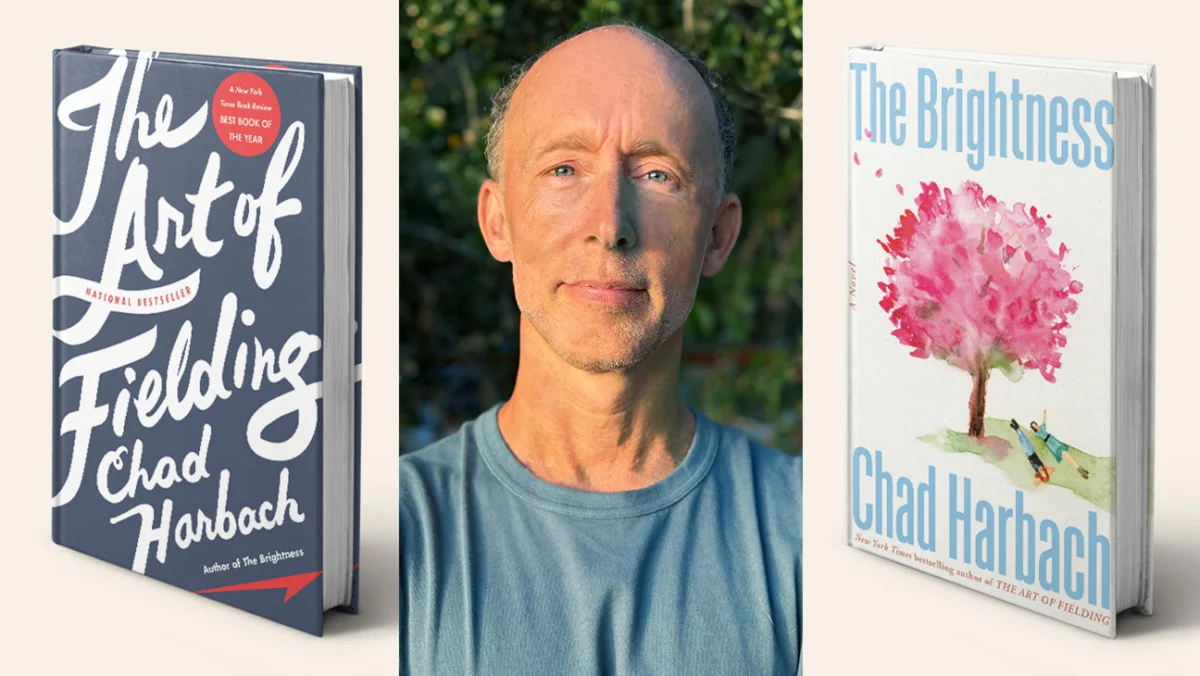
In a major acquisition for the burgeoning television arm of A24, the studio has secured the rights to Chad Harbach’s seminal collegiate drama, The Art of Fielding, alongside its highly anticipated sequel, The Brightness. The deal marks a significant expansion of A24’s literary-to-screen pipeline, signaling a commitment to prestige, character-driven storytelling that has become a hallmark of the studio’s cinematic portfolio. Sean Durkin, the filmmaker behind the critically acclaimed wrestling biopic The Iron Claw, has been tapped to helm the project as showrunner and director, bringing a gritty, character-focused aesthetic to the fictional campus of Westish College.
The television adaptation will be produced by Westward, the production company founded by House of Cards creator Beau Willimon and Jordan Tappis. The executive production team will feature a collaborative effort between Durkin, Harbach, Tappis, and Willimon, aligning a powerhouse of creative talent to translate the sprawling, introspective narratives of the Westish saga for a modern television audience.
A Legacy of Literary Ambition
The Art of Fielding, first published in 2011, became an immediate cultural phenomenon. Set at the fictional Westish College on the shores of Lake Michigan, the novel followed the lives of several students and faculty members, centered primarily on a brilliant but fragile baseball shortstop, Henry Skrimshander. The book achieved widespread critical acclaim, spending numerous weeks on The New York Times Best Seller list and eventually being translated into more than 20 languages. Its success cemented Harbach’s reputation as a keen observer of the American academic experience, blending the nuances of collegiate sports with deep, philosophical explorations of identity and failure.
For more than a decade, readers have clamored for a return to the world of Westish. With the release of the sequel, The Brightness—which hit shelves today—Harbach has expanded the scope of his literary universe. While the original novel focused heavily on the masculine, high-stakes pressure of varsity athletics, The Brightness shifts the lens to a cohort of artistic young women. According to early synopses, the plot revolves around a series of events, including a feminist prank that spirals into a national flashpoint, effectively placing the quiet campus at the center of a broader American culture war.
The Vision of Sean Durkin
The choice of Sean Durkin as the project’s architect is noteworthy. Durkin, known for his ability to handle complex emotional themes in films like Martha Marcy May Marlene and The Iron Claw, is expected to bring a grounded, atmospheric quality to the series. His success in adapting real-world drama for the screen suggests that the adaptation will likely avoid the tropes of the standard collegiate dramedy, opting instead for the tension and psychological weight that defined his previous work.
Westward, the production house co-founded by Beau Willimon, brings significant political and narrative weight to the collaboration. Willimon’s experience with House of Cards—a series that redefined streaming-era drama—suggests that the adaptation of The Art of Fielding and The Brightness will be structured as a long-form, serialized prestige epic. The integration of Westward’s logistical expertise with A24’s distinct visual branding positions this series as a flagship production for the studio.
A24’s Expanding Television Footprint
This acquisition comes at a pivotal time for A24. Historically celebrated for its independent film output, the studio has aggressively diversified into television, achieving significant critical and commercial success. From the dark, satirical brilliance of Beef to the visceral, generation-defining cultural impact of Euphoria, A24 has demonstrated a mastery of high-end TV production.
The studio’s recent slate reflects an eclectic mix of genres. In addition to Margo’s Got Money Troubles and the upcoming Friday the 13th prequel series Crystal Lake for Peacock, A24 has been active in theatrical distribution, backing projects like Nathan Fielder’s You Can See Everything and the gritty MMA drama The Smashing Machine, starring Dwayne "The Rock" Johnson. By acquiring the rights to the Westish College series, A24 is signaling a shift toward owning long-term, multi-season intellectual property that can anchor a streaming platform’s library for years to come.
Contextualizing the Source Material
To understand the significance of this adaptation, one must look at the impact of Harbach’s original work. The Art of Fielding was not merely a sports book; it was a meditation on the "art" of living, drawing inspiration from Herman Melville’s Moby-Dick, which serves as a recurring motif throughout the narrative. Harbach, a Wisconsin native and graduate of Harvard and the University of Virginia, utilized his own background in the competitive literary and academic circles to imbue Westish College with a sense of verisimilitude that resonated with readers.
As a founder of the New York-based literary magazine n+1, Harbach has spent his career examining the intersection of social criticism, political commentary, and the arts. This intellectual rigor is expected to be a cornerstone of the television series. The transition from the isolated, internal world of a 2011 baseball novel to a contemporary, socially conscious sequel allows the showrunners to address modern issues of gender, systemic power, and the evolution of the American university system.
Implications for the Streaming Landscape
The decision to option both the original novel and the new sequel simultaneously suggests a "universe-building" strategy. In the current media landscape, where IP (intellectual property) is the most valuable commodity, the ability to launch a franchise with a built-in fan base—backed by both a legacy bestseller and a new, trending release—is a strategic win.
Industry analysts suggest that this project will likely attract significant interest from premium cable networks and major streamers. The combination of Harbach’s loyal literary following and the high-production values associated with the A24 brand creates a "prestige" package that is increasingly rare in a crowded marketplace. Furthermore, by securing the rights to The Brightness on its day of release, the production team has successfully aligned the media cycle of the television development with the book’s launch, maximizing visibility and public interest.
Production and Representation
The logistical framework of the project is already well-defined. Sean Durkin is represented by UTA and Entertainment 360, while Chad Harbach maintains representation through Chris Parris-Lamb at The Gernert Company and WME. Westward is represented by WME and Lenore Entertainment. These agency alignments ensure that the creative and business sides of the production are synchronized, minimizing the friction often associated with complex literary adaptations.
As the industry pivots toward more curated, auteur-driven content, the partnership between Durkin and A24 represents a shift toward a "filmmaker-first" model of television production. By handing the reins of a multi-book series to a singular director/showrunner, A24 is gambling on the idea that a cohesive, artistic vision is more valuable than a committee-driven approach to episodic storytelling.
Looking Ahead: The Future of Westish
While the project is still in the early stages of development, the roadmap is clear. The adaptation will seek to capture the melancholic, intellectual, and athletic spirit of Harbach’s writing while modernizing the narrative arcs to suit a streaming format. For the fans of the original novel, the challenge will be to see how the adaptation handles the beloved, if flawed, characters of Henry Skrimshander, Pella Affleck, and Owen Dunne, and how those characters’ legacies are woven into the new stories introduced in The Brightness.
The success of this series will likely be measured by its ability to balance the specific, idiosyncratic voice of Harbach’s prose with the visual and pacing demands of contemporary television. Given A24’s track record, there is reason to believe that the Westish College series will become a staple of prestige television, bridging the gap between high-brow literature and mainstream entertainment. As production details emerge in the coming months, the industry will be watching closely to see how this transition from the printed page to the screen unfolds.