



Warner Bros. Pictures has officially released the final trailer and promotional poster for Dune: Part Three, signaling the impending conclusion of visionary filmmaker Denis Villeneuve’s monumental cinematic adaptation of Frank Herbert’s seminal science fiction universe. Simultaneously, studios and exhibitors have announced a secondary wave of ticket sales ahead of the film’s worldwide theatrical premiere, scheduled for December 18, 2026. This final promotional preview offers audiences a deeper glimpse into a narrative that promises to be significantly darker, more complex, and visually arresting than its predecessors, delivering a definitive cinematic end to the sweeping space opera.
Main Facts and Plot Overview
Set to debut exclusively in IMAX and premium large format theaters globally, Dune: Part Three adapts the events of Frank Herbert’s 1969 sequel novel, Dune Messiah. The narrative finds the central protagonist, Paul Atreides—also known by his Fremen religious title, Muad’Dib—wielding absolute authority as Emperor of the known universe. Having ascended to a position of unimaginable political and religious power, Paul is worshipped as a divine icon by fanatical legions of Fremen warriors.
However, absolute power brings unprecedented peril. The narrative centers on Paul’s internal struggle as he attempts to navigate a complex web of political conspiracies orchestrated by the displaced Great Houses and factions working within his own inner circle. As House Atreides faces destabilization from external enemies and internal betrayal, the ultimate threat materializes closer to home, directly targeting his lover, Chani, and the unborn heir to his burgeoning dynasty. The film explores the heavy burdens of prophecy, the corrupting nature of absolute authority, and the tragic consequences of engineering a dynastic legacy.

Cast and Creative Leadership
Returning to helm the production is Academy Award-nominated director Denis Villeneuve, who has successfully translated the once-considered "unadaptable" source material of Frank Herbert into a modern cinematic benchmark. Villeneuve co-wrote the screenplay alongside acclaimed comic book writer and television creator Brian K. Vaughan, bridging the gap between Herbert’s intricate prose and cinematic pacing.
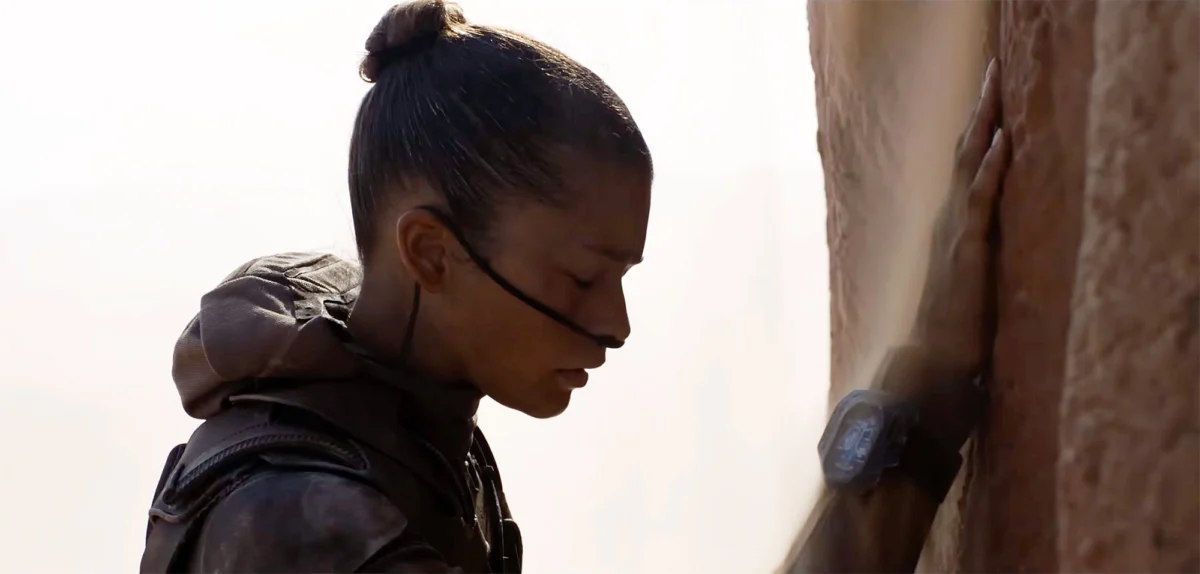
The star-studded ensemble cast features the return of Timothée Chalamet as Paul Atreides, Zendaya as Chani, Rebecca Ferguson as Lady Jessica, and Javier Bardem as Stilgar. They are joined by returning cast members Florence Pugh as Princess Irulan, Anya Taylor-Joy as Alia Atreides, and Jason Momoa as the ghola clone of Duncan Idaho. A notable addition to the cast is Robert Pattinson, who steps into the role of the Tleilaxu Face Dancer Scytale, alongside supporting and new cast members including Charlotte Rampling, Isaach De Bankolé, and newcomers Nakoa-Wolf Momoa and Ida Brooke.
Production is supported by a powerhouse team of producers, including Cale Boyter, Tanya Lapointe, Joseph M. Caracciolo Jr., Brian Herbert, Kim Herbert, Byron Merritt, Mary Parent, Thomas Tull, and Denis Villeneuve himself, ensuring continuity and fidelity to the overarching vision established in the first two installments.
Chronology and Background Context of the Franchise

The journey of Villeneuve’s Dune franchise spans nearly a decade of careful planning, production delays, and historic box office milestones.
In 2017, Legendary Entertainment acquired the film and television rights to Frank Herbert’s literary works, soon after securing Denis Villeneuve to direct. The first installment, Dune: Part One, premiered globally in October 2021—amidst the challenges of the COVID-19 pandemic—utilizing a simultaneous theatrical and streaming release strategy on HBO Max. Despite these hurdles, the film grossed over $402 million worldwide and earned ten Academy Award nominations, winning six technical categories.
Buoyed by the critical and financial success of the first film, Warner Bros. and Legendary greenlit the continuation. Dune: Part Two was released in March 2024 to overwhelming critical acclaim and commercial dominance, grossing more than $714 million globally. The sequel solidified the franchise as a modern cultural touchstone, generating immense demand for a concluding chapter that would address the darker thematic turns of Herbert’s subsequent novels.
Development on Dune: Part Three moved swiftly following the second film’s theatrical run, with Villeneuve refining the script alongside Brian K. Vaughan. Principal photography and subsequent post-production spanned late 2024 through 2025, culminating in the late 2026 release schedule.
Box Office Data and Ticket Sales Implications

The release of the final trailer coincides with a massive commercial push by Warner Bros. to secure advanced ticket sales well ahead of the mid-December opening. Industry analysts project that Dune: Part Three will comfortably surpass the opening weekend records of its predecessor, driven by high demand for IMAX and premium format screenings.
Data from major theater chains indicates that the initial release of tickets caused localized server slowdowns, prompting the studio to initiate a secondary wave of ticket availability alongside the final trailer debut. With holiday box office competition traditionally fierce, exhibitors are banking on the established prestige and dedicated fan base of the franchise to anchor year-end theatrical revenues. The decision to secure IMAX screens weeks in advance underscores the industry’s confidence in the film’s visual scope and audience retention capabilities.
Analysis of Thematic Implications and Cultural Impact
Dune: Part Three arrives at a unique cultural juncture for science fiction cinema. While many contemporary franchises rely on interconnected cinematic universes and unending sequels, Villeneuve’s trilogy maintains a distinct beginning, middle, and definitive end, mirroring the literary trajectory of Herbert’s original sequence.
Unlike the classic hero’s journey popularized in traditional space operas, Herbert’s Dune Messiah serves as a subversion of the messianic archetype. The narrative explicitly warns against the dangers of charismatic leaders and religious fanaticism—themes that Villeneuve has emphasized in promotional materials and interviews. By focusing on Paul Atreides not as a benevolent savior, but as a tragic figure trapped by prophetic inevitability and political entrapment, the film challenges mainstream audiences with complex philosophical questions regarding power, destiny, and accountability.

As the December 18, 2026, release date approaches, anticipation continues to build across global film communities. With its combination of visionary direction, an elite ensemble cast, and a source text renowned for its intellectual depth, Dune: Part Three stands poised to conclude one of the most defining cinematic trilogies of the twenty-first century.