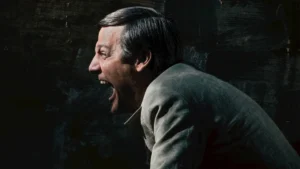


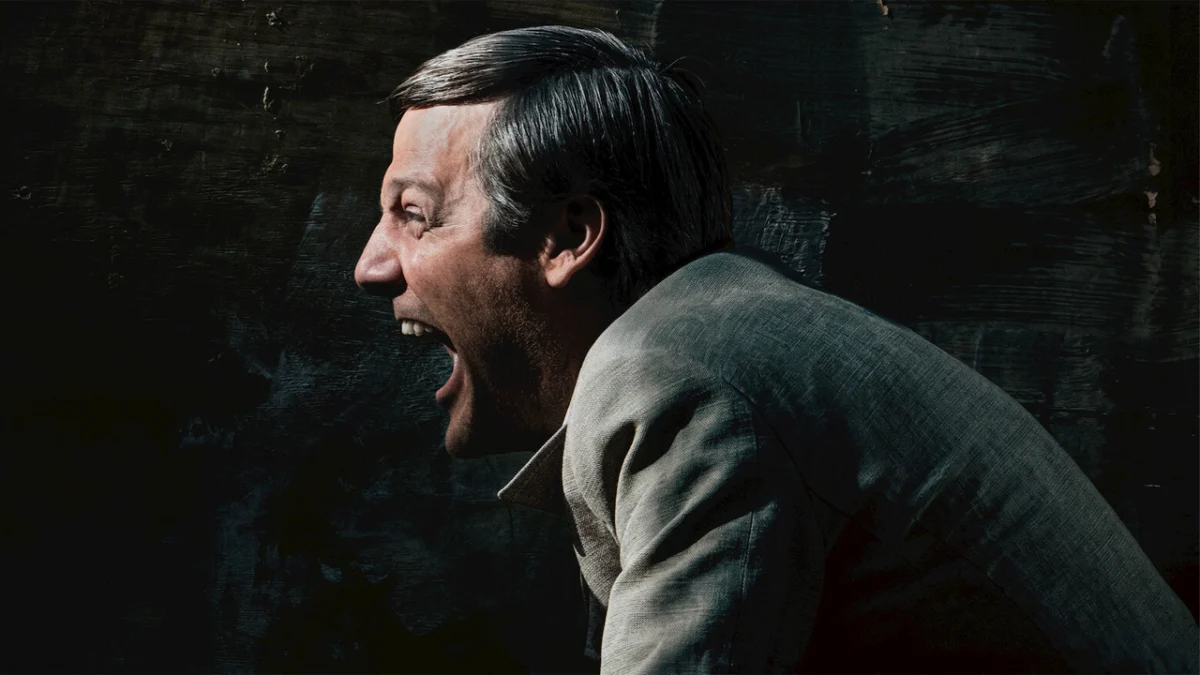
Netflix is set to expand its international content library with the highly anticipated limited series Gordon, a gritty political thriller that dramatizes the life of one of Argentina’s most notorious figures. Premiering on the streaming platform on November 18, 2026, the series explores the metamorphosis of Aníbal Gordon, tracing his trajectory from a common criminal operating on the fringes of society to a central, violent operative during the most tumultuous decade in modern Argentine history. With Rodrigo de la Serna in the lead role, the production promises to be a stark examination of power, criminality, and the dark intersection of state-sanctioned violence and organized crime.
The project, helmed by acclaimed showrunner Pablo Trapero, who co-directs the series alongside Pablo Fendrik, serves as a deep dive into the 1970s, a period defined by extreme political instability, clandestine paramilitary activity, and the breakdown of civil order. The script, co-written by Trapero and Marcos Osorio Vidal, draws heavily from the investigative reporting of Marcelo Larraquy, whose biographical works on Argentine history provide the foundational narrative for the limited series.
The Rise and Fall of Aníbal Gordon
To understand the significance of this series, one must look at the historical context of the subject. Aníbal Gordon was not merely a career criminal; he was a symbol of the impunity that characterized the "Dirty War" era in Argentina. His transition from street-level robbery to becoming a pivotal member of the Triple A (Argentine Anticommunist Alliance) illustrates the blurred lines between common delinquency and state-sponsored repression during the mid-1970s.
The narrative of the series follows a chronological arc that begins in the late 1960s. During this period, Gordon was a fixture in the underworld, moving through small-time heists that laid the groundwork for his later, more sophisticated criminal enterprises. As the political climate shifted toward the violent upheavals of 1973 and 1974, Gordon found a new avenue for his illicit skills. By aligning himself with intelligence agencies and paramilitary groups, he secured a degree of protection that allowed him to engage in kidnapping, extortion, and extrajudicial killings with near-total immunity.
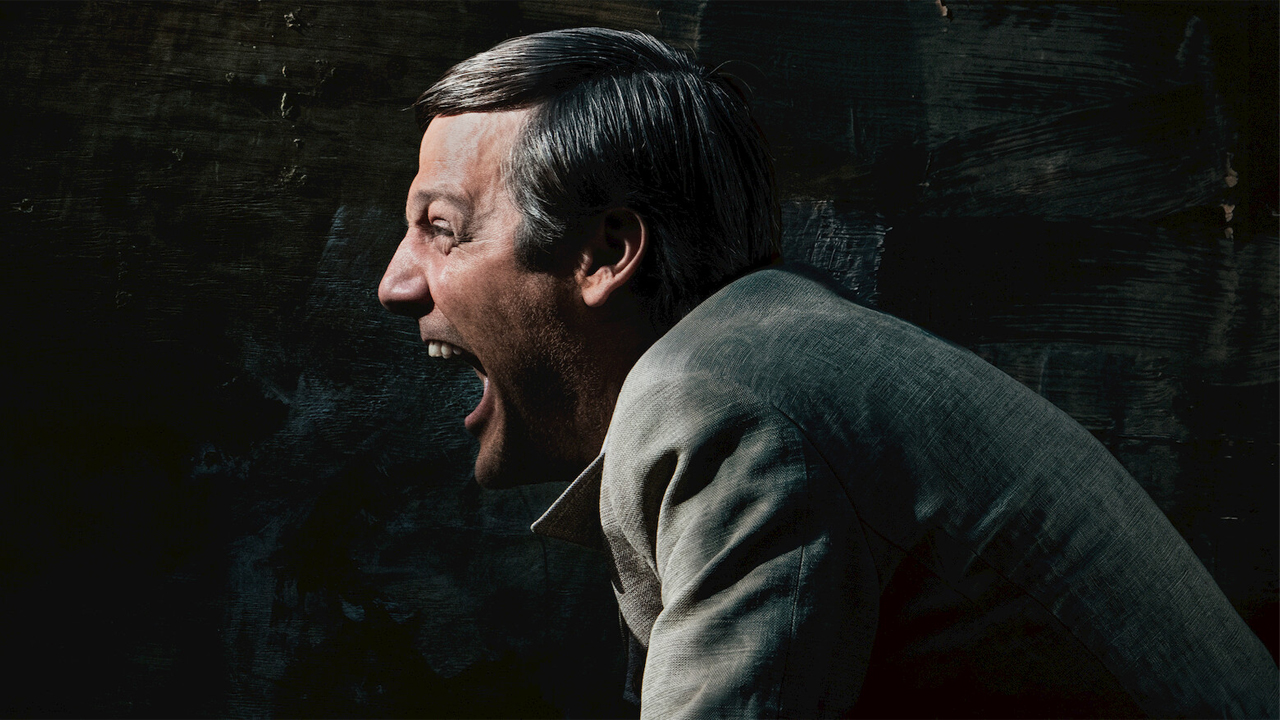
The series is expected to highlight the 1978 kidnapping of businessman Guillermo Patricio Kelly as a focal point, as this event served as a major turning point in public awareness regarding Gordon’s influence and the reach of his gang. The production team, led by producers Adrián Suar and Diego Andrasnik of Preludio Producciones, has emphasized that the series will maintain a clinical, journalistic approach to these events, avoiding the glorification of its subject while shedding light on the mechanics of his survival.
Behind the Lens: A Collaborative Production
The creative team behind Gordon is deeply rooted in the Argentine film industry, known for producing high-stakes, socially conscious dramas. Pablo Trapero, recognized for films like The Clan (El Clan) and Carancho, brings a seasoned perspective to the material. His collaboration with Pablo Fendrik ensures a stylistic consistency that favors atmospheric tension over gratuitous violence.
For Netflix, this production represents a continued commitment to the Latin American market, which has become a cornerstone of the platform’s international growth strategy. By choosing to adapt the life of a figure as divisive as Aníbal Gordon, the production is positioning itself to capture both domestic audiences familiar with the history and international viewers who have demonstrated a strong appetite for localized, high-quality historical thrillers.
The filming process, which concluded in late 2025, was conducted across various locations in Buenos Aires and the remote regions of Río Negro. The logistical challenges of recreating the visual language of 1970s Argentina—from the architecture to the period-accurate vehicles and fashion—required meticulous art direction and production design.
Rodrigo de la Serna and the Ensemble Cast
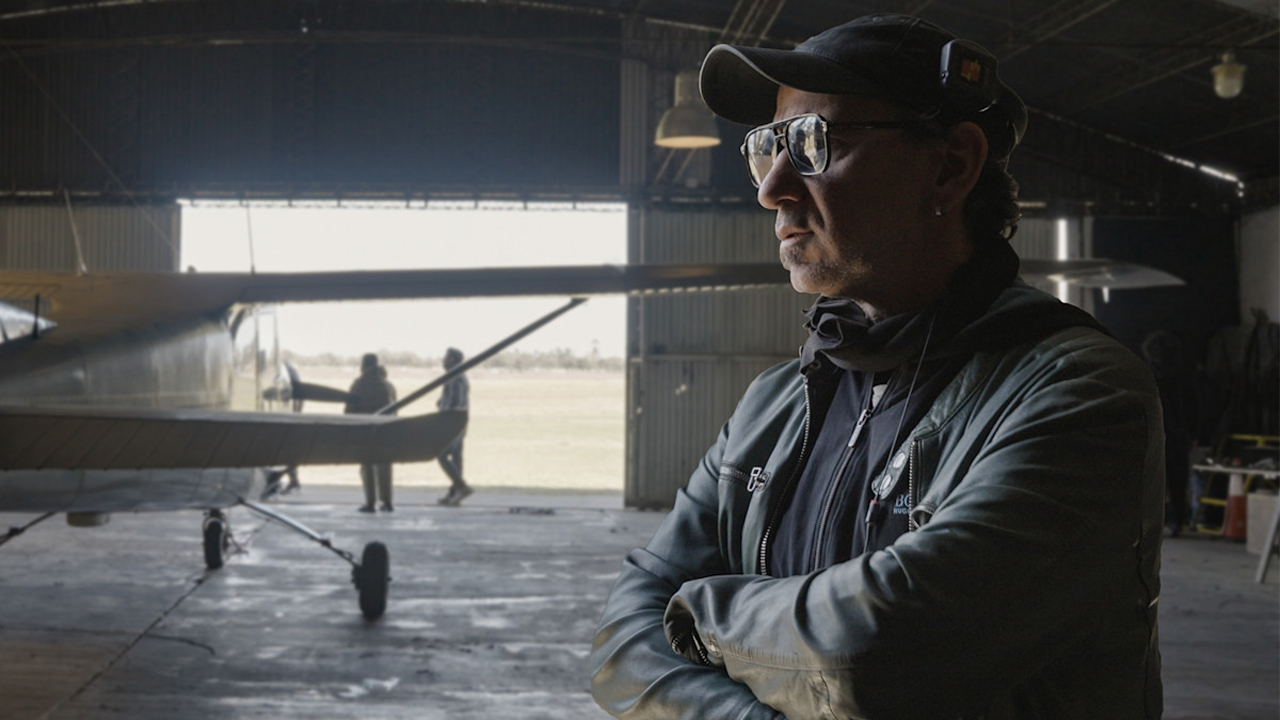
The casting of Rodrigo de la Serna is perhaps the most significant creative decision for the project. De la Serna, who gained global recognition for his portrayal of Palermo in the Netflix phenomenon Money Heist (La Casa de Papel), has long been a fixture of prestige Argentine cinema. His ability to balance internal vulnerability with external menace is essential for a role as complex as Gordon.
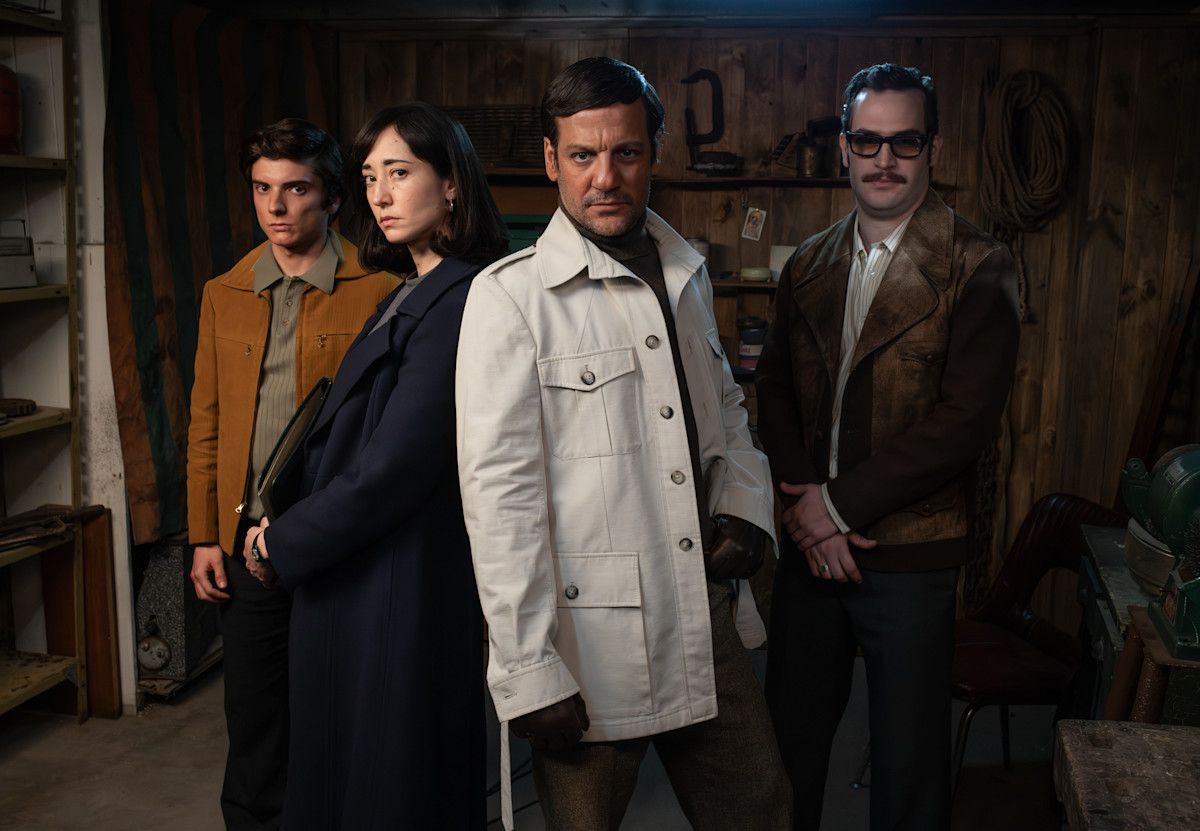
The supporting cast, featuring talents such as Matías Recalt, Camila Peralta, and Matías Mayer, rounds out an ensemble that aims to reflect the diverse social strata affected by the chaos of the 1970s. By focusing on the interplay between these characters, the series hopes to provide a broader social commentary on how a society navigates a period where the law is subordinated to political violence.
Broader Implications and Historical Impact
The release of Gordon arrives at a time when Argentina continues to grapple with the legacy of the 1970s. Dramatizing the actions of individuals like Aníbal Gordon serves as a reminder of the fragility of democratic institutions. Unlike fictionalized thrillers, this series carries the weight of historical scrutiny; it necessitates a careful balance between artistic license and the facts documented by historians and journalists like Marcelo Larraquy.
The political implications of the show are likely to spark debate. By depicting the direct links between criminal gangs and elements of the state apparatus, the series invites a contemporary audience to re-evaluate the origins of political corruption and the long-term impacts of institutionalized violence. Furthermore, the global platform provided by Netflix ensures that this specific chapter of Argentine history will reach a broader audience, potentially influencing international perceptions of South American political history.
Market Context and Streaming Strategy
Netflix’s decision to position Gordon for a November 2026 release suggests a strategic move to secure viewership during the year-end window, typically characterized by increased streaming activity. With the recent renewal of several high-profile Spanish-language projects, the platform is doubling down on the "prestige drama" category.
Industry analysts observe that international content is no longer a peripheral offering but a primary driver of subscription retention. By investing in high-budget, locally authentic productions that delve into cultural history, Netflix creates a "must-watch" event status for regions that are often overlooked by major Western studios.
Conclusion: A Dark Reflection
As the premiere date approaches, the anticipation surrounding Gordon centers on the execution of its darker themes. Whether the series succeeds in translating the complexities of Argentine history into a compelling narrative remains to be seen. However, given the track record of its creative team and the strength of its lead actor, it is positioned to be one of the most significant releases of the 2026 autumn season.
Ultimately, Gordon is more than a crime drama; it is a clinical look at a period of history where the individual’s pursuit of power shattered the moral fabric of a nation. Through the lens of one man’s life, the series aims to offer a window into the systemic failure of an era, inviting viewers to witness the harrowing cost of absolute, unchecked ambition. As the audience waits for the November release, the discourse surrounding the show serves as a testament to the enduring power of historical narrative in modern media.