


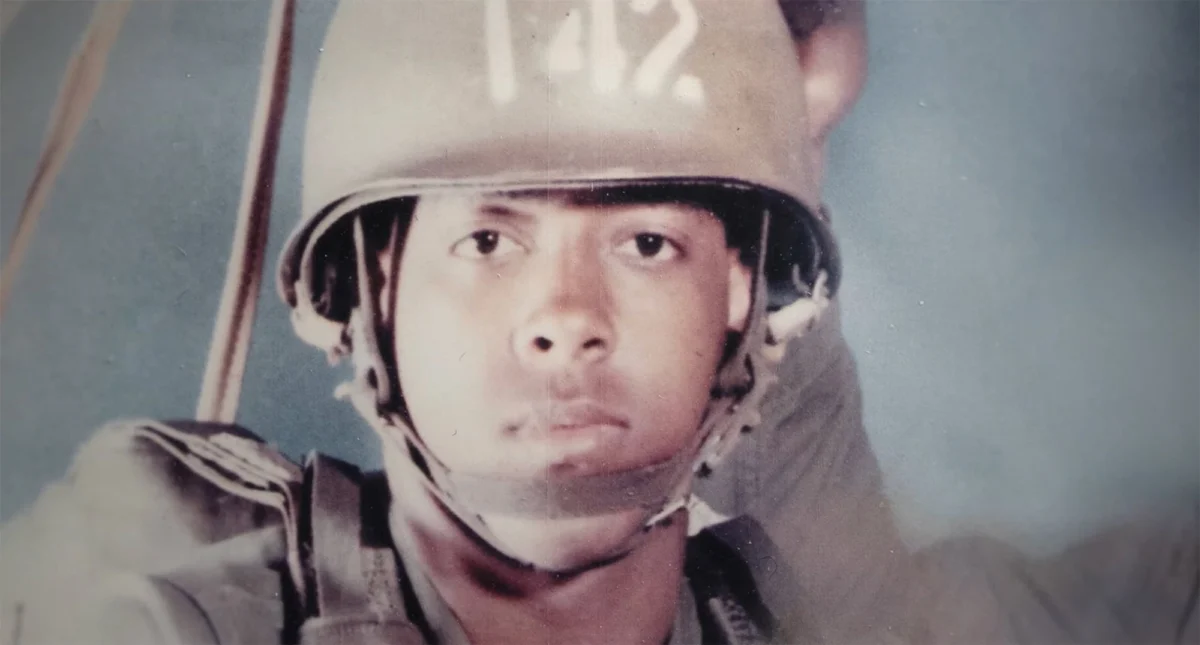
Distributor Kino Lorber has officially released the first teaser trailer for Soul Patrol, a groundbreaking and emotionally charged documentary directed by acclaimed filmmaker J.M. Harper. The film explores a previously unexamined chapter of American military history by focusing on the Vietnam War’s very first Black special operations team. Following its celebrated world premiere at the 2026 Sundance Film Festival—where Harper was honored with the Directing Award for U.S. Documentary—the film has traveled the global festival circuit, earning widespread critical praise for its innovative approach to historical storytelling and trauma recovery.
As the documentary prepares for its upcoming theatrical rollout, industry analysts and historians alike are noting its unique capacity to bridge generational gaps in military awareness. Soul Patrol moves beyond traditional battlefield accounts, offering an intimate, haunting portrait of brotherhood, survival, and the lingering psychological toll exacted upon soldiers who fought abroad while grappling with systemic inequality at home.
Main Facts and Project Overview
Soul Patrol centers on the surviving members of an elite, once-secretive unit of African-American soldiers who operated deep behind enemy lines during the Vietnam War. Decades after their service, these veterans reunite in a specially chosen hotel setting that transforms into a surreal, liminal space—a physical and psychological environment where memories, lifelong brotherhood, and decades of unresolved trauma actively collide.
Rather than relying solely on conventional talking-head interviews, director J.M. Harper reconstructs the veterans’ harrowing journeys with remarkable immediacy. The documentary incorporates a rich tapestry of primary-source materials, including raw Super 8 home movies, personal photographs, and archival audio recordings harvested directly from the soldiers’ private collections.
The film is scheduled to open in select United States theaters on November 6, 2026, strategically coinciding with the 50th anniversary era of the war’s conclusion. The project boasts a high-profile production team, including Sam Bisbee, Danielle Massie, J.M. Harper, legendary hip-hop artist and producer Nasir "Nas" Jones, and Peter Bittenbender.

Chronology of the Film’s Journey
The path to Soul Patrol’s theatrical release has been defined by critical validation and prominent festival selections throughout 2026:
- January 2026: The film makes its world premiere at the Sundance Film Festival in Park City, Utah, competing in the U.S. Documentary category and capturing the prestigious Best Director prize for J.M. Harper.
- Spring and Summer 2026: Soul Patrol embarks on an extensive international film festival circuit, screening at major cultural and cinematic events where it builds intense critical momentum and catches the attention of specialty distributor Kino Lorber.
- Autumn 2026: The documentary plays at high-profile regional events, including DOC NYC Selects, further cementing its reputation as one of the definitive non-fiction releases of the year.
- October 7, 2026: Kino Lorber releases the official teaser trailer to the public, offering the first widely accessible glimpse into the film’s evocative aesthetic and emotional weight.
- November 6, 2026: The film is slated for a theatrical release in select U.S. cities, setting the stage for an anticipated awards-season run.
Historical Context: The Black Servicemember Experience in Vietnam
To fully appreciate the significance of Soul Patrol, industry historians emphasize the necessity of understanding the sociopolitical landscape of the 1960s and 1970s United States. African-American soldiers served in the Vietnam War in disproportionate numbers during the conflict’s early escalation phases, often bearing the brunt of frontline combat roles.
Despite their valor and sacrifice on foreign soil, these servicemen returned to a homeland deeply fractured by institutional racism, segregation, and civil rights turmoil. Elite units, such as the special operations team featured in Harper’s film, operated under extreme conditions of secrecy and physical danger. The psychological burden of these classified missions was frequently compounded by the jarring contradiction of fighting for democratic freedoms abroad while being denied basic civil rights and social equity in their own neighborhoods.
Soul Patrol deliberately leans into this dichotomy. By capturing the reflections of the aging veterans, the documentary poses difficult questions regarding patriotism, state-sanctioned violence, and the societal obligations owed to soldiers who returned home altered by conflict.
Supporting Data and Production Insights

The documentary medium has increasingly become a vital vehicle for historical revisionism and the uncovering of marginalized narratives. J.M. Harper, whose previous credits include the critically praised documentary As We Speak: Rap Music on Trial, brings a distinct visual style and rhythmic editing sensibility to Soul Patrol.
Industry data surrounding documentary distribution indicates a growing audience appetite for historically grounded, character-driven non-fiction features that challenge prevailing cultural narratives. With a production budget bolstered by experienced backers like Nasir Jones and Killer Films’ Sam Bisbee, Soul Patrol was engineered to achieve both high artistic merit and broad crossover appeal.
The integration of rare Super 8 footage provides viewers with a tactile, grain-heavy window into the past that digital restorations often fail to capture. This visual texture mirrors the fragmented nature of memory itself, reinforcing the film’s thematic exploration of how the past continuously haunts the present.
Official Responses and Critical Reception
Since its debut at Sundance, Soul Patrol has drawn unanimous acclaim from film critics and documentary purists. Reviewers have repeatedly highlighted Harper’s delicate handling of sensitive subject matter, praising his ability to create a safe cinematic space for veterans to voice vulnerabilities that they may have suppressed for decades.
In statement releases surrounding the film’s festival run, J.M. Harper emphasized that the project was designed to be an active reckoning rather than a passive history lesson. "This life, as you live it at present and have lived it, you must live it once more," the director noted, quoting a foundational philosophical concept that echoes throughout the narrative structure of the documentary.
Kino Lorber executives have similarly expressed immense pride in bringing the project to theatrical audiences, noting that stories of this magnitude deserve the immersive environment of the cinema. While formal statements from the military establishment regarding the specific unit’s declassified missions remain limited, veteran advocacy groups have praised the film for shining a long-overdue spotlight on a forgotten cohort of American heroes.

Broader Impact and Cultural Implications
The release of Soul Patrol arrives at a critical juncture in contemporary American culture, where historical revisionism and the inclusion of diverse perspectives in the national narrative are matters of intense public debate. By centering the experiences of Black special operations soldiers, the film contributes vital empirical weight to the historiography of the Vietnam War.
Furthermore, the documentary speaks powerfully to the universal struggles of military veterans dealing with post-traumatic stress disorder (PTSD) and moral injury. By framing the reunion hotel as a liminal space, the film visualizes the internal purgatory experienced by those who survive asymmetric warfare.
As Soul Patrol prepares to enter the commercial marketplace on November 6, 2026, its cultural footprint is expected to extend far beyond traditional box office metrics. Educators, veterans’ organizations, and historians are already eyeing the film as an essential educational resource for understanding the complex intersections of race, military service, and historical memory in the United States. Through meticulous research, striking archival integration, and empathetic direction, J.M. Harper has crafted a cinematic monument to men who were hidden by history—ensuring their stories, struggles, and triumphs are finally brought into the light.