

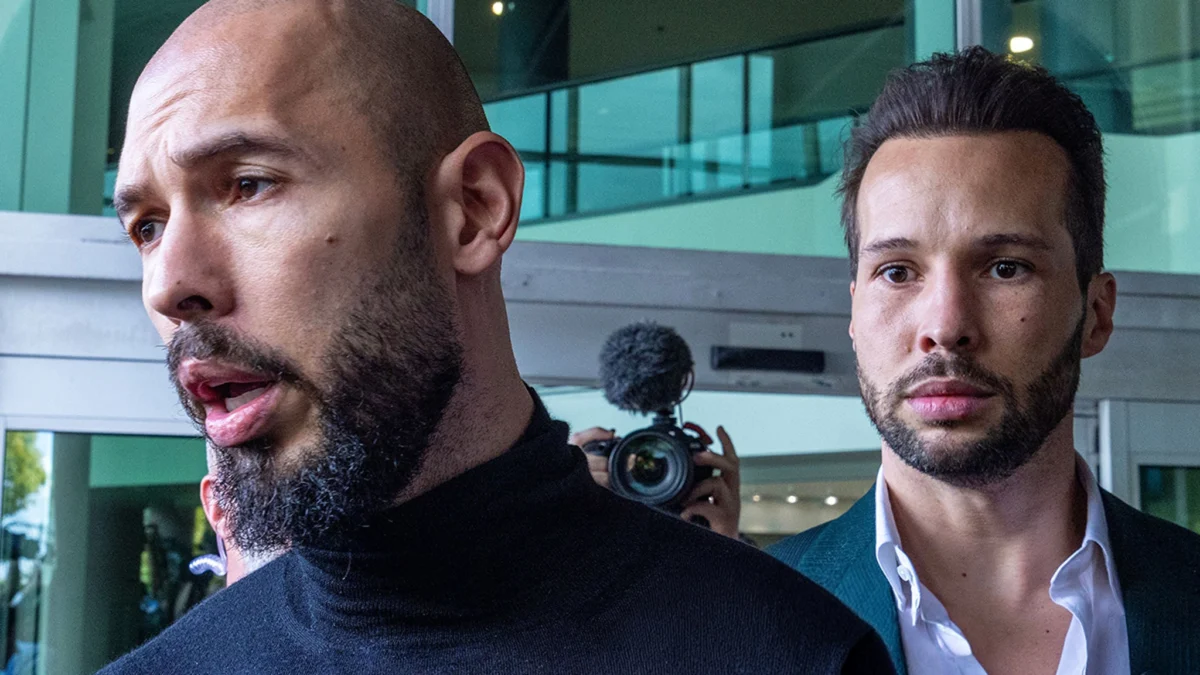
Controversial social media influencers Andrew and Tristan Tate have intensified their ongoing legal battles by formally petitioning a federal judge to grant them bond, a move that would secure their immediate release from a federal detention facility while they fight extradition to the United Kingdom. According to court documents filed on Wednesday, the brothers are seeking a legal pathway out of custody, arguing that prosecutors have continuously failed to demonstrate that they represent a flight risk or a tangible danger to the public. The legal filing represents the latest chapter in a high-stakes international criminal case that spans multiple continents, legal jurisdictions, and a widening array of severe criminal allegations.
The petition asks the presiding federal judge to overturn the court’s prior refusal to set bail pending a final determination on the U.K.’s extradition request. Attorneys representing the Tate brothers argue that the standard presumption against granting bail in international extradition proceedings is rooted in an outdated misinterpretation of a 123-year-old Supreme Court precedent. To alleviate concerns regarding flight, the defense has proposed strict alternative monitoring measures, including electronic tracking and home detention, which they assert would adequately ensure the brothers’ presence at all future court proceedings.
Background and the Path to the Miami Arrest
The current American legal proceedings stem from a series of provisional arrest warrants issued at the explicit request of British authorities. On July 18, Andrew and Tristan Tate were taken into custody by federal law enforcement officers in Miami, Florida. Following their apprehension, they were placed in the Special Housing Unit (SHU) at the Federal Detention Center in Miami, where they have remained confined.
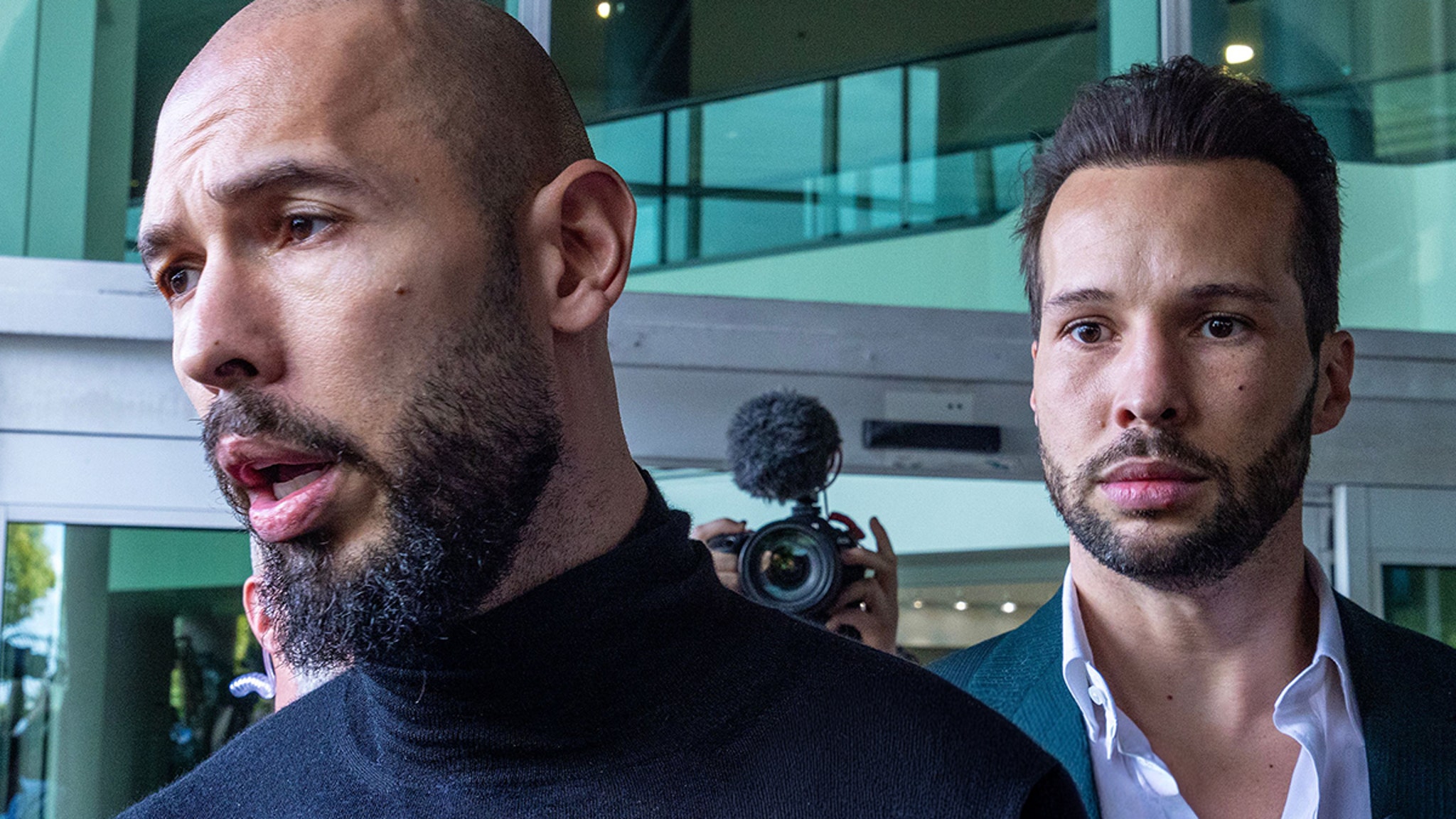
Legal representatives for the brothers have heavily criticized the conditions of their confinement within the facility. According to court filings, their daily reality in the SHU includes severely restricted recreation time, a limitation of only one telephone call per month, a complete lack of access to television, and heavily restricted commissary privileges. The defense points to these stringent conditions as an additional factor that should weigh in favor of granting bond while the complex extradition litigation moves forward.
The United States legal battle follows years of scrutiny and legal hurdles the brothers faced in Eastern Europe. Following initial investigations and arrests in Romania—where the brothers have spent significant time building their business empire and digital presence—Andrew and Tristan argue they consistently complied with all local court requirements and maintained a record of international travel without ever attempting to evade judicial oversight. Their attorneys emphasize that they possess no prior criminal history within the United States, further undermining the government’s argument that they cannot be trusted on release.
Escalating Legal Charges in the United Kingdom
The core of the legal jeopardy facing Andrew and Tristan Tate originates from a sprawling investigation conducted by British law enforcement and the Crown Prosecution Service (CPS). The U.K. authorities have accused the brothers of historical offenses spanning a seven-year period between 2010 and 2017, encompassing allegations of rape, sexual assault, and human trafficking.
The scope of the prosecution has expanded significantly since initial charges were brought to light. The Crown Prosecution Service formally announced an additional 32 charges against Andrew Tate alone. These supplementary allegations include multiple counts of rape, trafficking for sexual exploitation, assault, and offenses involving indecent images of a child, alongside charges related to extreme pornography. Simultaneously, Tristan Tate faces six additional charges, which include counts of rape, sexual assault, and trafficking for sexual exploitation.
Throughout the entirety of these proceedings, both brothers have steadfastly maintained their innocence, categorically denying every allegation brought against them by British and international prosecutors. Their legal team contends that the charges are part of a coordinated effort to discredit and penalize the influencers for their controversial public personas and massive digital reach.
Chronology of Key Legal Milestones
To understand the current procedural posture of the Tate brothers’ case, it is necessary to examine the timeline of events leading up to their American bond petition:
- 2010–2017: The timeframe during which the alleged offenses in the United Kingdom are reported to have occurred, according to British prosecutors.
- Late 2022 – 2023: The Tate brothers face separate legal investigations, arrests, and house arrest orders in Romania, sparking global media attention and extensive local court battles.
- May 2025: The Crown Prosecution Service formally confirms extensive charges against the brothers, setting the stage for international cooperation and legal escalation.
- July 18, 2026: Andrew and Tristan Tate are arrested by federal authorities in Miami, Florida, on provisional warrants issued at the request of the United Kingdom.
- October 5, 2026: The United Kingdom government files its formal, comprehensive extradition request with United States authorities.
- October 2026 (Wednesday Filing): Defense attorneys file a petition in federal court seeking an immediate bond and release from the Federal Detention Center in Miami, challenging the traditional denial of bail in extradition cases.
Legal Arguments and Precedent
The crux of the defense’s argument for bond relies heavily on challenging the long-standing judicial assumption that individuals facing extradition should automatically be denied bail unless "special circumstances" are proven. The Tates’ legal team argues that this standard is a misreading of historical American jurisprudence, specifically pointing to a Supreme Court ruling dating back over a century.
Furthermore, the defense highlights the brothers’ conduct during their legal entanglements in Romania as empirical proof of their reliability. They argue that despite facing severe allegations and intense public scrutiny abroad, the brothers did not flee when permitted to travel internationally and adhered to the parameters set by foreign magistrates. By offering robust electronic monitoring and home detention safeguards within the United States, the defense aims to convince the federal judge that the risk of flight has been effectively neutralized.
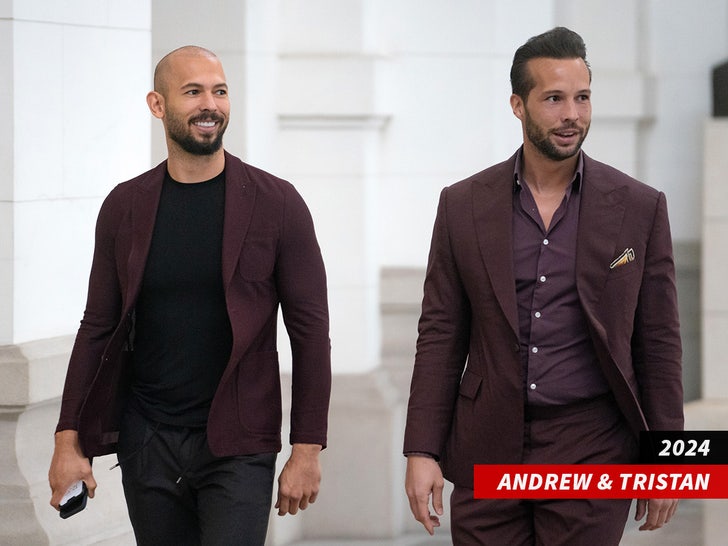
Despite the formal filing of the U.K.’s comprehensive extradition request on October 5, the federal court has yet to schedule a formal hearing to address either the extradition request itself or the newly minted bond petition. Legal experts note that international extradition cases of this magnitude routinely involve protracted litigation, diplomatic coordination, and extensive briefing from both defense counsel and federal prosecutors acting on behalf of foreign governments.
Broader Implications and Public Reaction
The case involving Andrew and Tristan Tate continues to draw intense global scrutiny from legal analysts, civil libertarians, and the general public. As prominent figures who rose to massive online fame through controversial lifestyle branding, alpha-male coaching programs, and vast social media networks, their legal troubles are frequently viewed through the dual lens of celebrity sensationalism and serious criminal accountability.
The outcome of the current bond petition in Miami will serve as a critical indicator of how federal courts handle international extradition requests involving high-profile public figures who possess substantial financial resources. If the judge chooses to grant bond under electronic surveillance, it could establish a notable precedent for how foreign extradition detainees are managed while awaiting judicial review. Conversely, a denial would keep the brothers confined within the high-security environment of the Miami detention center for the foreseeable future as they prepare for what promises to be a complex, multi-jurisdictional legal defense against the British Crown Prosecution Service.
As the legal teams await a scheduling order from the federal bench, the spotlight remains firmly fixed on the Miami courtroom, where the immediate physical freedom of Andrew and Tristan Tate hangs in the balance ahead of their ultimate day in a British court of law.