

The Context of a Studio in Crisis
The turmoil at Bit Reactor emerged from a complex intersection of internal legal disputes and the precarious realities of independent game development. Just weeks prior to the highly anticipated launch of Star Wars: Zero Company, the studio—a venture led by CEO Greg Foertsch—faced a catastrophic liquidity crisis. Reports surfaced that the company, which had been operating under the weight of an internal legal battle between co-founders Alison Kelly and Foertsch, found itself unable to sustain its full staff headcount.
The resulting decision to furlough the vast majority of its workforce was, according to internal sources, a desperate measure to keep the studio afloat long enough to see the game through its release window. At the time, the move was widely criticized as a failure of management, particularly given the high-profile nature of the Star Wars intellectual property and the studio’s partnership with industry giants. The legal battle, which ultimately resulted in Foertsch assuming sole ownership of the firm, served as the primary catalyst for the operational paralysis that defined the pre-launch period.
Chronology of the Operational Stall
The timeline of these events paints a picture of a studio operating on the edge of collapse. In the lead-up to the game’s release, Bit Reactor was finalizing the core build of Zero Company. Despite the product being largely complete, the operational costs associated with maintaining a full-scale development team became untenable due to the frozen funding streams caused by the ownership dispute.
- Pre-Launch Dispute: Internal friction between the founding partners reached an impasse, leading to a legal stalemate that hindered capital flow.
- The Furlough Directive: Approximately 80 percent of the staff were placed on indefinite leave without pay or benefits, a move necessitated by the total depletion of the studio’s available liquid assets.
- The Launch Window: Despite the reduced workforce, Star Wars: Zero Company launched to both critical acclaim and immediate commercial success, effectively validating the team’s development efforts.
- Post-Launch Stabilization: Following the influx of revenue from the game’s strong sales, the company began the process of re-evaluating its financial health and operational needs.
- The Recall Process: This week, Bit Reactor initiated the return of employees, marking the beginning of a recovery phase.
Commercial Performance and Market Impact
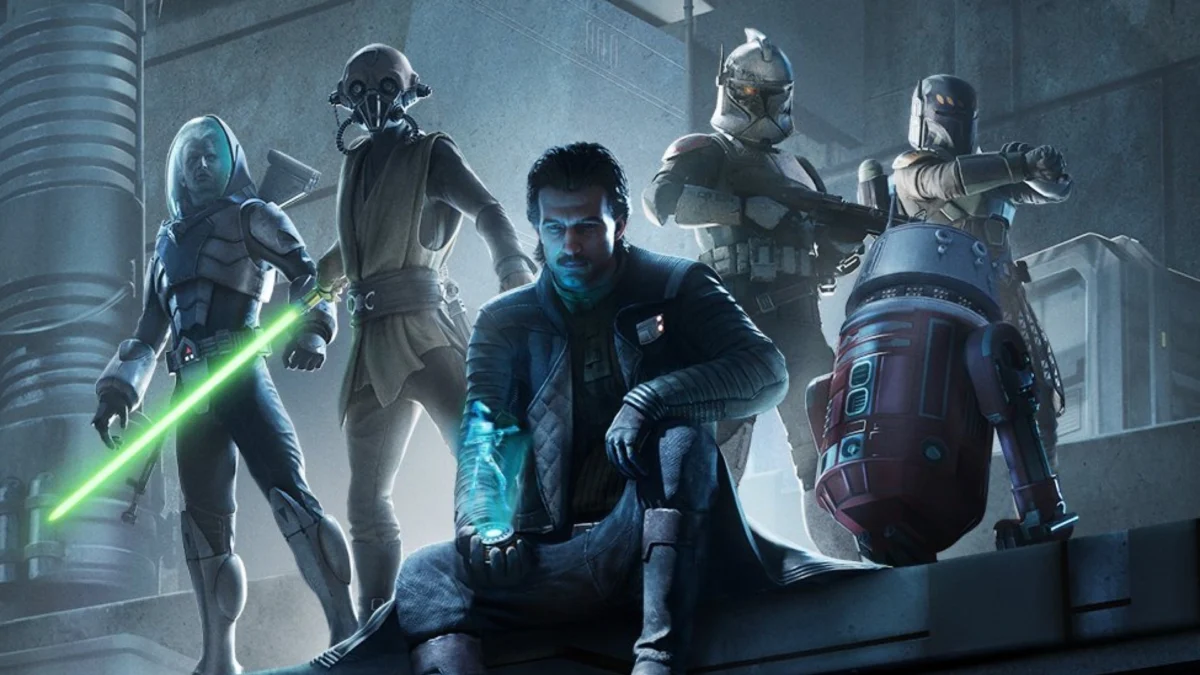
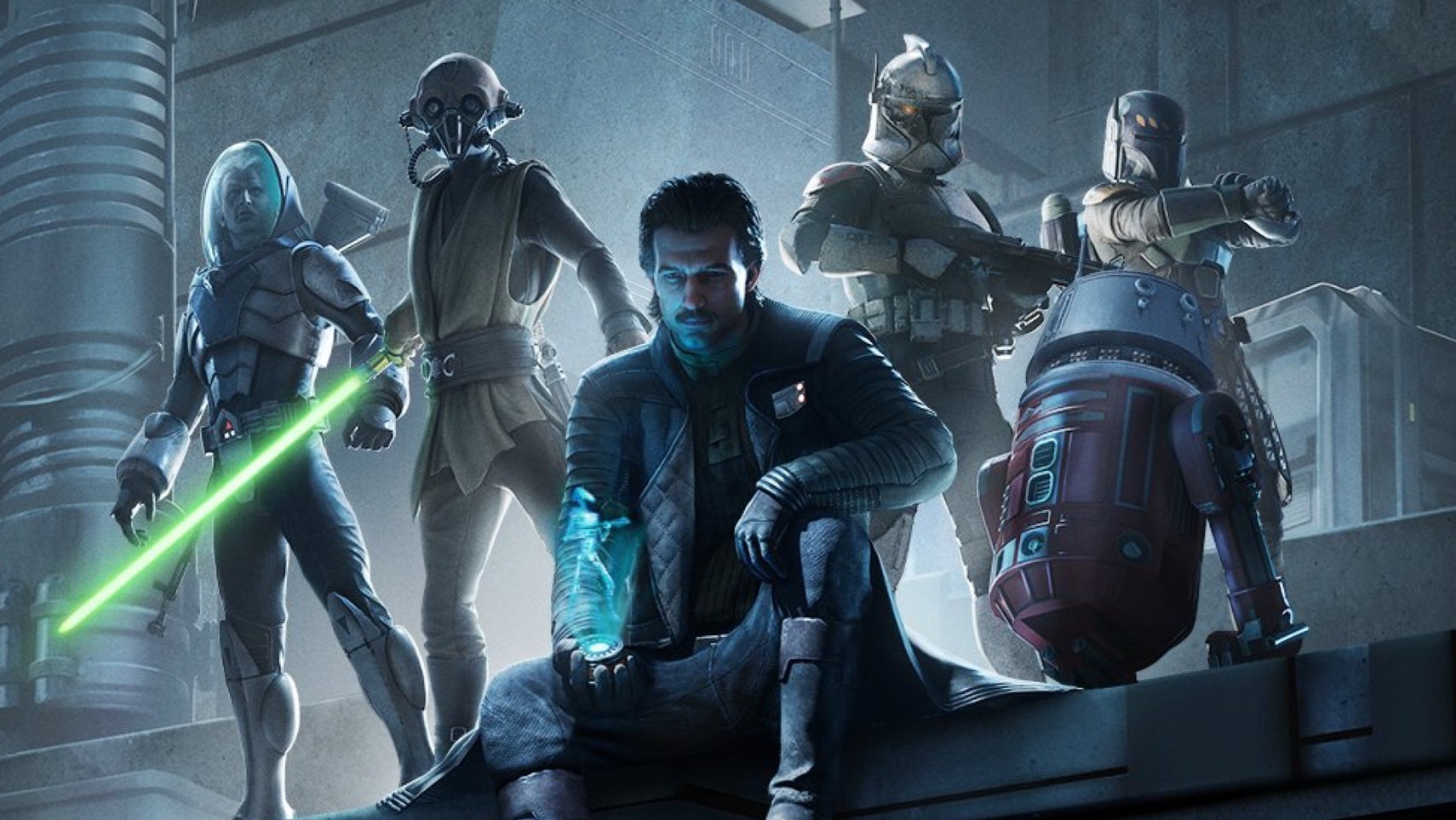
The decision to recall staff is heavily supported by the unexpected commercial velocity of Star Wars: Zero Company. The game, which masterfully adapts the tactical depth of the XCOM series into the Star Wars universe, surpassed the one-million-copy sales milestone within its initial weeks of availability. This performance exceeded industry projections for a niche tactical strategy game and provided the necessary capital for Bit Reactor to resume operations.
Industry analysts suggest that the success of the title is rooted in the "white space" it occupied in the current market. By blending the high-stakes, grid-based combat of classic turn-based tactics with the universally recognized aesthetics of the Star Wars franchise, Bit Reactor created a product that appealed to both hardcore strategy enthusiasts and casual fans of the franchise. The strong sales figures serve as a critical life raft for the studio, transforming a company that was on the brink of dissolution into one that is now actively scaling back up to support post-launch content, patches, and potential expansions.
Official Statements and Internal Sentiment
CEO Greg Foertsch addressed the return of the staff in a formal statement released this week, characterizing the development as an "important step forward." His tone was one of measured relief, acknowledging the difficulty of the decisions made during the pre-launch period.
"Having to ask team members to step away after we navigated unexpected business developments outside of our control and so close to launch was an incredibly difficult decision," Foertsch noted in his address. "This team means a tremendous amount to me, and I am incredibly proud of what we have accomplished together."
While the return of these employees is a positive indicator, the company has remained cautious about the total number of individuals being brought back. Current estimates from industry monitors like Game File suggest that while more than half of the original headcount has returned to the payroll, a significant portion of the workforce remains in a state of professional limbo. This indicates that while the company is stabilizing, it is not yet returning to its full, pre-crisis capacity.
The Broader Implications for Independent Studios
The situation at Bit Reactor highlights several systemic risks inherent in the modern gaming industry. Independent studios often rely on milestone payments or external funding rounds that can be disrupted by legal issues or executive turnover. When a studio is built around a single, massive project, any disruption to that project’s funding cycle can be existential.
Furthermore, the "furlough" model—while legally permissible in many jurisdictions—has drawn intense scrutiny from labor advocates within the gaming sector. The practice of holding developers in a state of indefinite leave, only to recall them after a product proves successful, raises questions about the long-term sustainability of the workforce and the ethics of project-based employment.
For Bit Reactor, the focus now shifts from survival to sustainability. The studio must navigate the challenge of reintegrating its team while managing the ongoing support for a game that requires consistent updates to maintain its player base. The success of the recall effort will likely depend on the company’s ability to rebuild its internal culture, which was undoubtedly strained by the sudden loss of income and job security.
Fact-Based Outlook
Looking forward, the trajectory of Bit Reactor will serve as a case study for how studios recover from high-stakes internal conflicts. The immediate priority is the fulfillment of the game’s roadmap, which players expect to be supported by the original developers who understood the game’s complex tactical design. If the studio can successfully reintegrate the remaining staff and maintain the quality of its post-launch content, it may be able to repair its reputation within the industry.
However, the lingering question remains: what happens to the employees who have not yet been recalled? For those still in limbo, the uncertainty continues. As the studio continues to monitor its revenue streams and project requirements, further updates are expected. Fans of the title, who have been vocal in their support on social media platforms, will be watching closely to see if the studio can return to its full strength or if the current downsizing will become a permanent feature of its post-launch operational model.
The restoration of the workforce at Bit Reactor is, at its core, a testament to the success of their product. Had Star Wars: Zero Company underperformed, the likelihood of a mass recall would have been significantly lower. This serves as a stark reminder of how closely tied employee welfare is to commercial metrics in the modern independent gaming landscape. As the studio moves into this next phase, the goal remains clear: to stabilize operations, reward the loyalty of the remaining team members, and continue the development of a title that has already made a significant mark on the strategy genre. The industry will be keeping a close eye on the studio’s next steps, as the resolution of this crisis will likely set a precedent for how independent firms handle similar turbulence in the future.