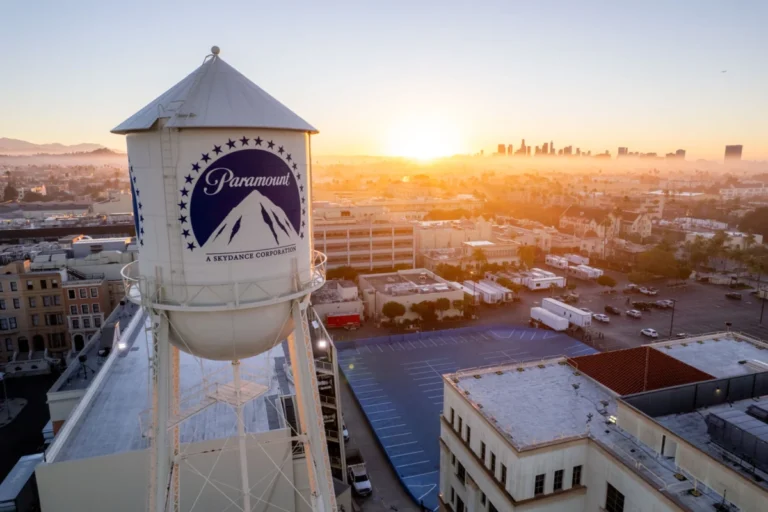



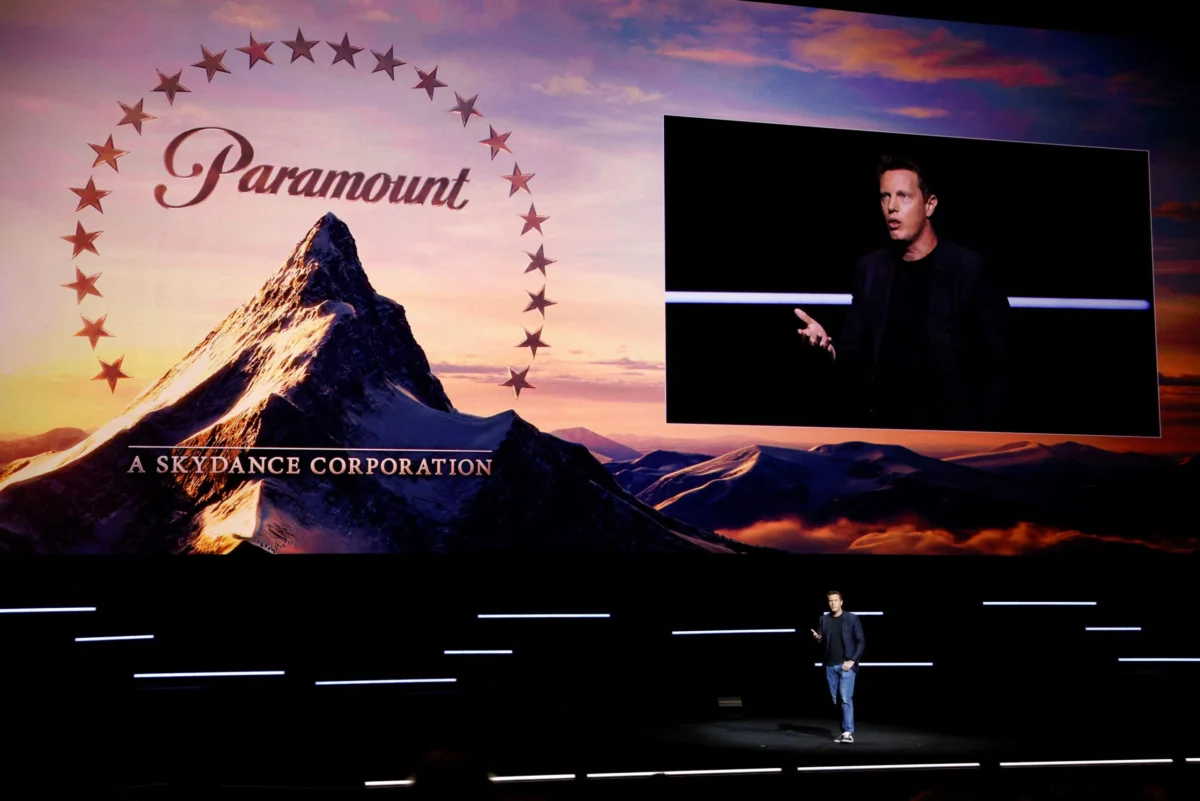
The landscape of the American entertainment industry underwent a seismic shift on Monday as the proposed $110 billion merger between the newly unified Paramount Skydance and Warner Bros. Discovery moved back onto a path toward completion. The path was cleared following a high-stakes settlement between the media conglomerate and a coalition of state attorneys general, led by California’s Rob Bonta, who had previously initiated litigation to block the deal on antitrust grounds. This agreement effectively averts a prolonged trial that would have otherwise tethered the massive corporate integration in legal limbo until mid-2027.
Paramount CEO David Ellison confirmed the development in a memorandum distributed to employees, projecting that the company intends to finalize the transaction within approximately two weeks. The merger represents a historic consolidation of media power, uniting two of Hollywood’s most storied film studios, an expansive library of television networks, the CBS broadcast network, and two of the most significant streaming platforms in the current market: Paramount+ and HBO Max.
A Chronology of the Dispute and Resolution
The legal challenges brought by the coalition of 12 states, spearheaded by California, centered on fears that further consolidation would stifle competition and reduce the availability of creative roles within the United States. In July 2026, the states filed suit, citing deep-seated antitrust concerns regarding the concentration of power in both film production and pay-TV distribution.
To mitigate the immediate legal pressure, Paramount had previously agreed to a voluntary delay of the merger until June 2027. However, this postponement carried significant financial weight. Under the terms of the original merger agreement, a "ticking fee" was set to trigger after September 30, 2026, requiring Paramount to pay 25 cents per share, per quarter, to Warner Bros. Discovery shareholders until the deal closed. Industry analysts estimated that this fee would have added roughly $650 million in cash value to the transaction per quarter, creating an urgent financial incentive for the company to resolve the litigation swiftly.
The Writers Guild of America (WGA), which had also filed a lawsuit to block the deal based on the potential for reduced creative opportunities and job losses, reached a separate settlement on Monday. The guild acknowledged that while it remains critical of the broader industry consolidation, the financial reality of pursuing a multi-million dollar antitrust trial against a corporate titan without the support of state enforcers necessitated a strategic pivot.
Rigorous Conditions of the Settlement
While Attorney General Bonta was instrumental in reaching the settlement, he was quick to clarify that the agreement did not constitute an endorsement of the merger. During a press conference, Bonta emphasized that his office maintains a skeptical view of consolidation in sectors critical to the American economy. To secure the withdrawal of the lawsuit, Paramount agreed to a series of binding, long-term commitments designed to protect domestic labor and ensure the continued flow of theatrical content.
The settlement mandates a substantial increase in Paramount’s domestic production presence. The company has pledged to boost its U.S.-based production spending by at least $300 million annually. Furthermore, should federal film incentives be enacted, the company is contractually obligated to ensure that 20% of its films are produced domestically within the first two years, rising to 30% in the subsequent three years. Currently, internal data suggests that domestic production accounts for only approximately 5% of Paramount’s output, highlighting the scale of this operational pivot.
To ensure the physical footprint of the industry remains in its traditional hub, the agreement requires the company to maintain both the Paramount and Warner Bros. production lots in Los Angeles. Additionally, the settlement sets strict production quotas: the studio must release 30 films theatrically in the first two years and 32 in the following three years. To foster independent cinema, four of these films per cycle must be independent productions, and Paramount is required to establish a dedicated fund for the acquisition of indie films.
Financial Penalties and Operational Oversight
The oversight mechanism for these promises is significant. Bonta stated that the agreement includes a $30 million penalty per film for any failure to meet release pledges, with 90% of those collected funds earmarked for workers. Failure to meet the release goals would also trigger a mandatory divestiture of Miramax.
To protect the diversity of the cable landscape, the company is prohibited from bundling cable packages in a way that forces distributors to take unwanted channels, or it faces the prospect of divesting a suite of its cable assets. Furthermore, the company must commit $9.5 million annually toward workforce training, career development, and community arts programs.
Perhaps most notably regarding media integrity, Paramount must establish an independent board for both CBS News and CNN. This provision directly addresses concerns regarding the potential for editorial influence over two of the nation’s most influential news organizations. A court-appointed trustee will monitor the company’s adherence to these terms, providing the states with a legal pathway to return to court should Paramount fail to meet its obligations.
The Broader Economic Context of Hollywood Consolidation
The merger takes place against a backdrop of severe disruption within the entertainment industry. The post-pandemic era has seen a dramatic shift in how content is produced and consumed, with streaming services eroding the traditional linear television business model. This transition has led to a reduction in the volume of productions, with many studios opting to film in jurisdictions offering aggressive tax incentives rather than maintaining a traditional Hollywood presence.
Gerry Cardinale, founder of RedBird Capital Partners—which helped finance the $8 billion Skydance-Paramount deal and is contributing to the financing of the broader $111 billion merger—argued that such consolidation is a necessary evolution. "I think this type of consolidation and business planning is needed for Hollywood and for the content creation industries in a world where technology is disrupting everything," Cardinale noted.
However, historical precedents provide reason for skepticism among industry observers. The 2019 Disney-Fox merger serves as a cautionary tale; in the decade preceding the acquisition, the two studios combined released between 22 and 36 films annually. Since the merger, that number has dropped significantly, with the combined entity peaking at just 16 releases in a single year.
Given this track record, industry insiders have questioned the feasibility of Paramount’s promise to deliver 30 films annually. For context, no single studio has released more than 25 wide-release films in a single year over the past quarter-century. Recognizing this skepticism, Paramount has attempted to provide security for exhibitors, offering three-year contracts that allow theater owners to sue for damages if the promised release quotas are not met.
Looking Toward the Future
As the transaction moves toward a projected close in mid-September 2026, the implications for the global media market are immense. The union of these two giants creates a vertically integrated powerhouse capable of leveraging massive library assets, diverse distribution channels, and a renewed commitment to theatrical releases.
For the labor force in Los Angeles and beyond, the next five years will be defined by the company’s adherence to the settlement terms. With the WGA-negotiated protections—including a five-year ban on layoffs for the CBS News broadcast team and an $17.5 million infusion into the guild’s health fund—the industry is bracing for a period of transition. While the antitrust hurdles have been cleared, the ultimate success of the merger will depend on whether the newly formed entity can effectively navigate the competing interests of Wall Street, the creative community, and a changing consumer base that is increasingly moving away from traditional media.
The appointment of a trustee and the rigorous oversight by the coalition of attorneys general mark a new era of regulatory engagement in Hollywood. As the ink dries on the final agreements, the industry now turns its attention to the practical reality of execution, marking the end of one of the most complex corporate sagas in modern media history.