

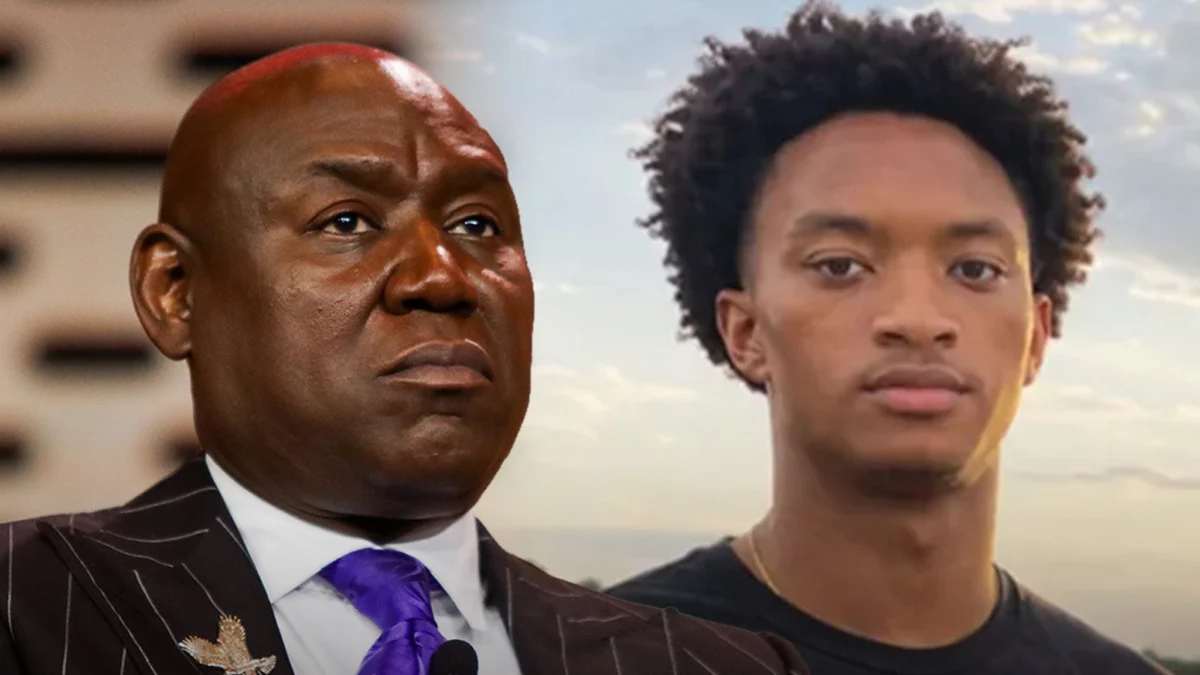
The fight for federal intervention in the mysterious death of 18-year-old Nolan Wells intensified on Monday as his grieving parents, alongside high-profile civil rights attorney Ben Crump, U.S. Representative Maxine Waters, and Stop AAPI Hate Executive Director Cynthia Choi, gathered in Inglewood, California, to demand a comprehensive investigation by the Department of Justice (DOJ) and the Federal Bureau of Investigation (FBI).
The high-stakes news conference, broadcast live to an audience seeking clarity on the teenager’s final hours, marks the latest escalation in a months-long campaign for accountability. More than three months after Wells vanished during a Fourth of July holiday excursion and was subsequently discovered dead, his family remains locked in a battle with local authorities, state investigators, and even members of the civilian search teams who recovered his body. As conflicting autopsy reports, unanswered questions, and public disputes among key figures continue to shroud the case in uncertainty, community advocates and civil rights leaders are uniting behind the Wells family to demand answers that local jurisdictions have thus far failed to provide.
A Tragic Discovery on the Mississippi Gulf
The sequence of events that ultimately led to the national outcry began over the Independence Day weekend in July 2026. Nolan Wells, an 18-year-old with a bright future ahead of him, traveled to Horn Island, a barrier island located off the coast of Mississippi in the Gulf of Mexico, to participate in a holiday boating trip. What was intended to be a celebratory summer outing quickly transformed into a nightmare when Wells went missing.
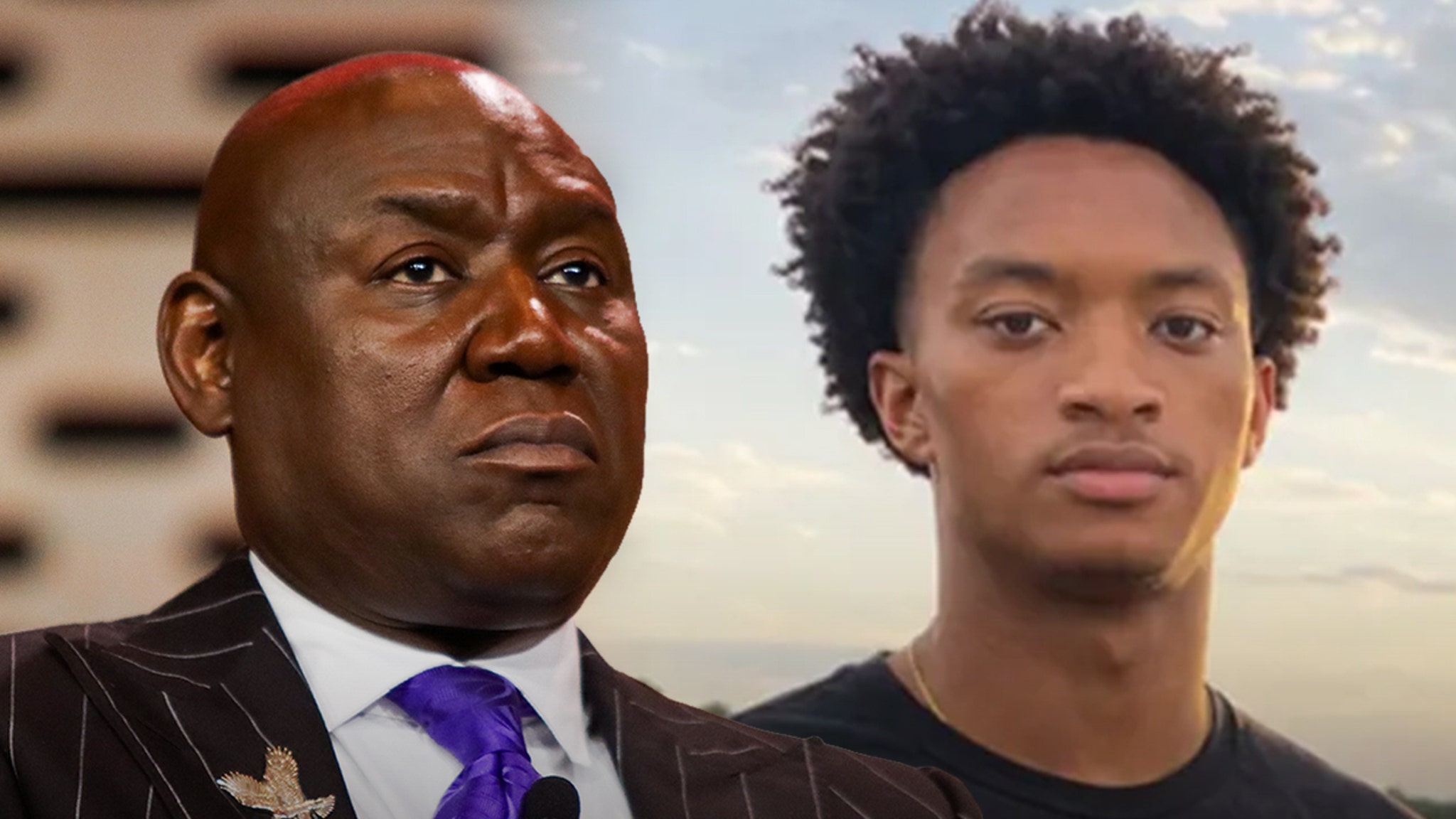
Following an intensive multi-day search involving both official maritime agencies and civilian volunteer groups, Wells’ body was recovered from the water two days after his initial disappearance. The physical setting of the tragedy—a remote island and marine environment—complicated immediate rescue and recovery efforts, setting the stage for conflicting narratives regarding how the young man entered the water and what transpired during his final moments.
Official Autopsy Findings and Conflicting Independent Reports
At the center of the ongoing controversy are the stark discrepancies between official state medical findings and an independent autopsy commissioned by the Wells family.
According to the official state autopsy report released in September 2026, the cause and manner of Nolan Wells’ death remain officially undetermined. The state examiners noted bruising to the back of the teen’s head and neck. However, the report stated that there were no other significant external or internal traumatic injuries capable of explaining a fatal outcome. Notably, the state examiners also documented an absence of fluid or debris in the airways of the lungs, a detail that has heavily fueled debate among forensic experts and family representatives regarding the exact mechanism of death.
Dissatisfied with the ambiguity of the state findings, the Wells family retained independent medical professionals to perform a secondary autopsy. According to statements released by Ben Crump’s legal team, the independent examination revealed a substantially larger area of blunt-force trauma to the back of the head, alongside additional bruising distributed across the teenager’s back. The family argues these injuries point toward foul play or an altercation prior to death, directly challenging the narrative that no significant physical trauma occurred.
The Legal and Investigatory Landscape
Despite the mounting public pressure and the contradictory medical evidence, the immediate path toward criminal prosecution has hit a formidable roadblock. In September 2026, a Mississippi grand jury convened to review the evidence compiled during the local investigation ultimately declined to issue any criminal charges in connection with Wells’ death.
With local and state avenues appearing to stall, Ben Crump and the Wells family have pivoted aggressively toward the federal government. They argue that local law enforcement agencies failed to thoroughly investigate potential criminal elements and that only an independent federal review by the FBI and DOJ can guarantee an impartial, uncompromised examination of the facts. Civil rights advocates maintain that systemic failures in handling suspicious deaths involving minority youth necessitate federal oversight to ensure equal justice under the law.
Clashing Narratives and Public Disputes Among Rescuers and Advocates
As the pursuit of a federal investigation gains momentum, the case has also become mired in a public war of words between the family’s legal representatives and individuals intimately involved in the recovery efforts.
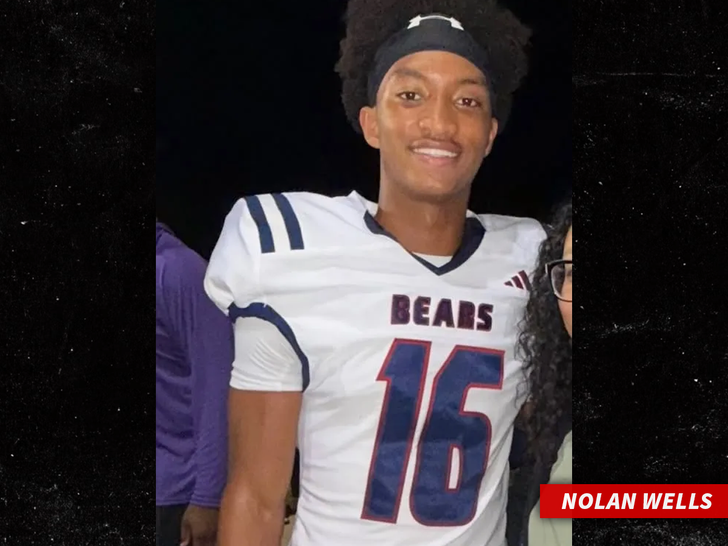
Brian Trascher, a leader of the United Cajun Navy—the civilian search-and-rescue organization credited with helping locate Wells’ body—publicly pushed back against claims made by Ben Crump’s legal team. Trascher accused Crump and his associates of presenting certain facts and evidence in a misleading manner. Specifically, Trascher disputed public statements regarding the exact geographic location where Wells’ body was discovered and contested claims surrounding alleged text messages deleted from the teenager’s mobile phone.
These public clashes have complicated the media narrative, dividing public opinion and drawing intense scrutiny from digital sleuths and news outlets alike. While the family’s supporters argue that detractors are attempting to deflect attention from suspicious circumstances, critics of the legal team’s public relations strategy urge caution and adherence strictly to verified forensic data.
Broader Coalition and Civil Rights Mobilization
The fight for transparency in the Nolan Wells case has transcended local borders, drawing the active support of major civil rights and advocacy organizations. The National Asian Pacific American Women’s Forum (NAPAWF), alongside organizations such as the National Council of Asian Pacific Americans (OCA), has formally endorsed the family’s demands.
In public statements leading up to the Inglewood news conference, coalition leaders emphasized that Nolan’s parents and loved ones deserve absolute transparency, institutional accountability, and the unvarnished truth. These groups point out that marginalized families frequently face stonewalling from traditional law enforcement structures, making grassroots mobilization and political pressure indispensable tools in the quest for justice.
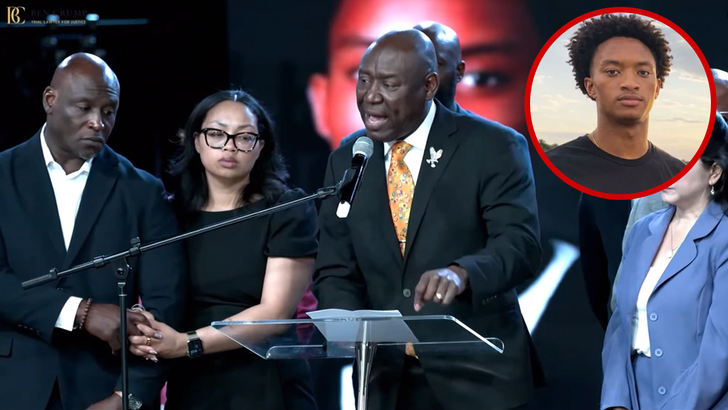
The involvement of high-profile political figures like Representative Maxine Waters underscores the gravity of the situation, elevating a local Mississippi tragedy into a national civil rights conversation about accountability, investigative thoroughness, and the protection of young adults in recreational and remote settings.
Implications and the Road Ahead
As the investigation enters its fourth month without a definitive cause of death or criminal indictment, the pressure on federal agencies continues to mount. The Inglewood press conference serves as a strategic escalation designed to force the DOJ and the FBI to formally intervene.
Legal analysts note that federal agencies typically require substantial evidence of civil rights violations or jurisdictional overlap before stepping in to supersede local and state findings. However, intense public scrutiny, sustained political advocacy, and sharply conflicting medical evidence provide significant impetus for federal review.
For the parents of Nolan Wells, Monday’s gathering was not merely a media event, but a continuation of an agonizing journey to uncover what truly happened to their son on a Mississippi island in July. As the case remains open-ended and public debate intensifies, the nation watches to see whether federal authorities will heed the call for an independent, comprehensive investigation.