


The global gaming industry has witnessed a significant surge in high-fidelity titles emerging from China, with developers increasingly leveraging deep-rooted cultural folklore to carve out a distinct identity within the competitive action-RPG market. Among the most notable upcoming entries is Sword Sage: Awakening, developed by Sword Panda Games and published by 4Divinity. Unveiled to press at Gamescom in Cologne, Germany, the title distinguishes itself from the genre’s traditionally somber, gothic aesthetic by adopting a vibrant, character-driven approach to the established Soulslike formula.
A Departure from Genre Conventions
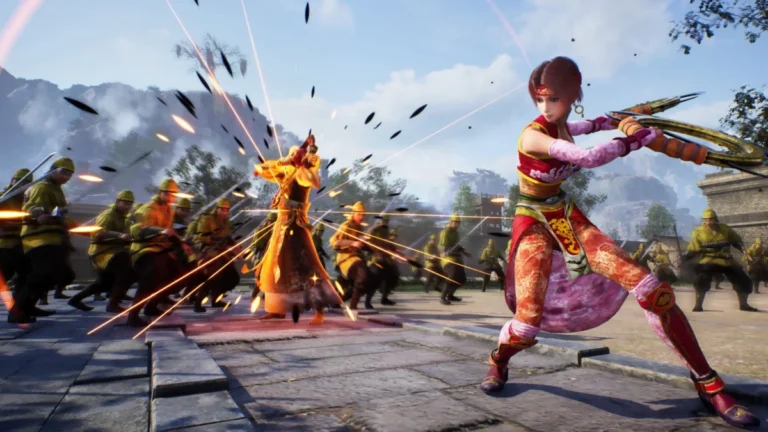
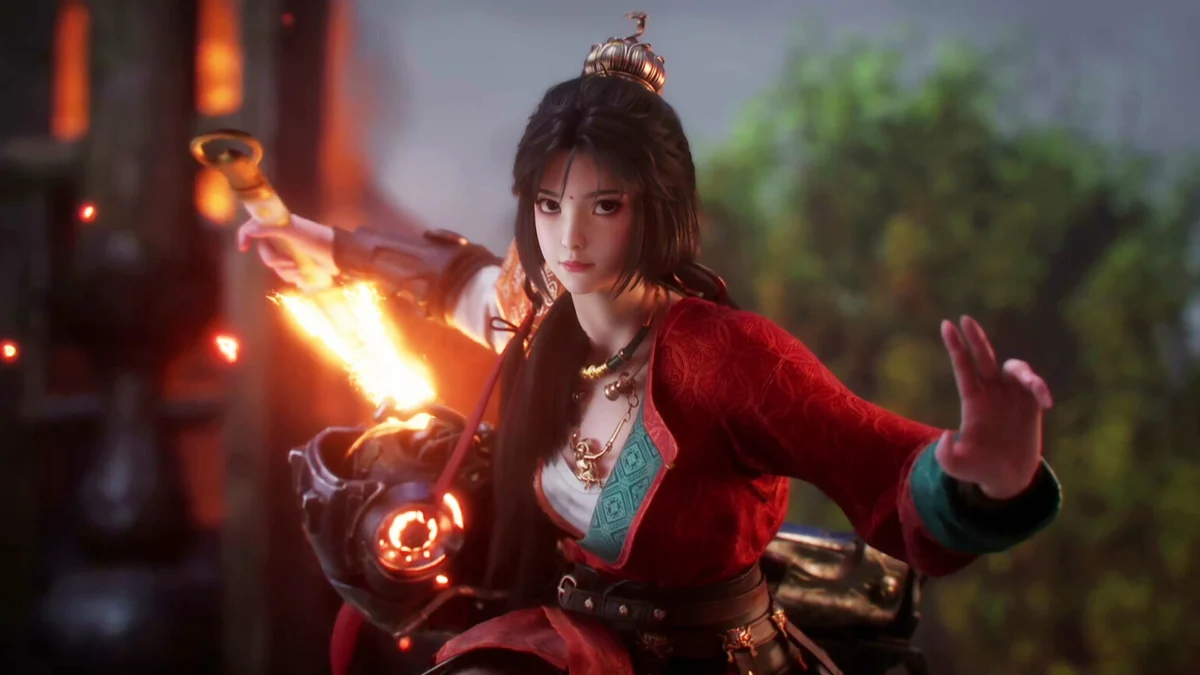
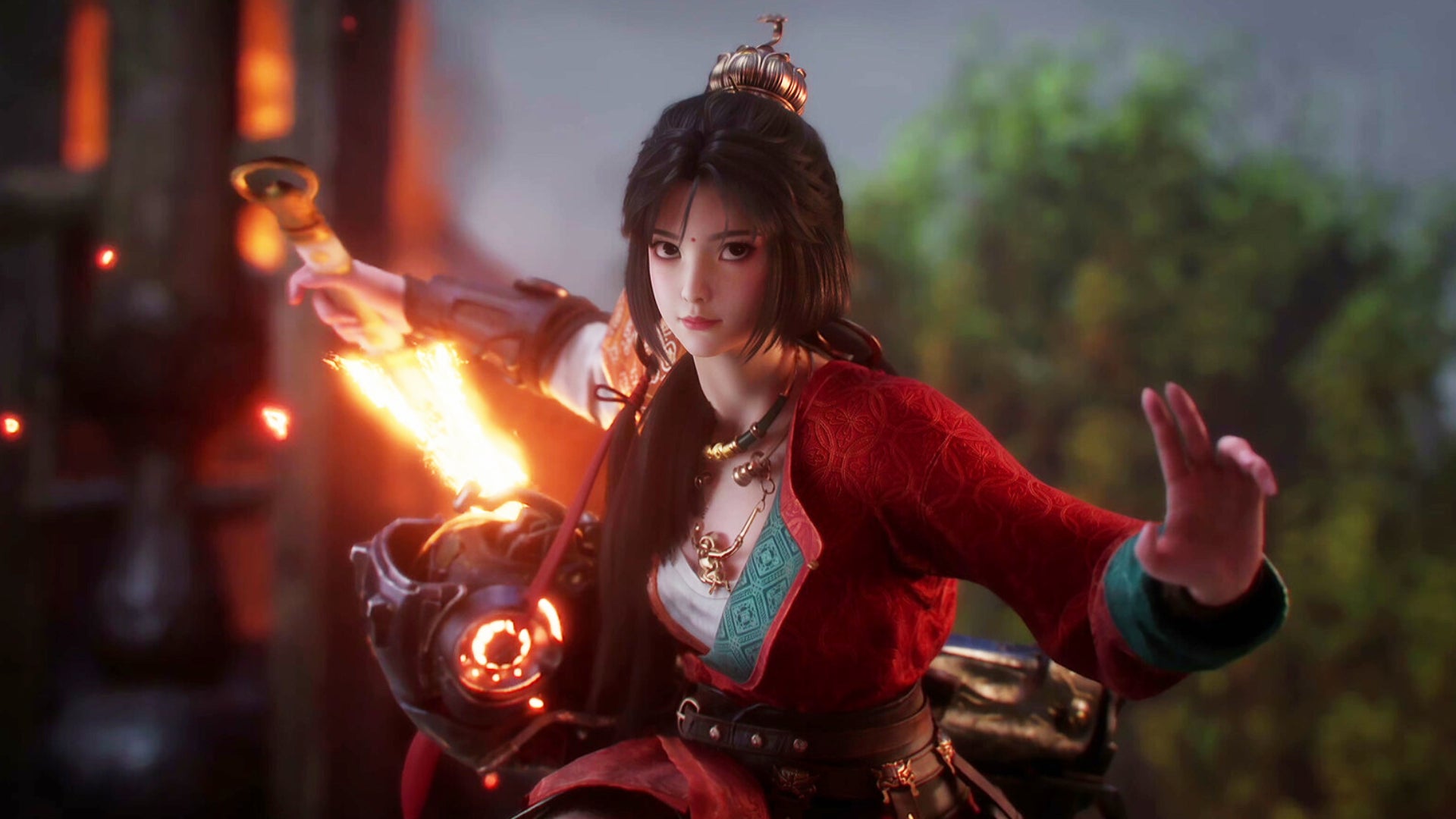
The prevailing archetype of the "Soulslike" genre—popularized by FromSoftware—is defined by crushing difficulty, melancholic atmosphere, and themes of decay. Sword Sage: Awakening challenges these tropes by introducing a more buoyant, expressive visual language. The protagonist, Pei Sanniang, a novice disciple of the Yuangong Sect, serves as the narrative anchor. Unlike the silent or stoic protagonists often found in similar titles, Pei is characterized by fluid, athletic animations and a kinetic combat style that emphasizes momentum over stagnation.
The game’s setting, the Cypress Path, serves as a testament to this tonal shift. While the environment remains inherently dangerous—teeming with malevolent yaoguai—the visual design favors lush, verdant landscapes, cloud-piercing pagodas, and bright, expansive skies. This stylistic choice suggests a deliberate effort by Sword Panda Games to attract a broader audience without compromising the mechanical depth expected by genre enthusiasts.

Mechanical Innovations and Combat Depth
At the core of the experience is a combat system that prioritizes flow and precision. While the game retains standard genre staples, such as bonfire-equivalent rest points—cleverly reimagined as an interactive tea shop presided over by a red panda deity—it introduces several unique systemic layers.
Central to the gameplay is the "Evade Cyan" and "Strike Red" system. Rather than relying solely on traditional dodge-rolling, players must master directional evasion. By matching the player’s dodge input to the angle of an incoming strike—up for high, left or right for mid-level, and down for low—users can initiate powerful counter-attacks. This requirement for precise situational awareness transforms combat from a reactive experience into a rhythmic, balletic engagement.

Furthermore, the game introduces a weapon durability system that avoids the frustration often associated with such mechanics. While weapons degrade during combat, they can be instantly reforged at the press of a button. This adds a tactical layer to the combat loop, forcing players to manage their equipment’s integrity without interrupting the pace of the encounter. The inclusion of a robust skill tree and a variety of craftable talismans and firecrackers further ensures that combat remains dynamic throughout the 12-to-18-hour projected runtime.
Chronology of Development and Market Context
The project, which represents a significant investment for Sword Panda Games, follows a developmental trajectory that mirrors the maturation of the Chinese domestic game development sector. Since the late 2010s, Chinese studios have moved away from mobile-first development, increasingly focusing on premium, single-player experiences designed for global consumption.

According to preliminary disclosures from the studio, the game is structured across three distinct chapters. The first two chapters utilize a branching, semi-linear path structure, while the third chapter reportedly pivots toward a more open, sandbox-style design. This deliberate pacing is intended to guide players through increasingly complex boss encounters, such as the Fangxiang Exorcist, which serves as a primary litmus test for the player’s mastery of the evasion-counter rhythm.
The release strategy, managed by 4Divinity, targets a multi-platform rollout. While the initial focus is on PC and PlayStation 5, the developers have publicly signaled an intention to expand to Xbox and the prospective Nintendo Switch successor. This multi-platform ambition highlights the publisher’s confidence in the game’s broad appeal and its potential to stand out in a crowded market.

Economic and Cultural Implications
The rise of titles like Sword Sage: Awakening carries significant implications for the global gaming market. The infusion of Chinese folklore—specifically the mythology surrounding yaoguai—provides a unique narrative texture that differentiates these titles from the Western-centric fantasy typically dominant in the industry. By blending these cultural elements with the high-skill requirements of the Soulslike genre, studios are creating a new "prestige" category of Chinese gaming.
Industry analysts suggest that the "Souls-lite" approach—which includes player-friendly features like easier access to restorative items and non-punitive skill progression—may be the key to sustainable growth for the genre. By lowering the entry barrier while maintaining a high skill ceiling for advanced play, Sword Panda Games is positioning its title as a bridge for players who appreciate the aesthetic of difficult action games but have historically been deterred by their punishing nature.

Official Stance and Future Outlook
While no official release date has been finalized, the reception at Gamescom has provided the development team with critical feedback regarding the game’s pacing and accessibility. Sword Panda Games has indicated that the difficulty will be balanced to ensure that players do not face insurmountable "boss-shaped" walls, with various options available to help those who struggle with specific combat rhythms.
The inclusion of the red panda "tea shop" as a recovery mechanic has also served as a branding masterstroke, providing the game with a recognizable mascot that contrasts with the often grim branding of its competitors. This, combined with the technical focus on responsive, high-speed combat, suggests that the game is well-positioned to find a dedicated audience upon launch.

Conclusion: A New Standard for Folklore-Inspired RPGs
Sword Sage: Awakening is a project that balances cultural storytelling with a refined understanding of modern action-RPG design. By avoiding the pitfalls of over-gloom and focusing on the fluid, rhythmic possibilities of its combat engine, the game represents an evolution in how developers are interpreting the Soulslike genre.
As the development cycle progresses, the industry will be watching to see how the studio balances the promised open-endedness of its third chapter with the narrative cohesion established in the early game. If the execution matches the ambition displayed in the early builds, Sword Sage: Awakening may well become a benchmark for the next wave of international titles, proving that there is substantial room for innovation within even the most established gaming frameworks. For now, the game stands as a promising candidate for one of the most anticipated releases in its category, blending the charm of its whimsical aesthetic with the rigor of a demanding combat system.