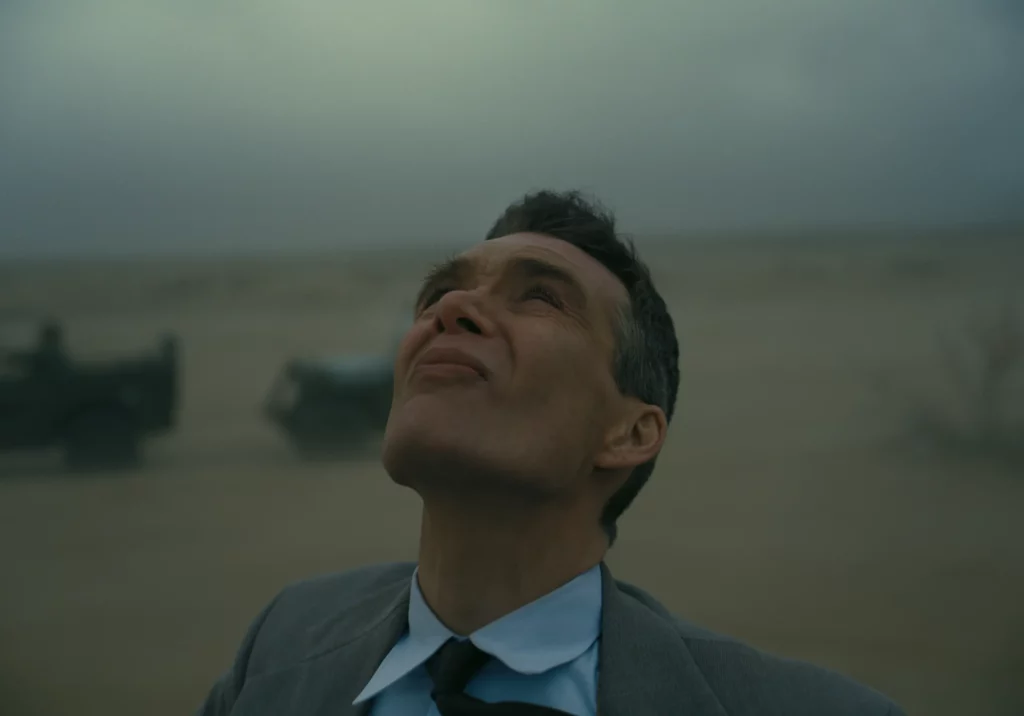



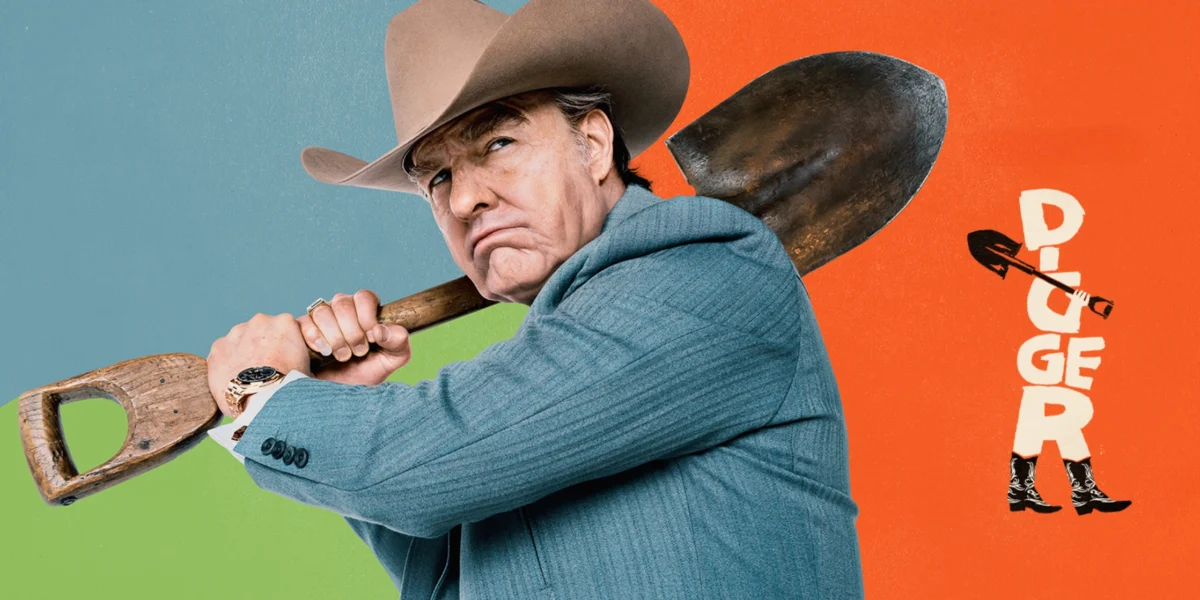
The release of Digger, the latest motion picture directed by four-time Academy Award winner Alejandro González Iñárritu, marks a historic turning point in the cinematic landscape. Distributed by Warner Bros., the film holds the distinction of being the final project released by the studio during its 103-year tenure as an independent entity before transitioning into a new era of corporate restructuring. As a high-profile production featuring a stellar ensemble cast—including Tom Cruise, Riz Ahmed, John Goodman, Sandra Hüller, Michael Stuhlbarg, and Jesse Plemons—Digger has ignited a robust discourse regarding the future of auteur-driven filmmaking in a climate of shifting industry standards. The Next Best Picture podcast recently dedicated its main segment to a deep-dive analysis of the film, moderated by host Matt Neglia and featuring critics Megan Lachinski, Josh Parham, Cody Dericks, and Tom O’Brien.
A Chronology of Artistic Ambition
Alejandro González Iñárritu has long been defined by his willingness to challenge traditional narrative structures. From his debut with Amores Perros (2000) to his Oscar-winning work on Birdman (2014) and The Revenant (2015), Iñárritu has consistently prioritized technical innovation and thematic complexity. Digger represents a departure in genre, framing itself as an environmental comedy—a categorization that has proven polarizing among global audiences.
The production timeline for Digger occurred against the backdrop of significant industry volatility. As Warner Bros. navigated the complexities of long-term independent ownership, the studio invested heavily in Iñárritu’s vision, viewing the film as both a prestige project and a final statement of the studio’s historical identity. Marketing campaigns for the film have explicitly invited audiences to engage with the polarizing nature of the work, framing the discourse as a binary choice between recognizing it as a visionary masterpiece or an ambitious misfire. This strategy, while risky, aligns with the studio’s desire to generate widespread engagement in an era where domestic theatrical attendance is increasingly difficult to secure.
Technical Craft and Collaborative Excellence
The visual language of Digger is anchored by the cinematography of Emmanuel Lubezki, a three-time Academy Award winner known for his long-take mastery and immersive lighting techniques. Lubezki’s involvement has been a primary focal point for critics and fans alike, as the film utilizes wide-angle lenses and natural light to emphasize the environmental themes central to the narrative.
In the podcast’s spoiler-filled review, the panel dissected the film’s production design, which serves as a critical component in building the world of Digger. By contrasting industrial environments with organic, decaying landscapes, the production team highlights the central tension between human advancement and ecological sustainability. The panel noted that the film’s performances, particularly that of Tom Cruise, anchor the abstract narrative in a relatable human struggle. Cruise’s involvement in an environmental satire marks a distinct pivot from his recent focus on high-octane action franchises, suggesting a deliberate effort to return to character-driven drama.
Industry Implications and Audience Reception
The critical reception of Digger remains notably divided. Aggregate scores reflect a wide spectrum of opinions, with some critics lauding the film’s bold storytelling and others questioning the cohesion of its tonal shifts. This divide is indicative of a broader trend in contemporary film criticism, where "risky" auteur projects are frequently subject to intense, often polarized scrutiny on digital platforms.
From an economic perspective, the film serves as a case study in studio strategy. By positioning Digger as a high-stakes, "love it or hate it" experience, Warner Bros. has effectively leveraged social media discourse to drive visibility. However, the long-term impact of such marketing remains to be seen. Industry analysts suggest that the success of films like Digger may determine whether major studios continue to greenlight experimental projects from established directors, or if they will shift further toward established intellectual property and lower-risk content.

The Role of Independent Analysis
The Next Best Picture podcast, which operates under the Evergreen Podcasts Network, provides a platform for this type of sustained critical evaluation. By offering a venue for long-form discussion, the team allows for a nuanced exploration of elements—such as pacing, narrative structure, and thematic depth—that are often reduced to simple scores in traditional review outlets.
The review of Digger serves as a reminder that the value of a film is not always found in its initial consensus, but in the enduring conversation it generates. The panel’s discussion, which includes an analysis of the film’s "shocking twist," highlights the importance of narrative subversion in Iñárritu’s work. Whether the film ultimately achieves the "test of time" status remains a matter of ongoing debate, but its place in the history of Warner Bros. is already secured by the circumstances of its release.
Broader Context of the Environmental Genre
Environmental cinema has undergone a transformation in recent years, moving away from purely documentary formats toward genre-blending narratives that integrate climate anxiety into the fabric of daily life. Digger joins a lineage of films that attempt to translate systemic ecological crises into personal, often darkly humorous stories. By using satire, Iñárritu seeks to bypass the "preachiness" often associated with environmental storytelling, instead opting for a chaotic, hyper-realistic depiction of societal collapse.
Data from the past decade of film production shows a 14% increase in projects classified under "environmental or climate-focused" themes. However, few of these have achieved the massive distribution scale of a studio-backed project like Digger. The film’s ability to reach a global audience, combined with its divisive nature, provides a unique opportunity to observe how mainstream audiences engage with climate-conscious narratives when they are packaged within a high-concept comedy.
Conclusion and Future Outlook
As the dust settles on the release of Digger, the film stands as a testament to the unpredictable nature of modern cinema. The podcast’s analysis, available through various streaming platforms and the Next Best Picture website, underscores the necessity of deep-tissue criticism in an era of rapid-fire content consumption.
The studio’s transition into a new chapter post-independence leaves many questioning the future of such high-risk, high-reward projects. If Digger succeeds in finding an audience, it may provide a roadmap for future directors attempting to bridge the gap between niche thematic concerns and mass-market appeal. If it fails, it may signal an industry-wide retreat toward safer, more formulaic content.
Listeners interested in the full, unedited analysis of the film’s technical merits, directorial choices, and the implications of its climactic plot turn are encouraged to access the full podcast episode. By engaging with multiple critical perspectives, the audience can better contextualize where Digger sits within the pantheon of Iñárritu’s filmography and the larger history of 21st-century cinema.
The Next Best Picture team continues to provide coverage on the intersection of cinema and industry, offering subscription options and support via Patreon for those seeking deeper access to their archive. Through detailed breakdowns and consistent engagement with the evolving film industry, the podcast remains a vital resource for those looking to understand the mechanics behind the screen. As the industry continues to evolve, the conversation surrounding Digger serves as a critical junction for filmmakers and audiences alike to reassess the value of artistic risk in a rapidly changing world.