


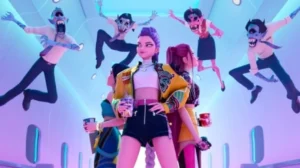

The National Hockey League has officially stepped into the booming literary subculture of sports romance fiction with its newly unveiled marketing initiative, titled Hot for Hockey. The campaign, rolled out across audiobook platforms and social media networks, features a series of short, romance novel-styled narratives starring prominent NHL players. While the league views the effort as a lighthearted nod to a pervasive cultural trend that has driven millions of readers to the sport, the rollout has ignited a fierce debate across fan communities, authors’ circles, and sports media. Critics argue that the marketing strategy trivializes serious institutional challenges regarding inclusivity, transparency, and player safety within professional hockey.
The Genesis of Hockey Romance and Mainstream Adoption
For years, the intersection of ice hockey and romance fiction has expanded quietly within online literary spaces before bursting into mainstream prominence. Driven largely by digital communities on TikTok—colloquially known as BookTok—and dedicated platforms like Archive of Our Own, hockey romance novels and real-person fiction have captured a massive readership, predominantly among women and LGBTQ+ fans. The breakout success of literary works such as Rachel Reid’s Heated Rivalry and various collegiate sports romance series propelled the subculture from a niche corner of internet fandom into a multi-million-dollar publishing phenomenon.
Recognizing the economic potential of this demographic, sports franchises and leagues have increasingly sought ways to engage these readers. The New York Public Library first documented the surge in hockey romance readership as early as 2019, noting a distinct appetite for stories blending athletic grit with interpersonal drama. However, transitioning these organic, fan-generated spaces into official league marketing has proven to be a complex and controversial undertaking.
Anatomy of the Hot for Hockey Campaign
As part of the Hot for Hockey initiative, the NHL partnered with established romance authors and voice actors to produce 60- to 90-second audio stories. The first batch, released in late September, features recognizable NHL stars such as Trevor Zegras of the Philadelphia Flyers, Sebastian Aho of the Carolina Hurricanes, and Jack Eichel of the Vegas Golden Knights. Written by authors including Pucking Wrong writer C.R. Jane, the audio clips lean heavily into genre tropes, using evocative language reminiscent of back-cover book summaries.
Despite the romantic framing, the audio segments diverge significantly from traditional romance novels by omitting romantic partners for the players entirely. Instead, the narratives function primarily as promotional teasers designed to drive traditional viewership toward actual league games. For instance, the audio short featuring Trevor Zegras frames his transition to Philadelphia through dramatic, weather-and-grit motifs designed to evoke the emotional beats of popular fiction without delivering a conventional romance plotline.
To amplify the campaign, the NHL engaged BookTok content creators to promote the audio stories across social media channels, signaling an aggressive push to capture younger, digitally native demographics who consume sports through non-traditional media ecosystems.
Author Pushback and Accusations of Brand Laundering
The league’s attempt to co-opt the romance genre has met with swift resistance from prominent authors within the community, many of whom publicly rejected overtures to participate. Best-selling hockey romance novelist Emily Rath took to social media to express vehement opposition to the campaign, revealing that she immediately turned down an invitation from the league.
According to Rath and fellow author Chelsea Curto, the campaign’s internal promotional materials relied on artificial intelligence-generated artwork and relied on tropes that many in the community found patronizing. Rath argued that the league is attempting to leverage the credibility of romance authors to soften its public image while failing to address systemic concerns raised by female and queer fans.
"They’re just encouraging the idea that women only care about hockey if it’s packaged like a romance novel," Rath posted online, accusing the league of utilizing popular authors to launder a tarnished brand and lure in readers under false pretenses. Curto echoed these sentiments, noting that her own literary work often critiques institutional shortcomings within professional sports, making corporate collaboration untenable.
Broader Cultural Grievances: Inclusivity and Accountability
The backlash against Hot for Hockey extends beyond literary aesthetics, tapping into deep-seated frustrations regarding the NHL’s handling of diversity, equity, and inclusion initiatives. Critics and community advocates argue that the league’s embrace of romance-focussed marketing stands in sharp contrast to its recent policy rollbacks concerning marginalized communities.
Lacey Conine, founder of Double Hockey Stix, a clothing brand catering to underrepresented hockey fans, noted that the campaign initially struck many within her network as satire. Conine and other commentators pointed to the league’s shifting posture toward Pride Nights as a primary point of contention. While NHL leadership has maintained that themed nights remain a staple of team programming, individual franchises have increasingly stepped back from hosting Pride-specific events. For example, the Dallas Stars announced the removal of their Pride Night for the current season—marking a departure from a five-year tradition—while simultaneously hosting an event themed around the fantasy novel Iron Flame, with proceeds directed toward the Trevor Project.
This tension is compounded by historical and ongoing controversies regarding institutional accountability. Critics frequently cite the league’s historical reluctance to decisively address allegations of racism, homophobia, and misogyny. The scrutiny intensified following revelations surrounding Hockey Canada’s management of historical sexual assault claims and funds, as well as the subsequent reentry of players cleared or acquitted in high-profile legal cases into professional play. For many female and queer fans, marketing efforts that romanticize players feel disconnected from the reality of institutional accountability within the sport.
Player Safety and the Parasocial Dilemma
Another dimension of the controversy involves the psychological and social impact of romance-centric marketing on the athletes themselves. Previous marketing efforts targeting BookTok audiences have occasionally resulted in unintended negative consequences for players and their families. In 2023, Seattle Kraken player Alexander Wennberg and his wife, Felicia, publicly addressed an influx of overly aggressive, predatory, and explicit comments directed at them after the team’s social media channels courted the BookTok demographic.
While the NHL stated that participating players explicitly approved all content for the Hot for Hockey campaign and that the focus remains strictly on on-ice narratives, industry observers question where the boundary lies between supportive fandom and invasive parasocial behavior.
Jess Rauchberg, a lecturer in the School of Media and Communication at the University of Leeds, categorizes the campaign as an official, league-sanctioned form of real-person fiction (RPF). Rauchberg notes that while hockey RPF has thrived safely within underground fandom spaces for decades—operating under unwritten rules that separate fan creativity from the subjects of the fiction—corporate involvement blurs the fourth wall. By actively encouraging fans to project romantic and intimate narratives onto real-life athletes, the league risks exacerbating parasocial boundaries and exposing players to heightened levels of digital harassment.
Official Response and League Stance
In defense of the campaign, NHL representatives maintain that the initiative is intended as a good-natured engagement tool that acknowledges contemporary pop culture trends. Jon Weinstein, an NHL spokesperson, emphasized that the league took pride in collaborating with genuine participants within the romance literary ecosystem, including authors, illustrators, and voice actors.
"We were very proud to partner with real hockey authors, illustrators and voice actors in the space, and we’re grateful the players were willing to have a little fun with it too," Weinstein said in a statement to media outlets, framing the campaign as a playful nod to the cultural zeitgeist rather than a commentary on broader sociopolitical issues.
Implications for Sports Marketing
The friction surrounding the Hot for Hockey campaign highlights the delicate balancing act sports leagues face as they attempt to monetize non-traditional digital fandoms. As sports organizations increasingly look to social media subcultures to expand their audience bases, they must navigate the expectations of communities that demand cultural authenticity and institutional accountability.
For the NHL, the campaign illustrates that commercializing fan fiction and literary tropes cannot be neatly separated from the broader cultural and political realities of the sport. As the initiative moves forward, its ultimate success will be measured not only by short-term listener engagement and ticket sales, but by whether the league can successfully bridge the gap between corporate marketing objectives and the complex demands of modern sports fandom.