


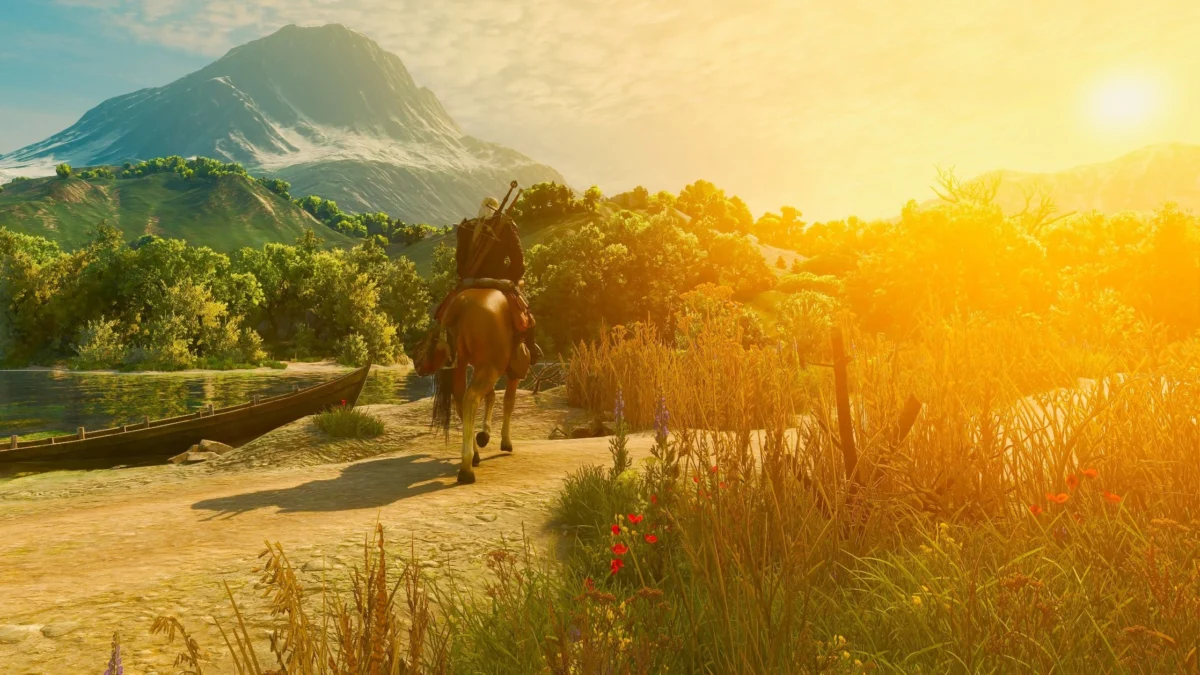
The recent release of the remastered version of The Witcher 3: Wild Hunt, a title widely considered one of the most significant achievements in modern role-playing game history, has been met with both critical acclaim and technical scrutiny. Following the launch earlier this week, a vocal segment of the player base expressed dissatisfaction regarding the title’s lighting engine, specifically citing an overly bright and washed-out aesthetic that diverges from the game’s original, grittier atmosphere. In a swift response to this feedback, developer CD Projekt Red has deployed a new patch for the PlayStation 5, Xbox Series X/S, and the Xbox Play Anywhere version on PC, focusing specifically on lighting adjustments and system stability.
The Evolution of a Modern Classic
Originally released in 2015, The Witcher 3: Wild Hunt established a new benchmark for open-world narrative design. Developed by the Polish studio CD Projekt Red, the game garnered over 800 awards, including hundreds of "Game of the Year" accolades. Its transition to next-generation hardware was intended to bring the game in line with modern visual standards, utilizing ray tracing, improved screen-space reflections, and higher-resolution textures.
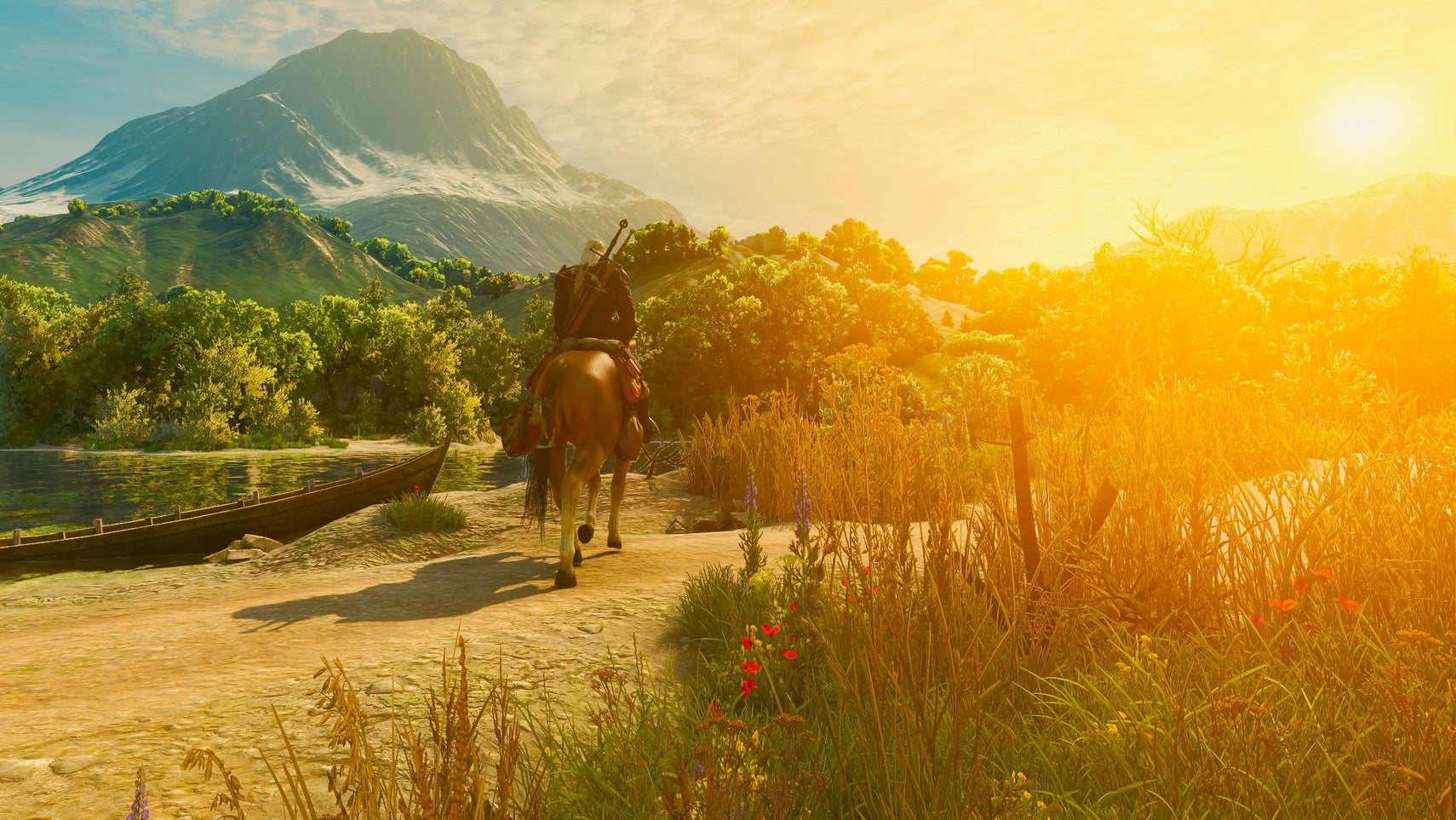
However, the transition has not been entirely seamless. Upon the release of the "Next-Gen Update," players across various community forums and social media platforms began documenting instances where the game’s lighting appeared artificially elevated. Critics of the new visuals noted that the "Bloom" effect—a post-processing technique used to create the illusion of intense light—appeared significantly more aggressive than in the 2015 release. This resulted in scenes where subtle details in the environment were obscured by an over-saturation of light, particularly in outdoor areas like the sun-drenched duchy of Toussaint.
Chronology of the Update and Response
The rollout of this remastered suite of features began with high expectations, as CD Projekt Red positioned the update as a comprehensive "thank you" to the community. The timeline of the controversy and subsequent resolution unfolded as follows:
- December 2024 (Launch Week): The remastered version is made available as a free upgrade to existing owners. Within hours of the global rollout, players began reporting issues regarding the game’s lighting balance.
- Post-Launch Window: Community sentiment coalesced around specific graphical settings, with PC players identifying the inability to toggle certain lighting effects as a primary friction point.
- Immediate Aftermath: CD Projekt Red acknowledged the technical reports via their official social media channels, transitioning from passive monitoring to active development of a hotfix.
- Current Status: The latest patch deployment serves as the first major step in addressing the specific feedback regarding "washed-out" imagery, signaling a commitment to maintaining the game’s original artistic vision while integrating modern graphical flourishes.
Technical Analysis: The Bloom and HDR Conundrum
The primary technical debate centers on the balance between modern lighting techniques and the game’s original art direction. The Witcher 3 relies heavily on its environment to tell a story; the gloomy atmosphere of Velen, for instance, is a critical component of the game’s narrative tone. When the lighting is pushed too far toward a high-exposure look, the nuanced color palette is flattened.
A contributing factor to the reported brightness is the integration of High Dynamic Range (HDR) and Path Tracing. HDR is designed to expand the range of light and dark, but if not calibrated perfectly to the original assets, it can cause "clipping" in highlights. While PC users possess the agency to disable Bloom—a luxury not afforded to console players—the current patch appears to be an attempt to standardize the experience across all platforms. By adjusting the default lighting parameters, CD Projekt Red is attempting to bridge the gap between the enhanced fidelity of the remaster and the atmospheric integrity of the 2015 original.
Official Statements and Support Infrastructure
CD Projekt Red has adopted a transparent communication strategy regarding these technical hurdles. In addition to the patch notes, the studio issued a statement encouraging players to utilize their dedicated Technical Support portal. This portal serves as a centralized hub for data collection, allowing the development team to categorize issues by hardware configuration, platform, and specific gameplay scenarios.
"We are listening closely to the feedback provided by our community," a representative for CD Projekt Red stated via their official channels. "While the remaster represents a significant leap forward in visual technology, we acknowledge that the balance of these new features must align with the intended artistic experience. We appreciate the patience of our players as we continue to refine the experience."
Furthermore, the studio is currently working on a separate hotfix specifically for PC players, addressing critical issues related to save-game corruption and performance stability. This reflects the complexities of porting a massive, non-linear title across multiple hardware architectures, where save states can become unstable if they conflict with newly implemented scripting or memory management systems.
Broader Implications for the Industry
The situation highlights a recurring trend in the gaming industry: the difficulty of remastering legacy titles for modern hardware. As visual fidelity increases, the risk of "losing" the original visual language of a game grows. The Witcher 3 serves as a case study for the "remaster vs. remake" debate, where the goal is to enhance rather than replace.
The implications for CD Projekt Red are significant. With the announcement of a third expansion, titled Songs of the Past, scheduled for release next year, the studio is effectively using the remaster as a foundational layer for future content. If the core game is not optimized to the satisfaction of the player base, the anticipation for new narrative expansions could be tempered by technical skepticism. The current patch is, therefore, not merely a quality-of-life update; it is an effort to maintain brand trust ahead of the studio’s next major release.
Looking Toward the Future
The success of Songs of the Past will depend heavily on the studio’s ability to demonstrate that the remaster was a net positive for the franchise. The inclusion of new animation improvements, quality-of-life changes, and the visual overhaul are intended to ensure that The Witcher 3 remains competitive in a market flooded with high-fidelity, open-world experiences.
As the industry shifts toward longer life cycles for flagship titles, the ability of a developer to provide ongoing, responsive updates is paramount. The Witcher 3: Wild Hunt has already enjoyed an unprecedented lifespan, sustained by its deep lore and character-driven design. By addressing the lighting concerns with such urgency, CD Projekt Red is reinforcing its dedication to the title’s longevity.
For now, the player base continues to monitor the impact of the latest patch. As data continues to flow through the technical support portal, it is likely that further iterative updates will follow. The challenge remains for the developers to balance the cutting-edge capabilities of next-generation consoles and high-end PCs with the gritty, grounded aesthetic that first defined the world of Geralt of Rivia nearly a decade ago. The ongoing dialogue between the studio and its players will serve as a bellwether for the future of the franchise, ensuring that the legacy of the series is preserved even as its technical foundations are rebuilt.