

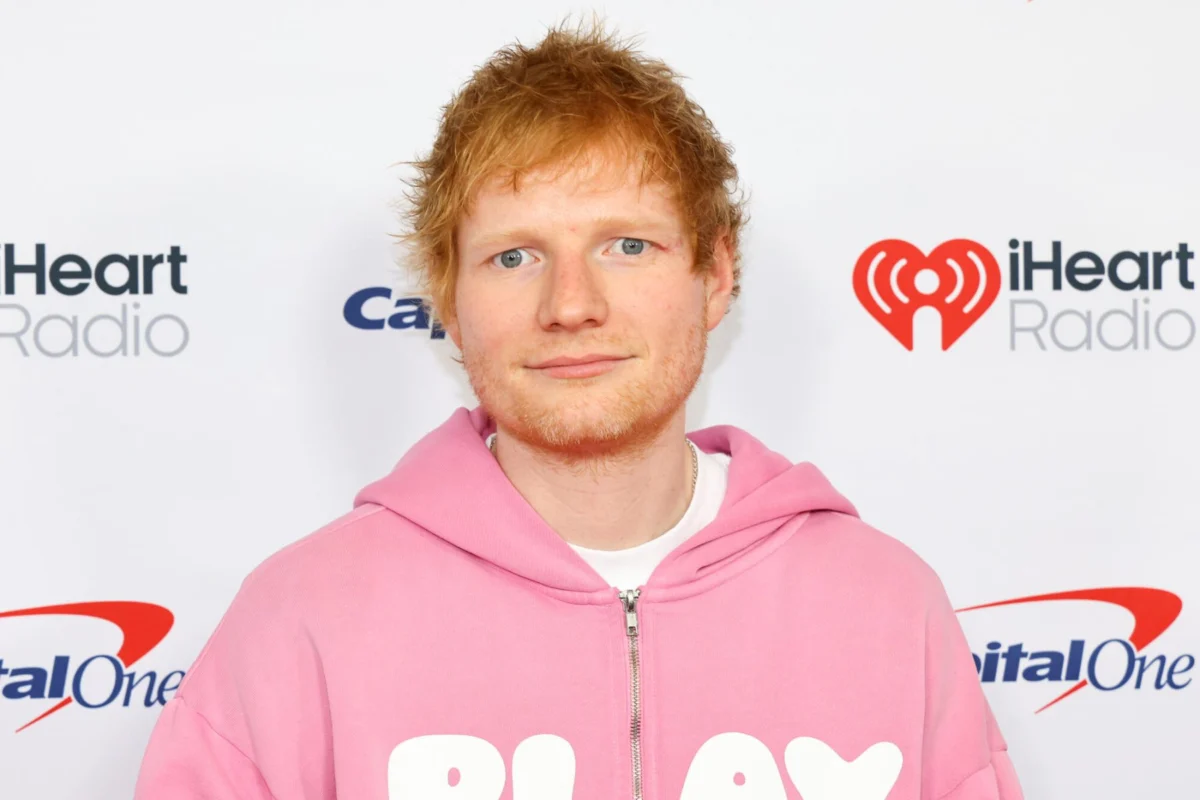
The intersection of popular music and global geopolitics has once again ignited intense public debate, drawing commentary from some of the industry’s most enduring figures. U2 frontman Bono has recently addressed the high-profile fallout between pop superstar Ed Sheeran and rapper Macklemore, a controversy that began during the North American leg of Sheeran’s extensive Loop tour. The dispute, rooted in conflicting viewpoints over the protracted Israeli-Palestinian conflict, led to Macklemore’s removal from the lineup and subsequently triggered a broader exodus of supporting acts and band members. In his remarks to international media, Bono emphasized the importance of separating individual artists from sweeping global forces, drawing upon his own decades of experience navigating political expression through music.
The Genesis of the Tour Controversy
The friction within the touring ecosystem began to materialize during the North American dates of Ed Sheeran’s live itinerary. Macklemore, who had been secured as a prominent opening act, utilized his platform during multiple performances to vocalize his stance on the Middle East crisis, explicitly leading stadium crowds in chants of Free Palestine. These public declarations swiftly drew polarized reactions from concertgoers, tour organizers, and high-profile stakeholders.
As public pressure mounted, particularly from influential corporate and philanthropic figures, logistical mechanisms were set into motion behind the scenes. Reports soon confirmed that Macklemore had been dropped from the remainder of the tour routing. The decision was not isolated in its fallout; the removal acted as a catalyst for a chain reaction across the touring camp. Several other supporting artists, including Finneas and Lukas Graham, alongside members of Sheeran’s own onstage backing band, subsequently announced their departure from the production in solidarity or protest against the decision-making process governing the tour.
Ed Sheeran’s Official Response and Balancing Act
Faced with mounting scrutiny and accusations of censorship or complicity, Ed Sheeran released a formal statement to clarify his position. The British singer-songwriter asserted that while he was personally appalled by the immense suffering and loss of life on both sides of the Israel-Palestine conflict, the decision to remove Macklemore was ultimately made by local venue promoters and tour organizers rather than dictated by him personally.
Sheeran emphasized that his live performances are intentionally designed to serve as spaces of unity, joy, escapism, and communal love. He stated that choosing to maintain a neutral public stance on stage does not equate to a lack of empathy or personal conviction. According to Sheeran, an artist’s desire to keep a concert environment focused on shared human experience rather than geopolitical division should be respected, maintaining that his personal views remain his own and are not defined by external pressures or public demands for mandatory political signaling.
Bono’s Perspective and the Collaborative Context
Bono’s intervention in the discourse arrived alongside discussions surrounding the release of U2’s surprise EP, Days of Ash, which features the collaborative track Yours Eternally, recorded with Ed Sheeran and featuring Ukrainian soldier-turned-musician Tara Topolia. Speaking with Rolling Stone UK, Bono reflected on his interactions with Sheeran during the recording process, noting that Sheeran had expressed initial reservations about stepping into the political arena.
According to Bono, Sheeran specifically asked during their sessions whether the collaboration would drag him into political controversies. Bono recalled reassuring him that the song was rooted in the human perspective of an active-duty soldier on the front lines, to which Sheeran ultimately agreed to participate while maintaining his desire to keep his primary artistic platform independent of partisan squabbles.
Expanding on the broader philosophical implications of the incident, Bono echoed sentiments shared by legendary producer Brian Eno, describing contemporary pop stars as relatively minor figures navigating an immense ocean dominated by massive geopolitical, religious, and economic forces. Bono cautioned against personalizing the fallout between Sheeran and Macklemore, arguing that shifting the blame onto individual musicians obscures the systemic pressures exerted by powerful institutions.
The Role of Billionaire Promoters and Corporate Influence
A central point of contention in the unfolding narrative involves the degree of leverage wielded by corporate sponsors, venue owners, and billionaire investors over live entertainment lineups. Reports highlighted the active lobbying efforts of prominent figures, including New England Patriots owner Robert Kraft, who reportedly played a significant role in advocating for Macklemore’s dismissal from the tour schedule.
This corporate intervention drew sharp criticism from members of U2. Drummer Larry Mullen Jr. addressed the troubling precedent set when wealthy stakeholders attempt to police or dictate stage content. Mullen argued that if such logic were retroactively applied to the history of rock and roll, seminal acts would have been silenced decades ago. To illustrate his point, Mullen referenced U2’s iconic 1983 protest anthem Sunday, Bloody Sunday, a track from the album War that directly tackled the violent sectarian conflict known as the Troubles in Northern Ireland. Mullen underscored that artists possess the fundamental right to choose whether or not to engage in political discourse, and external financial entities should not be permitted to weaponize their economic power to suppress speech with which they disagree.
A Chronological Overview of the Dispute
To fully understand the gravity of the current discourse, a structured timeline of events highlights how quickly the situation escalated:
- Initial Stage Incidents: Macklemore performs as an opening act on Ed Sheeran’s North American tour dates, publicly chanting Free Palestine and drawing both cheers and formal complaints.
- Corporate and Promoter Pressure: Influential figures, including billionaire stakeholders and venue operators, mobilize behind the scenes to push for the rapper’s removal from the remaining tour dates.
- Official Dismissal: Organizers formally drop Macklemore from the tour lineup, citing operational and security concerns regarding the politicization of the concerts.
- Backing Band and Support Act Walkout: In the wake of Macklemore’s dismissal, artists such as Finneas and Lukas Graham, along with members of Sheeran’s backing band, exit the tour in protest.
- Sheeran’s Public Address: Ed Sheeran issues a clarifying statement, asserting that the removal was a promoter decision and reiterating his desire for his concerts to remain spaces of escapism and unity.
- Bono and U2 Commentary: Bono and Larry Mullen Jr. publicly weigh in during media engagements surrounding their collaborative projects, defending artistic autonomy and criticizing billionaire interference in live performance content.
Broader Implications for the Live Music Industry
The clash surrounding Sheeran’s tour serves as a micro-cosmic reflection of the broader cultural and political fractures currently impacting the global entertainment sector. As international conflicts continue to polarize public opinion, artists find themselves under increasing pressure from fans, activists, and corporate entities to declare loyalties and take public stands.
This environment creates a complex dilemma for touring musicians. On one hand, audiences increasingly expect cultural figures to use their platforms to advocate for human rights and political justice. On the other hand, the commercial realities of large-scale international touring rely heavily on corporate sponsorship, venue compliance, and promoter alignment, creating an inherent tension between commercial stability and free expression.
Industry analysts note that the intervention of high-net-worth individuals and corporate entities in tour management sets a precarious precedent. When financial leverage is utilized to curate ideological conformity among live entertainment lineups, the traditional role of music as an independent forum for dissent and emotional resonance is fundamentally compromised. The debate sparked by Bono, Mullen, and Sheeran highlights an ongoing identity crisis within the modern music industry: determining where the boundary lies between corporate risk management and the unalienable right of artistic expression.
Conclusion
As the dust settles on the immediate controversy surrounding the Loop tour, the dialogue initiated by veteran rock icons like Bono ensures that the underlying questions regarding censorship, autonomy, and global responsibility will continue to resonate. Whether future tours will adopt stricter guidelines to insulate artists from geopolitical fallout or whether performers will increasingly demand absolute protection against corporate interference remains to be seen. What is clear, however, is that the intersection of pop stardom and global politics will remain a volatile and closely monitored arena for the foreseeable future.