


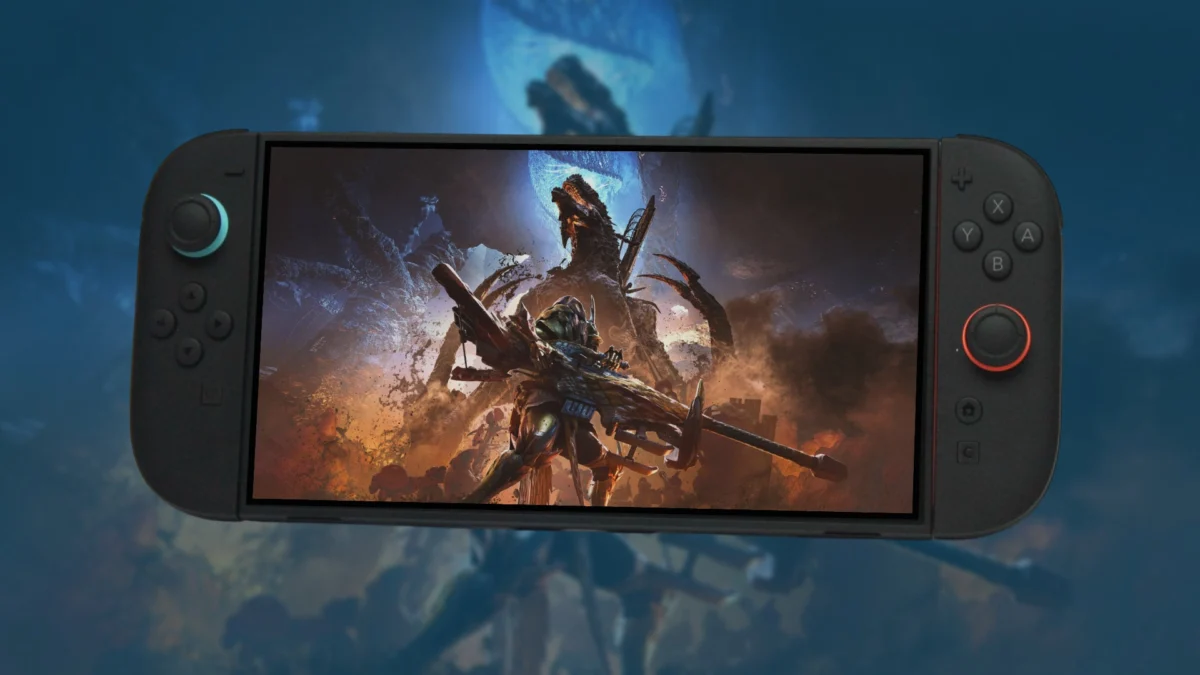
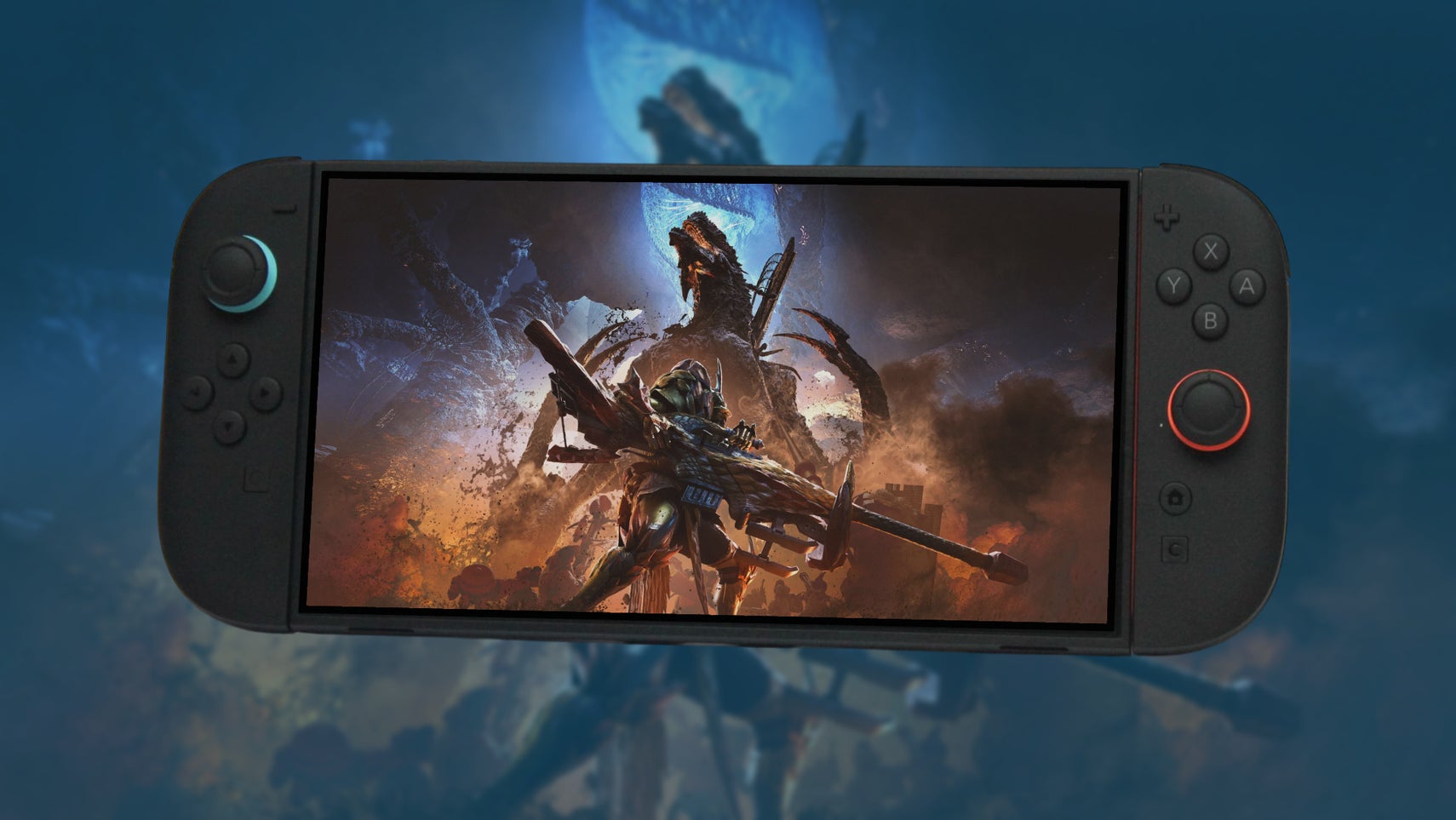
The arrival of Monster Hunter Wilds on the Nintendo Switch 2, scheduled for December 5, represents a significant milestone in the technical evolution of portable gaming. As Capcom prepares to bring its latest flagship title to Nintendo’s upcoming hardware, the developer has provided unprecedented insight into the engineering challenges required to maintain parity with high-end console and PC versions. The port, which arrives with a full suite of free DLC updates, including additional monster encounters and local co-op functionality, serves as a litmus test for the capabilities of the next-generation handheld ecosystem.
A Chronology of Technical Ambition
The journey toward a Switch 2 release for Monster Hunter Wilds began well before the hardware’s public unveiling. Capcom has historically prioritized the Monster Hunter franchise as a cornerstone of its business model, particularly within the Japanese market where handheld gaming remains the dominant consumer preference. Following the success of Monster Hunter Rise—a title built specifically for the original Nintendo Switch—the developer faced the daunting task of scaling the significantly more demanding RE Engine-powered Wilds to meet the technical specifications of the successor console.
Throughout 2025 and 2026, industry reports suggested that Capcom had established a dedicated "special projects" team tasked with cross-platform optimization. This team, which previously oversaw the high-performance ports of titles like Resident Evil Village (referred to as Requiem in certain territories) and Pragmata, functioned as an elite unit focused on extracting maximum performance from the Switch 2’s proprietary chipset. The release on December 5 marks the culmination of this two-year development cycle, positioning the game as a flagship launch-window title for the platform.

Engineering Hurdles and Optimization Strategies
In a recent interview, Producer Genki Sunano emphasized that the philosophy guiding this project was fundamentally different from previous "down-scaling" approaches. Historically, developers have often prioritized frame rate stability by drastically reducing texture quality, geometry density, or draw distances when porting from high-end consoles. For Monster Hunter Wilds, the mandate was to preserve the core "Wilds experience," ensuring that the game’s complex ecosystem, dynamic weather systems, and massive monster AI remained intact.
"The Nintendo Switch 2 version was developed around the concept of delivering a natural Monster Hunter Wilds experience," Sunano stated. This required a "painstaking and at times seemingly endless process of making decisions and optimizations one by one." The engineering team had to reconcile the high-fidelity demands of the RE Engine with the thermal and power constraints of a handheld device.

Data from internal testing indicates that the game maintains a stable 30 frames per second (FPS) in handheld mode, even during high-intensity multiplayer hunts where multiple players and large-scale monsters occupy the same play space. This performance stability is achieved through a combination of proprietary dynamic resolution scaling and intelligent culling, which manages the density of environmental assets without compromising the integrity of the gameplay loop.
Supporting Data and Performance Benchmarks
To understand the gravity of this technical achievement, one must consider the hardware delta between the PlayStation 5, Xbox Series X, and the Nintendo Switch 2. Monster Hunter Wilds utilizes advanced global illumination and fluid simulation techniques that are typically reserved for systems with significantly higher VRAM and processing throughput.

By leveraging the hardware-accelerated features of the Switch 2, such as advanced upscaling technology, Capcom has managed to bridge the gap between "desktop-class" visuals and portable hardware. Early performance metrics suggest that while the visual fidelity does not match the 4K output of a high-end PC, the "feel" of the game—specifically input latency and animation fluidity—remains remarkably consistent with the core experience. This is critical for the Monster Hunter franchise, where frame-perfect dodging and weapon combos are essential to player success.
Broader Implications for the Industry
The success of this port has implications that extend far beyond a single title. By proving that a modern, resource-heavy game can be optimized for a hybrid handheld device without "compromising the experience," Capcom is setting a new benchmark for third-party publishers.

This project also serves as a strategic foundation for Capcom’s long-term roadmap. The expertise gained by the engineering team during this porting process is being integrated into the development pipeline for the upcoming 2027 expansion, Monster Hunter Wilds: Ascendance. According to company spokespeople, the optimizations developed for the Switch 2 are being back-ported into the base engine, which will lead to performance improvements for the PC, PlayStation, and Xbox versions of the game. This creates a virtuous cycle of optimization where handheld constraints drive broader, cross-platform technical innovation.
Looking Toward the Future: The Ascendance Expansion
As the gaming community looks toward 2027, the focus is shifting from the base game to the Ascendance expansion. Capcom’s stated goal is for the Wilds series to surpass the popularity and longevity of Monster Hunter World, which remains the best-selling title in the company’s history.
-24-44-screenshot.png)
The strategy appears to be twofold: first, by establishing a massive install base through multiple platforms—including the Switch 2—and second, by ensuring that the game remains a "living" service through iterative content updates. The Ascendance expansion is expected to introduce new biomes, a significant expansion of the monster roster, and further refinements to the core combat systems.
For the average consumer, the release of Monster Hunter Wilds on the Switch 2 represents a significant shift in expectations. No longer is a portable version of a major AAA game considered an "inferior" alternative; instead, it is being marketed as a legitimate, high-performance way to engage with the franchise.

Conclusion: A New Standard for Porting
As December 5 approaches, the industry remains focused on whether the final retail build will meet the high expectations set by Capcom’s recent disclosures. The effort invested in this project highlights a shift in corporate priorities at Capcom, where technical excellence is viewed not just as a secondary concern, but as a core pillar of the brand identity.
Whether players choose to experience the vast, dangerous landscapes of the Forbidden Lands on the high-fidelity canvas of a stationary console or through the mobile convenience of the Switch 2, the core mechanics remain unchanged. This consistency is, perhaps, the greatest achievement of the development team. By refusing to compromise on the fundamental gameplay loop, Capcom has ensured that the "Wilds" experience is truly universal, cementing the franchise’s status as a leader in both content quality and technical ambition. As the development team moves forward into the 2027 expansion cycle, the lessons learned from this "painstaking" process will likely dictate the technical trajectory of the series for years to come.