


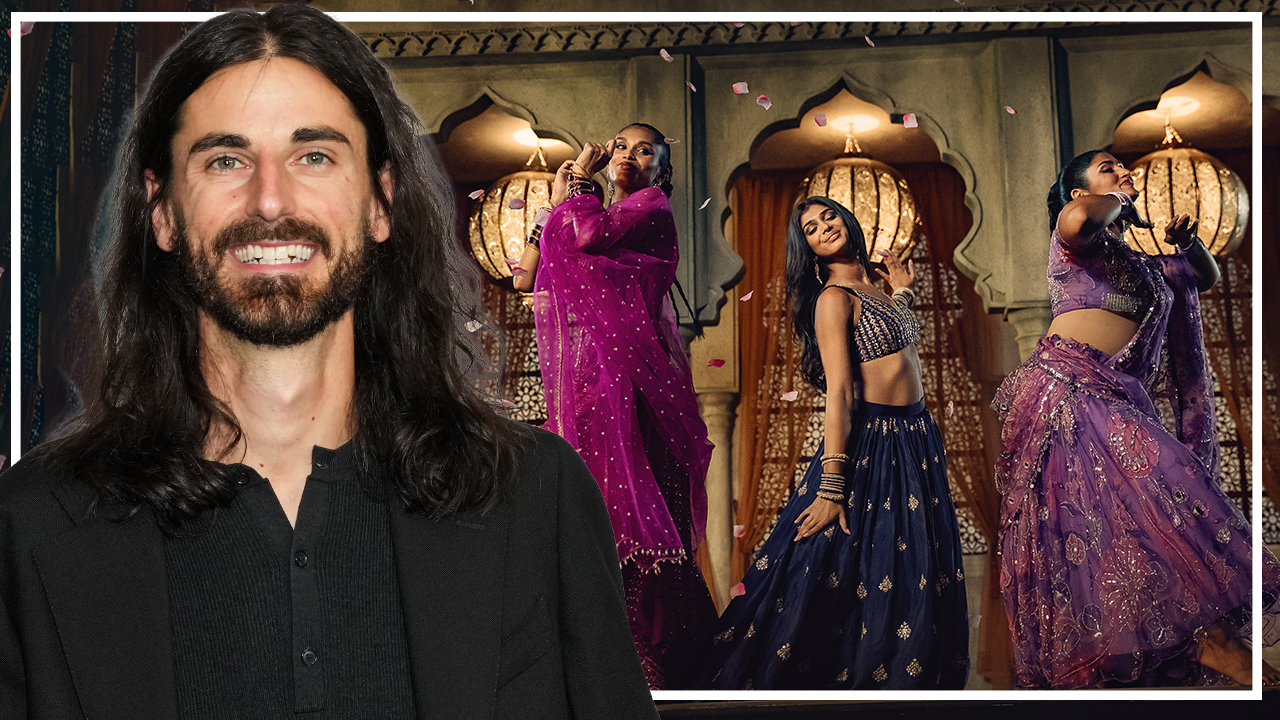
The production of Netflix’s new dance-driven feature, Best of the Best, represents a significant technical undertaking in contemporary filmmaking, blending the precision of high-octane action sequences with the fluid grace of professional choreography. For cinematographer Adam Carboni and filmmaker Leena Khan, the project was defined by an aggressive production schedule that required the team to capture complex, narrative-heavy dance numbers within a timeframe that challenged traditional industry standards for musical and performance-based films.
A Departure from Conventional Musical Filming
In standard theatrical or television production, dance numbers are often afforded extensive lead times. Industry norms, as noted by production specialists, typically allow for one week of dedicated filming per major sequence, inclusive of "load-in" time, rehearsal, and lighting design. In contrast, the team behind Best of the Best was tasked with completing approximately nine to ten distinct, high-energy sequences within a compressed two-and-a-half-week window.
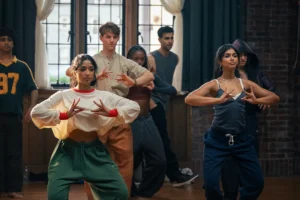
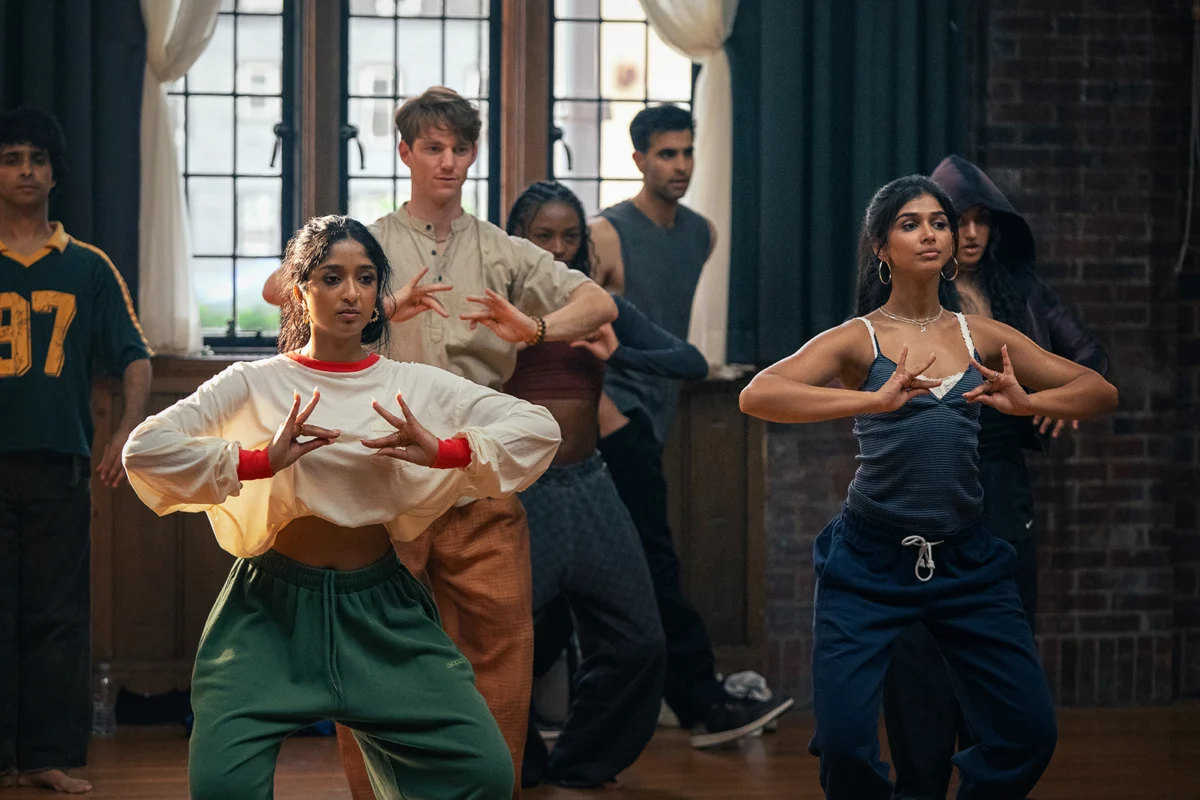
Carboni describes this approach not as the filming of traditional dance, but as the execution of sophisticated action sequences. This distinction is critical to understanding the film’s visual language. By utilizing body doubles for high-risk stunts and employing camera movements designed to "infiltrate" the dance formations, the production team prioritized immersion over the static, proscenium-style shots often seen in stage-to-screen adaptations. This methodology required constant, real-time coordination between the camera operators, lighting designers, and choreographers to ensure that the visual storytelling remained coherent despite the rapid pace of the shoot.
The Chronology of Production and Prep
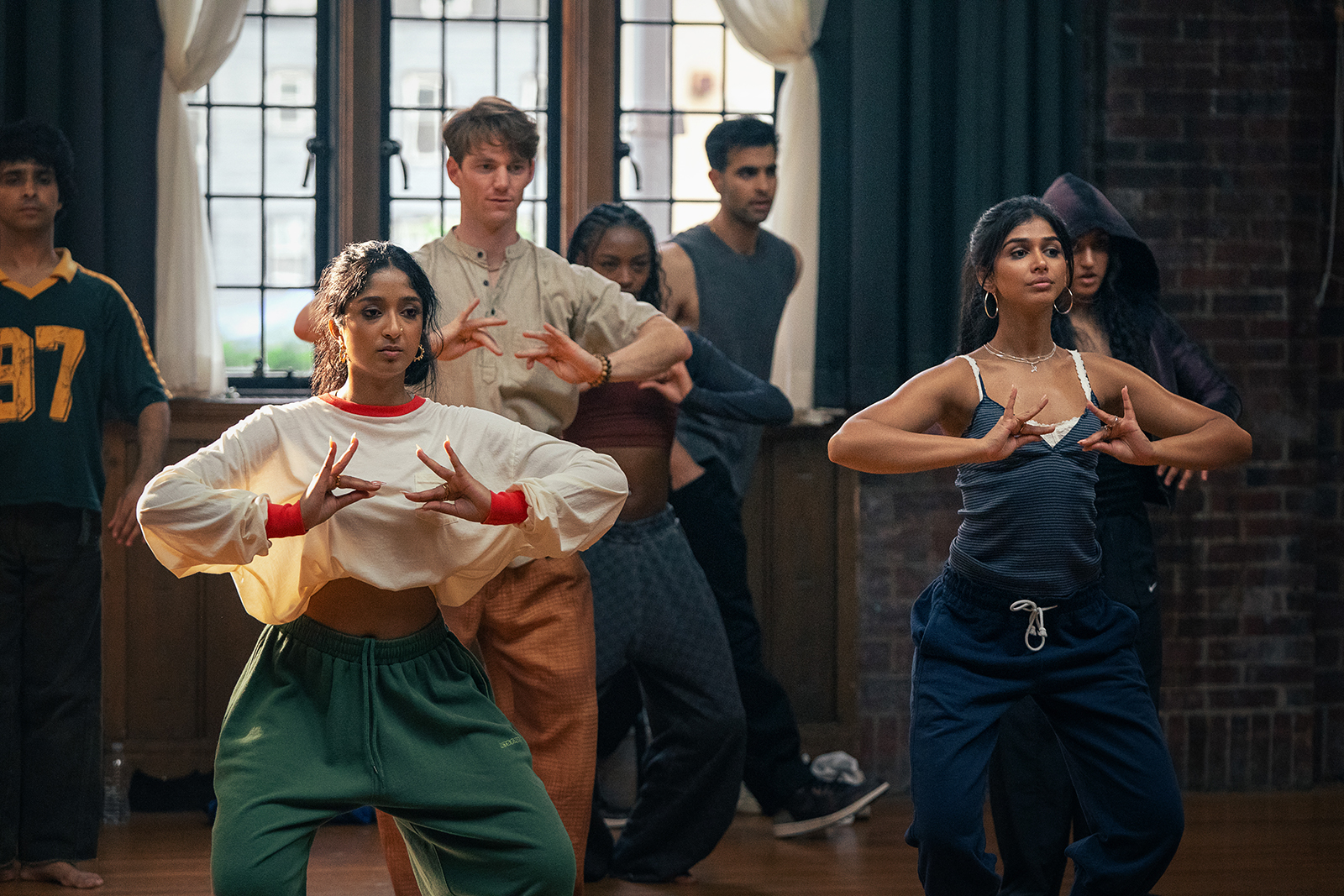
The success of the film’s visual identity was rooted in a rigorous three-week pre-production phase, of which one full week was dedicated exclusively to analyzing the mechanics of the choreography. During this period, choreographers Phillip and MaKenzie worked in close tandem with the camera team.
The rehearsal process was digitized and analyzed through the lens of a DJI Osmo, allowing the production team to map out "hero angles"—the most impactful vantage points for specific dance beats—well before stepping onto the set. This pre-visualization allowed the team to overcome the physical limitations of the theater spaces. By the time filming commenced, the team had effectively moved beyond the planning phase and into a state of "discovery," where the goal was to capture the spontaneity of the performers while maintaining strict technical parameters.
Technical Challenges and Improvisation
The decision to place a Steadicam operator directly into the center of the dance formations created a series of cascading technical challenges. Every time the camera occupied space typically reserved for a dancer, the formation had to be altered. This required a constant, iterative dialogue between the cinematography team and the dancers.
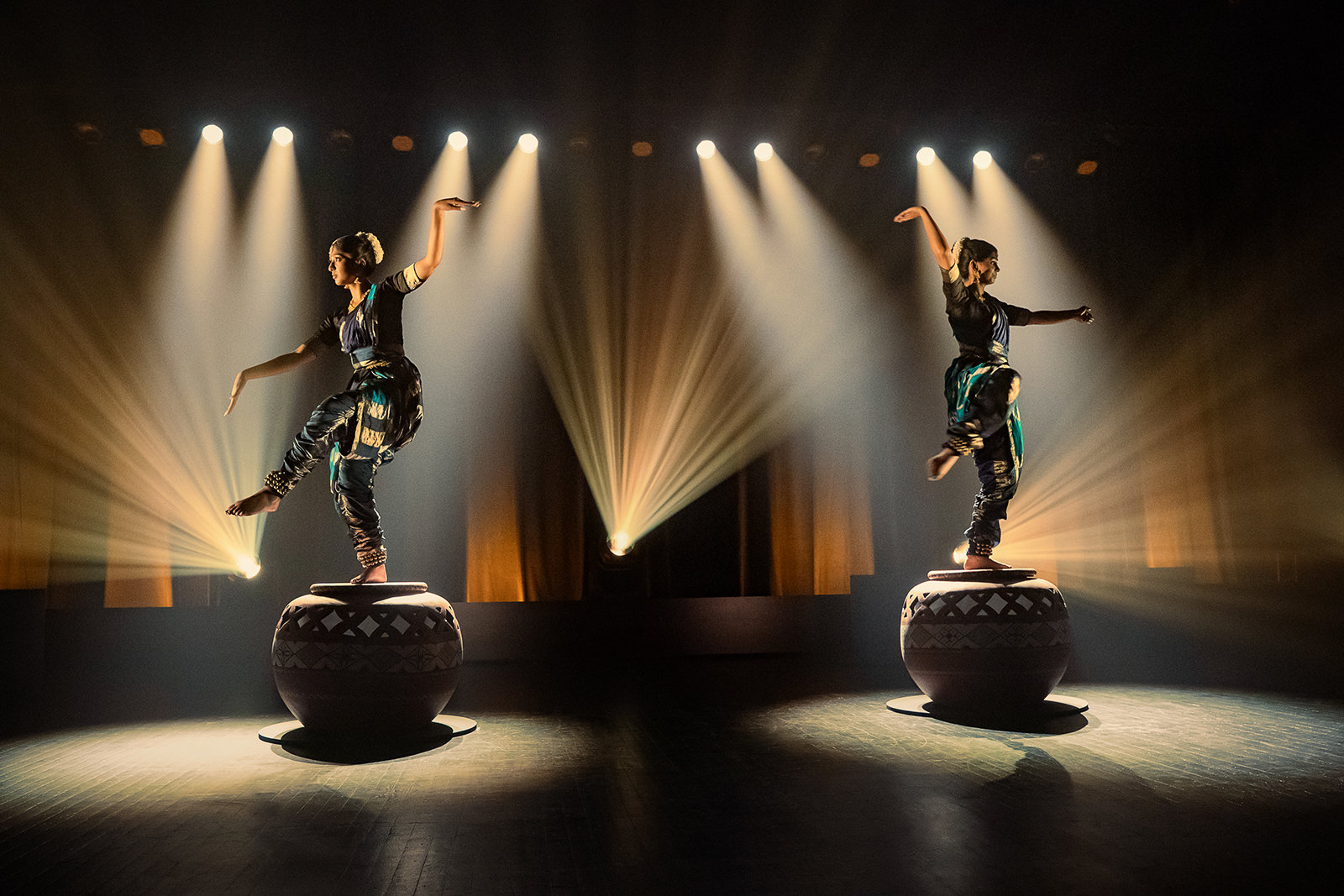
Lighting design also posed a major hurdle. Working with theatrical lighting designer Mike Baldassari and gaffer Jason Velez, Carboni had to ensure that the lighting could adapt to the shifting, roaming nature of the camera. Because the team often operated on a truncated schedule, the lighting cues were frequently adjusted on the fly via intercoms linked to dimmer board operators. This level of synchronization was essential to maintain the film’s aesthetic consistency, as any shift in the camera’s angle necessitated an immediate, corresponding shift in the lighting plot to avoid shadows or exposure issues.
Prioritizing Human Performance and Safety
A central theme throughout the production was the physical toll taken on the dancers. The cast, which features professional dancers capable of performing complex acrobatics and high-impact maneuvers, faced exhaustion as the filming days progressed.
Carboni emphasized that the production had to move away from the "Energizer Bunny" expectation of perpetual performance. Instead, the team adopted an economical approach to coverage. If a dancer, such as the performer Nathan, reached a point of physical fatigue where only one more "hero" flip was possible, the cinematography team had to immediately re-evaluate their shot list. In such instances, they would abandon secondary shots in favor of a single, high-impact wide-angle take. This focus on safety and physical capacity reflects a broader shift in the industry toward better treatment of performers, where the creative ambition of the project is balanced against the tangible physiological limits of the cast.
Narrative Integration and Structural Economy
Beyond the technical feats, the film’s dance sequences were designed to serve the narrative arc. Carboni and the creative team utilized a "whiteboard strategy" during pre-production, where every emotional beat of the script was mapped against the dance choreography.
By working with screenwriter Prashanth, the team was able to distinguish between essential narrative moments and those that could be truncated. This helped prevent "shot fatigue," where the film might have otherwise devolved into a series of disconnected dance clips. By deciding which reactions were vital to the story—such as the interplay between the characters Maya and Anjali—the production ensured that every movement on screen served a dramatic purpose. This discipline allowed the crew to be selective, filming only what was necessary to advance the plot, which in turn saved valuable time and energy during the taxing production days.
Broader Implications for the Genre
The production of Best of the Best serves as a case study in modern, budget-conscious, and schedule-constrained filmmaking. By treating dance as a narrative-driven action sequence rather than a secondary musical element, the team has pushed the boundaries of how choreography can be captured on screen.
The logistical success of this film—achieving a high volume of complex sequences in less than three weeks—highlights the importance of deep, early-stage collaboration between the camera department and the choreography team. The reliance on pre-recorded rehearsals and the willingness to adjust on the fly suggests a future for the genre that prioritizes technical agility.
Ultimately, the impact of this film lies in its ability to synthesize the high-production values of Broadway-style choreography with the intimate, immersive techniques of cinema. As streaming platforms continue to demand high-quality, genre-bending content, the techniques employed by Carboni, Khan, and their team—specifically their reliance on iterative, "in-the-moment" problem solving—may set a new standard for how musical and dance-heavy features are approached in a high-speed production environment. The film stands as a testament to the fact that with enough preparation and a singular, unified vision, the constraints of time and budget can be transformed into the very elements that define a film’s unique, visceral aesthetic.