

The Walt Disney Company has initiated a new round of workforce reductions, impacting approximately 300 employees across its sprawling corporate infrastructure. This latest maneuver, confirmed by individuals familiar with the company’s internal operations, represents a continuation of a broader cost-optimization strategy under the leadership of CEO Josh D’Amaro. The cuts, which primarily target roles within the human resources and technology sectors, underscore the ongoing volatility within the media conglomerate as it attempts to recalibrate its operational model for the digital age.
These layoffs follow a series of strategic retrenchments that have defined the early tenure of D’Amaro, who ascended to the role of chief executive in March 2026. Since his appointment, the company has prioritized aggressive expense management, seeking to streamline administrative burdens and eliminate redundancies that accumulated during years of rapid expansion and the complex integration of various legacy media assets.
A Chronology of Corporate Restructuring in 2026
The current workforce contraction is not an isolated event but rather the latest phase in a deliberate, multi-stage restructuring process. The following timeline outlines the progression of Disney’s efforts to align its operational capacity with its long-term financial objectives:
- March 2026: Josh D’Amaro officially assumes the role of CEO, succeeding Bob Iger. D’Amaro immediately signals a shift in corporate philosophy, introducing the "One Disney" initiative, which emphasizes the integration of disparate business units into a singular, cohesive flywheel.
- April 2026: The company announces plans to eliminate up to 1,000 positions. This initial wave was largely characterized by the consolidation of the enterprise marketing division, reflecting a desire to reduce fragmented spending across internal departments.
- July 2026: Further personnel reductions occur, impacting several hundred employees. These cuts were notably widespread, touching high-profile entities such as Pixar, ESPN, Disney Entertainment Television, and various studio functions. The impact was particularly pronounced at Pixar and National Geographic, signaling that no division was immune to the mandate for fiscal discipline.
- August 2026: In its third-quarter earnings report, Disney explicitly confirms its commitment to cost reduction. The company publicly acknowledged that it was evaluating "a variety of levers," including labor force reductions and the optimization of Selling, General, and Administrative (SG&A) expenses.
- Late August/Early September 2026: The company initiates a voluntary early-retirement program aimed at longtime executives, providing an alternative to involuntary separations while further thinning the upper tiers of corporate management.
- September 2026: The most recent round of 300 job cuts is confirmed, focusing heavily on HR and technology, as the company seeks to centralize administrative services.
Strategic Rationale: The One Disney Vision
At the core of these actions is D’Amaro’s "One Disney" strategy. The philosophy posits that the company has historically functioned as a collection of siloed businesses—film, theme parks, streaming, consumer products, and sports—that often failed to leverage their collective intellectual property efficiently.
By integrating these divisions, D’Amaro aims to create a more fluid ecosystem where data and resources can be shared more seamlessly. In practice, this has meant that the technology stacks that support streaming must now talk to the systems that manage consumer loyalty programs, and that marketing efforts for theatrical releases must be synchronized with those for theme park attractions.
While the strategy is designed to maximize the lifetime value of Disney’s intellectual property, the transition requires a smaller, more centralized corporate backbone. The reduction in HR and technology roles suggests that Disney is moving toward a shared-services model, where administrative and technical support is provided centrally rather than being duplicated across individual business units.
Financial Pressures and Industry Inflection
Disney’s aggressive pursuit of efficiency is indicative of a broader industry trend. Legacy media conglomerates are currently navigating an inflection point as the profitability of traditional linear television continues to decline while the costs of sustaining high-quality streaming services remain high.
Investors have increasingly signaled that they expect Disney to prioritize profitability over top-line growth at any cost. In the company’s Q3 2026 earnings report, management emphasized that these labor reductions are intended to create "incremental capacity to invest for growth." This implies that the capital saved from reduced headcount is being redirected toward high-growth areas, such as the continued expansion of the Disney+ streaming platform, international theme park development, and advancements in proprietary gaming technology.
Furthermore, the company is operating in a macroeconomic environment characterized by elevated interest rates and shifting consumer spending habits. By trimming its SG&A expenses, Disney is effectively strengthening its balance sheet, providing the company with a greater margin of safety to absorb potential volatility in the global box office or a cooling of consumer demand in the travel and leisure sectors.
Internal Sentiment and Organizational Impact
The cumulative effect of these layoffs has understandably created a climate of uncertainty within the organization. While the company has framed these moves as necessary for long-term viability, employees have expressed concerns regarding the loss of institutional knowledge, particularly in creative hubs like Pixar and the studios.
The use of voluntary retirement packages for senior executives is a tactical choice intended to mitigate some of the friction associated with workforce reductions. By offering early exits to those with long tenures, the company can achieve its cost-cutting targets while potentially fostering a younger, more agile leadership team that is more closely aligned with D’Amaro’s digital-first vision.
However, the continued reliance on periodic layoffs—rather than a single, massive reduction—suggests that the company is taking an iterative approach. This "mid-stream" strategy allows management to observe the operational impact of each wave of cuts before determining if further measures are required. While this provides the leadership with flexibility, it also forces the organization into a state of perpetual assessment, which can impact morale and employee retention.
Future Outlook and Market Implications
Looking ahead, the market will be closely monitoring the results of these restructuring efforts. Analysts suggest that the primary metric for success will be the improvement in operating margins and the ability of the company to demonstrate a cohesive brand narrative across its platforms.
Disney has indicated that it will provide further updates on its progress in upcoming earnings disclosures. For stakeholders, the primary question remains whether the cost-cutting measures will stifle the creativity that has historically driven Disney’s success. The company’s ability to "invest for growth" while simultaneously shedding staff will be the ultimate test of the "One Disney" thesis.
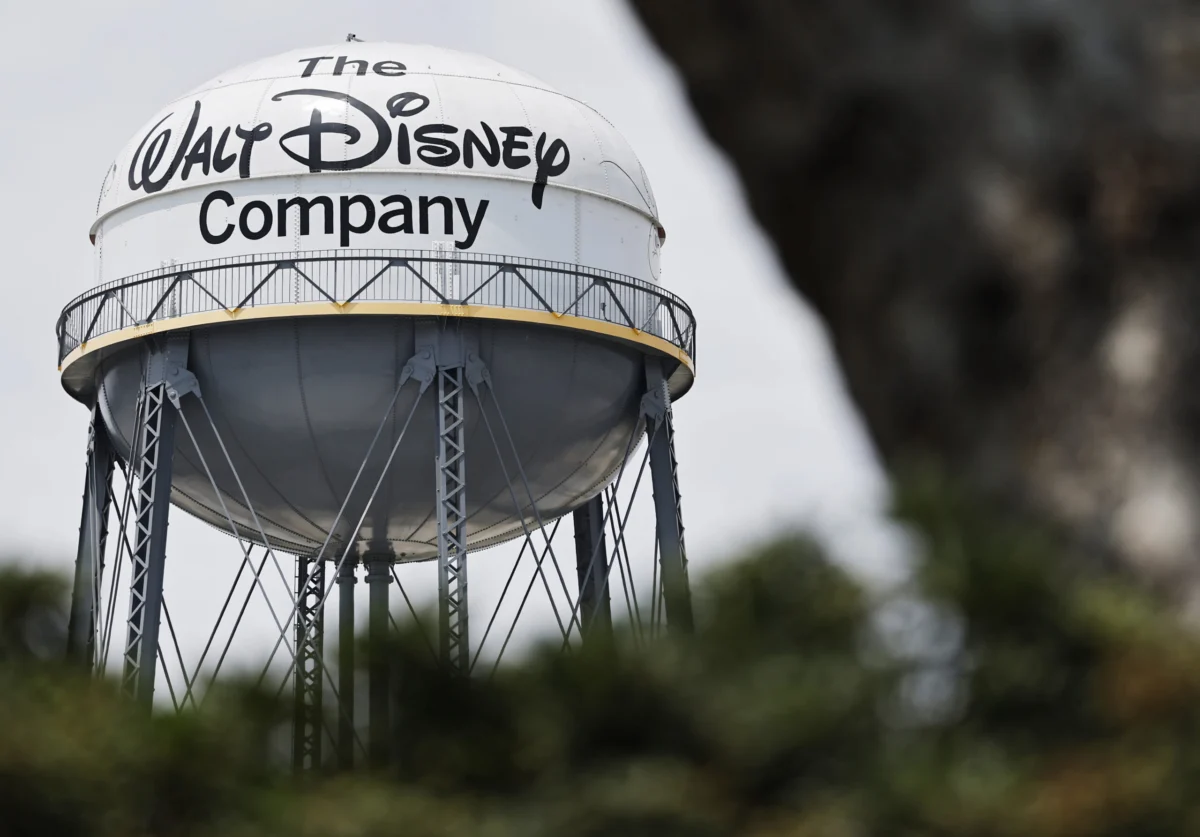
As of early June 2025, the iconic water tower at the Walt Disney Studios in Burbank stands as a symbol of the company’s endurance. Yet, the current environment necessitates that this symbol represent not just a legacy of animation and entertainment, but a modernized, highly efficient corporate entity capable of surviving the most significant disruption in the history of the media landscape.
The upcoming fiscal quarters will be pivotal. With the bulk of the structural realignment likely nearing completion, the focus will shift from consolidation to execution. If D’Amaro can successfully bridge the gap between traditional media dominance and a sustainable digital future, the current period of austerity may be viewed as the necessary catalyst for the next generation of Disney’s global expansion. However, the path forward remains complex, requiring a delicate balance between fiscal responsibility and the maintenance of the creative spark that defines the brand.