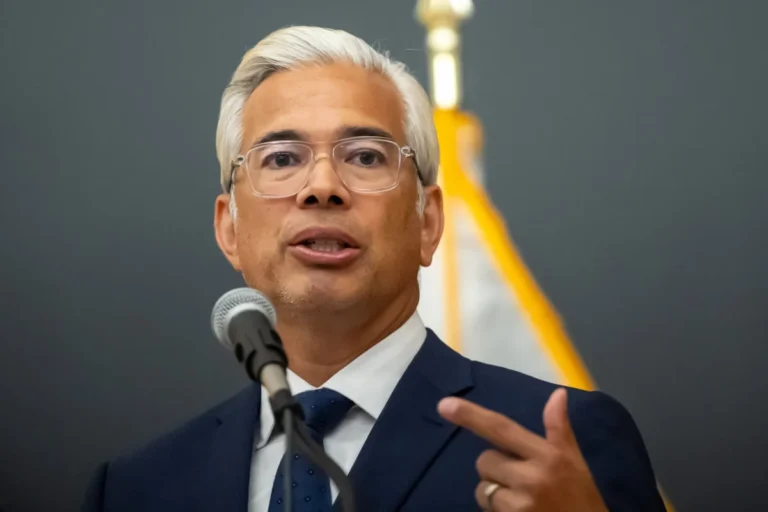
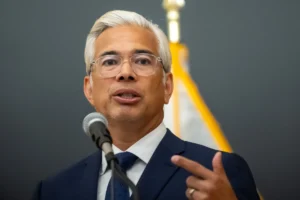


The media landscape is set for its most significant transformation in a generation as Paramount and Warner Bros. Discovery (WBD) prepare to finalize their $110 billion mega-merger. The deal, which creates a massive content powerhouse spanning broadcast television, cable networks, and premium streaming services, cleared its final major legal hurdle on Monday. Paramount successfully negotiated a settlement with a coalition of state attorneys general, led by California’s Rob Bonta, effectively ending an antitrust lawsuit that threatened to mire the transaction in litigation through mid-2027.
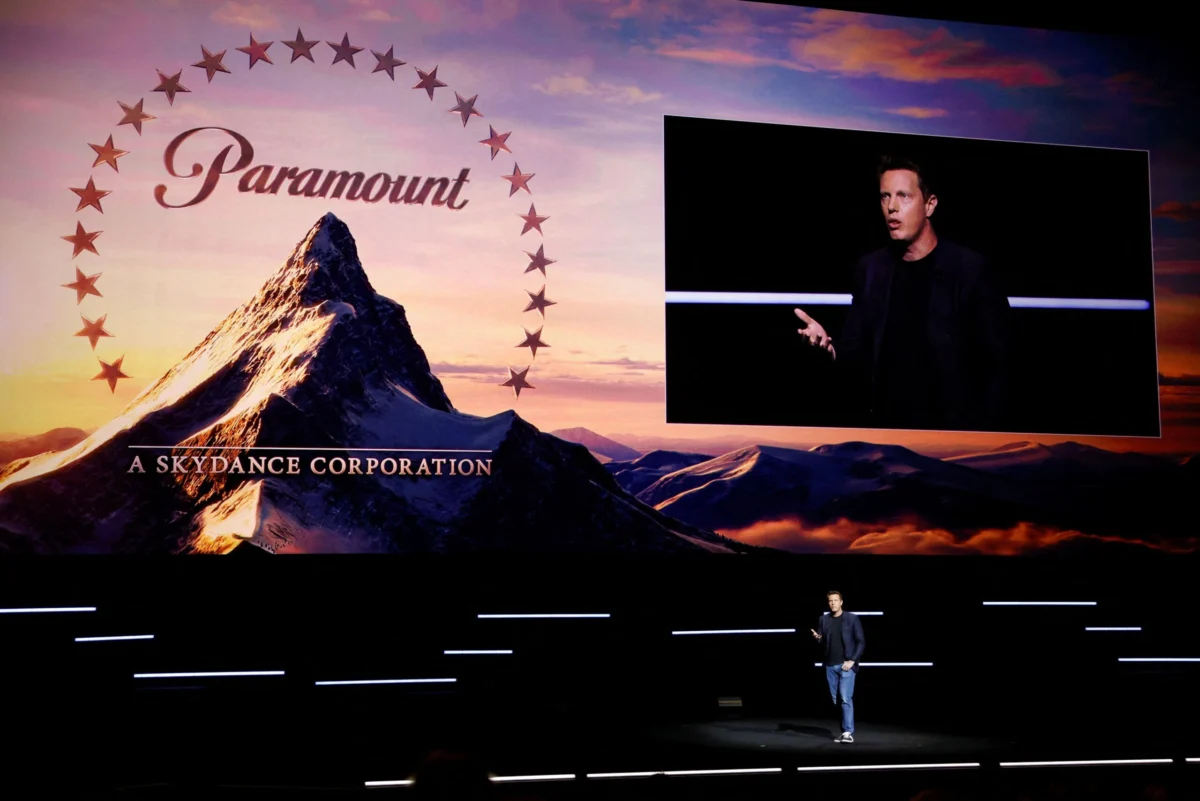
The resolution signals an end to a period of intense uncertainty for stakeholders, employees, and the creative community. With the legal challenges dismissed, Paramount CEO David Ellison confirmed that the company is aiming to close the transaction within approximately two weeks. The merger integrates storied film studios, the CBS broadcast network, and the competing streaming platforms Paramount+ and HBO Max, creating a singular entity with a footprint that rivals the largest technology and entertainment conglomerates in the world.
A Timeline of the Transaction
The path to this consolidation has been long and fraught with regulatory friction. The merger was first announced in early 2026, positioning itself as a strategic response to the dominance of streaming-native competitors like Netflix. Throughout the spring and summer of 2026, the deal underwent rigorous scrutiny by international regulators, including the European Commission, which granted approval earlier this year.
However, domestic opposition intensified in July 2026, when a group of 12 state attorneys general, spearheaded by California, filed a lawsuit to block the deal. The states argued that the combination of two major studios and their respective cable and streaming portfolios would stifle competition, reduce content diversity, and harm the labor market in Los Angeles. By late July 2026, the pressure of this litigation forced Paramount to agree to a voluntary delay of the merger until June 2027. This delay carried significant financial weight, triggering a "ticking fee" provision that added roughly $650 million in cash value per quarter to the deal for WBD shareholders—a cost that Paramount was eager to mitigate by settling.
The Terms of the Settlement
While the settlement allows the merger to proceed, Attorney General Rob Bonta was careful to clarify that the agreement does not constitute an endorsement of the consolidation. "It’s not a blessing of the broader merger," Bonta stated during a Monday press conference. "Broadly speaking, we believe further consolidation in markets that are central to American economic life doesn’t serve the American economy, consumers, or competition well."
To assuage fears regarding market monopolization and the potential for reduced creative output, Paramount agreed to a series of binding commitments:
- Increased Domestic Production: Paramount has pledged to increase its U.S.-based production spending by at least $300 million annually. Additionally, if a federal film tax credit is enacted, the studio must ensure that 20% of its film slate is produced domestically in the first two years, scaling to 30% in the three years following.
- Theatrical Commitments: The company is mandated to release 30 films theatrically in the first two years, increasing to 32 in the following three years. To ensure these aren’t merely low-budget efforts, at least 20% of annual releases must be "tentpole" features with budgets exceeding $50 million.
- Independent Cinema Support: Paramount must establish a fund specifically dedicated to the acquisition of independent films, with four of its annual theatrical releases required to be independent productions.
- Enforcement Mechanisms: To ensure compliance, the settlement includes a $30 million penalty per film for any shortfall in the release quota. If the company fails to meet these goals, it may be forced to divest assets, including the Miramax production studio.
Creative Community and Labor Relations
The Writers Guild of America (WGA) had been one of the most vocal opponents of the deal, arguing that the merger would lead to job losses and diminished bargaining power for writers. On Monday, the WGA reached its own settlement with Paramount. The agreement includes a five-year prohibition on writer layoffs at CBS News and a $17.5 million contribution to the guild’s health fund, in addition to the coverage of the guild’s legal fees.
Despite the settlement, the WGA remained critical of the broader industry trend. In a statement, the guild noted, "We continue to believe the merger will cause damage to writers and the industry at large," but acknowledged that as a nonprofit, it lacked the financial runway to continue a protracted legal battle against a corporate entity of this scale without government backing.
Corporate Governance and Editorial Independence
One of the most contentious aspects of the deal was the consolidation of two major news outlets, CBS News and CNN, under a single corporate umbrella. Critics expressed deep concern over the potential for editorial bias and the narrowing of the information landscape.
To address these concerns, the settlement requires the establishment of an independent board for both news organizations. Furthermore, the companies are prohibited from bundling these news outlets in a way that forces cable providers to carry them as a single unit, ensuring that cable packages must be negotiated separately. A court-appointed trustee will monitor compliance, granting the attorneys general the authority to reopen litigation should these conditions be violated.
Broader Economic and Industrial Implications
The consolidation of Paramount and WBD is taking place against a backdrop of fundamental disruption in the media sector. The rise of streaming has forced traditional studios to pivot away from the high-margin, predictable revenues of the linear cable era. As a result, many studios have reduced their output, consolidated production lots, and shifted filming to jurisdictions with more favorable tax incentives.
Industry analyst Gerry Cardinale, founder of RedBird Capital Partners—which helped finance the acquisition—argued that the merger is a necessary survival strategy. "I think this type of consolidation and business planning is needed for Hollywood and for the content creation industries in a world where technology is disrupting everything," Cardinale told CNBC.
However, the skepticism remains high among exhibitors. The promise to release 30 films annually is ambitious; historical data suggests that since the 2019 Disney-Fox merger, combined entities have often struggled to maintain pre-merger volume. For instance, in the decade preceding the Fox acquisition, the studio released between 13 and 23 films annually; post-merger, the output dropped significantly. Paramount has attempted to mitigate this skepticism by offering three-year contracts to cinema operators, allowing theater chains to sue for monetary damages if the studio fails to deliver the promised volume of wide-release films.
Looking Ahead
The stock market reacted with caution to the announcement, with shares of the combined company falling 3% following the press conference. Investors appear to be weighing the long-term benefits of the synergy against the immediate costs of the settlement and the operational risks of managing such a diverse portfolio of assets.
As Paramount and WBD move toward their mid-October closing date, the industry will be watching closely to see if the commitments made to the states and the creative guilds can be fulfilled without sacrificing the profitability of the new entity. The deal represents more than just a change in ownership; it is a test case for how regulators and corporations can negotiate the future of American entertainment in an era of rapid technological change. For the thousands of workers in Hollywood, the next five years will determine whether this massive consolidation leads to the promised stability or a further erosion of the creative ecosystem that has defined the global film industry for over a century.