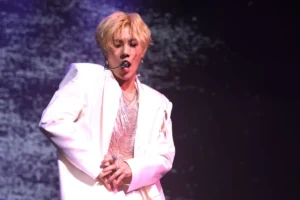


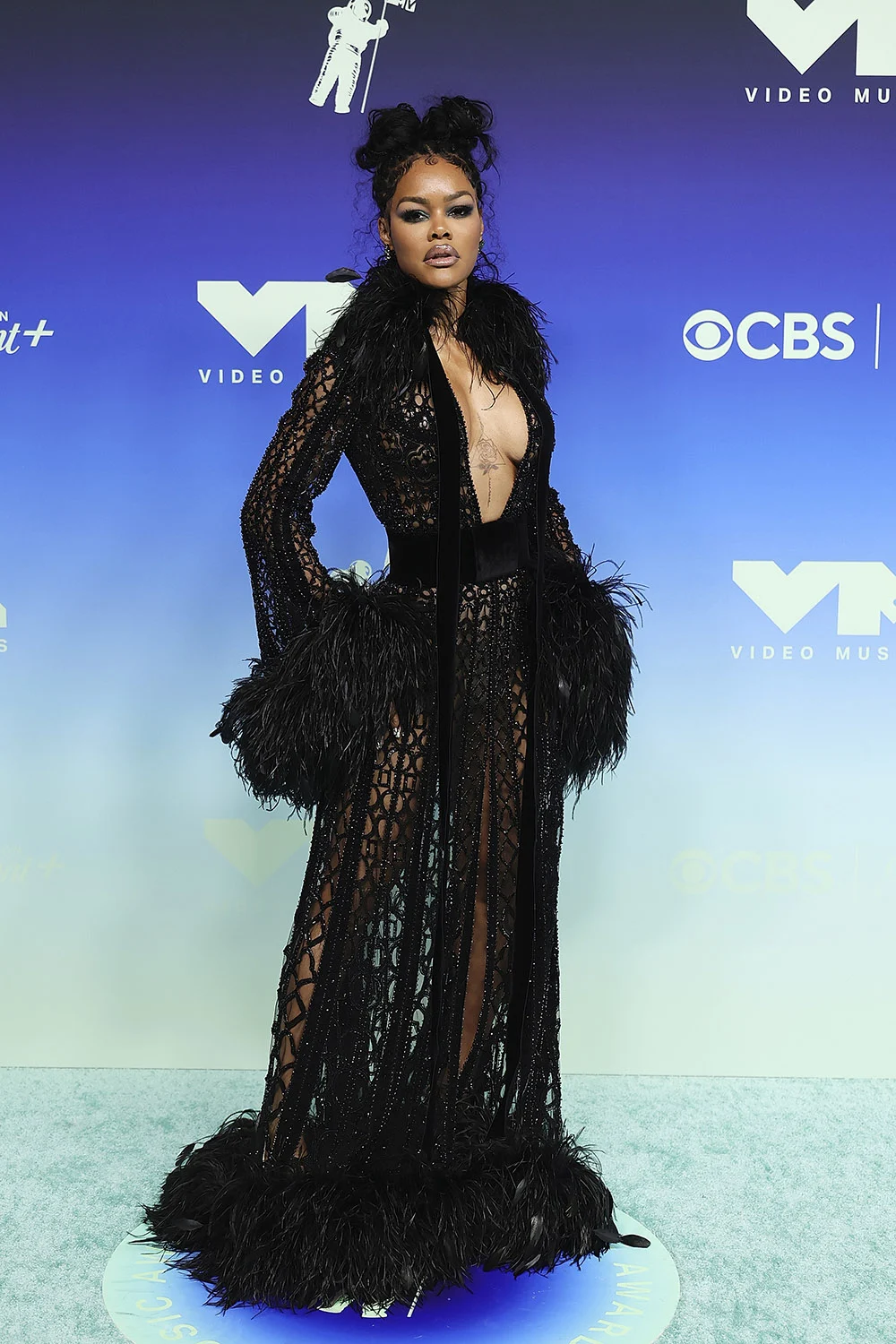
The 2026 MTV Video Music Awards are poised to redefine the intersection of cinematic artistry and musical performance this Sunday at the Peacock Theater in downtown Los Angeles. As the network prepares for its 43rd annual celebration of the medium that revolutionized the music industry, organizers have assembled a lineup of talent and accolades designed to leverage the momentum of a resurgent television landscape. With a star-studded roster ranging from pop legends to industry disruptors, the event aims to capitalize on the 42-percent ratings increase observed during the 2025 ceremony, which benefited from a strategic simulcast strategy across CBS, MTV, and the Paramount+ streaming platform.

A Landmark Return for Global Icons
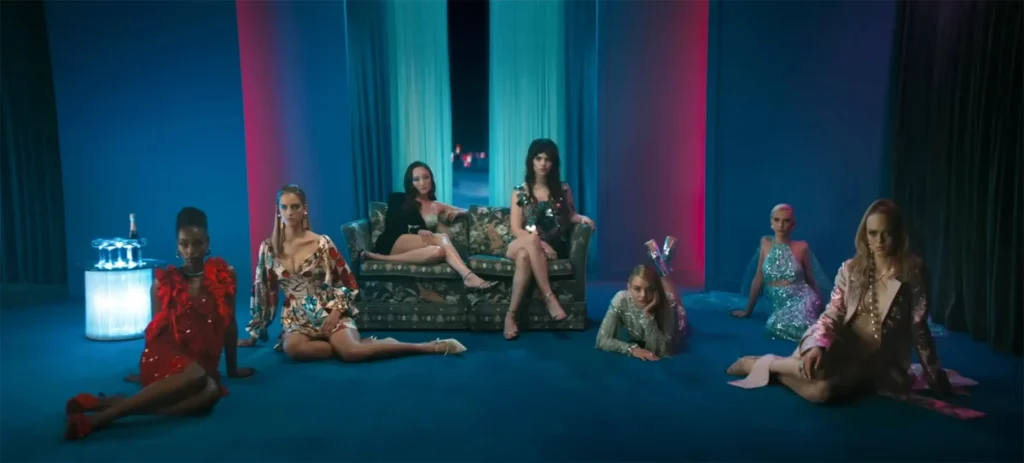
The centerpiece of the evening is the highly anticipated return of Madonna to the VMA stage. It marks her first performance at the ceremony since 2003, a year etched into pop culture history for her provocative collaboration with Britney Spears and Christina Aguilera. This year, the stakes are elevated by her critical success with the 14-minute experimental project, "Confessions — The Film." The sheer scope of this visual work has secured her 11 nominations, including the prestigious categories of Video of the Year and Artist of the Year.

Supporting the weight of the evening are a series of high-profile tributes. Kacey Musgraves is set to honor the legacy of Dolly Parton, while a cross-generational ensemble featuring Raye, Sombr, and Teddy Swims will perform a tribute to the late George Michael. These segments highlight the network’s strategy of bridging the gap between legacy acts and contemporary chart-toppers, ensuring that the broadcast appeals to a broad demographic spanning four decades of music history.

The Rise of the Auteur: Taylor Swift and the Artist Director Honors
Perhaps the most significant development in the 2026 awards cycle is the creation of the inaugural Artist Director Honors, a trophy that will be presented to Taylor Swift. This award serves as a formal acknowledgment of the shift in the music industry toward artist-led visual storytelling. In an official statement, representatives from MTV and CBS noted that the honor recognizes Swift’s specific aptitude for "creating interconnected narratives, cinematic worlds and recurring details that invite audiences deeper into each project."

This recognition follows the debut of her self-directed video, "Patient Zero," which has been lauded for its intricate production design. Swift enters the evening with nine nominations, trailing only Madonna in total count. Her presence at the 2026 ceremony, alongside established superstars such as Lady Gaga, Bruno Mars, Sabrina Carpenter, and Ariana Grande, positions the show as a hub for the industry’s most influential creative forces. Grande and Carpenter, both boasting seven nominations, represent the current dominance of pop-centric visual storytelling, competing in categories such as Best Pop Video and Best Direction.

Chronology and the Evolution of the VMA Trophy
The MTV Video Music Awards have evolved significantly since the inaugural ceremony held in 1984 at New York City’s Radio City Music Hall. Over the past 43 years, the "Moon Person" trophy has become one of the most recognized symbols of artistic achievement in the music industry. The 2026 iteration of the event arrives at a moment of transition for the network, as it balances the traditional broadcast model with the demands of digital-first consumption.

A notable highlight in the lead-up to this year’s show was the September 9 announcement regarding the Michael Jackson Video Vanguard Award. The honor is set to be bestowed upon the band Nirvana, a decision that carries historical resonance. The announcement fell on the 34th anniversary of the group’s landmark 1992 VMA performance, an event that remains a cornerstone of alternative rock history. This selection underscores the network’s ongoing effort to celebrate the cultural impact of music videos that define specific eras of the medium.

Structural Integrity: The Voting Process
The 2026 VMAs maintain a bifurcated voting structure designed to engage both the global fan base and industry professionals. Of the total categories, 17 are determined by fan voting, allowing the audience to influence the outcomes for major honors such as Song of the Year, Best New Artist, and the coveted Song of the Summer. This high level of fan interactivity has historically been a driver of the program’s viral potential on social media platforms.

Conversely, six "professional" categories—including Best Cinematography, Best Direction, and Best Choreography—are decided by industry experts. This distinction ensures that while the ceremony remains a populist spectacle, it retains a degree of technical credibility. The emphasis on direction, in particular, mirrors the increased creative agency afforded to artists like Swift, Carpenter, and Madonna, who are increasingly taking the lead on the conceptual development of their own visual assets.

Market Context and Ratings Implications
The industry will be watching the 2026 ratings closely to see if the network can maintain the trajectory established last year. The 2025 event, which utilized a simulcast model across CBS, MTV, and Paramount+, proved that linear television still holds immense power when paired with high-engagement digital content. Analysts suggest that the "terrific year for music videos" has created a content-rich environment that is ideal for a high-production awards show.

Furthermore, the concentration of power among a small group of highly prolific artists—such as Madonna and Swift, who collectively account for 20 nominations—suggests a trend toward long-form, narrative-driven content. The 14-minute runtime of Madonna’s "Confessions" film is a stark contrast to the standard three-minute pop video of the 1980s or 1990s, indicating that the definition of a "music video" is expanding to include short-form cinematic features.

Broader Impact on the Music Industry
The inclusion of the Artist Director Honors signals that MTV is positioning itself as a hub for filmmakers as much as musicians. By formalizing the recognition of visual direction, the network is responding to the changing nature of music consumption, where visual content is often the primary vehicle for brand identity. This shift has implications for labels and artists alike, as the production budget and creative rigor required for successful music videos continue to climb.

As the industry converges on the Peacock Theater this Sunday, the expectation is that the 2026 VMAs will serve as both a retrospective of music’s most enduring icons and a forward-looking statement on the future of audiovisual art. Whether through the calculated nostalgia of a Nirvana tribute or the experimental narrative depth of the night’s top nominees, the ceremony continues to act as a vital barometer for cultural relevance in the digital age.

The Hollywood Reporter will provide comprehensive coverage of the event, including live updates from the red carpet arrivals and minute-by-minute reporting on the ceremony as it unfolds at the Peacock Theater. The evening is expected to generate significant discourse regarding the state of pop music and the continued viability of the televised awards show format in a fragmented media landscape.