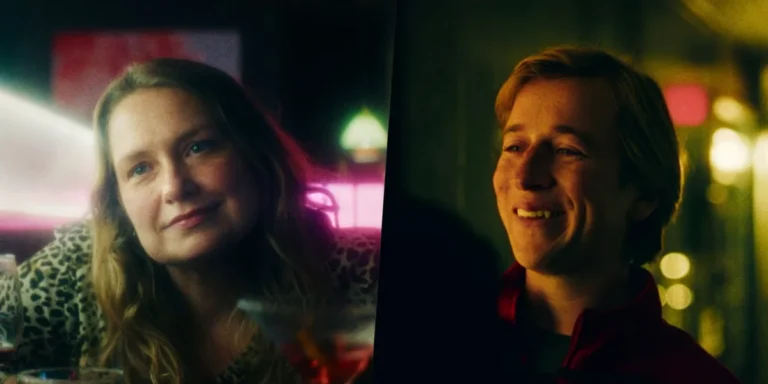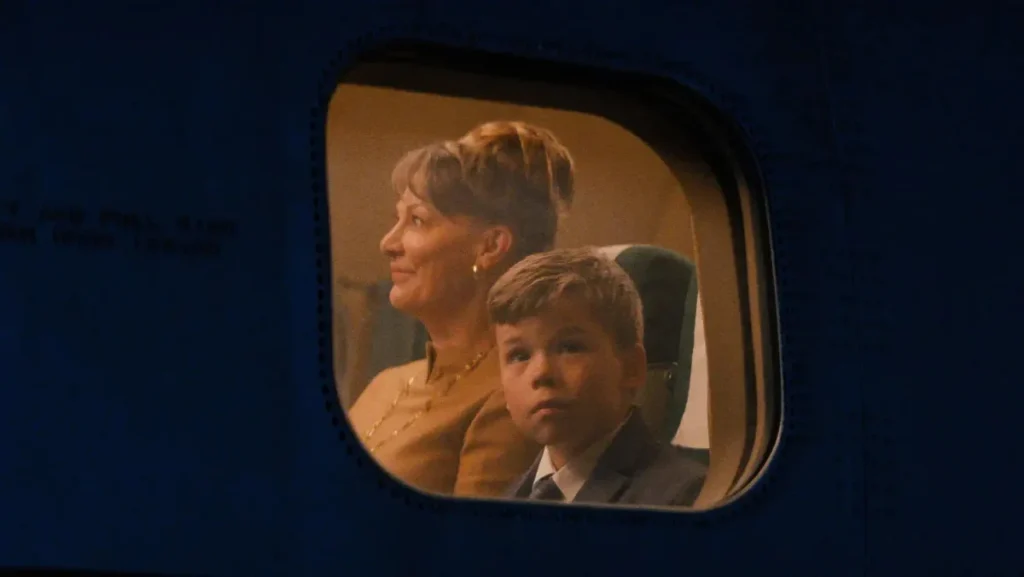


The release of the new biographical drama Unabomber, directed by Janus Metz and starring Russell Crowe, Jacob Tremblay, and Shailene Woodley, brings renewed public attention to one of the most complex domestic terrorism cases in United States history. Spanning nearly two decades, the campaign of Theodore Kaczynski, a Harvard-educated mathematician who turned into a recluse-turned-bomber, remains a dark chapter in the history of the FBI. The film attempts to bifurcate the narrative, balancing a psychological character study of Kaczynski’s formative years at Harvard with the high-stakes federal investigation that ultimately led to his 1996 arrest. Despite a notable cast and the inherent gravity of its subject matter, the film has faced criticism for its structural limitations and failure to provide a comprehensive analysis of the radicalization process or the investigative rigor required to apprehend the suspect.
A Chronology of the Unabomber Campaign
The terror campaign waged by Theodore Kaczynski began in 1978, when the first package bomb was discovered on the campus of the University of Illinois at Chicago. Over the next seventeen years, Kaczynski’s homemade explosive devices targeted universities, airlines, and individuals involved in the advancement of modern technology. The moniker "Unabomber" was coined by the FBI, deriving from the acronym "UNABOM" (University and Airline Bomber).
The timeline of the attacks is marked by a deliberate, albeit erratic, escalation:
- 1978–1980: The initial phase focused on universities and airlines, resulting in several injuries and the widespread confusion of federal authorities.
- 1985: The bombings became lethal, with the first fatality occurring in Sacramento, California, when Hugh Scrutton was killed by a bomb disguised as a package.
- 1987–1993: A period of relative silence, followed by renewed activity that claimed the lives of computer store owner Thomas Mosser and advertising executive Gilbert Murray in 1994 and 1995.
- 1995: The Unabomber sent a 35,000-word manifesto titled "Industrial Society and Its Future" to The New York Times and The Washington Post, demanding its publication in exchange for halting the violence.
- 1996: Acting on a tip from Kaczynski’s brother, David Kaczynski, who recognized the writing style in the published manifesto, the FBI raided a remote cabin in Lincoln, Montana, taking Theodore Kaczynski into custody.
The Harvard Connection and Psychological Context
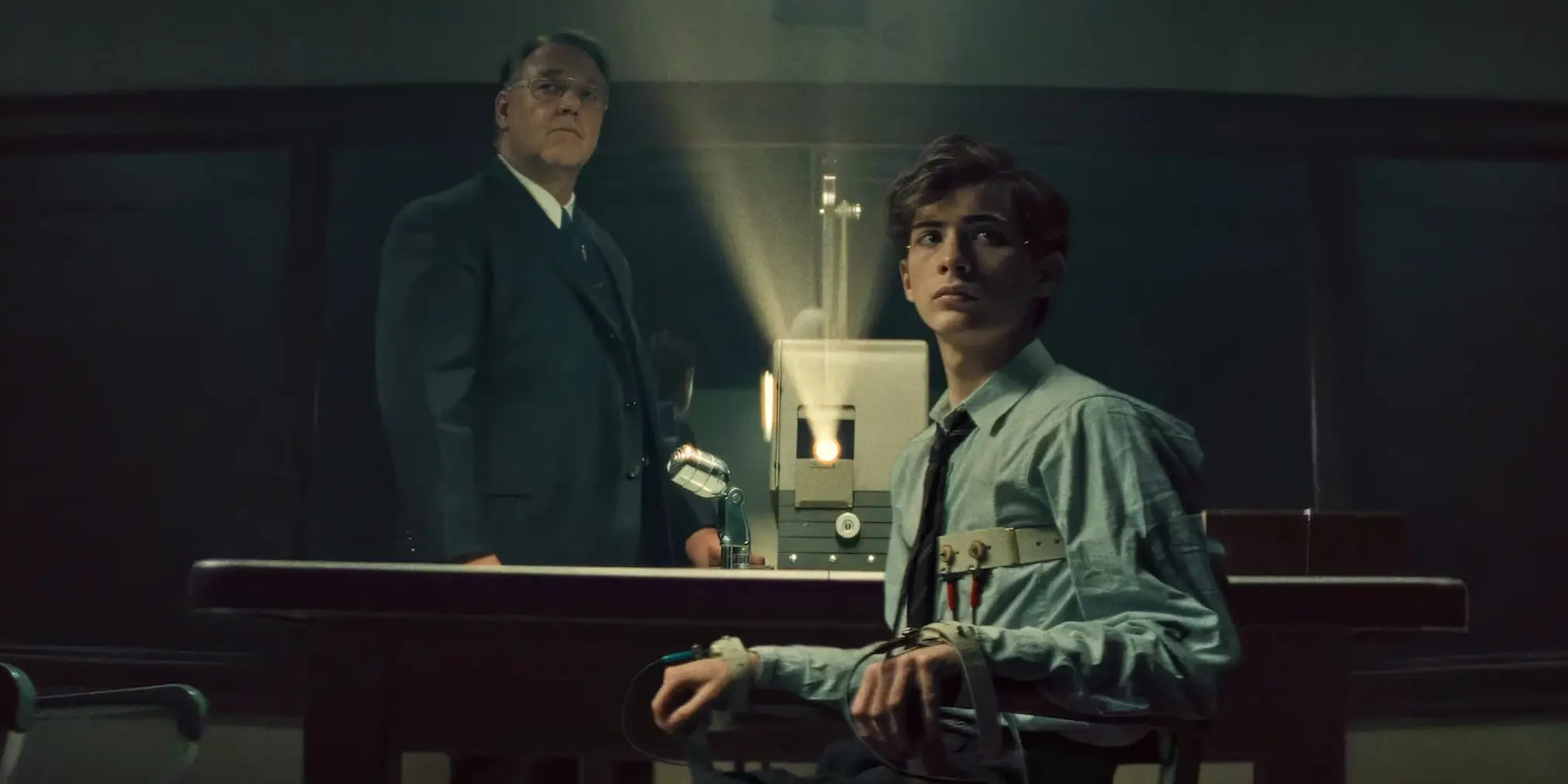
At the heart of the film’s narrative is the relationship between a young Kaczynski and Professor Henry Murray, played by Russell Crowe. Historically, Kaczynski was indeed a subject of psychological experiments conducted by Murray at Harvard University during the early 1960s. These experiments, which have been scrutinized by historians and psychologists alike, involved high-stress interrogations and personal attacks intended to test the resilience of the participants.
The cinematic depiction suggests that these experiences were a primary catalyst for Kaczynski’s later anti-technology radicalization. While academic records confirm Kaczynski’s participation in these studies, historians often debate the extent to which these specific events directly caused his transformation into a domestic terrorist. The film relies heavily on this connection to provide a motive, yet critics note that the script lacks the depth to fully explore the intersection of academic trauma and the eventual development of Kaczynski’s specific political ideology. By focusing on this narrow narrative path, the film arguably overlooks the broader societal conditions and individual mental health complexities that contributed to the creation of the Unabomber.
Investigative Realities: The FBI’s Role
The character of Agent Joanne Miller, portrayed by Shailene Woodley, serves as the audience’s proxy in the federal investigation. The FBI’s pursuit of the Unabomber is widely regarded as the most expensive and longest-running investigation in the bureau’s history. At its peak, the task force—codenamed UNABOM—included hundreds of agents, linguists, and forensic scientists.
In reality, the breakthrough did not come from a single, dramatic moment of discovery by a lone agent, but rather through a tedious, methodical process of linguistic analysis. Analysts compared the language used in the bomber’s letters and the manifesto to the known writings of potential suspects. The ultimate identification of Kaczynski was an intelligence-led operation, facilitated by the cooperation of his family, rather than the high-tension, chase-centric thriller tropes often employed by modern cinema. The film’s decision to prioritize stylized suspense over the mundane, grueling reality of forensic investigation has been a point of contention among those familiar with the historical facts of the case.
Supporting Data and Impact
The impact of the Unabomber’s actions was profound, resulting in three deaths and twenty-three injuries. Beyond the physical toll, the case significantly altered the way the United States handled mail security and public safety. The "Unabomber Manifesto" remains a point of academic study, with researchers analyzing it not as a coherent political philosophy, but as a window into the mind of a man experiencing severe psychological decline.
The financial toll of the investigation was equally significant. By the time of the arrest in April 1996, the FBI had spent more than $50 million. The case prompted massive shifts in investigative technology, particularly in the fields of forensic linguistics and behavioral profiling, which became pillars of modern federal law enforcement.
Broader Implications and Critical Reception
The portrayal of such figures in contemporary media poses an ethical challenge for filmmakers. There is a persistent tension between the desire to document historical events and the potential for "glamorizing" the perpetrator. Critics of the film argue that by focusing on the "madness" of the individual without providing a rigorous intellectual critique of his actions, the film risks reducing a tragic historical event to mere entertainment.
Furthermore, the performances, including that of Jacob Tremblay as the younger Kaczynski, have been described as technically proficient but narratively hamstrung by a script that fails to delve into the ideological roots of his crimes. The reliance on cinematic shorthand—such as the use of sepia-toned filters to denote the past—has been criticized for its lack of creative ambition.
The film’s failure to resonate with critics stems from its inability to bridge the gap between the internal, psychological horror of the subject and the external, procedural drama of the investigation. While it captures the surface-level details of the Unabomber’s life, it stops short of providing the audience with a deeper understanding of the events that transpired.
Conclusion
The legacy of the Unabomber remains a somber reminder of the vulnerabilities in modern infrastructure and the capacity for individual extremism. As a piece of historical dramatization, the film succeeds in consolidating the timeline of the investigation but fails to provide the critical depth necessary to elevate the story beyond a standard crime thriller. As researchers and historians continue to parse the motivations behind Kaczynski’s campaign, it is likely that future projects will attempt to explore these themes with more nuance. For now, this particular depiction serves as a reminder that the complexities of such cases are often best served by thorough, objective investigation rather than the simplified lens of mainstream cinema. The ongoing discourse surrounding these events ensures that while the film itself may be forgotten, the broader questions raised by the Unabomber’s crimes will continue to be a subject of intense study and reflection.