


While Netflix has garnered significant global attention for its expansive K-drama library, the streamer’s investment in the Japanese market has reached a critical inflection point heading into 2027. The upcoming slate reflects a strategic shift from experimental original content to the cultivation of established intellectual property and high-budget franchise expansions. By leveraging successful manga adaptations, sports dramas, and gritty thrillers, Netflix is solidifying its position as a primary producer of high-end Japanese language content that appeals to both domestic and international audiences.
The 2027 lineup is characterized by a mix of long-awaited sequels to breakout hits and ambitious new narratives. This development signals a move toward long-term franchise sustainability, with the streamer clearly prioritizing titles that have demonstrated strong performance metrics in previous fiscal years. As the platform balances its content portfolio, the Japanese sector has transitioned from a niche offering to a core pillar of Netflix’s international strategy.

Expanding the Parasyte Universe and Franchise Growth
One of the most significant announcements for the 2027 schedule is the production of Parasyte: Tamiya. Following the success of the Korean-led adaptation Parasyte: The Grey, Netflix is pivoting back to the source material’s roots with a Japanese production that focuses on the character Ryoko Tamiya, portrayed by Kutsuna Shioli.
The inclusion of this title demonstrates Netflix’s commitment to "universe building." By shifting the perspective to a character previously established as an antagonist, the production team aims to provide a more nuanced examination of the moral ambiguity inherent in the source material. Industry analysts note that this approach mirrors successful strategies used in Western superhero and sci-fi franchises, where character-specific spin-offs are used to deepen fan engagement and expand the lore of established intellectual property.
The Return of Commercial Titans: City Hunter 2
The decision to greenlight a sequel to the live-action adaptation of City Hunter is rooted in robust performance data. The original 2024 film secured 21.3 million views, a figure that positioned it as one of the most successful Japanese original titles in the history of the platform. The sequel will see the return of Ryohei Suzuki in the role of Saeba Ryo, continuing the narrative of the Shinjuku-based "sweeper."
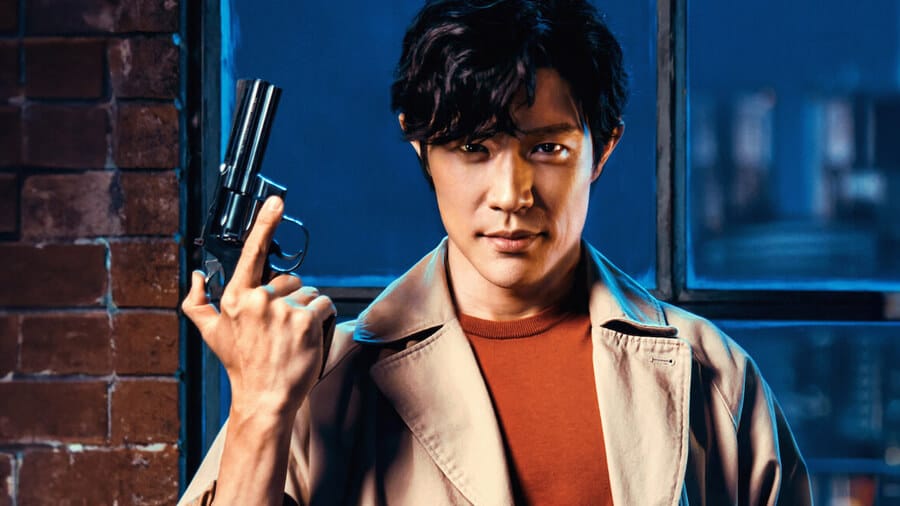
The rapid renewal of this franchise is a testament to the high demand for action-oriented Japanese content. The production’s ability to blend comedic elements with high-stakes procedural action has proven to be a winning formula for international distribution. By maintaining the core creative team, Netflix intends to minimize the risks often associated with sequels while capitalizing on the existing brand equity of the City Hunter manga series.
Sports and Social Dramas: The Case for Sanctuary and From Neet to Peak
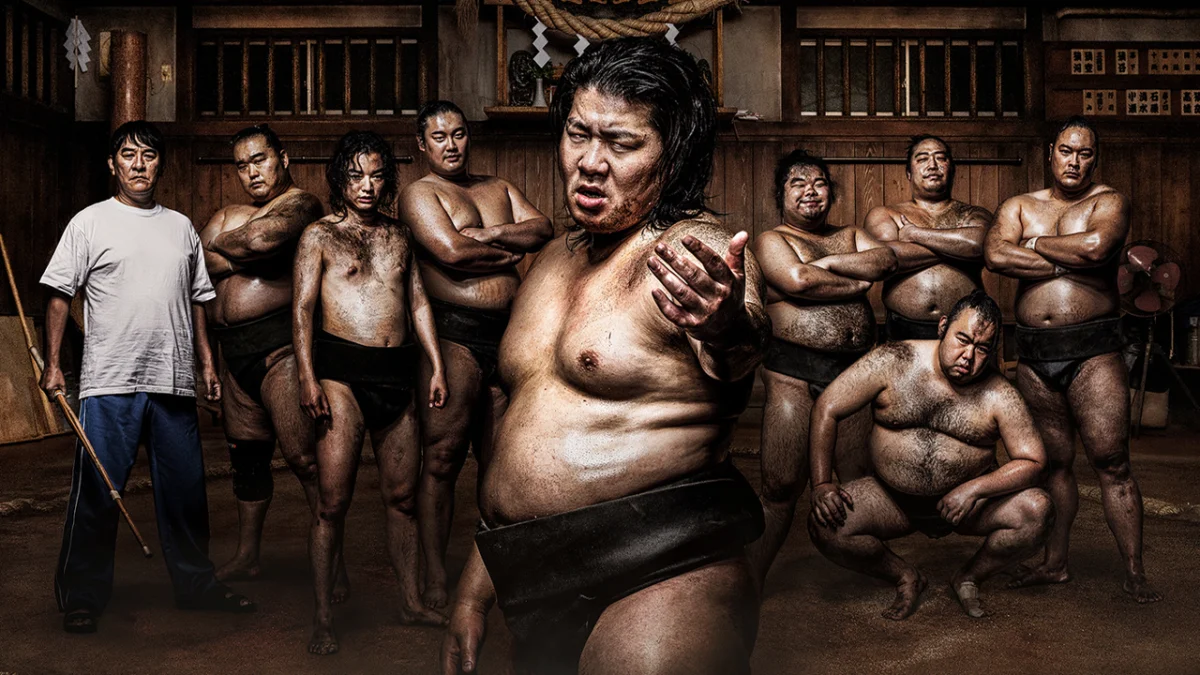
Sports-themed dramas have become a hallmark of Netflix’s Japanese output, and the return of Sanctuary for a second season remains a top priority. After the series garnered critical acclaim and widespread audience interest, the decision to proceed with a second installment was widely anticipated. Pre-production for the new season, which is slated to begin in the autumn of 2026, suggests a target release window within 2027.
Complementing this is the new series From Neet to Peak, starring Wataru Ichinose and Suzu Hirose. This project represents a shift toward more character-driven social commentary, focusing on the journey of an individual transitioning from social isolation to active engagement with the world. The involvement of Ichinose, who gained prominence through his work in Sanctuary, highlights the streamer’s strategy of developing "Netflix stars"—actors whose recurring presence on the platform helps build familiarity and loyalty among subscribers.

High-Stakes Thrillers and Historical Narratives
The 2027 calendar is further bolstered by the second seasons of Last Samurai Standing and Tokyo Swindlers. Last Samurai Standing, which achieved 21 million views during its initial release in 2025, represents a high-budget historical action genre that is particularly effective in driving subscriber retention. Its narrative, which combines the aesthetics of the Meiji era with a modern "battle royale" survival structure, appeals to a demographic that spans both history enthusiasts and action fans.
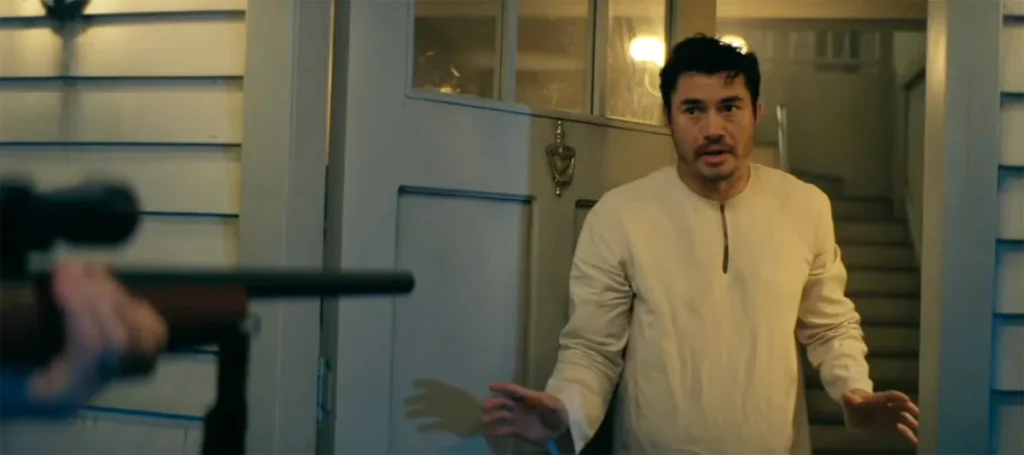
Conversely, Tokyo Swindlers offers a more grounded, contemporary thriller experience. The renewal of this series is perhaps the most surprising of the 2027 slate, given the competitive nature of the thriller genre on the platform. However, by focusing the second season on the origins of the character Yamanaka Harrison, the writers have found a narrative pathway that allows for a deeper exploration of the series’ core themes of urban corruption and deception.
Strategic Implications for Netflix’s Global Content Strategy
The 2027 Japanese slate is not merely a collection of new titles; it is an indicator of a maturing content ecosystem. Several factors contribute to this evolution:
- Data-Driven Renewals: The platform is increasingly relying on precise viewership metrics to determine which series merit multi-season arcs. The renewal of both Sanctuary and Tokyo Swindlers confirms that the streamer is willing to invest in long-term storytelling if a project demonstrates consistent, even if modest, performance over time.
- Talent Retention: By repeatedly casting actors like Wataru Ichinose and Ryohei Suzuki, Netflix is fostering a sense of consistency. This creates a "repertory company" feel that helps viewers identify the platform as a distinct curator of Japanese quality drama.
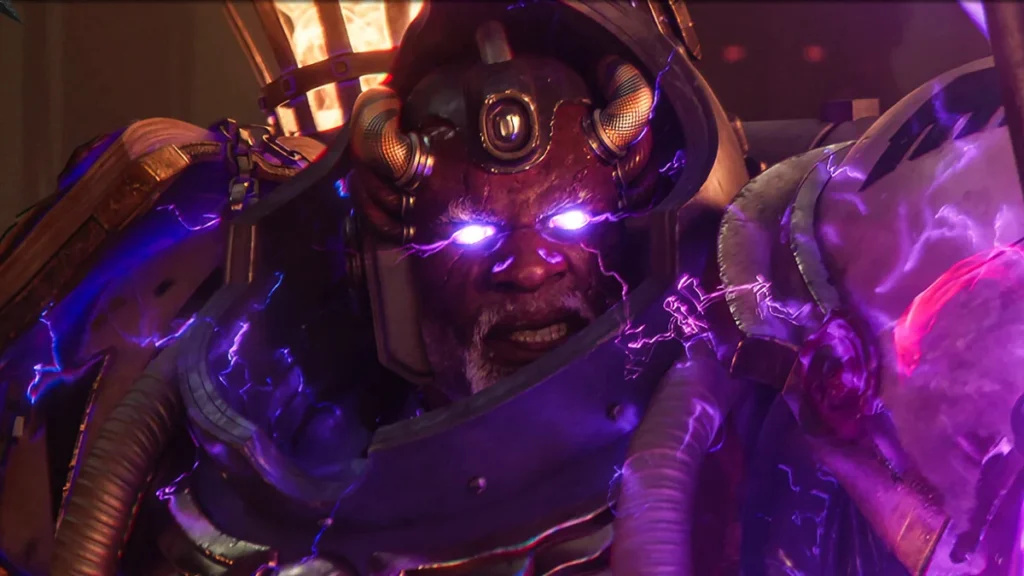
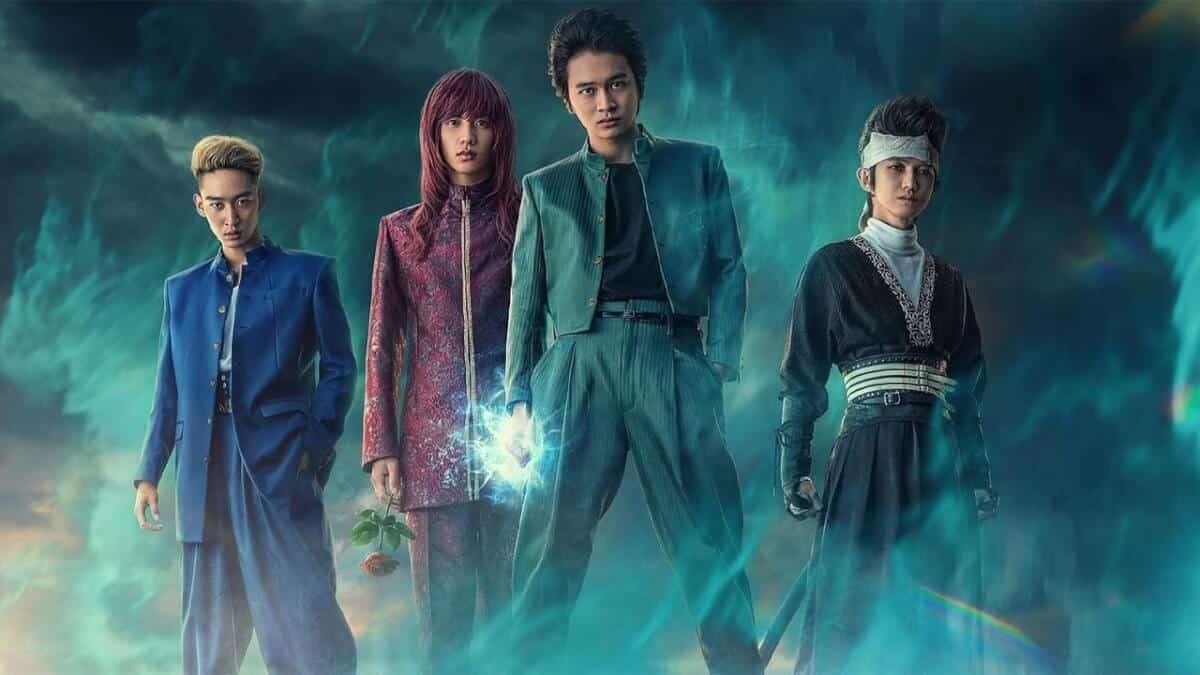
- Balancing Genres: The 2027 lineup demonstrates a deliberate balance between fantasy/sci-fi (Parasyte, Yu Yu Hakusho), action (City Hunter, Last Samurai Standing), and character-driven drama (From Neet to Peak). This diversity is essential for maintaining a broad subscriber base.
The Path Forward
While the current list for 2027 is impressive, industry insiders suggest that it is merely the baseline. Netflix typically phases its announcements to coincide with major cultural events or quarterly earnings calls. Consequently, subscribers should expect additional announcements throughout the latter half of 2026 and the beginning of 2027.
The primary challenge for Netflix moving forward will be to maintain the high production values that have defined its recent Japanese output while scaling up the volume of content. The success of the 2027 slate will likely influence the streamer’s budget allocations for the remainder of the decade. As of now, the focus remains on leveraging the success of established titles to bridge the gap between niche interest and mainstream global popularity.
The integration of these Japanese productions into the global Netflix catalog remains a core component of the streamer’s competitive advantage. By providing high-quality subtitles and dubbing options, these series are no longer confined to their domestic market; they are effectively competing with Hollywood productions for the attention of a global audience. The 2027 slate confirms that Japan is not just a secondary market for Netflix, but a vital hub of creative production that is essential to the company’s future growth.