


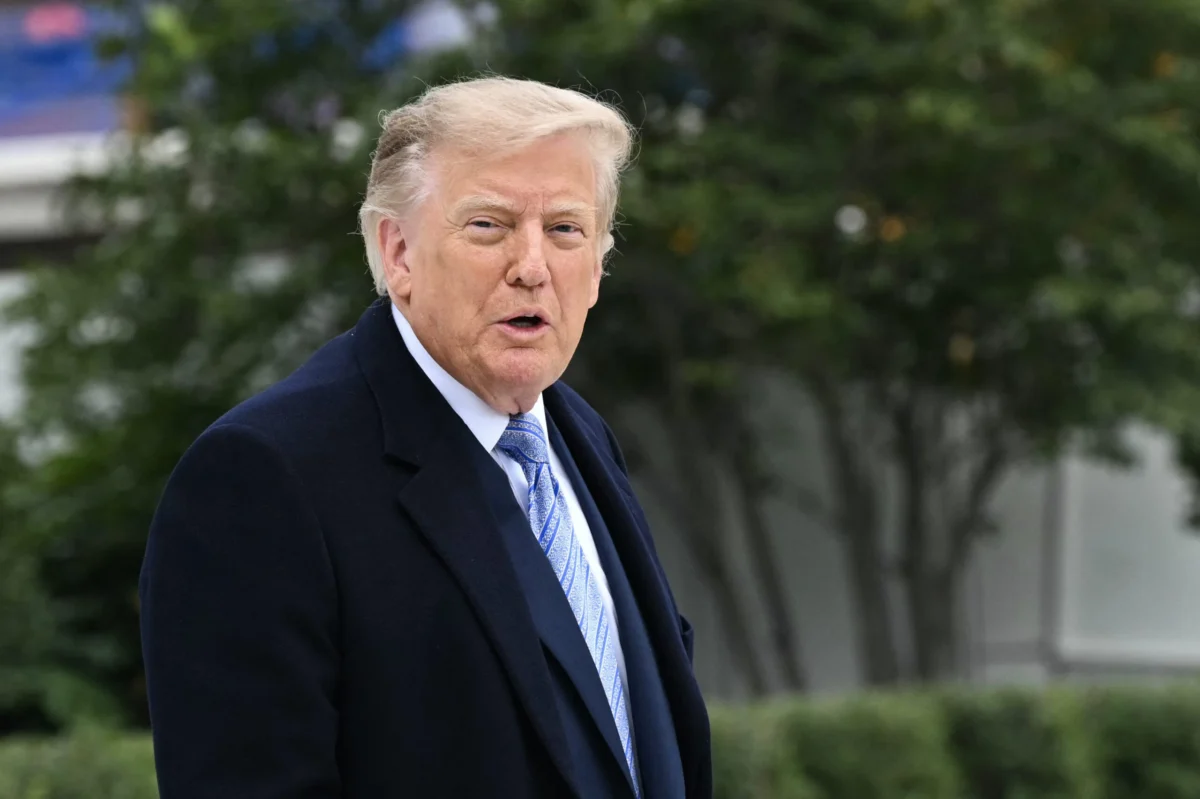
The White House began the process of readmitting journalists from MS NOW, CNN, and Politico to the executive complex on Thursday, marking a significant, albeit temporary, reversal of President Donald Trump’s efforts to strip these organizations of their press credentials. The restoration of access followed a tense standoff during which Secret Service officers initially prevented reporters from entering the grounds despite a direct order issued late Wednesday by U.S. District Judge Timothy Kelly. The legal battle highlights an intensifying friction between the executive branch and the press, raising fundamental questions regarding the boundaries of presidential authority and the protections afforded to journalists under the First and Fifth Amendments of the U.S. Constitution.
The Chronology of the Dispute
The confrontation originated on Saturday, September 19, 2026, when the Trump administration announced a formal ban on the three media outlets. President Trump publicly justified the decision by citing what he described as a pattern of "cumulative stories" that he characterized as dishonest and detrimental to his administration. The sudden revocation of "hard passes"—the credentials that allow journalists routine access to the White House grounds—was executed without prior warning, a departure from established historical protocols governing press access.
By Monday, September 21, the affected organizations filed a civil lawsuit in the U.S. District Court for the District of Columbia. The plaintiffs argued that the administration’s actions constituted a violation of their constitutional rights, specifically citing the First Amendment’s guarantee of a free press and the Fifth Amendment’s due process requirements. The legal challenge sought an immediate temporary restraining order to halt the ban.
Late Wednesday night, Judge Timothy Kelly, an appointee of President Trump, issued a ruling that favored the media outlets. He mandated that the White House "immediately" restore access to the journalists, noting that the plaintiffs had demonstrated a high likelihood of success on the merits of their due process claim. However, the situation remained fluid on Thursday morning as initial reports indicated that security personnel were still denying entry to reporters from the three outlets, prompting the plaintiffs to notify the court of non-compliance. By midday, the White House director of operations filed a declaration confirming the restoration of credentials, and by the afternoon, reporters were observed returning to their designated workspaces outside the West Wing.
Judicial Analysis and the Due Process Conflict
Judge Kelly’s ruling centers heavily on procedural fairness rather than the content of the reporting itself. In his written opinion, Kelly emphasized that the executive branch is bound by existing legal precedents, specifically those established by the U.S. Court of Appeals for the D.C. Circuit. These precedents require the government to provide journalists with advance notice and a meaningful opportunity to be heard before revoking credentials that facilitate their professional duties.
"The Court is bound to follow the rulings of the D.C. Circuit," Kelly wrote, emphasizing the phrase "full stop" to underscore the weight of existing appellate authority. The judge noted that the government’s failure to provide any warning to the journalists before implementing the ban appeared to be a clear deviation from these standards.
Furthermore, the court expressed significant skepticism regarding the administration’s secondary justification for the ban: national security. During the legal proceedings, the Department of Justice attempted to argue that the revocation was motivated by security concerns rather than the President’s public dissatisfaction with the media outlets’ coverage. Kelly rejected this premise, noting that the record contained no evidence that these specific journalists posed a security threat. "Nothing in the record that predates this suit suggests that the revocation of Plaintiffs’ hard passes was motivated by national security concerns," the judge stated, pointing out that some of the articles cited by the government as justifications for the ban were months or even years old.
Implications for the Press and Executive Power
The conflict has reignited a long-standing debate regarding the nature of a White House press pass. Historically, the process of granting and revoking access to the White House has been governed by a balance of security requirements and the public’s right to access information about their government. Legal scholars note that while the White House is not a public forum in the traditional sense, it is an essential venue for the dissemination of information regarding the most powerful office in the world.
Theodore Boutrous Jr., the lead attorney for the media outlets, praised the court’s swift intervention. "This is a strong ruling vindicating freedom of the press, due process, and the rule of law," Boutrous said in a statement. The legal victory provides a temporary reprieve for the reporters, but the broader litigation remains ongoing. Judge Kelly has ordered the parties to file motions regarding a preliminary injunction by September 28, with the government’s response due by October 2. The court has signaled its intention to rule on the injunction expeditiously, which will determine whether the current access remains in place while the underlying lawsuit proceeds.
Statistical and Historical Context
The White House press corps consists of hundreds of journalists from domestic and international organizations. The "hard pass" system is a credentialing process that undergoes rigorous background checks by the Secret Service. Revocation of these passes is exceptionally rare, usually reserved for serious breaches of security or conduct, rather than political disagreement.
According to historical archives from the White House Correspondents’ Association (WHCA), the last time a president faced such a significant legal challenge regarding access was during the late 20th century, though those instances were rarely based on the editorial content of reporting. By framing the dispute through the lens of the Fifth Amendment, the plaintiffs have successfully forced a transition from a political debate into a constitutional one, where the government must justify its actions against objective legal standards rather than subjective executive preference.
Official Responses and Future Outlook
The White House has maintained a formal stance throughout the proceedings. When asked for comment following the judge’s order on Thursday, a spokesperson provided only a link to the court filing confirming the restoration of credentials, declining to offer further verbal commentary on the President’s reaction or future policy changes regarding press management.
The broader implications of this case are likely to reverberate well beyond the current administration. Legal experts suggest that the ruling reinforces the necessity for administrative procedures that prevent the executive branch from using its control over physical access to the White House as a tool for retaliation. Should the court eventually grant the preliminary injunction, it would set a significant precedent that could limit a president’s ability to arbitrarily restrict access to journalists who are critical of their administration.
For now, the journalists from MS NOW, CNN, and Politico have resumed their coverage of the executive branch. However, the underlying tensions remain high. The case is being closely watched by civil liberties groups, the legal community, and other media organizations that fear that a failure to protect these credentials could lead to an environment where access is used as a bargaining chip for favorable coverage. As the court prepares for the October proceedings, the focus will shift from the immediate restoration of access to the long-term legal definition of the press’s role within the confines of the White House.
The case serves as a stark reminder of the fragile balance between the executive branch’s duty to maintain secure operations and the fundamental requirement for a free press to hold that power accountable. As the litigation moves toward the preliminary injunction phase, the nation awaits a final judicial interpretation that will define the extent to which a president can dictate the membership of the press corps.