

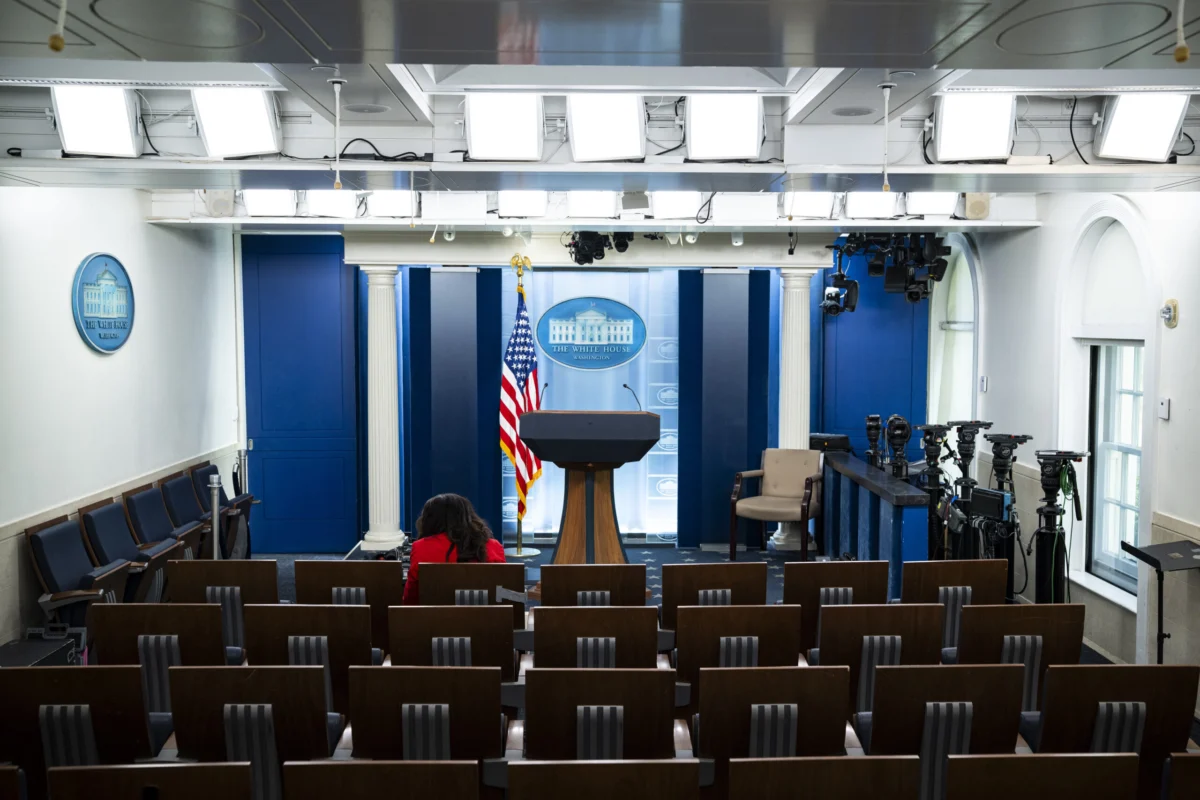
In a significant escalation of the ongoing friction between the executive branch and the news media, CNN, MS NOW, and Politico have officially initiated legal proceedings against the Trump administration. The lawsuit follows the abrupt revocation of press credentials for journalists representing these organizations, an action that effectively bars them from the White House complex and severely impedes their ability to cover the President and his staff. Filed by a legal team led by prominent First Amendment litigator Ted Boutros, the suit characterizes the administration’s actions as an unconstitutional assault on the fundamental principles of a free press.
The Legal Basis of the Challenge
The legal filing argues that the revocation of credentials constitutes a profound violation of the First and Fifth Amendments. By targeting specific news organizations based on the perceived tenor of their reporting, the administration is accused of engaging in viewpoint discrimination—a practice that legal scholars argue is strictly prohibited under established constitutional law.
The lawsuit leans heavily on the precedent set by the landmark Supreme Court decision New York Times Co. v. Sullivan (1964). In that ruling, the Court emphasized that the First Amendment reflects a "profound national commitment to the principle that debate on public issues should be uninhibited, robust, and wide-open." The plaintiffs contend that by punishing news outlets for "negative" or "one-sided" coverage, the President is attempting to dictate the parameters of public discourse, a power that the Constitution expressly denies to the government.
Beyond the First Amendment, the lawsuit asserts that journalists hold a protected interest in their credentials, which function as both a professional necessity and a property interest. The suit argues that the administration’s failure to provide due process—notably the lack of prior notice or an opportunity to respond—renders the ban arbitrary and capricious.
Chronology of the Escalation
The events leading to the current legal impasse unfolded rapidly over the course of a single weekend. The sequence of events is as follows:
- Friday: President Trump publicly announced his intention to bar CNN, MS NOW, and Politico from the White House grounds, citing a long-standing dissatisfaction with their coverage.
- Saturday Morning: Despite the confusion following the Friday announcement, journalists from the affected organizations attempted to enter the White House complex for their scheduled duties. They were subsequently denied access, confirming that their hard passes had been deactivated.
- Monday Morning: The formal lawsuit was filed in federal court. The news organizations issued a joint statement announcing the move, framing it as a defense of the public’s right to independent journalism.
The timing of the ban was particularly disruptive, as CNN had been designated as the primary television press pool for Monday. This role would have placed their reporters at the forefront of coverage for the President’s travel to New York, where he was scheduled to engage in high-stakes diplomacy with international leaders, including French President Emmanuel Macron, and local officials like Mayor Zohran Mamdani, on the sidelines of the United Nations General Assembly.
Rationales and Official Rhetoric
During an Oval Office appearance, President Trump defended the revocation, framing it as a reaction to what he characterized as a cumulative history of biased reporting. He explicitly identified his grievance as a desire to prevent outlets from writing "purposely negative stories." In the text of the lawsuit, the plaintiffs note that the President referred to his own actions as a "ban on the free press," an admission that the plaintiffs argue demonstrates a clear intent to use administrative power to suppress critical coverage.
The President has previously suggested that he anticipated a legal challenge, remarking that the final outcome of any litigation would likely depend on the judiciary’s composition. This rhetoric mirrors previous attempts by the administration to limit media access, most notably the effort to revoke the credentials of CNN correspondent Jim Acosta during the President’s first term. In that instance, a federal judge ordered the restoration of Acosta’s pass, noting that the administration’s failure to provide due process violated the reporter’s constitutional rights.
Historical Context and Precedents
The current dispute is not the first time the executive branch has engaged in adversarial litigation with news organizations. The history of the White House press corps is marked by moments of severe tension, though modern legal standards have consistently reinforced the right of journalists to operate without state-imposed licensing or retaliatory exclusion.
The Associated Press (AP) previously pursued legal action against the government when it was barred from specific events after its editorial style guide chose not to refer to a disputed body of water as the "Gulf of America." These precedents underscore a recurring theme: when the government attempts to use access as a lever to enforce editorial compliance, the judiciary has historically intervened to protect the independence of the press.
Broader Implications for Journalism
The implications of this lawsuit extend well beyond the immediate logistical challenges faced by the affected outlets. If the administration’s actions are permitted to stand, it sets a precedent that could allow future presidents to curate the press corps, effectively transforming the White House briefing room into a venue for government-approved information only.
Media experts suggest that this "credential-as-permission" model threatens the core function of the Fourth Estate. Independent journalism relies on the ability to challenge, verify, and occasionally criticize the actions of the state. By removing those who produce "sharp" or "unpleasant" reports, the government risks creating an echo chamber that limits the information available to the electorate.
Furthermore, the economic and operational impact is significant. White House reporters are the primary conduits for information regarding executive actions that affect international policy, economic stability, and national security. Restricting the flow of information from these institutions does not merely affect the news outlets; it degrades the public’s ability to remain informed about the actions taken in their name.
Future Outlook
As the case heads to the courts, the focus will remain on whether the judiciary views the White House complex as a "public forum" for the purpose of press coverage. Legal scholars expect the government to argue that the President possesses broad discretion to manage the internal operations of the White House. Conversely, the plaintiffs will emphasize that when the government grants access to the press for the purpose of informing the public, it cannot then revoke that access as a penalty for the nature of the coverage.
The legal battle is expected to be lengthy, with both sides preparing for a protracted debate over the definition of the First Amendment in the digital age. As the lawsuit proceeds, the administration will be forced to justify the criteria used for the revocation, while the media organizations must demonstrate that their constitutional rights were indeed infringed upon by the executive action. For now, the three outlets continue to challenge the decision, maintaining that the freedom of the press is a non-negotiable component of American democracy that must remain independent of executive interference.