
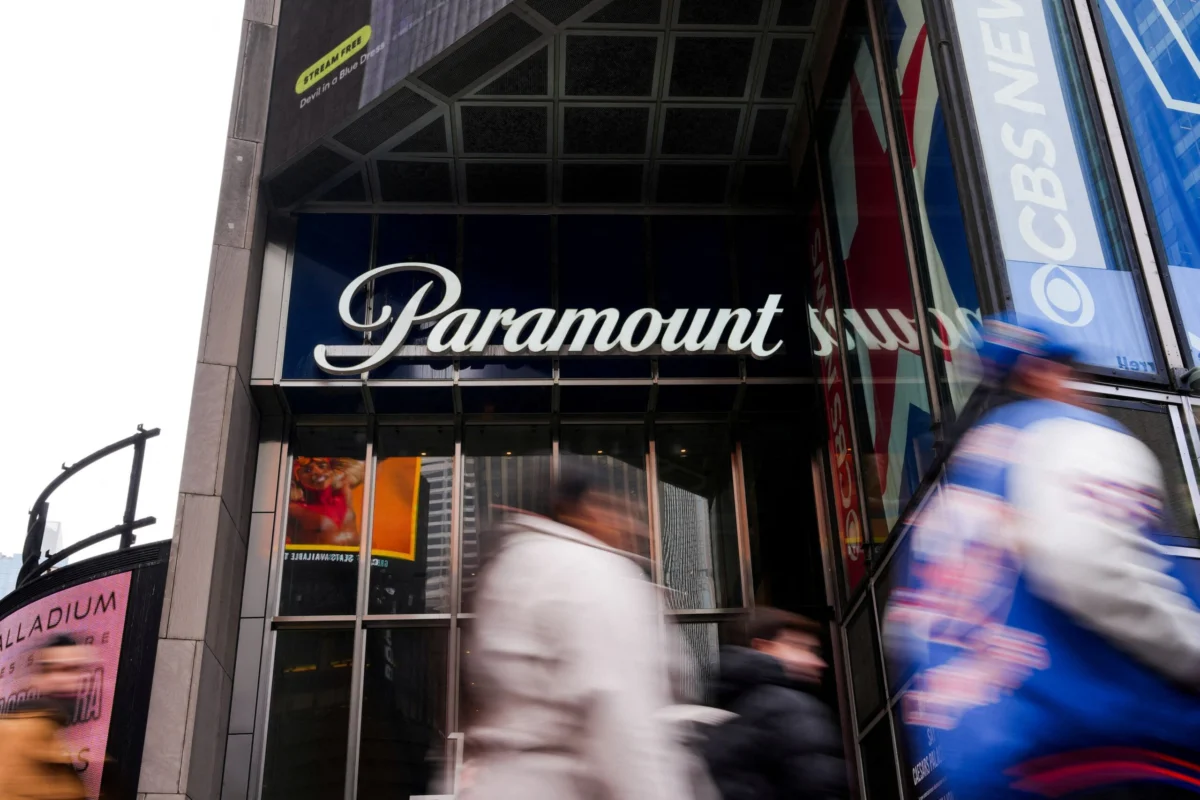
The high-stakes regulatory battle surrounding the proposed $110 billion merger between Paramount Skydance and Warner Bros. Discovery (WBD) hit a significant roadblock this week after California Attorney General Rob Bonta canceled a high-level settlement meeting scheduled for Monday. The cancellation serves as a sharp rebuke to the corporate entities, with Bonta citing a perceived “lack of good faith” and unauthorized disclosures regarding the sensitive nature of initial mediation efforts.
This development marks a deepening rift between the media conglomerates and the coalition of 12 state attorneys general who filed a sweeping antitrust lawsuit in July 2026. The legal challenge seeks to halt the mega-merger, arguing that the consolidation of two of the world’s most influential media libraries would stifle market competition and concentrate unprecedented power over film production and basic cable television distribution.
The Breakdown of Negotiations
The collapse of the Monday session follows a meeting held last Friday between Bonta’s office and representatives from Paramount Skydance. According to the Attorney General, the confidentiality protocols essential to high-stakes antitrust litigation were compromised almost immediately after that session concluded.
"My office had a meeting with Paramount on Friday. Paramount did not maintain the confidentiality of that meeting. Not only did Paramount leak the alleged substance of settlement discussions, but they misrepresented these discussions, demonstrating a lack of good faith," Bonta stated. He emphasized that his office’s willingness to engage in dialogue was contingent upon a professional, private environment. "As soon as Paramount stops playing games and engages sincerely, my office is happy to meet again," Bonta added.
In response, Paramount Skydance issued a formal statement vehemently denying any culpability regarding the leaks. "We remain hopeful and stand ready to continue good faith discussions to resolve the Attorneys General suit and move forward with our plans for increased competition and increased output to the benefit of the talent and entertainment workers," the company stated. Despite these assurances, the cancellation stands, effectively freezing momentum toward an out-of-court resolution.
Chronology of the Antitrust Dispute
The path to this impasse has been marked by a series of aggressive regulatory filings and corporate maneuvering:
- July 13, 2026: A coalition of 12 state attorneys general, led by California’s Rob Bonta, files an antitrust lawsuit in federal court. The complaint alleges that the acquisition of WBD by Paramount Skydance violates the Clayton Act by substantially lessening competition in the media sector.
- July 24, 2026: Recognizing the regulatory pressure, Paramount Skydance announces a voluntary delay in the closing of the deal, pushing the target date as far back as June 2027 to accommodate potential litigation timelines.
- August 20, 2026: In an interview with CNBC, Attorney General Bonta clarifies his stance, characterizing the case as a “black-and-white” antitrust matter while expressing a preference for resolving the dispute in the boardroom rather than the courtroom.
- August 22, 2026: The New York Times reports that settlement talks have commenced, bringing together company representatives and state regulators.
- August 24, 2026: The collapse of the talks is confirmed, with Bonta citing leaks and misrepresentation as the primary drivers for the cancellation of the follow-up meeting on August 25.
The Substance of the Legal Challenge
The core of the lawsuit centers on the sheer scale of the combined entity. Paramount Skydance’s proposal to acquire Warner Bros. Discovery involves assets that encompass massive film studios, extensive basic cable networks, and significant intellectual property catalogs.
Attorney General Bonta has been precise about the scope of the state’s concern. While industry observers have often focused on the impact on streaming services or international regulatory hurdles, Bonta has maintained that the state’s primary focus remains on the domestic market for content production and cable distribution. The lawsuit argues that the merger would create a “media giant” capable of dictating terms to advertisers, cable providers, and production talent, effectively reducing the number of viable buyers for content in an already consolidating market.
Bonta has stated publicly that any path toward a settlement would require “robust structural remedies.” In antitrust parlance, this typically involves the divestiture of significant business units, the licensing of intellectual property to competitors, or the implementation of strict behavioral mandates to ensure that smaller players are not excluded from the market.
Economic and Industry Implications
The merger, valued at approximately $110 billion, represents one of the largest corporate consolidations in the history of the entertainment industry. For Paramount Skydance, the acquisition is framed as a necessary step to achieve the scale required to compete against tech-driven media giants and the shifting consumption habits of the global audience.
However, the legal friction brings a significant amount of uncertainty to the company’s long-term strategy. The trial for the antitrust case is currently scheduled for March 2027. If the companies are unable to reach a settlement before that date, they face the risk of a protracted judicial process that could last years, potentially rendering the merger agreement obsolete or forcing drastic, court-mandated changes to their business model.
Financial analysts note that the stock prices of both companies remain sensitive to updates regarding the litigation. The market has reacted to the news of the canceled talks with caution, as the prospect of a negotiated settlement had been viewed by some investors as a path to mitigating regulatory risk. Without a settlement, the companies are forced to defend the merger in a court of law, a process that historically carries a high risk of failure for deals of this magnitude.
The "Boardroom vs. Courtroom" Dynamic
Bonta’s stated preference for resolving the case in the boardroom underscores a pragmatic approach to regulation. Antitrust litigation is notoriously expensive, time-consuming, and unpredictable. By signaling that he is open to a settlement involving "structural remedies," Bonta has offered a lifeline to the companies. However, his abrupt cancellation of the Monday meeting indicates that his office will not accept a "take it or leave it" approach from the corporations involved.
The dispute also highlights the growing power of state-level attorneys general in federal antitrust enforcement. Traditionally, the Department of Justice and the Federal Trade Commission have taken the lead on national mergers. However, the coalition led by Bonta has demonstrated that states are increasingly willing to use their own investigative resources to block deals that they believe threaten local labor markets and consumer access.
Looking Ahead
As the industry waits for a potential resumption of talks, the spotlight remains on Paramount Skydance’s next move. To regain the trust of the California Attorney General’s office, the company will likely need to offer more transparent, good-faith concessions regarding the structure of the combined entity.
For the time being, the silence from Warner Bros. Discovery’s spokespeople suggests that the company is content to let Paramount handle the immediate regulatory skirmishes. As the March trial date looms, the pressure on all parties to find common ground will only intensify. Whether they can bridge the divide created by these recent leaks remains the central question for the future of the Paramount-WBD merger.
With significant assets, talent contracts, and billions in shareholder value at stake, the resolution of this case will likely set a major precedent for future media consolidation. For now, however, the boardroom remains empty, and the focus shifts back to the courtroom, where both sides are preparing to present their arguments in a case that will undoubtedly define the next era of American entertainment.