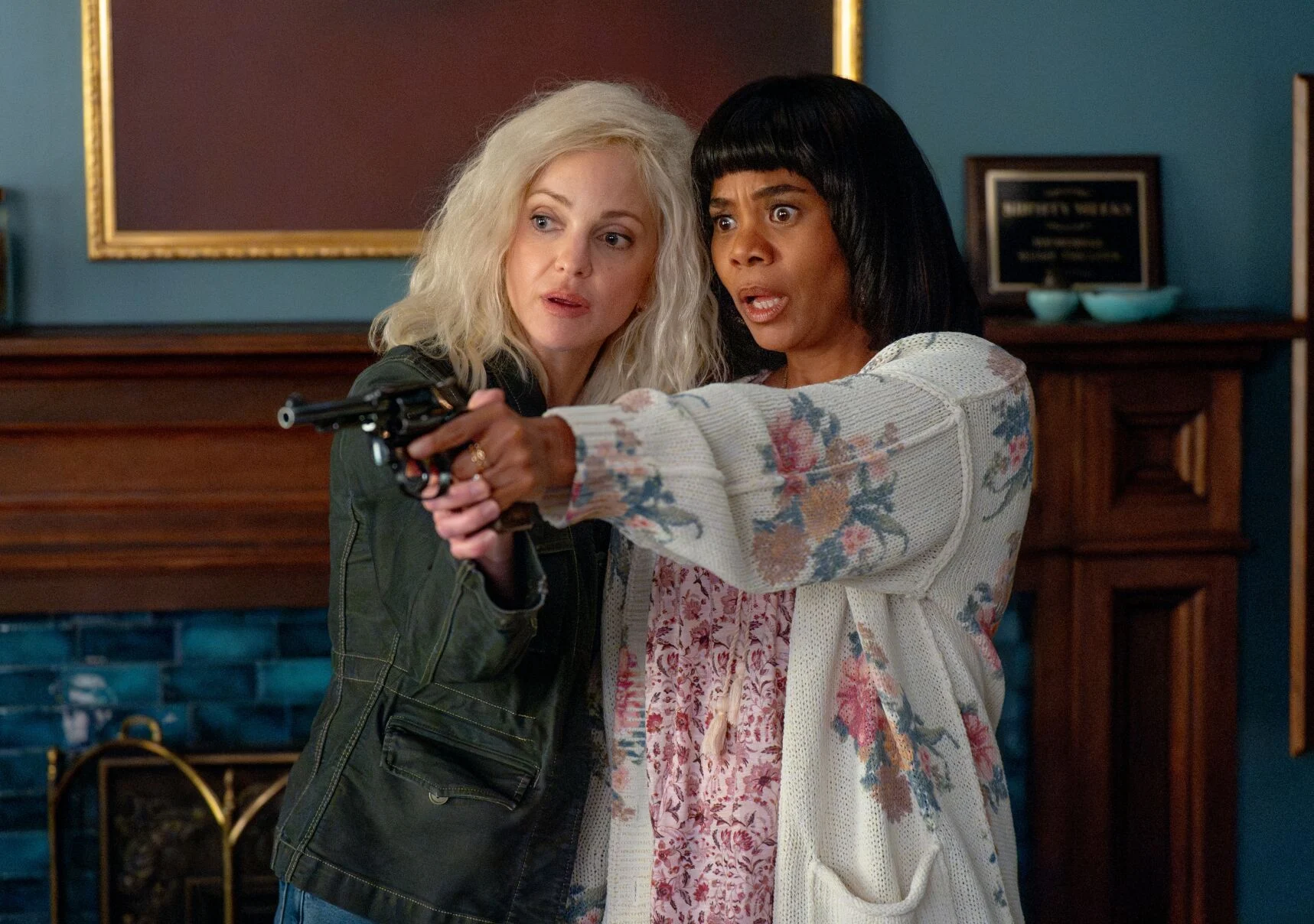
The cultural landscape of contemporary comedy and horror underwent a significant realignment with the release of the sixth installment of the Scary Movie franchise. Notably omitting a numeral from its official title, the 2026 release functions as both a continuation of the landmark horror-comedy series and a deliberate act of institutional protest. This creative choice stems from a historical compensation dispute in 2001 that led the Wayans family to officially disown the three sequels produced in their absence—Scary Movie 3 through 5, released between 2003 and 2013 under the stewardship of the Weinstein Company. The latest film revives the signature irreverent style that defined the turn-of-the-millennium box office, while simultaneously serving as a pointed, sharp critique of corporate exploitation and creative displacement within the modern entertainment industry.
The Genesis and Evolution of the Modern Spoof
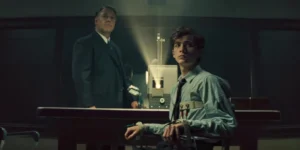
To understand the mechanics of the Wayans family’s cinematic rebellion, one must examine the lineage of modern parody. The contemporary spoof—characterized by a hyperactive, joke-a-minute narrative framework packed with rapid-fire cultural references—owes its foundational structure to the comedy team of David Zucker, Jim Abrahams, and Jerry Zucker, collectively known as ZAZ. With the 1977 sketch film The Kentucky Fried Movie and the 1980 commercial breakthrough Airplane!, ZAZ pioneered a style that elevated structural absurdity to an art form. Jim Abrahams frequently noted that their comedic approach served as a deliberate counterprogram to the turbulent sociopolitical landscape of the 1970s, sidestepping the era’s pervasive polarization by steadfastly ignoring partisan politics.
While ZAZ established the formal template, filmmakers like Robert Townsend and Keenen Ivory Wayans injected a distinct sociopolitical edge into the genre. Drawing inspiration from the biting racial satire of The Richard Pryor Show (1977) and Ken Shapiro’s The Groove Tube (1974), Townsend and the Wayans family transformed cinematic pastiche into a sophisticated vehicle for cultural critique. Their early work targeted genres historically marketed toward Black audiences—including blaxploitation films, urban coming-of-age dramas, and low-budget horror—subverting tired tropes and challenging the systemic limitations imposed by the traditional Hollywood power structure.
Chronology of a Comedy Dynasty: From Hollywood Shuffle to Scary Movie
The journey toward the establishment of the Scary Movie franchise spans decades of independent ambition and institutional resistance. The trajectory of this movement can be tracked through several key milestones:
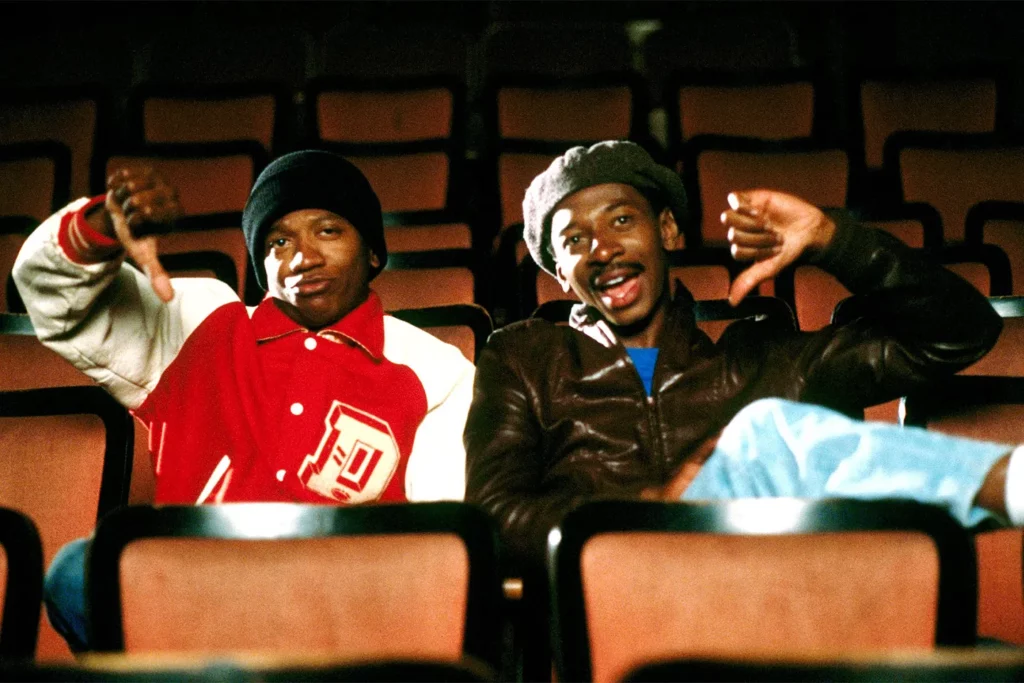
- 1987: The release of Hollywood Shuffle, co-written and directed by Robert Townsend alongside Keenen Ivory Wayans. Utilizing earnings from independent financing and credit cards, the filmmakers combined disparate sketch segments into a cohesive narrative examining the creative compromises demanded of Black actors in Hollywood.
- 1988–1990: Buoyed by the success of Hollywood Shuffle, Keenen Ivory Wayans directed I’m Gonna Git You Sucka (1988) before creating the groundbreaking sketch comedy series In Living Color (1990–1994). The show served as a professional incubator for the broader Wayans family and challenged mainstream television norms.
- 1996: The release of Don’t Be a Menace to South Central while Drinking Your Juice in the Hood. This film directly targeted the wave of inner-city crime dramas popularized in the early 1990s, such as Boyz n the Hood (1991) and Menace II Society (1992), offering an absurdist critique of Hollywood’s tendency to monetize Black trauma.
- 2000: The premiere of Scary Movie. Released by Dimension Films on a modest production budget of approximately $19 million, the film grossed a staggering $278 million globally, proving the massive commercial viability of the Wayans-led parody formula.
- 2001–2013: Following creative and financial disagreements with studio executives over compensation and control, the Wayans family departed the franchise. Dimension Films proceeded with Scary Movie 3 (2003), Scary Movie 4 (2006), and Scary Movie 5 (2013), directed by David Zucker with casts led by actors such as Charlie Sheen and Simon Rex.
- 2026: The official return of the original creative team with the release of the sixth installment, reuniting the core cast after 25 years and grossing $172 million within its first two weeks of theatrical release.
Subversive Satire and the Politics of Representation
The comedic philosophy underpinning the Wayans’ body of work has consistently balanced juvenile, gross-out humor with incisive social commentary. In Scary Movie (2000), the filmmakers targeted the teen slasher revival of the late 1990s, a cinematic subgenre that overwhelmingly featured white casts and adhered to rigid narrative hierarchies. Film critic Roger Ebert notably coined the phrase "The Brother Always Dies First" in 1997 while reviewing David Mamet’s The Edge, articulating a frequent critique regarding the dispensability of minority characters in mainstream thrillers.
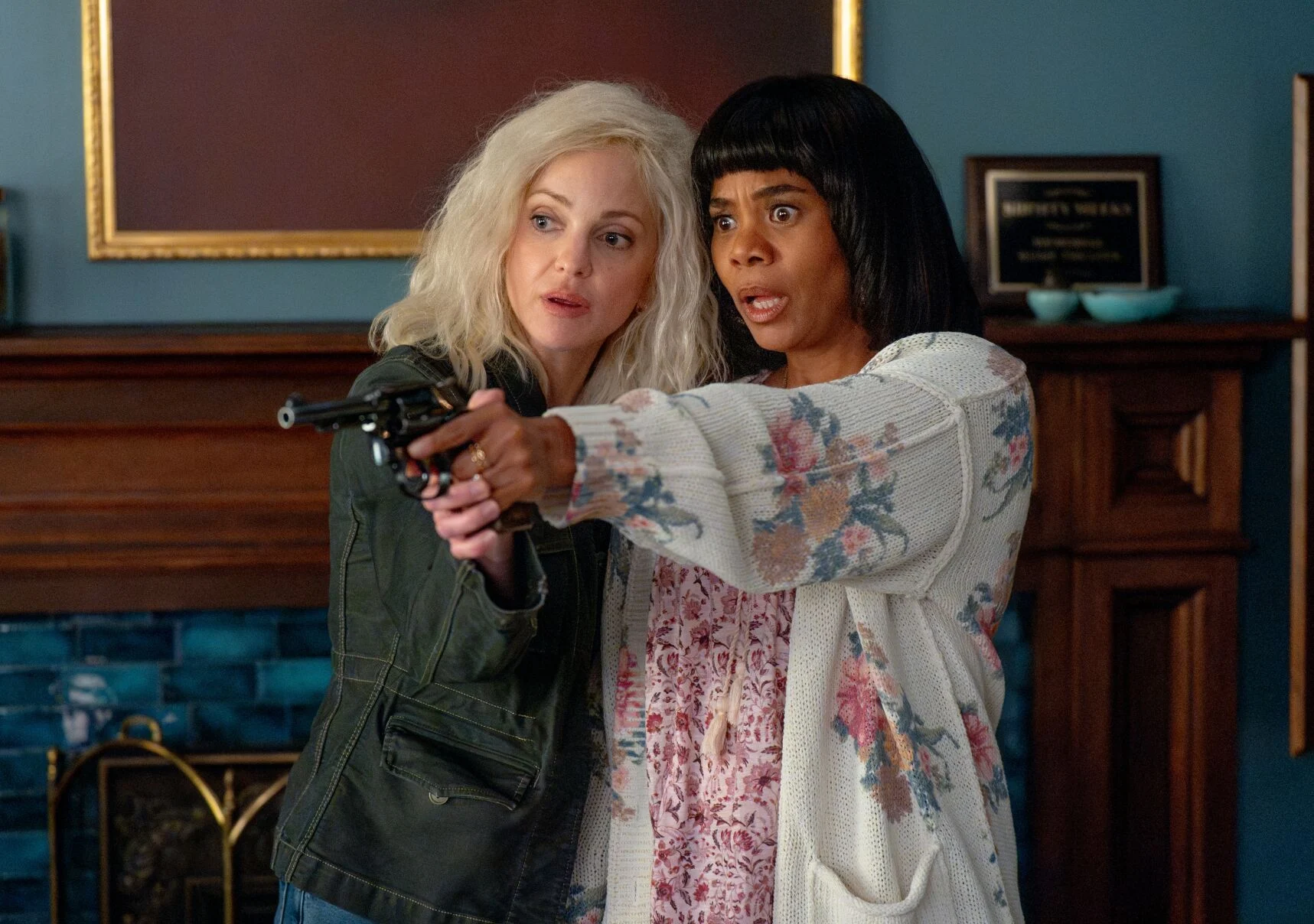
By placing Black actors—including Regina Hall, Shawn Wayans, and Marlon Wayans—at the epicenter of standard horror tropes, Scary Movie interrogated the underlying racial dynamics of the genre. The film magnified prevalent cultural stereotypes to absurd extremes, walking a fine line between lowbrow farce and sophisticated structural critique. However, this formula also courted controversy, frequently drawing valid criticism from audiences and media analysts for utilizing dated or offensive tropes concerning marginalized communities, illustrating the tension between the franchise’s subversive ambitions and its reliance on base comedic impulses.
Industry Implications and the Cost of Creative Independence
The corporate history of the Scary Movie franchise reflects a broader, systemic pattern within the entertainment industry: the marginalization of minority creators who build lucrative intellectual properties only to be sidelined by studio executives. In a recent interview, Marlon Wayans candidly compared watching subsequent sequels produced without his family’s involvement to "watching your child become a crackhead"—a stark metaphor that underscores the emotional and artistic toll of corporate co-optation.
This dynamic recalls a formative piece of advice Robert Townsend received from legendary actor Sidney Poitier early in his career. When Townsend asked how Poitier maintained his personal and artistic dignity during an era of systemic exclusion, Poitier’s response was succinct: "I said no. I made sacrifices to do it, but I had the power to say no."
The ability of creators to retain ownership and creative autonomy remains a central battleground in Hollywood. The commercial triumph of the 2026 Scary Movie release—amassing $172 million in its initial fortnight—demonstrates that audience demand for authentic, creator-led parody remains robust. Furthermore, this resurgence coincides with a broader shift in the cinematic marketplace, exemplified by Ryan Coogler’s 2025 psychological horror-thriller Sinners, which explored themes of artistic freedom and the exploitation of Black culture while grossing $370 million and securing unprecedented Academy Award recognition.
Whether these parallel successes indicate a permanent institutional shift toward respecting the creative autonomy of Black filmmakers remains to be seen. What is evident, however, is that the return of the Wayans family to their signature franchise signals a reclamation of narrative power—proving that satire, when wielded by its original architects, can successfully challenge the power structures of Hollywood all the way to the box office.