




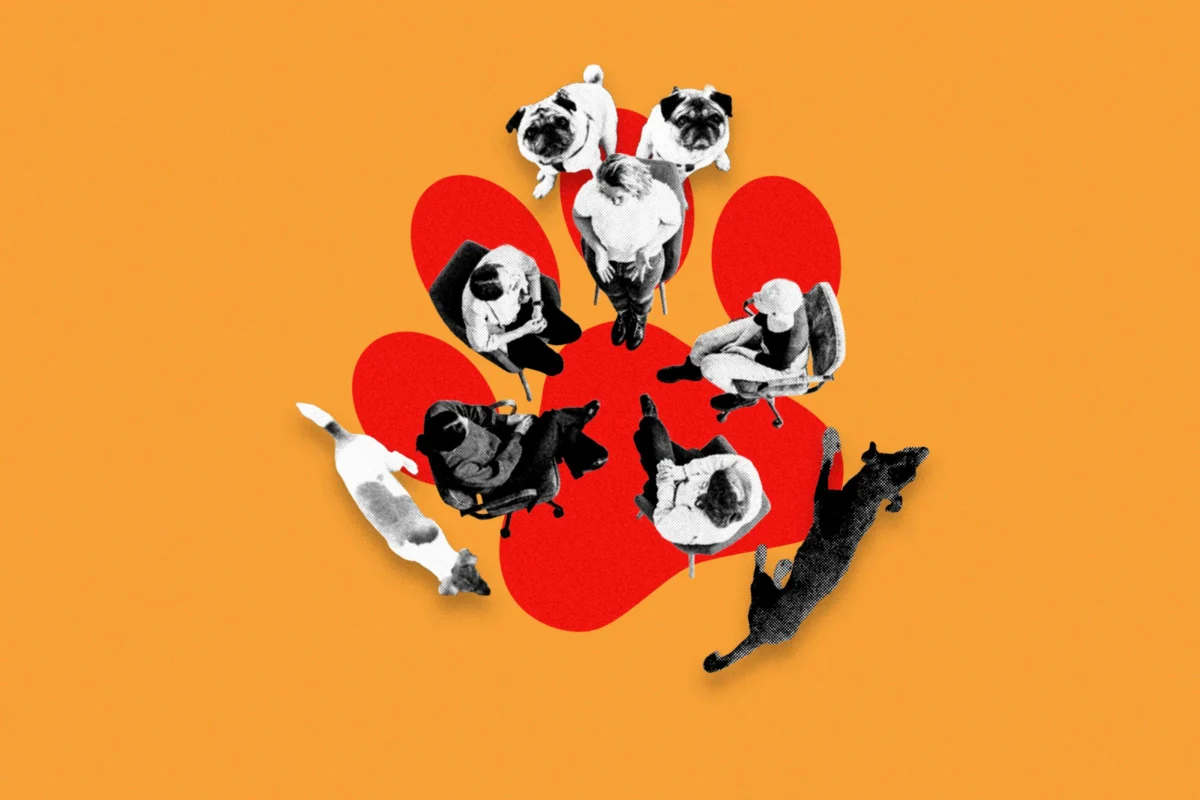
The modern landscape of pet companionship is frequently romanticized through curated social media feeds, television commercials, and the enduring cultural archetype of the flawless, obedient family dog. Yet, away from the highlight reels of viral pet influencers and high-fashion greyhounds, a quieter, more isolating reality persists for a significant portion of pet owners. Behind closed doors, millions struggle with the emotional, financial, and psychological tolls of managing dogs with severe behavioral issues, reactivity, and anxiety. To counter the intense social stigma and profound isolation associated with these challenges, a novel form of peer support has emerged, mirroring the architecture of traditional recovery programs to offer a judgment-free space for overwhelmed owners.
The Genesis of Dogs Anonymous
Founded in early 2025 by Louise Crane, Daphne Mendoza-Tervanis, and Jerri Scherff, Dogs Anonymous operates as a specialized nonprofit organization designed to provide emotional support and community-driven guidance for pet owners at their breaking point. The organization hosts weekly virtual meetings via Zoom, drawing participants primarily from across the United States, alongside international attendees from regions including Singapore and Costa Rica.
The structural blueprint of Dogs Anonymous is heavily influenced by the principles of twelve-step recovery programs, most notably Alcoholics Anonymous. Jerri Scherff, a cofounder with over a decade of personal sobriety, recognized the vital need to import the core tenets of traditional recovery—chiefly confidentiality, structured repetition, and autonomous group leadership—into the realm of animal companionship. Central to each session is a strict code of anonymity, ensuring that admissions of frustration, resentment, or exhaustion remain contained within the group.
Before any discussion commences, participants must formally recite seven foundational acknowledgments. The first and most disarming of these is an explicit admission: "I admit that life with my dog is not what I imagined." This ritualized vulnerability is designed to strip away the pervasive shame that often paralyzes owners who find themselves unable to bond with or successfully manage their pets.
The Anatomy of Canine Behavioral Strain
The necessity for such spaces is underscored by a growing body of academic research examining the psychological impact of problem behaviors in companion animals. According to a study published in the scientific journal Pets in June, 53 percent of surveyed pet owners reported feelings of profound isolation when dealing with canine behavioral issues. Furthermore, 78 percent reported experiencing "elevated caregiver burden"—a clinical term used to describe the multifaceted emotional and financial strain placed upon individuals caring for dependents with specialized needs.
Canine reactivity remains the single most common catalyst for owner distress. Recent data from a 2026 study conducted by animal behavior researchers at the University of Lincoln categorizes these behavioral challenges into three primary manifestations: oral attacks, frustration, and defensive posturing, with lunging and persistent barking cited as the most frequent triggers.
For many owners, managing these symptoms transforms daily walks into high-stress navigations of public spaces. Incidents of public hostility directed at owners of reactive dogs further exacerbate the psychological toll. Public interactions—such as hostile bystanders reacting negatively to an anxious animal—frequently drive owners to emotional exhaustion. This dynamic often forces individuals into a state of hyper-vigilance, where they must constantly anticipate environmental triggers and human volatility, mirroring the emotional exhaustion typically associated with human caregiving roles.
The Economic and Social Pressures of Modern Pet Culture
The escalating crisis among pet owners cannot be viewed in isolation from broader socioeconomic and cultural shifts. Over the past decade, the commercialization and digital curation of pet ownership have established unrealistic benchmarks for domestic animal behavior. Platforms like Instagram and TikTok have elevated "petfluencers" to celebrity status, showcasing idealized, impeccably trained animals that reinforce societal expectations of effortless pet ownership.
Concurrently, the structural cost of professional animal care has risen sharply. Private dog trainers specializing in behavioral modification and aggression cases frequently command prohibitive hourly rates. In metropolitan hubs like Los Angeles, professional private training sessions can cost up to $300 per hour, placing specialized behavioral intervention out of reach for middle- and lower-income households.
This financial barrier intersects with high shelter adoption rates. According to data from the American Society for the Prevention of Cruelty to Animals (ASPCA), approximately two million dogs were adopted from shelters across the United States in 2025. While adoption initiatives successfully place animals in homes, animal welfare advocates note a concurrent deficiency in accessible post-adoption resources. When newly adopted pets exhibit unforeseen behavioral challenges, owners frequently find themselves financially and emotionally unequipped to manage the transition, leading to strained domestic environments and, in severe cases, the difficult consideration of behavioral euthanasia.
Shifting the Focus from Animal to Owner
Unlike conventional veterinary and training services that center exclusively on modifying the animal’s conduct, Dogs Anonymous explicitly prioritizes the psychological well-being of the human handler. Co-founder Daphne Mendoza-Tervanis, drawing on 15 years of professional experience in the pet care industry, points out that much of the contemporary crisis in animal welfare stems from prioritizing the animal’s perceived perfection over the mental health of the human caregiver.
During weekly support sessions, conversations frequently transition from specific behavioral advice—such as managing resource guarding, noise phobias, or separation anxiety—to shared expressions of burnout. Participants discuss the painful process of grieving the idealized companion they anticipated owning, contrasting that fantasy with the reality of caring for an unpredictable or aggressive animal.
This methodology relies on the therapeutic power of shared experience. By articulating feelings of inadequacy, resentment, and grief in a moderated peer environment, participants are able to externalize their guilt. The community model validates the premise that experiencing frustration toward a pet is a normal, albeit socially taboo, psychological response to chronic caregiving stress.
Implications for Animal Welfare and Human Mental Health
The emergence of organizations like Dogs Anonymous highlights a significant gap in the broader veterinary and mental health infrastructures. Historically, veterinary medicine has focused primarily on the physical health of the animal, while human mental health professionals have rarely integrated pet-related caregiver stress into clinical frameworks.
As academic research continues to quantify the mental health implications of pet ownership—particularly the intersections of isolation, financial strain, and social judgment—industry experts anticipate a growing demand for integrated support systems that address the human side of the human-animal bond. By destigmatizing the complex emotional realities of pet ownership, these initiatives seek to improve retention rates in homes, reduce the incidence of preventable surrenders, and alleviate the hidden psychological burdens carried by millions of animal companions.