


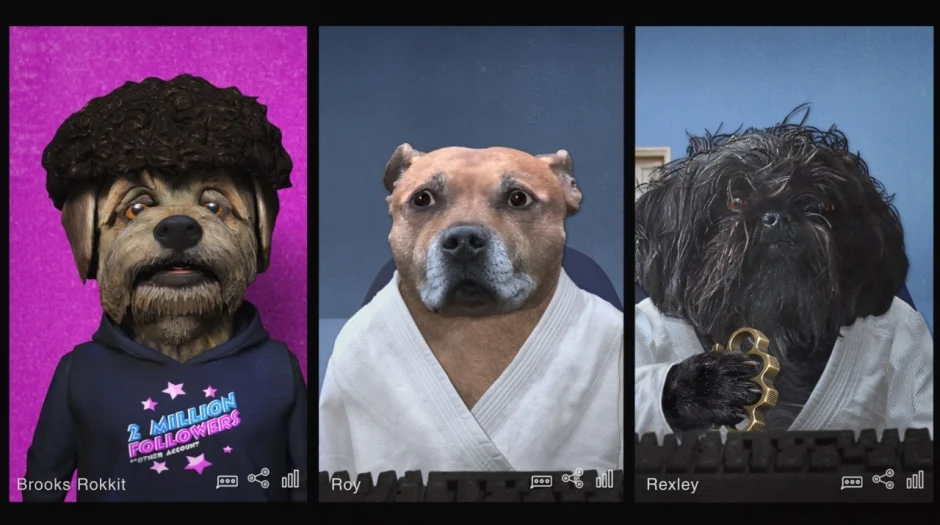
Dog Judo, the pioneering and eccentric animated comedy series crafted by the UK-based studio Dog and Rabbit, has officially returned from a lengthy hiatus. The show’s comeback is marked by a brand-new YouTube installment titled "Dog Judo Wins Social Media," which sharply critiques the superficiality, absurdity, and navigational difficulties inherent in contemporary digital networking and influencer culture. The satirical short centers on an exaggerated, absurdly self-absorbed young influencer named Brooks Rokkit, navigating the paradoxical landscape of modern online clout.
The revival of Dog Judo is more than just a nostalgic nod to the past; it mirrors the real-world trajectory of its creators, co-founder and director Andrew Kelleher and his production team. Having recently resurrected the intellectual property after intermittent production phases spanning more than twenty years, the studio faces the very challenge depicted in their latest episode: figuring out how to break through the algorithmic noise of the 2020s and reintroduce a unique brand of humor to a vastly transformed global audience.
A Unique Craftsmanship Defying the Digital Age
Long before the advent of consumer-grade generative artificial intelligence tools, Dog and Rabbit established a distinct visual signature that relied entirely on handcrafted digital collage. The characters in Dog Judo are meticulously constructed the old-fashioned way inside Adobe Photoshop, utilizing photographic elements sourced from real dogs. This painstaking process gives the animation its signature surreal aesthetic, blending photorealism with absurd, deadpan physical comedy.
However, reviving this technique in an era dominated by advanced machine learning has introduced an unexpected public relations hurdle. Kelleher notes that the studio has faced numerous accusations from modern viewers claiming that the distinct character designs are generated by artificial intelligence. To combat these misconceptions and highlight the human labor behind the art, the production team published a behind-the-scenes making-of video on Instagram. This supplementary footage demonstrates the actual photographic canine source material and the detailed digital layering required to bring the characters to life, reinforcing the studio’s commitment to authentic, human-led digital artistry.
The Chronology of Dog and Rabbit: Two Decades of Animation Evolution

To understand the cultural weight of Dog Judo’s return, one must examine the timeline of Dog and Rabbit as a creative powerhouse within the British animation and commercial sectors. Founded by Andrew Kelleher and his creative partners, the studio has operated at the intersection of commercial viability and avant-garde comedy for decades.
In its early years, Dog and Rabbit gained notoriety not just for independent internet experiments like Dog Judo, but for delivering high-profile animated commercials and short-form films for major international brands. Their commercial portfolio spans household names such as Sainsbury’s, Tic Tacs, the Food Network, the Travel Channel, Virgin Media, the BBC, Channel 4, Puma, Volkswagen, Kronenbourg, Marmite, Innocent Drinks, and Radio Shack, among others.
Furthermore, the studio’s pedigree includes seminal contributions to alternative British comedy. Dog and Rabbit famously animated the very first series of Modern Toss, the cult British comic and television series known for its acerbic, cynical view of modern technology and working-class life. They also collaborated with legendary pop artist Sir Peter Blake to create a bespoke, custom-tailored animation for the Graeae Theatre Company, solidifying their reputation as versatile innovators capable of bridging high art, theater, and commercial broadcasting.
Throughout the lifetime of the Dog Judo series specifically, the production has amassed a staggering library of more than 120 episodes. Over these two decades, the project has attracted an impressive roster of high-profile guest voice talent. Notable figures who have lent their vocal talents to the canine cast include Emmy Award winner Joe Pantoliano, best known for his gripping performances in The Sopranos and The Matrix; iconic British comedic actress and writer Kathy Burke; and the late, great alternative comedy legend Rik Mayall. These collaborations elevated the underground project into a celebrated cult favorite among comedy connoisseurs on both sides of the Atlantic.
Finding a New Audience on Instagram and TikTok
The media landscape of the mid-2000s—when Dog Judo first gained traction—is unrecognizable compared to today’s multi-platform ecosystem. The rise of short-form video algorithms has radically altered how audiences consume comedy, creating both opportunities and obstacles for legacy creators.
According to Kelleher, the decision to bring Dog Judo back was validated by its reception on modern platforms like Instagram and TikTok, where the series is actively cultivating a fresh demographic of viewers. "We are finding a whole new generation of people who weren’t born when it came out," Kelleher remarked, highlighting the timeless appeal of absurd canine comedy. By adapting their distribution strategy to fit vertical video feeds and community-driven sharing loops, Dog and Rabbit has successfully bridged a generational divide, proving that surreal humor transcends technological eras.

Broader Industry Implications and the Satire of the Influencer Economy
The release of "Dog Judo Wins Social Media" arrives at a time of acute cultural exhaustion regarding the influencer economy. As saturation peaks across platforms like YouTube, TikTok, and Instagram, creators and audiences alike are increasingly drawn to content that lampoons the obsessive pursuit of metrics, engagement rates, and algorithmic validation.
By casting Brooks Rokkit—an archetypal young influencer whose entire existence is mediated through self-aggrandizing digital broadcasting—Dog and Rabbit taps into a universal cultural fatigue. The satire resonates because it mirrors the very pressures independent creators face today. Ironically, Dog and Rabbit must utilize the exact mechanisms they mock—social media distribution channels—to promote a cartoon about the absurdity of those very channels. This self-referential loop adds a layer of meta-commentary that elevates the short from simple slapstick to sharp societal critique.
Furthermore, the studio’s navigation of the modern content ecosystem offers a fascinating case study for independent animators working outside major studio conglomerates. In an industry increasingly consolidated under massive streaming umbrellas and corporate intellectual property farms, Dog and Rabbit represents a resilient model of independent production. Their ability to step away from a project for years and return to it with a built-in historical library, coupled with the agility to pivot toward short-form social video platforms, demonstrates a sustainable pathway for legacy creators.
Conclusion and Future Outlook
As "Dog Judo Wins Social Media" continues to circulate across YouTube, Instagram, and TikTok, the wider animation community is taking note of the studio’s successful resurgence. The convergence of traditional Photoshop digital craftsmanship, historical prestige featuring voice acting legends like Joe Pantoliano and Rik Mayall, and a sharp, contemporary satirical voice ensures that Dog Judo remains a distinct voice in digital comedy.
Whether this latest installment heralds a permanent, continuous production schedule or simply another chapter in the unpredictable life of the franchise remains to be seen. However, for a generation of fans rediscovering the show—alongside new viewers experiencing the chaotic world of canine judo for the first time—the return of Andrew Kelleher’s creation proves that genuinely original comedy never truly goes out of style. The complete catalog of past episodes, alongside the newly released social media critique, stands as a testament to endurance, artistic stubbornness, and the enduring power of making art out of real dogs and Photoshop layers.