


The Narrative Foundation: A Summer of Discord
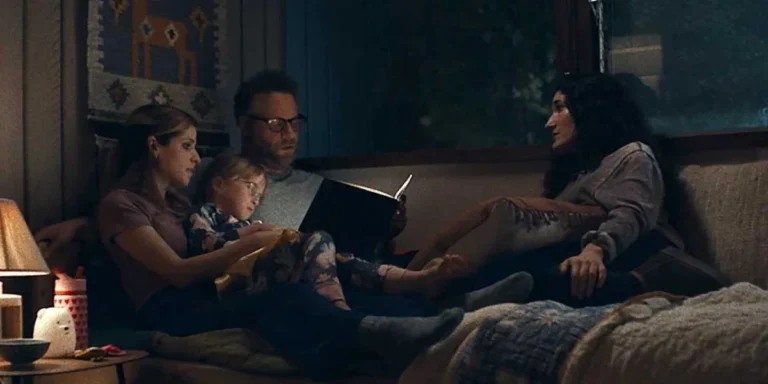
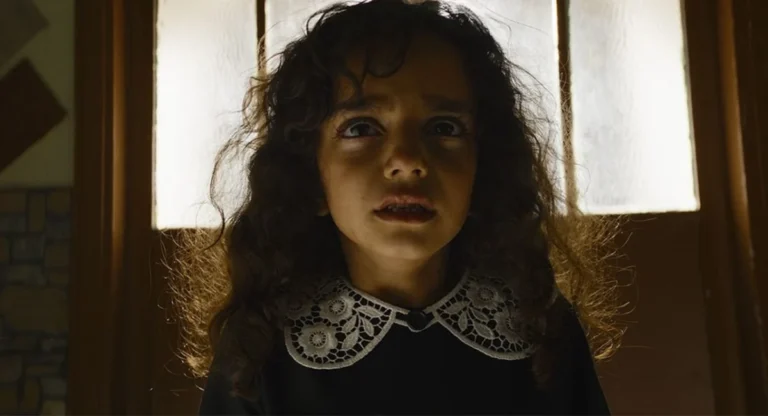
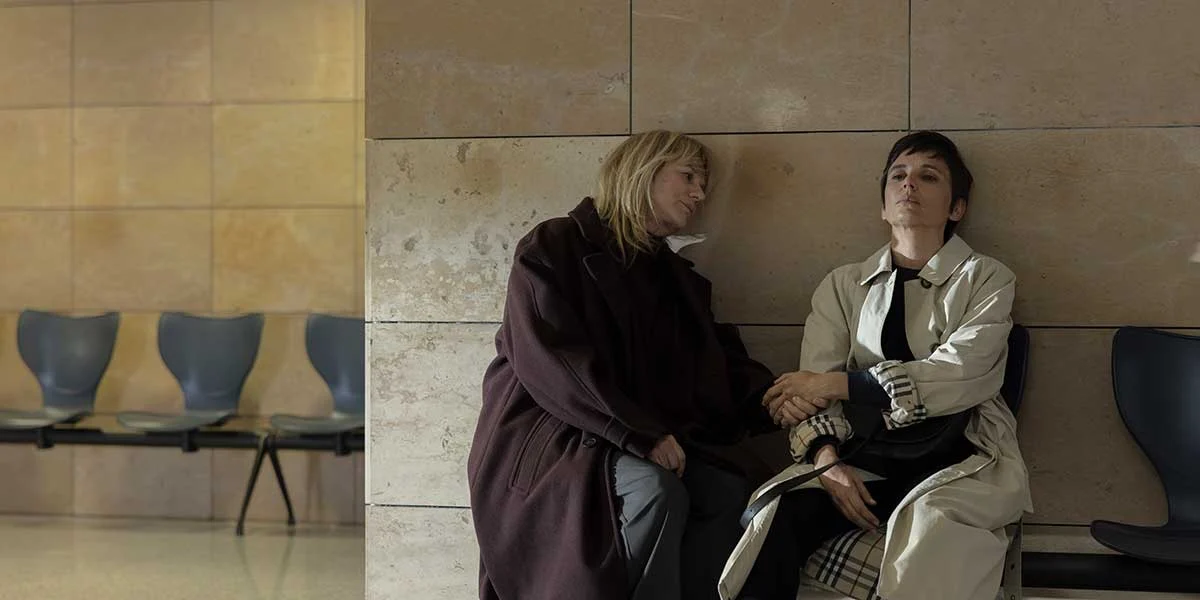
The story centers on a weekend retreat near Madrid, where the families of two sisters—Chelo (Emma Suárez) and Marta (Elena Anaya)—gather to celebrate traditional San Juan festivities. This setting, traditionally associated with renewal and the purification of the spirit, serves as the backdrop for a catastrophic revelation. The narrative hinges on a central allegation: 13-year-old Sofia (Carlota Keiko) accuses her 18-year-old cousin, Lucas (León Martínez), of sexual assault during the night of the festivities.
The film meticulously tracks the immediate aftermath. For Chelo, the discovery triggers an urgent mobilization of resources, including medical assessments, police reporting, and the psychological protection of her daughter. Conversely, Marta, gripped by maternal instinct and a denial of her son’s capacity for such violence, creates an immediate wall between the two households. The resulting tension is not merely a legal drama but a domestic tragedy, highlighting the difficulty of maintaining objectivity when the accused and the accuser are bound by blood.
Chronological Breakdown of the Conflict
The film’s pacing reflects the slow, agonizing nature of legal and personal crises. The chronology of the drama is marked by specific turning points:
- The Festival Night: The catalyst event occurs during the San Juan celebration, a period of heightened social activity that provides the cover for the alleged incident.
- The Disclosure: The morning after the incident, Sofia’s report to her mother initiates the crisis.
- The Immediate Response: Chelo’s decision to involve law enforcement sets the legal clock in motion. Lucas is taken into custody, where he subsequently claims a total memory loss of the evening.
- The Stagnation: While legal proceedings move forward, the internal family dynamic enters a state of paralysis. Sofia withdraws into silence, rejecting both professional therapy and parental outreach, while the familial divide between the sisters becomes absolute.
Behind the Lens: The Directorial Approach of Ione Hernández
Ione Hernández, who holds academic backgrounds in Journalism and Communications, brings a documentarian’s eye to her debut feature. Known for her previous short-form works such as The Palace of the Moon and Aizea: City of the Wind, Hernández has built a career on exploring the friction between individual memory and external reality.
In Sisters, her background in journalism is evident in the film’s refusal to rely on the sensationalist tropes often found in crime-based dramas. By intentionally avoiding graphic depictions of the assault, the film pivots to the sociopolitical reality of the victim’s experience. The director opts for a clinical, observational style, supported by Diego Dussuel’s cinematography and an immersive score by Olivier Arson, which emphasizes the claustrophobia of the sisters’ conflicting perspectives.
Data and Context: The Prevalence of Familial Abuse Allegations
While Sisters is a fictional narrative, it reflects a sobering reality in European and global sociology. According to reports from the European Union Agency for Fundamental Rights, a significant percentage of sexual violence against minors occurs within the domestic sphere or among acquaintances. The difficulty of navigating these accusations is often exacerbated by "familial denialism," a psychological phenomenon where family members prioritize the preservation of the family image or personal affection over the victim’s testimony.
The film touches upon the critical role of the legal system in these instances. In Spain, the legal framework regarding consent has seen significant evolution over the past decade, moving toward a "only yes means yes" standard. The film’s depiction of Lucas claiming memory loss is a common legal strategy in sexual assault cases, placing the burden of proof entirely on the victim—a scenario that remains a point of contention for legal advocacy groups and survivor support organizations.
The Performance Dynamics
The success of Sisters rests heavily on the performances of its leads. Emma Suárez and Elena Anaya deliver nuanced portrayals of the sisters, shifting the weight of the film from the crime to the emotional cost of the conflict. Suárez captures the desperation of a mother seeking truth, while Anaya embodies the complex grief of a parent unable to reconcile her son’s identity with the accusation brought against him.
The secondary cast, including Carlota Keiko and León Martínez, provides the necessary friction. While their roles are intentionally more contained, their presence serves as a commentary on how the youth are often caught in the crossfire of adult decision-making. The interaction between these characters highlights the "cacophony of a family," where individual voices are lost in the collective trauma.
Critical Analysis: Pacing and Narrative Impact
Despite the film’s strong emotional resonance, its execution faces challenges, particularly in its pacing. The 101-minute runtime occasionally suffers from redundant dialogue and scenes that cycle through the same emotional territory without significant advancement. The editing, while deliberate, occasionally hinders the momentum, leading to a narrative that feels, at times, like an elongated featurette.
However, the film succeeds in its objective to provoke. By refusing to offer a clean resolution or a moralizing conclusion, Hernández leaves the audience to grapple with the uncomfortable ambiguity of the situation. This approach, while potentially frustrating for viewers seeking a traditional crime thriller, elevates the work into a more challenging, intellectual sphere.
Broader Implications and Societal Significance
The release of Sisters comes at a time when global discourse surrounding the credibility of survivors and the prevalence of sexual assault is at an all-time high. By focusing on the family as a microcosm of society, Hernández illustrates the systemic failures that occur when personal loyalty clashes with public justice.
The film underscores the reality that an allegation of abuse does not only impact the two individuals directly involved; it causes a systemic collapse of the family unit. The "impossible crossroads" faced by the sisters serves as a metaphor for the broader societal struggle to balance the presumption of innocence for the accused with the necessity of believing the survivor.
Conclusion
Sisters stands as a noble, if technically imperfect, entry into the genre of domestic drama. Its strength lies in its refusal to be an easy watch. By forcing the audience to sit with the silence of the victim and the denial of the perpetrator’s family, Ione Hernández has crafted a film that feels relevant to the contemporary moment. While the film may falter in its structural pacing, it succeeds in its primary mission: to provide an authentic, unflinching look at the devastating, long-term impact of trauma on those who share a history, a home, and a future. The film remains an important addition to the 2026 festival circuit, marking Hernández as a director to watch as she continues to refine her command of the feature-length format.