



Amazon Music is embarking on a significant strategic escalation in the digital media landscape, announcing a wide-reaching expansion of its video podcast offerings. By extending the availability of video-based audio programming to international markets and integrating new hosting providers, the platform is positioning itself as a central hub for multimodal content. This move represents a calculated effort to capture a larger share of the attention economy, as major streaming services pivot toward video-first strategies to satisfy evolving consumer preferences and compete with the long-standing industry dominance of YouTube.
A Global Expansion Strategy
Beginning this Wednesday, the Amazon Music platform will undergo a substantial upgrade in its international content delivery. Having initially introduced video podcasts to its United States subscriber base in May, the company is now scaling these capabilities to include listeners in Canada, the United Kingdom, Mexico, Brazil, and Japan. This expansion is supported by the integration of several prominent hosting providers, including Triton Digital’s Omny Studio and Flightcast.
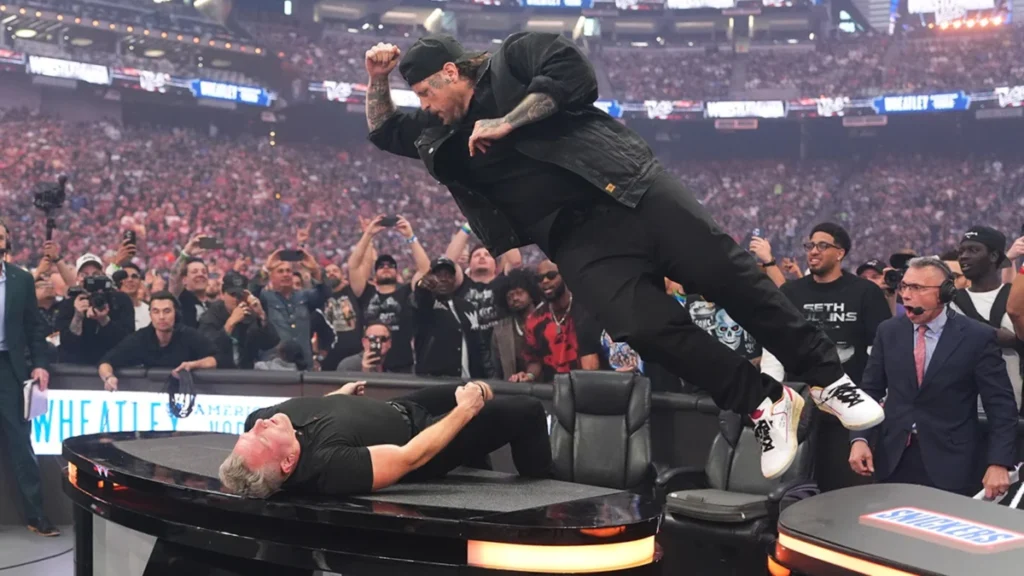
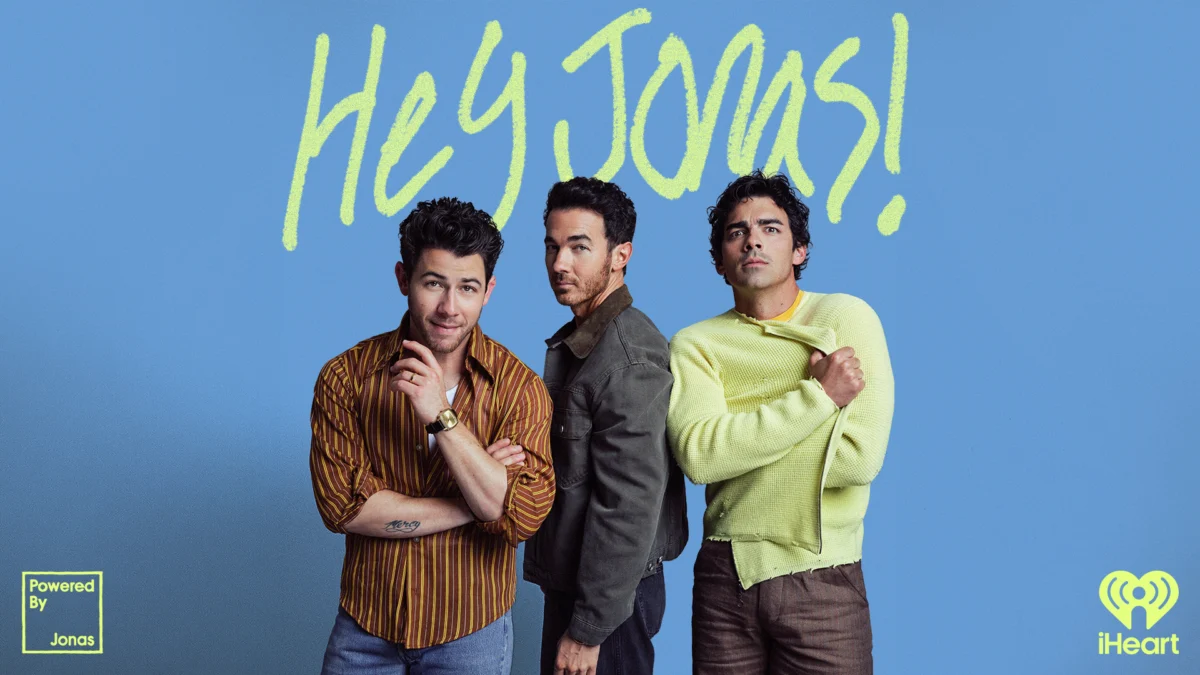
Furthermore, the platform has signaled that it will continue to deepen its catalog in the coming months by onboarding shows from industry heavyweights such as SiriusXM, Megaphone, and Libsyn. The content pipeline is set to be robust, featuring a diverse array of programs including Hey Jonas!, Joy 101 with Hoda Kotb, Pro Football Talk Live with Mike Florio, and Solved with Mark Manson. These additions will be complemented by upcoming collaborations with media giants like iHeartMedia, Spotify, NBC Sports, and Headgum, effectively transforming Amazon Music from a purely audio-focused service into a comprehensive media consumption environment.
The Evolution of the Podcast Format
The shift toward video podcasting is not merely a feature update; it reflects a fundamental change in how digital audiences interact with long-form audio content. In the early years of the podcast boom, the medium was defined exclusively by its portability and reliance on audio-only RSS feeds. However, the rise of "videocasts"—often filmed in professional studio settings—has blurred the lines between traditional talk radio and television.
The origins of this trend can be traced back to the massive popularity of independent creators who utilized YouTube as a discovery engine, eventually leading to a paradigm where visual engagement became a key driver for audience retention. As consumers increasingly expect to see the faces behind the microphones, the major players in the audio space—Apple, Spotify, and now Amazon—have been forced to adapt. For Amazon, this is an extension of its existing "all-in-one" entertainment ecosystem, which already includes Prime Video, Twitch, and Audible. By centralizing video podcasts within the Amazon Music app, the company aims to reduce the friction of switching between platforms, keeping the user within the Amazon-owned ecosystem for longer periods.
Monetization and Creator Empowerment
A critical component of Amazon’s strategy is the implementation of new monetization tools designed to attract high-profile creators. The company has introduced features that allow podcasters to insert video advertisements directly into their content. Importantly, this system is designed to exist in harmony with pre-existing revenue streams, such as host-read sponsorships, brand integrations, and "baked-in" advertisements.
This approach is intended to mitigate the concerns of creators who might otherwise be wary of platform-enforced monetization models that could cannibalize their existing income. By allowing creators to retain ownership of their ad inventory and audience data, Amazon is attempting to differentiate itself from competitors like YouTube, which often exerts significant control over ad placement and platform revenue sharing. ART19, the hosting provider owned by Amazon, has played a foundational role in this infrastructure, serving as the initial conduit for distributing video content across the platform.
Contextualizing the Market Landscape
The broader audio industry has seen a period of intense competition as platforms vie for the "next big thing" in digital media. According to industry analysis from firms like Edison Research and Nielsen, the consumption of podcasts has reached an all-time high, with a significant percentage of younger demographics citing video components as a primary reason for choosing one platform over another.
The following timeline highlights the progression of this transition:
- Early 2020: The rise of video-focused podcasting begins to gain significant traction, driven largely by YouTube’s recommendation algorithm.
- May 2023: Amazon Music officially launches video podcasts in the United States, featuring high-profile titles such as IMO with Michelle Obama and Craig Robinson, and Khloé in Wonder Land.
- Q3 2023: Wondery, an Amazon-owned studio, begins integrating its major hits—including New Heights and Armchair Expert—into the Amazon Music video interface.
- Current Date: Amazon Music expands video support to six major international markets, signaling a shift toward global standardization of the medium.
This timeline illustrates a rapid transition from experimentation to a full-scale global rollout, driven by the need to maintain competitive parity with Spotify and Apple Podcasts, both of which have been aggressively developing their own video strategies.
Official Perspectives on the Shift
The internal rationale for this pivot is rooted in user behavior data. Shea Simpson, the Head of Spoken Word for Amazon Music, emphasized that the decision was a direct response to consumer demand.
"Industry data confirms what our customers have been telling us—they want the flexibility to watch their favorite podcasts, in addition to listening," Simpson stated. "As video consumption continues to grow, we’re constantly looking for ways to expand our offerings for customers to engage across formats. By working with leading podcast publishers, we’re bringing the top video podcast shows to customers across the US, Canada, UK, Mexico, Brazil, and Japan—spanning true crime, breaking news, celebrity interviews, and more."
Simpson also addressed the creator-centric nature of the platform, noting that the architecture of their new system prioritizes the autonomy of content producers. "Just as importantly, we’ve built this in a way that lets creators keep full ownership of their hosting, ad inventory, and audience monetization." This statement is likely directed at the anxieties felt by creators regarding platform lock-in, a common critique of the "walled garden" approach favored by many tech conglomerates.
Broader Implications and Strategic Analysis
The move to embed video into the Amazon Music app has several profound implications for the digital media market. First, it places Amazon in direct competition with YouTube for long-form video engagement. While YouTube remains the undisputed king of short-form and creator-led video, Amazon’s strength lies in its deep integration with retail and subscription services. By surfacing video podcasts to existing Prime and Music subscribers, Amazon can leverage its massive user base to drive viewership for content that might otherwise remain siloed on external sites.
Second, the platform’s emphasis on maintaining existing sponsorships and baked-in ads is a shrewd business move. In an advertising market that has become increasingly volatile, creators are often reluctant to abandon proven revenue models. By providing a technical framework that supports these legacy models while adding new, platform-native ad capabilities, Amazon is lowering the barrier to entry for professional studios and independent creators alike.
Finally, the geographical expansion demonstrates a move toward a unified global content policy. By bringing these features to Mexico, Brazil, and Japan, Amazon is acknowledging that the podcasting market is no longer concentrated solely in the West. As emerging markets continue to adopt mobile-first media habits, the ability to deliver high-quality, multimodal content will be the primary factor in determining market share.
While the competition remains fierce, Amazon’s strategy reflects a mature understanding of the current digital landscape. Success will likely depend on the platform’s ability to maintain a seamless user experience while ensuring that the technical implementation of video streaming remains reliable. As the lines between audio and video continue to blur, Amazon is clearly signaling that it has no intention of being left behind in the race for the modern listener’s eyes and ears.